
What's inside
What's inside
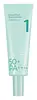 Key Ingredients
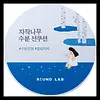
Benefits
Concerns
Ingredients Side-by-side
Glycyrrhiza Glabra Root Water 20.55%
Antioxidant
Centella Asiatica Extract 15%
Cleansing





Houttuynia Cordata Extract 14.25%
Skin Conditioning
Water
Skin ConditioningDibutyl Adipate
EmollientPropanediol
Solvent
Butyloctyl Salicylate
Skin Conditioning
Ethylhexyl Triazone
UV Absorber
Terephthalylidene Dicamphor Sulfonic Acid
UV Absorber
Polymethylsilsesquioxane

Niacinamide
Smoothing





Tromethamine
BufferingPolyglyceryl-3 Distearate
Emulsifying
1,2-Hexanediol
Skin Conditioning
Pentylene Glycol
Skin Conditioning
Diethylamino Hydroxybenzoyl Hexyl Benzoate
UV Filter
Cetearyl Alcohol
Emollient



Caprylyl Methicone
Skin Conditioning
Polysilicone-15
UV Filter
Melia Azadirachta Leaf Extract
Skin ConditioningCoccinia Indica Fruit Extract
Skin ConditioningEclipta Prostrata Extract
Skin Conditioning
Melia Azadirachta Flower Extract
Skin ConditioningAnastatica Hierochuntica Extract
AstringentHyacinthus Orientalis Extract
Skin ConditioningPolygonatum Officinale Rhizome/Root Extract
Skin ConditioningLycium Chinense Fruit Extract
Antioxidant
Velvet Extract
HumectantOphiopogon Japonicus Root Extract
Skin ConditioningPolygonum Multiflorum Root Extract
Skin ConditioningAstragalus Membranaceus Root Extract
Emollient
Atractylodes Lancea Root Extract
Skin ConditioningLaminaria Japonica Extract
Skin Protecting
Ulmus Davidiana Root Extract
Skin Conditioning
Aloe Barbadensis Leaf Extract
Emollient
Viola Mandshurica Flower Extract
Antioxidant
Dioscorea Japonica Root Extract
Skin Conditioning
Sodium Hyaluronate
Humectant
Glyceryl Stearate
Emollient
Bis-Ethylhexyloxyphenol Methoxyphenyl Triazine
Skin Conditioning
Potassium Cetyl Phosphate
EmulsifyingButylene Glycol
Humectant
Methylpropanediol
SolventCarbomer
Emulsion StabilisingAcrylates/C10-30 Alkyl Acrylate Crosspolymer
Emulsion StabilisingGlyceryl Stearate Citrate
Emollient
Ethylhexylglycerin
Skin ConditioningXanthan Gum
EmulsifyingAdenosine
Skin Conditioning
Polyether-1
Madecassoside
Antioxidant
Biosaccharide Gum-1
Humectant
Glycerin
Humectant
Dimethylsilanol Hyaluronate
HumectantHydrolyzed Sodium Hyaluronate
Skin Conditioning
Hydrolyzed Hyaluronic Acid
Humectant
Potassium Hyaluronate
Skin ConditioningHyaluronic Acid
Humectant
Sodium Hyaluronate Crosspolymer
Humectant
Hydroxypropyltrimonium Hyaluronate
Sodium Hyaluronate Dimethylsilanol
HumectantSodium Acetylated Hyaluronate
Humectant
Glycyrrhiza Glabra Root Water 20.55%, Centella Asiatica Extract 15%, Houttuynia Cordata Extract 14.25%, Water, Dibutyl Adipate, Propanediol, Butyloctyl Salicylate, Ethylhexyl Triazone, Terephthalylidene Dicamphor Sulfonic Acid, Polymethylsilsesquioxane, Niacinamide, Tromethamine, Polyglyceryl-3 Distearate, 1,2-Hexanediol, Pentylene Glycol, Diethylamino Hydroxybenzoyl Hexyl Benzoate, Cetearyl Alcohol, Caprylyl Methicone, Polysilicone-15, Melia Azadirachta Leaf Extract, Coccinia Indica Fruit Extract, Eclipta Prostrata Extract, Melia Azadirachta Flower Extract, Anastatica Hierochuntica Extract, Hyacinthus Orientalis Extract, Polygonatum Officinale Rhizome/Root Extract, Lycium Chinense Fruit Extract, Velvet Extract, Ophiopogon Japonicus Root Extract, Polygonum Multiflorum Root Extract, Astragalus Membranaceus Root Extract, Atractylodes Lancea Root Extract, Laminaria Japonica Extract, Ulmus Davidiana Root Extract, Aloe Barbadensis Leaf Extract, Viola Mandshurica Flower Extract, Dioscorea Japonica Root Extract, Sodium Hyaluronate, Glyceryl Stearate, Bis-Ethylhexyloxyphenol Methoxyphenyl Triazine, Potassium Cetyl Phosphate, Butylene Glycol, Methylpropanediol, Carbomer, Acrylates/C10-30 Alkyl Acrylate Crosspolymer, Glyceryl Stearate Citrate, Ethylhexylglycerin, Xanthan Gum, Adenosine, Polyether-1, Madecassoside, Biosaccharide Gum-1, Glycerin, Dimethylsilanol Hyaluronate, Hydrolyzed Sodium Hyaluronate, Hydrolyzed Hyaluronic Acid, Potassium Hyaluronate, Hyaluronic Acid, Sodium Hyaluronate Crosspolymer, Hydroxypropyltrimonium Hyaluronate, Sodium Hyaluronate Dimethylsilanol, Sodium Acetylated Hyaluronate
Water
Skin ConditioningZinc Oxide
Cosmetic Colorant
Caprylyl Methicone
Skin Conditioning
Methyl Trimethicone
Skin Conditioning
Titanium Dioxide
Cosmetic Colorant
Butylene Glycol Dicaprylate/Dicaprate
EmollientButyloctyl Salicylate
Skin Conditioning
Polyglyceryl-4 Diisostearate/Polyhydroxystearate/Sebacate
Emulsifying
Propanediol
Solvent
Glycerin
Humectant
Methyl Methacrylate Crosspolymer
Diisostearyl Malate
EmollientGlyceryl Glucoside
Humectant
Ethylhexylglycerin
Skin ConditioningLaminaria Japonica Extract
Skin Protecting
Ulmus Davidiana Root Extract
Skin Conditioning
Aloe Barbadensis Leaf Extract
Emollient
Viola Mandshurica Flower Extract
Antioxidant
Dioscorea Japonica Root Extract
Skin Conditioning
Sodium Hyaluronate
Humectant
Hyaluronic Acid
Humectant
Dipotassium Glycyrrhizate
Humectant
Allantoin
Skin Conditioning
Portulaca Oleracea Extract
Skin Conditioning
Adansonia Digitata Seed Extract
Skin ConditioningAscorbic Acid
Antioxidant
Butylene Glycol
Humectant
Dimer Dilinoleyl Dimer Dilinoleate
EmollientMagnesium Sulfate
Aluminum Hydroxide
EmollientDisteardimonium Hectorite
StabilisingStearic Acid
Cleansing
Triethoxycaprylylsilane
Polyglyceryl-6 Polyricinoleate
Emulsifying
1,2-Hexanediol
Skin Conditioning
Dicaprylyl Carbonate
EmollientSorbitan Caprylate
EmulsifyingGlyceryl Caprylate
EmollientCaprylyl Glycol
Emollient
Tocopherol
Antioxidant
Water, Zinc Oxide, Caprylyl Methicone, Methyl Trimethicone, Titanium Dioxide, Butylene Glycol Dicaprylate/Dicaprate, Butyloctyl Salicylate, Polyglyceryl-4 Diisostearate/Polyhydroxystearate/Sebacate, Propanediol, Glycerin, Methyl Methacrylate Crosspolymer, Diisostearyl Malate, Glyceryl Glucoside, Ethylhexylglycerin, Laminaria Japonica Extract, Ulmus Davidiana Root Extract, Aloe Barbadensis Leaf Extract, Viola Mandshurica Flower Extract, Dioscorea Japonica Root Extract, Sodium Hyaluronate, Hyaluronic Acid, Dipotassium Glycyrrhizate, Allantoin, Portulaca Oleracea Extract, Adansonia Digitata Seed Extract, Ascorbic Acid, Butylene Glycol, Dimer Dilinoleyl Dimer Dilinoleate, Magnesium Sulfate, Aluminum Hydroxide, Disteardimonium Hectorite, Stearic Acid, Triethoxycaprylylsilane, Polyglyceryl-6 Polyricinoleate, 1,2-Hexanediol, Dicaprylyl Carbonate, Sorbitan Caprylate, Glyceryl Caprylate, Caprylyl Glycol, Tocopherol
Reviews
Ingredients Explained
These ingredients are found in both products.
Ingredients higher up in an ingredient list are typically present in a larger amount.
1,2-Hexanediol is a synthetic liquid and another multi-functional powerhouse.
It is a:
- Humectant, drawing moisture into the skin
- Emollient, helping to soften skin
- Solvent, dispersing and stabilizing formulas
- Preservative booster, enhancing the antimicrobial activity of other preservatives
Aloe Barbadensis Leaf Extract is an extract of the leaves of the aloe, Aloe barbadensis, Liliaceae.
Aloe is one of the most well-known natural soothing ingredients, and for good reason. It’s full of water and has a cooling, calming effect on the skin, especially when it’s sunburned, itchy, or irritated. Aloe also helps your skin stay hydrated and smooth by mimicking what healthy skin naturally produces. On top of that, it contains vitamins and nutrients that support skin recovery.
It doesn’t protect you from the sun, but it can help your skin bounce back after too much time in it.
Let’s get into the details:
Aloe contains antioxidant Vitamins A, C, and E, which help fight off free radicals (unstable molecules from things like pollution that can damage your skin).
It’s also rich in polysaccharides, which are natural sugars that help hydrate the skin by acting like the skin’s own moisturizing agents. These, along with other sugars like monosaccharides, help form a protective barrier that locks in moisture.
Aloe works as both a humectant and an emollient. That means it draws water into the skin (humectant) and helps trap it there (emollient), making it an effective natural moisturizer.
You’ll also find a mix of other skin-supporting ingredients in aloe, including folic acid, choline, calcium, amino acids, fatty acids, and even Vitamin B12.
Out of the 420+ species of aloe, Aloe barbadensis is the most widely used in skincare products thanks to its gentle yet effective properties.
There are over 420 species of aloe but Aloe Barbadensis is the most commonly used for topical products.
Learn more about Aloe Barbadensis Leaf ExtractButylene Glycol (or BG) is used within cosmetic products for a few different reasons:
Overall, Butylene Glycol is a safe and well-rounded ingredient that works well with other ingredients.
Though this ingredient works well with most skin types, some people with sensitive skin may experience a reaction such as allergic rashes, closed comedones, or itchiness.
Learn more about Butylene GlycolButyloctyl Salicylate is a chemical UV filter structurally similar to octisalate. It is a photostabilizer, SPF booster, emollient and solvent. This ingredient helps evenly spread out ingredients.
According to a manufacturer, it is suitable for pairing with micro Titanium Dioxide, Zinc Oxide, and pigments.
Photostabilizers help stabilize UV-filters and prevents them from degrading quickly.
Learn more about Butyloctyl SalicylateCaprylyl Methicone is a synthetic and lightweight silicone fluid. It gives products a silky, dry-touch finish without the heaviness of pure oils.
Though the EU CosIng Database lists this ingredient as a skin conditioner, it is also used for sensory reasons. It spreads easily, cuts greasiness, and reduces tackiness.
This ingredient is volatile which means it will mostly evaporate (but it evaporates slower than older cyclomethicones, like Cyclotetrasiloxane).
Typical concentration ranges from 1-30% depending on if it's being used to tweak the feel of a product or acting as the main emollient.
Learn more about Caprylyl MethiconeThis ingredient comes from the Asian mountain yam and has skin conditioning properties. Clinical studies have confirmed this ingredient to work as an effective moisturizer.
The extract is rich in compounds like diosgenin, polysaccharides, and polyphenols, gallic acid, and vanillic acid. Research on these extracts has demonstrated antioxidant effects in-vitro and anti-inflammatory activity in animal models.
The bioactives in the root extract have also been shown in lab tests to have anti-wrinkle, antioxidant, and anti-allergy properties.
A big 2022 review looked at the whole Dioscorea family and found these plants consistently showed antioxidant activity across the board.
This ingredient is gentle and well-tolerated by all skin types.
Learn more about Dioscorea Japonica Root ExtractEthylhexylglycerin is created from glycerin. It is a multitasker ingredient that:
The CIR Expert Panel found minimal skin absorption or sensitization of any kind in a safety assessment. Though this ingredient is considered well-tolerated, a small number of cases of allergic dermatitis have been published since 2002. Just be sure to patch test if you are unsure.
Industry-reported use ranges from 8% in rinse-off products and 2% in leave-on formulations.
Learn more about EthylhexylglycerinGlycerin (or glycerol) is a compound naturally found in your skin. It's a powerhouse humectant that pulls water into the stratum corneum.
Topically, glycerin does several things at once:
Your skin makes glycerin on its own (mostly from sebaceous oil breakdown) and shuttles it to your outermost layer of skin, or your epidermis, via aquaporin-3.
Aquaporin-3 is a transporter that is essential for normal skin hydration, elasticity, and repair. Interestingly, mice lacking in AQP3 have dry and less elastic skin that can be fully corrected with glycerin.
This ingredient is non-irritating, plays well with almost every ingredient, and works across all skin types. Typical use is anywhere between 3-10% but can go up to 79% in some leave-on products.
Just know very high concentrations (>40%) can feel tacky in low humidity.
Glycerin is the name for this ingredient in American English. British English uses Glycerol/Glycerine.
Learn more about GlycerinHyaluronic acid (HA) is a glycosaminoglycan (basically a long sugar chain) that your skin already makes on its own. In your skin, HA lives in the extracellular matrix and acts as the body's moisture reservoir.
Topically, HA is a humectant that binds water and helps skin look more plump, smooth, and hydrated.
The only catch is that HA isn't a single thing; it actually comes in a wide range of molecular weights (~50 - 2,000+ kDA) and size matters.
Some clinical evidence links low molecular weight versions to improved wrinkle depth, elasticity, anti-inflammatory effects, and barrier repair.
This is why the best HA serums blend the two sizes together so you get the best of both worlds.
The majority of cosmetic HA is produced by bacterial fermentation, typically using Streptococcus or Bacillus strains. Typical use levels in skincare sit around 0.1-2%.
A clinical study using a 0.2% low-molecular weight HA gel showed improvement in facial seborrheic dermatitis with excellent tolerance.
These are some other common types of Hyaluronic Acid:
Learn more about Hyaluronic AcidLaminaria Japonica Extract comes from a kelp more commonly known as 'sweet kelp'. It is commonly eaten in Japan, Korea, and China.
Sweet kelp is a humectant and helps hydrate your skin. Humectants draw moisture from the air to your skin.
Studies show Laminaria Japonica has antioxidant compounds. Antioxidants may help with anti-aging. Kelp also contains magnesium and zinc, making it great for calming inflammation and redness.
Learn more about Laminaria Japonica ExtractPropanediol is an all-star ingredient. It softens, hydrates, and smooths the skin.
It’s often used to:
Propanediol is not likely to cause sensitivity and considered safe to use. It is derived from corn or petroleum with a clear color and no scent.
Learn more about PropanediolSodium Hyaluronate is the salt form of hyaluronic acid. It is a long sugar chain that is naturally found in your skin, joints, and connective tissue that maintains hydration and elasticity.
In skincare, it works as a humectant. It pulls water from the environment and deeper layers of skin and binds it to the surface.
Interestingly, the size of the molecule affects its behavior:
Some clinical evidence links low molecular weight versions to improved wrinkle depth, elasticity, anti-inflammatory effects, and barrier repair.
Many serums use a blend of both weights so you can get surface hydration plus longer-lasting and deeper effects.
You'll typically see concentrations between 0.1-2% for this ingredient.
Learn more about Sodium HyaluronateThis tree is also known as the David Elm. It contains the ingredient bakuchiol.
Other great compounds found in this ingredient include galactose, glucose, and phenolics. The sugar content gives it great skin hydrating properties. Phenolics are potent antioxidants commonly found in fruits and veggies.
A 2020 study found the phenolics of this root to have an anti-inflammatory effect.
Fun fact: This ingredient is used in traditional Asian medicine.
Learn more about Ulmus Davidiana Root ExtractThis extract comes from the petals of the manchurian violet, a plant native to East Asia. It has astringent and antioxidant properties.
Water. It's the most common cosmetic ingredient of all. You'll usually see it at the top of ingredient lists, meaning that it makes up the largest part of the product.
So why is it so popular? Water most often acts as a solvent - this means that it helps dissolve other ingredients into the formulation.
You'll also recognize water as that liquid we all need to stay alive. If you see this, drink a glass of water. Remember to stay hydrated!
Learn more about Water
