
What's inside
What's inside
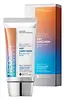 Key Ingredients
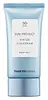
Benefits
Concerns
Ingredients Side-by-side
Water
Skin ConditioningOctocrylene
UV Absorber



Homosalate
Skin Conditioning
Isododecane
EmollientDipropylene Glycol
HumectantSilica
Abrasive


Butyl Methoxydibenzoylmethane
UV Absorber
1,2-Hexanediol
Skin Conditioning
Octyldodeceth-16
EmulsifyingAcrylates/C10-30 Alkyl Acrylate Crosspolymer
Emulsion StabilisingTromethamine
BufferingEthylhexylglycerin
Skin ConditioningTocopheryl Acetate
Antioxidant


Coptis Japonica Extract
AntimicrobialButylene Glycol
Humectant
Xanthan Gum
EmulsifyingCitrus Aurantium Dulcis Peel Oil
Masking


Litsea Cubeba Fruit Oil
Masking
Citrus Aurantium Bergamia Fruit Oil
Masking
Pelargonium Graveolens Flower Oil
Masking
Lavandula Angustifolia Oil
Masking
Melaleuca Alternifolia Leaf Oil
Antioxidant
Citrus Aurantifolia Oil
Cleansing
Eugenia Caryophyllus Leaf Oil
Masking
Cinnamomum Camphora Bark Oil
Masking
Maltodextrin
Absorbent
Persea Gratissima Fruit Extract
EmollientOenothera Biennis Flower Extract
AstringentPinus Palustris Leaf Extract
TonicUlmus Davidiana Root Extract
Skin Conditioning
Pueraria Lobata Root Extract
HumectantCitrus Limon Fruit Extract
Masking
Glycerin
Humectant
Rosa Damascena Extract
MaskingLippia Citriodora Leaf Extract
Astringent
Adansonia Digitata Leaf Extract
Skin ConditioningRubus Idaeus Fruit Extract
AstringentPortulaca Oleracea Extract
Skin Conditioning
Vaccinium Angustifolium Fruit Extract
Skin Protecting
Achillea Millefolium Extract
CleansingArnica Montana Flower Extract
Masking
Aloe Barbadensis Leaf Extract
Emollient
Artemisia Capillaris Extract
Euterpe Oleracea Fruit Extract
Phellinus Linteus Extract
Skin ConditioningSodium Hyaluronate
Humectant

Hibiscus Sabdariffa Flower Extract
Skin ConditioningBeta-Glucan
Skin Conditioning
Water, Octocrylene, Homosalate, Isododecane, Dipropylene Glycol, Silica, Butyl Methoxydibenzoylmethane, 1,2-Hexanediol, Octyldodeceth-16, Acrylates/C10-30 Alkyl Acrylate Crosspolymer, Tromethamine, Ethylhexylglycerin, Tocopheryl Acetate, Coptis Japonica Extract, Butylene Glycol, Xanthan Gum, Citrus Aurantium Dulcis Peel Oil, Litsea Cubeba Fruit Oil, Citrus Aurantium Bergamia Fruit Oil, Pelargonium Graveolens Flower Oil, Lavandula Angustifolia Oil, Melaleuca Alternifolia Leaf Oil, Citrus Aurantifolia Oil, Eugenia Caryophyllus Leaf Oil, Cinnamomum Camphora Bark Oil, Maltodextrin, Persea Gratissima Fruit Extract, Oenothera Biennis Flower Extract, Pinus Palustris Leaf Extract, Ulmus Davidiana Root Extract, Pueraria Lobata Root Extract, Citrus Limon Fruit Extract, Glycerin, Rosa Damascena Extract, Lippia Citriodora Leaf Extract, Adansonia Digitata Leaf Extract, Rubus Idaeus Fruit Extract, Portulaca Oleracea Extract, Vaccinium Angustifolium Fruit Extract, Achillea Millefolium Extract, Arnica Montana Flower Extract, Aloe Barbadensis Leaf Extract, Artemisia Capillaris Extract, Euterpe Oleracea Fruit Extract, Phellinus Linteus Extract, Sodium Hyaluronate, Hibiscus Sabdariffa Flower Extract, Beta-Glucan
Water
Skin ConditioningEthylhexyl Methoxycinnamate
UV Absorber
Homosalate
Skin Conditioning
Ethylhexyl Salicylate
UV Absorber
Diethylamino Hydroxybenzoyl Hexyl Benzoate
UV Filter
Octocrylene
UV Absorber
C12-15 Alkyl Benzoate
AntimicrobialButylene Glycol
Humectant
Cyclomethicone
Emollient
Alcohol
Antimicrobial


Titanium Dioxide
Cosmetic Colorant
Glyceryl Stearate
Emollient
1,2-Hexanediol
Skin Conditioning
Methyl Methacrylate Crosspolymer
Behenyl Alcohol
Emollient
PEG-100 Stearate
Sodium Acrylate/Sodium Acryloyldimethyl Taurate Copolymer
Emulsion StabilisingPhenoxyethanol
Preservative
Isohexadecane
EmollientAluminum Stearate
Cosmetic ColorantPolyhydroxystearic Acid
Emulsifying
Propanediol
Solvent
Octyldodecanol
Emollient
Parfum
Masking
Xanthan Gum
EmulsifyingPolysorbate 80
Emulsifying
Bambusa Vulgaris Water
Skin ConditioningAlumina
Abrasive
Echium Plantagineum Seed Oil
Skin Conditioning
Viscum Album Leaf Extract
SoothingGlycine Soja Lipids
Skin ConditioningCentella Asiatica Extract
Cleansing
Sodium Hyaluronate
Humectant
Portulaca Oleracea Extract
Skin Conditioning
Cardiospermum Halicacabum Flower/Leaf/Vine Extract
Skin ConditioningHelianthus Annuus Seed Oil Unsaponifiables
Emollient
Ethylhexylglycerin
Skin ConditioningPlukenetia Volubilis Seed Oil
Emollient
Tocopherol
Antioxidant
Aloe Barbadensis Leaf Extract
Emollient
Water, Ethylhexyl Methoxycinnamate, Homosalate, Ethylhexyl Salicylate, Diethylamino Hydroxybenzoyl Hexyl Benzoate, Octocrylene, C12-15 Alkyl Benzoate, Butylene Glycol, Cyclomethicone, Alcohol, Titanium Dioxide, Glyceryl Stearate, 1,2-Hexanediol, Methyl Methacrylate Crosspolymer, Behenyl Alcohol, PEG-100 Stearate, Sodium Acrylate/Sodium Acryloyldimethyl Taurate Copolymer, Phenoxyethanol, Isohexadecane, Aluminum Stearate, Polyhydroxystearic Acid, Propanediol, Octyldodecanol, Parfum, Xanthan Gum, Polysorbate 80, Bambusa Vulgaris Water, Alumina, Echium Plantagineum Seed Oil, Viscum Album Leaf Extract, Glycine Soja Lipids, Centella Asiatica Extract, Sodium Hyaluronate, Portulaca Oleracea Extract, Cardiospermum Halicacabum Flower/Leaf/Vine Extract, Helianthus Annuus Seed Oil Unsaponifiables, Ethylhexylglycerin, Plukenetia Volubilis Seed Oil, Tocopherol, Aloe Barbadensis Leaf Extract
Reviews
Ingredients Explained
These ingredients are found in both products.
Ingredients higher up in an ingredient list are typically present in a larger amount.
1,2-Hexanediol is a synthetic liquid and another multi-functional powerhouse.
It is a:
- Humectant, drawing moisture into the skin
- Emollient, helping to soften skin
- Solvent, dispersing and stabilizing formulas
- Preservative booster, enhancing the antimicrobial activity of other preservatives
Aloe Barbadensis Leaf Extract is an extract of the leaves of the aloe, Aloe barbadensis, Liliaceae.
Aloe is one of the most well-known natural soothing ingredients, and for good reason. It’s full of water and has a cooling, calming effect on the skin, especially when it’s sunburned, itchy, or irritated. Aloe also helps your skin stay hydrated and smooth by mimicking what healthy skin naturally produces. On top of that, it contains vitamins and nutrients that support skin recovery.
It doesn’t protect you from the sun, but it can help your skin bounce back after too much time in it.
Let’s get into the details:
Aloe contains antioxidant Vitamins A, C, and E, which help fight off free radicals (unstable molecules from things like pollution that can damage your skin).
It’s also rich in polysaccharides, which are natural sugars that help hydrate the skin by acting like the skin’s own moisturizing agents. These, along with other sugars like monosaccharides, help form a protective barrier that locks in moisture.
Aloe works as both a humectant and an emollient. That means it draws water into the skin (humectant) and helps trap it there (emollient), making it an effective natural moisturizer.
You’ll also find a mix of other skin-supporting ingredients in aloe, including folic acid, choline, calcium, amino acids, fatty acids, and even Vitamin B12.
Out of the 420+ species of aloe, Aloe barbadensis is the most widely used in skincare products thanks to its gentle yet effective properties.
There are over 420 species of aloe but Aloe Barbadensis is the most commonly used for topical products.
Learn more about Aloe Barbadensis Leaf ExtractButylene Glycol (or BG) is used within cosmetic products for a few different reasons:
Overall, Butylene Glycol is a safe and well-rounded ingredient that works well with other ingredients.
Though this ingredient works well with most skin types, some people with sensitive skin may experience a reaction such as allergic rashes, closed comedones, or itchiness.
Learn more about Butylene GlycolEthylhexylglycerin is created from glycerin. It is a multitasker ingredient that:
The CIR Expert Panel found minimal skin absorption or sensitization of any kind in a safety assessment. Though this ingredient is considered well-tolerated, a small number of cases of allergic dermatitis have been published since 2002. Just be sure to patch test if you are unsure.
Industry-reported use ranges from 8% in rinse-off products and 2% in leave-on formulations.
Learn more about EthylhexylglycerinHomosalate is a chemical sunscreen filter that provides protection in the UV-B range (280nm - 320 nm), with a peak protection at 306 nm. It is internationally approved for use in sunscreens.
Homosalate is not photo-stable, meaning it's strength as a UV filter degrades over time with exposure to the sun. Because of this, it's often used in combination with other chemical sunscreen filters as avobenzone (which protects from the UV-A range). Homosalate also helps act as a solvent for harder-to-dissolve UV filters.
(Part of the reason that sunscreens need to be frequently re-applied is due to the photo instability of many chemical sunscreen filters)
Currently, homosalate is approved in concentrations up to 10% in the EU and 15% in the US. The FDA is currently doing further research on the effects of homosalate, and it is possible that these approved concentrations will change in the future.
Learn more about HomosalateOctocrylene protects skin from sun damage. It absorbs UV-B with peak absorption of 304 nm. It is a common sunscreen ingredient and often paired with avobenzone, a UVA filter. This is because octocrylene stabilizes other sunscreen ingredients by protecting them from degradation when exposed to sunlight. Octocrylene is a photostable ingredient and loses about 10% of SPF in 95 minutes.
Octocrylene also acts as an emollient, meaning it helps skin retain moisture and softens skin. It is oil-soluble and hydrophobic, enhancing water-resistant properties in a product.
Those who are using ketoprofen, a topical anti-inflammatory drug, may experience an allergic reaction when using octocrylene. It is best to speak with a healthcare professional about using sunscreens with octocrylene.
The EU allows a maximum of these concentrations:
Learn more about OctocryleneThis extract comes from Purslane, a succulent. It has anti-inflammatory, antioxidant, and hydrating properties.
Purslane is very nutritious. It contains omega-3 fatty acids, NMFs, many vitamins, minerals, and antioxidants. The vitamins found in purslane include: Vitamin C, Vitamin A, and Vitamin E.
Fun fact: Purslane is a succulent with an extensive habitat. It is used in traditional Korean medicine to treat irritated skin.
Nowadays, purslane is becoming a superfood due to its highly nutritious content.
Learn more about Portulaca Oleracea ExtractSodium Hyaluronate is the salt form of hyaluronic acid. It is a long sugar chain that is naturally found in your skin, joints, and connective tissue that maintains hydration and elasticity.
In skincare, it works as a humectant. It pulls water from the environment and deeper layers of skin and binds it to the surface.
Interestingly, the size of the molecule affects its behavior:
Some clinical evidence links low molecular weight versions to improved wrinkle depth, elasticity, anti-inflammatory effects, and barrier repair.
Many serums use a blend of both weights so you can get surface hydration plus longer-lasting and deeper effects.
You'll typically see concentrations between 0.1-2% for this ingredient.
Learn more about Sodium HyaluronateWater. It's the most common cosmetic ingredient of all. You'll usually see it at the top of ingredient lists, meaning that it makes up the largest part of the product.
So why is it so popular? Water most often acts as a solvent - this means that it helps dissolve other ingredients into the formulation.
You'll also recognize water as that liquid we all need to stay alive. If you see this, drink a glass of water. Remember to stay hydrated!
Learn more about WaterXanthan gum is used as a stabilizer and thickener within cosmetic products. It helps give products a sticky, thick feeling - preventing them from being too runny.
On the technical side of things, xanthan gum is a polysaccharide - a combination consisting of multiple sugar molecules bonded together.
Xanthan gum is a pretty common and great ingredient. It is a natural, non-toxic, non-irritating ingredient that is also commonly used in food products.
Learn more about Xanthan Gum
