Nature Republic UV Cut Baobab Moisturizing Sun Cream SPF 50+ Versus Luxe Organix High Protection PDRN+Cera Soft Glow Serum Sunscreen SPF 50+
This chemical sunscreen covers the full UV range and blocks ~98% of UVB at SPF 50.
This chemical sunscreen covers the full UV range and blocks ~98% of UVB at SPF 50.


What's inside
What's inside
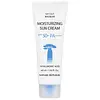 Key Ingredients
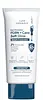
Benefits
Concerns
Ingredients Side-by-side
Water
Skin ConditioningDibutyl Adipate
EmollientC12-15 Alkyl Benzoate
AntimicrobialOctocrylene
UV Absorber



Propanediol
Solvent

Ethylhexyl Triazone
UV Absorber
Glycerin
Humectant
Polymethylsilsesquioxane

Alcohol Denat.
Antimicrobial


Methylene Bis-Benzotriazolyl Tetramethylbutylphenol
UV Filter
Ocimum Basilicum Leaf Extract
Skin ConditioningHyaluronic Acid
Humectant

Hydrolyzed Hyaluronic Acid
Humectant
Sodium Hyaluronate
Humectant
Vinyldimethicone
1,2-Hexanediol
Skin Conditioning
Bis-Ethylhexyloxyphenol Methoxyphenyl Triazine
UV Absorber
Pentylene Glycol
Skin Conditioning
Acrylates/C12-22 Alkyl Methacrylate Copolymer
Cetearyl Olivate

Dimethyl Capramide
Emulsion StabilisingTromethamine
BufferingBis-Diglyceryl Polyacyladipate-2
Emollient
Hydroxyacetophenone
Antioxidant
Sorbitan Olivate
Emulsifying
C20-22 Alkyl Phosphate
EmulsifyingDecyl Glucoside
Cleansing
Hydroxyethylcellulose
Emulsion StabilisingAcrylates/C10-30 Alkyl Acrylate Crosspolymer
Emulsion StabilisingArginine
Masking
Coco-Glucoside
Cleansing
Polyacrylate Crosspolymer-6
Emulsion StabilisingSodium Stearoyl Glutamate
CleansingCaprylic/Capric Triglyceride
Masking
Disodium Lauryl Sulfosuccinate
CleansingButylene Glycol
Humectant
Hydrogenated Lecithin
Emulsifying
Ceramide NP
Skin Conditioning

Ethylhexylglycerin
Skin ConditioningCarbomer
Emulsion StabilisingC20-22 Alcohols
Emulsion Stabilising
Xanthan Gum
EmulsifyingParfum
Masking

Water, Dibutyl Adipate, C12-15 Alkyl Benzoate, Octocrylene, Propanediol, Ethylhexyl Triazone, Glycerin, Polymethylsilsesquioxane, Alcohol Denat., Methylene Bis-Benzotriazolyl Tetramethylbutylphenol, Ocimum Basilicum Leaf Extract, Hyaluronic Acid, Hydrolyzed Hyaluronic Acid, Sodium Hyaluronate, Vinyldimethicone, 1,2-Hexanediol, Bis-Ethylhexyloxyphenol Methoxyphenyl Triazine, Pentylene Glycol, Acrylates/C12-22 Alkyl Methacrylate Copolymer, Cetearyl Olivate, Dimethyl Capramide, Tromethamine, Bis-Diglyceryl Polyacyladipate-2, Hydroxyacetophenone, Sorbitan Olivate, C20-22 Alkyl Phosphate, Decyl Glucoside, Hydroxyethylcellulose, Acrylates/C10-30 Alkyl Acrylate Crosspolymer, Arginine, Coco-Glucoside, Polyacrylate Crosspolymer-6, Sodium Stearoyl Glutamate, Caprylic/Capric Triglyceride, Disodium Lauryl Sulfosuccinate, Butylene Glycol, Hydrogenated Lecithin, Ceramide NP, Ethylhexylglycerin, Carbomer, C20-22 Alcohols, Xanthan Gum, Parfum
Water
Skin ConditioningDibutyl Adipate
EmollientCoco-Caprylate/Caprate
Emollient
Butylene Glycol
Humectant
Ethylhexyl Triazone
UV Absorber
Bis-Ethylhexyloxyphenol Methoxyphenyl Triazine
UV Absorber
Diethylamino Hydroxybenzoyl Hexyl Benzoate
UV Filter
Methylene Bis-Benzotriazolyl Tetramethylbutylphenol
UV Filter
Niacinamide
Smoothing






Polyglyceryl-3 Methylglucose Distearate
Emulsifying
Isotridecyl Isononanoate
EmollientBehenyl Alcohol
Emollient
Diisostearyl Malate
EmollientPhenoxyethanol
Preservative
Polyglyceryl-10 Pentastearate
Skin Conditioning
Propanediol
Solvent
Acrylates/C10-30 Alkyl Acrylate Crosspolymer
Emulsion StabilisingDecyl Glucoside
Cleansing
Adipic Acid/Diglycol Crosspolymer
Silica
Abrasive
Propylene Carbonate
SolventSodium Stearoyl Lactylate
EmulsifyingAminomethyl Propanol
BufferingPolyacrylate Crosspolymer-6
Emulsion StabilisingCaprylhydroxamic Acid
ChelatingAcacia Senegal Gum
MaskingXanthan Gum
EmulsifyingO-Cymen-5-Ol
Antimicrobial
Trisodium Ethylenediamine Disuccinate
ChelatingPropylene Glycol
Humectant
Sodium DNA
Skin Conditioning
Ceramide NP
Skin Conditioning
Cholesterol
Emollient
Phospholipids
Skin Conditioning
Phytosphingosine
Skin Conditioning
Ceramide Ag
Humectant
Ceramide AP
Skin Conditioning
Ceramide EOP
Skin Conditioning
Ceramide Ng
Skin Conditioning
Panthenol
Skin Conditioning
Saccharide Isomerate
Humectant
Glycerin
Humectant
1,2-Hexanediol
Skin Conditioning
Tocopherol
Antioxidant
Octyldodecanol
Emollient
Hydrolyzed Collagen
Emollient
Hydrogenated Lecithin
Emulsifying
Oryza Sativa Bran Oil
Emollient
Disodium EDTA
ChelatingTocotrienols
Skin Conditioning
Polyglyceryl-10 Dioleate
Emulsifying
Citric Acid
Buffering
Sodium Citrate
BufferingWater, Dibutyl Adipate, Coco-Caprylate/Caprate, Butylene Glycol, Ethylhexyl Triazone, Bis-Ethylhexyloxyphenol Methoxyphenyl Triazine, Diethylamino Hydroxybenzoyl Hexyl Benzoate, Methylene Bis-Benzotriazolyl Tetramethylbutylphenol, Niacinamide, Polyglyceryl-3 Methylglucose Distearate, Isotridecyl Isononanoate, Behenyl Alcohol, Diisostearyl Malate, Phenoxyethanol, Polyglyceryl-10 Pentastearate, Propanediol, Acrylates/C10-30 Alkyl Acrylate Crosspolymer, Decyl Glucoside, Adipic Acid/Diglycol Crosspolymer, Silica, Propylene Carbonate, Sodium Stearoyl Lactylate, Aminomethyl Propanol, Polyacrylate Crosspolymer-6, Caprylhydroxamic Acid, Acacia Senegal Gum, Xanthan Gum, O-Cymen-5-Ol, Trisodium Ethylenediamine Disuccinate, Propylene Glycol, Sodium DNA, Ceramide NP, Cholesterol, Phospholipids, Phytosphingosine, Ceramide Ag, Ceramide AP, Ceramide EOP, Ceramide Ng, Panthenol, Saccharide Isomerate, Glycerin, 1,2-Hexanediol, Tocopherol, Octyldodecanol, Hydrolyzed Collagen, Hydrogenated Lecithin, Oryza Sativa Bran Oil, Disodium EDTA, Tocotrienols, Polyglyceryl-10 Dioleate, Citric Acid, Sodium Citrate
Reviews
Ingredients Explained
These ingredients are found in both products.
Ingredients higher up in an ingredient list are typically present in a larger amount.
1,2-Hexanediol is a synthetic liquid and another multi-functional powerhouse.
It is a:
- Humectant, drawing moisture into the skin
- Emollient, helping to soften skin
- Solvent, dispersing and stabilizing formulas
- Preservative booster, enhancing the antimicrobial activity of other preservatives
Acrylates/C10-30 Alkyl Acrylate Crosspolymer is a synthetic polymer. It is used to thicken, emulsify, and improve the texture of products.
As an emulsifier, it helps stabilize oil-in-water emulsions to give products an elegant feel when applied.
It can also form a thin protective film on skin. One study found that a formula using this polymer helped slow down how quickly other ingredients (like DEET) were absorbed through skin.
A 2024 study of over 1,300 patients confirmed that sensitization to this ingredient is rare. It is also non-mutagenic and has a clean track record.
Learn more about Acrylates/C10-30 Alkyl Acrylate CrosspolymerThis ingredient is better known as bemotrizinol or Tinosorb S and is one of the best broad-spectrum UV filters in modern sunscreen.
It works by absorbing UV light across a whole range (280-400 nm) with peaks around 310 nm (UVB) and 340-345 nm (UVA). This means it covers UVB plus the deeper UVA wavelengths that drive photoaging and pigmentation.
Another pro?
It's exceptionally photostable, barely degrades in sunlight, and acts as a "bodyguard" for less stable filters.
That's why you'll see it paired with avobenzone or octinoxate; this team up ensures they keep working through sun exposure.
Safety reviews have been reassuring across the board. This ingredient shows low absorption through the skin, rarely irritates, and lab studies found it doesn't act like a hormone in the body (a concern that's been raised about some older sunscreen filters).
On maximum concentrations:
In 2026, the US F.D.A finally added it as an OTC sunscreen ingredient at concentrations up to 6% for adults / children 6 months and older
Learn more about Bis-Ethylhexyloxyphenol Methoxyphenyl TriazineButylene Glycol (or BG) is used within cosmetic products for a few different reasons:
Overall, Butylene Glycol is a safe and well-rounded ingredient that works well with other ingredients.
Though this ingredient works well with most skin types, some people with sensitive skin may experience a reaction such as allergic rashes, closed comedones, or itchiness.
Learn more about Butylene GlycolCeramide NP (formerly known as Ceramide 3) is one of the skin's naturally occurring lipids.
Since ceramides are the major lipid components of the skin, they are crucial for maintaining skin barrier and hydration. Ceramide NP most closely mirrors the dominant kind in human skin amongst ceramide subtypes.
This ceramide works by slotting into gaps within the stratum corneum's lipid matrix to limit trans-epidermal water loss (TEWL) and shield the skin against external irritants.
A study with 312 patients found that using a ceramide-containing routine for 4 weeks reduced the severity of atopic dermatitis by over 61%.
Another clinical study in subjects aged 60 and older found that a ceramide body wash and moisturizer improved skin dryness and itchy skin in 15 days.
Overall, ceramides are considered non-irritating and safety tests have found little to no observable adverse effects from using this ingredient.
Ceramide NP is usually sourced from plants (like soybean or rice bran), or produced synthetically.
Learn more about Ceramide NPDecyl Glucoside is a plant-derived surfactant and emulsion stabilizer. It is created by reacting glucose with the fatty acids from plants.
Like all surfactants, it works by lowering the surface tension between water and oil. This makes it so that dirt, sebum, and makeup can be lifted off your skin and rinsed away. It also produces a dense and creamy foam.
Because it has a neutral charge, it is compatible with a wide range of ingredients and stays stable across a broad pH range/water hardiness conditions.
Patch testing has shown it to have the lowest irritation potential among common cleansing surfactants (like SLS).
Typical use levels range from 5-20% in rinse-off cleansers.
One thing worth knowing: The American Contact Dermatitis Society named the parent family, alkyl glucosides, "Allergen of the Year" in 2017. The prevalence of allergy is pretty low but be sure to patch test if you've reacted to "gentle" or sulfate-free cleansers before.
This ingredient is fungal acne safe because the fatty alcohol portion of this ingredient is not within the C11-24 chain length that Malassezia can metabolize.
Learn more about Decyl GlucosideDibutyl Adipate is a lightweight, oil-soluble ester that acts as an emollient and solvent. It helps products spread more easily and leaves a soft, silky, dry-touch finish without being greasy.
You'll likely see this ingredient in sunscreens because it does a nice job dissolving UV filters and keeping them evenly distributed.
This ingredient has been found to be safe as used in cosmetics, wasn't a skin or eye irritant in clinical patch testing, and wasn't phototoxic.
In a clinical comedogenicity test, this ingredient tested negative so it isn't likely to clog pores.
Typical use levels are about 5-8% for sunscreens + nail products, but can range from 0.005%-8% depending on the product.
Learn more about Dibutyl AdipateEthylhexyl Triazone (aka Octyl Triazone) is an oil-soluble organic UVB filter. It has peak absorption around 314 nm, right in the middle of the UVB range.
This ingredient is described as one of the most effective UVB filters available and small concentrations are enough to deliver a high SPF thanks to its strong UV absorbing power.
Formulators love it for its stability; its ability to filter UV stays practically unchanged even under intense radiation and it can also help boost the photostability of less stable filters like avobenzone.
It's also a great pick for water resistant products because it's insoluble in water and has a good affinity for keratin.
Because it's a big, heavy molecule, the European Scientific Committee has found to to have very low dermal penetration and negative results for allergenicity.
In vitro testing also showed a low absorption rate and clean results on irritation.
Typical use levels are 1-5% with 5% being the maximum in the EU, Japan, and other markets that allow it. However, this ingredient is not approved yet in the US or Canada.
Learn more about Ethylhexyl TriazoneGlycerin (or glycerol) is a compound naturally found in your skin. It's a powerhouse humectant that pulls water into the stratum corneum.
Topically, glycerin does several things at once:
Your skin makes glycerin on its own (mostly from sebaceous oil breakdown) and shuttles it to your outermost layer of skin, or your epidermis, via aquaporin-3.
Aquaporin-3 is a transporter that is essential for normal skin hydration, elasticity, and repair. Interestingly, mice lacking in AQP3 have dry and less elastic skin that can be fully corrected with glycerin.
This ingredient is non-irritating, plays well with almost every ingredient, and works across all skin types. Typical use is anywhere between 3-10% but can go up to 79% in some leave-on products.
Just know very high concentrations (>40%) can feel tacky in low humidity.
Glycerin is the name for this ingredient in American English. British English uses Glycerol/Glycerine.
Learn more about GlycerinHydrogenated Lecithin is a more stable version of lecithin.
It's made by taking lecithin (a phospholipid commonly found in soybeans and egg yolks) and hydrogenating it. This just means the unsaturated fatty acids are turned into saturated ones so they don't go bad as easily.
This ingredient is an emollient, emulsifier, and penetration enhancer. As an emollient, it helps soften and hydrate skin by trapping moisture within. As an emulsifier, it prevents oil and water ingredients from separating.
Hydrogenated Lecithin can form tiny spherical structures made of phospholipid bilayers called liposomes. These liposomes are able to capture compounds inside their structure and deliver them through the skin barrier.
Because phospholipids are a natural component of our cell membranes, this ingredient is inherently compatible with skin.
A 2021 study found lecithin-based surfactants were less harsh and more tolerable comared to Sodium Lauryl Sulfate (SLS).
Learn more about Hydrogenated LecithinThis ingredient is also known as Tinosorb M or Bisoctrizole and is a bit of an overachiever in the sunscreen world.
It's a hybrid broad-spectrum filter that covers UVA and UVB (~280-400nm) with peak absorption around 305nm for UVB or 360nm for UVA (and a tiny bit in blue-light territory as well).
One of its best party tricks is photostability; it doesn't break down with repeated sun exposure and doesn't generate free radicals in the process either. You'll also see it paired with wobbly filters like avobenzone because it helps stabilize them.
The safety profile is assuring as well. Because it's a large molecule, it doesn't easily absorb into skin and rarely causes irritation.
It's approved in the EU, Asia, and Australia up to 10% and most formulas land somewhere in the 2-10% range.
You won't find it as a sunscreen active in the US, but it can make an appearance as a formula-protecting UV-absorber.
Learn more about Methylene Bis-Benzotriazolyl TetramethylbutylphenolPolyacrylate Crosspolymer-6 is a texture enhancer and pH adjuster.
It is be used to thicken water-based products and create a gel-texture with a velvet feel.
One manufacturer claims this ingredient to have a pH range of 2-8 and to be biodegradable.
This ingredient is also known as Sepimax Zen.
Learn more about Polyacrylate Crosspolymer-6Propanediol is an all-star ingredient. It softens, hydrates, and smooths the skin.
It’s often used to:
Propanediol is not likely to cause sensitivity and considered safe to use. It is derived from corn or petroleum with a clear color and no scent.
Learn more about PropanediolWater. It's the most common cosmetic ingredient of all. You'll usually see it at the top of ingredient lists, meaning that it makes up the largest part of the product.
So why is it so popular? Water most often acts as a solvent - this means that it helps dissolve other ingredients into the formulation.
You'll also recognize water as that liquid we all need to stay alive. If you see this, drink a glass of water. Remember to stay hydrated!
Learn more about WaterXanthan gum is used as a stabilizer and thickener within cosmetic products. It helps give products a sticky, thick feeling - preventing them from being too runny.
On the technical side of things, xanthan gum is a polysaccharide - a combination consisting of multiple sugar molecules bonded together.
Xanthan gum is a pretty common and great ingredient. It is a natural, non-toxic, non-irritating ingredient that is also commonly used in food products.
Learn more about Xanthan Gum

