This anti-aging essence is formulated around Niacinamide to soften the look of wrinkles and brighten dull-looking skin.
This anti-aging essence is formulated around Tranexamic Acid and Ascorbic Acid to soften the look of wrinkles and fade the look of dark spots.

What's inside
What's inside
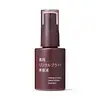 Key Ingredients
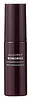
Benefits
Concerns
Ingredients Side-by-side
Niacinamide
Smoothing











Yeast Extract
Skin ConditioningGlycerin
Humectant
Diglycerin
Humectant
Propanediol
Solvent
Olea Europaea Fruit Oil
Masking





Butylene Glycol
Humectant
Pentylene Glycol
Skin Conditioning
Dimethicone
Emollient
Coco-Glucoside
Cleansing
Alcohol
Antimicrobial


Behenyl Alcohol
Emollient
Simmondsia Chinensis Seed Oil
Emollient
Morus Alba Extract
AstringentAvena Sativa Kernel Extract
Abrasive

Rose Extract
Skin ConditioningLavandula Angustifolia Extract
Skin Conditioning
Citrus Limon Fruit Extract
Masking
Artemisia Absinthium Extract
Skin ConditioningRosmarinus Officinalis Leaf Extract
AntimicrobialLaminaria Digitata Extract
Skin Protecting
Ceramide NP
Skin Conditioning
Alanine
Masking
Arginine
Masking
Sodium Lauroyl Glutamate
SurfactantProline
Skin Conditioning
Sodium Hyaluronate
Humectant
Ethylhexylglycerin
Skin ConditioningDipentaerythrityl Tri-Polyhydroxystearate
Emollient
Niacinamide, Yeast Extract, Glycerin, Diglycerin, Propanediol, Olea Europaea Fruit Oil, Butylene Glycol, Pentylene Glycol, Dimethicone, Coco-Glucoside, Alcohol, Behenyl Alcohol, Simmondsia Chinensis Seed Oil, Morus Alba Extract, Avena Sativa Kernel Extract, Rose Extract, Lavandula Angustifolia Extract, Citrus Limon Fruit Extract, Artemisia Absinthium Extract, Rosmarinus Officinalis Leaf Extract, Laminaria Digitata Extract, Ceramide NP, Alanine, Arginine, Sodium Lauroyl Glutamate, Proline, Sodium Hyaluronate, Ethylhexylglycerin, Dipentaerythrityl Tri-Polyhydroxystearate
Tranexamic Acid
Astringent
Ascorbic Acid
Antioxidant
Ascorbyl Glucoside
Antioxidant
Water
Skin ConditioningGlycerin
Humectant
Dipropylene Glycol
HumectantButyrospermum Parkii Butter
Skin Conditioning
Methacryloyloxyethyl Phosphorylcholine
Behenyl Methacrylate/T-Butyl Methacrylate Copolymer
Dimethicone
Emollient
Pentylene Glycol
Skin Conditioning
Isopropyl Myristate
Emollient
Olea Europaea Fruit Oil
Masking
Octyldodecyl Myristate
EmollientBehenyl Alcohol
Emollient
Glyceryl Stearate
Emollient
Glycosyl Trehalose
Emulsion StabilisingHydrogenated Starch Hydrolysate
HumectantDimethicone Crosspolymer
Emulsion Stabilising
Glycerylamidoethyl Methacrylate/Stearyl Methacrylate Copolymer
HumectantAcrylates/Stearyl Methacrylate Copolymer
Emulsion StabilisingSodium Acetylated Hyaluronate
Humectant
Hydrolyzed Hyaluronic Acid
Humectant
Sodium Hyaluronate
Humectant
Soluble Collagen
Humectant
Collagen Powder
Humectant
Camellia Sasanqua Extract
Arnica Montana Extract
Skin ConditioningPueraria Lobata Root Extract
HumectantMorus Alba Extract
AstringentPaeonia Officinalis Flower Extract
TonicRose Extract
Skin ConditioningSalvia Officinalis Extract
Antimicrobial
Citrus Junos Fruit Extract
Skin ConditioningCoix Lacryma-Jobi Ma-Yuen Seed Extract
Skin ConditioningArtemisia Vulgaris Extract
Skin Conditioning
Citrus Limon Fruit Extract
Masking
Simmondsia Chinensis Seed Oil
Emollient
Squalane
Emollient
Beeswax
Emulsion Stabilising
Methyl Gluceth-10
EmulsifyingEthylhexylglycerin
Skin ConditioningButylene Glycol
Humectant
Acrylates/C10-30 Alkyl Acrylate Crosspolymer
Emulsion StabilisingXanthan Gum
EmulsifyingPolysorbate 60
Emulsifying
PEG-100 Stearate
Surfactant
Hexyldeceth-2
EmulsifyingTocopherol
Antioxidant
Disodium EDTA
ChelatingPotassium Hydroxide
BufferingCitric Acid
Buffering
Sodium Citrate
BufferingPhenoxyethanol
Preservative
Parfum
Masking
Tranexamic Acid, Ascorbic Acid, Ascorbyl Glucoside, Water, Glycerin, Dipropylene Glycol, Butyrospermum Parkii Butter, Methacryloyloxyethyl Phosphorylcholine, Behenyl Methacrylate/T-Butyl Methacrylate Copolymer, Dimethicone, Pentylene Glycol, Isopropyl Myristate, Olea Europaea Fruit Oil, Octyldodecyl Myristate, Behenyl Alcohol, Glyceryl Stearate, Glycosyl Trehalose, Hydrogenated Starch Hydrolysate, Dimethicone Crosspolymer, Glycerylamidoethyl Methacrylate/Stearyl Methacrylate Copolymer, Acrylates/Stearyl Methacrylate Copolymer, Sodium Acetylated Hyaluronate, Hydrolyzed Hyaluronic Acid, Sodium Hyaluronate, Soluble Collagen, Collagen Powder, Camellia Sasanqua Extract, Arnica Montana Extract, Pueraria Lobata Root Extract, Morus Alba Extract, Paeonia Officinalis Flower Extract, Rose Extract, Salvia Officinalis Extract, Citrus Junos Fruit Extract, Coix Lacryma-Jobi Ma-Yuen Seed Extract, Artemisia Vulgaris Extract, Citrus Limon Fruit Extract, Simmondsia Chinensis Seed Oil, Squalane, Beeswax, Methyl Gluceth-10, Ethylhexylglycerin, Butylene Glycol, Acrylates/C10-30 Alkyl Acrylate Crosspolymer, Xanthan Gum, Polysorbate 60, PEG-100 Stearate, Hexyldeceth-2, Tocopherol, Disodium EDTA, Potassium Hydroxide, Citric Acid, Sodium Citrate, Phenoxyethanol, Parfum
Ingredients Explained
These ingredients are found in both products.
Ingredients higher up in an ingredient list are typically present in a larger amount.
Behenyl Alcohol is a type of fatty alcohol (these are different from the drying, solvent alcohols).
Fatty Alcohols have hydrating properties and are most often used as an emollient or to thicken a product. They are usually derived from natural fats and oils; behenyl alcohol is derived from the fats of vegetable oils.
Emollients help keep your skin soft and hydrated by creating a film that traps moisture in.
In 2000, Behenyl Alcohol was approved by the US as medicine to reduce the duration of cold sores.
Learn more about Behenyl AlcoholButylene Glycol (or BG) is used within cosmetic products for a few different reasons:
Overall, Butylene Glycol is a safe and well-rounded ingredient that works well with other ingredients.
Though this ingredient works well with most skin types, some people with sensitive skin may experience a reaction such as allergic rashes, closed comedones, or itchiness.
Learn more about Butylene GlycolCitrus Limon Fruit Extract comes from lemons. While lemon extract is exfoliating and antimicrobial, it can also cause skin sensitivity.
Lemons contains antioxidants, which may help with anti-aging. They are also rich in citric acid, an AHA.
And of course, lemons are rich in Vitamin C. Vitamin C helps with skin-brightening and increasing collagen production.
The acidity of lemons may work as an astringent for acne.
However, lemons can also cause skin sensitivity due to its limonene content. It can also increase photosensitivity, or sensitivity to the sun.
This ingredient is also used to add a lemon scent to products.
Learn more about Citrus Limon Fruit ExtractDimethicone is a type of synthetic silicone created from natural materials such as quartz. It is also known as polydimethylsiloxane.
What it does:
Dimethicone comes in different viscosities:
Depending on the viscosity, dimethicone has different properties.
Ingredients lists don't always show which type is used, so we recommend reaching out to the brand if you have questions about the viscosity.
This ingredient is unlikely to cause irritation because it does not get absorbed into skin. However, people with silicone allergies should be careful about using this ingredient.
Note: Dimethicone may contribute to pilling. This is because it is not oil or water soluble, so pilling may occur when layered with products. When mixed with heavy oils in a formula, the outcome is also quite greasy.
Learn more about DimethiconeEthylhexylglycerin is created from glycerin. It is a multitasker ingredient that:
The CIR Expert Panel found minimal skin absorption or sensitization of any kind in a safety assessment. Though this ingredient is considered well-tolerated, a small number of cases of allergic dermatitis have been published since 2002. Just be sure to patch test if you are unsure.
Industry-reported use ranges from 8% in rinse-off products and 2% in leave-on formulations.
Learn more about EthylhexylglycerinGlycerin (or glycerol) is a compound naturally found in your skin. It's a powerhouse humectant that pulls water into the stratum corneum.
Topically, glycerin does several things at once:
Your skin makes glycerin on its own (mostly from sebaceous oil breakdown) and shuttles it to your outermost layer of skin, or your epidermis, via aquaporin-3.
Aquaporin-3 is a transporter that is essential for normal skin hydration, elasticity, and repair. Interestingly, mice lacking in AQP3 have dry and less elastic skin that can be fully corrected with glycerin.
This ingredient is non-irritating, plays well with almost every ingredient, and works across all skin types. Typical use is anywhere between 3-10% but can go up to 79% in some leave-on products.
Just know very high concentrations (>40%) can feel tacky in low humidity.
Glycerin is the name for this ingredient in American English. British English uses Glycerol/Glycerine.
Learn more about GlycerinWe don't have a description for Morus Alba Extract yet.
This ingredient is also known as olive oil. It has been used in skincare for centuries and science largely backs up its reputation as a nourishing emollient.
The main components of olive oil are oleic acid (55-83%), linoleic acid (3.5-20%), and palmitic acid (7-20%). Oleic acid promotes skin regeneration and helps regulate inflammatory responses.
Squalene is also naturally present in olive oil and exhibits moisturizing and antioxidant properties.
The polyphenols in olive oil also show anti-aging promise; one clinical study found a measurable improvement in skin appearance after 30 days of topical serum use.
Just be aware that applying olive oil directly to skin can weaken the barrier and cause redness. One study with volunteers found even people without sensitive skin experienced a significant reduction in stratum corneum integrity and induced mild erythema.
It's best to use this ingredient as part of a carefully crafted formula (instead of putting it on skin directly from the bottle).
Because it has a 0-2 on the comedogenic scale, it is low risk for acne-prone skin. Just remember the overall formulation of a product matters more than a few ingredients with comedogenic ratings.
This ingredient may not be fungal acne safe because of the oleic and palmitic acid content. These fall within the C11-24 fatty acid range that the Malassezia yeast can metabolize to grow.
Overall, olive oil is a well-studied and nourishing skincare ingredient.
Learn more about Olea Europaea Fruit OilPentylene Glycol (1,2-pentanediol) is a multitasking little diol with three main roles in a formula:
Research on alkanediols (the family pentylene glycol belongs to) show they work by disrupting microbial cell membranes. This disruption helps the primary preservative system in a product work more effectively at lower doses.
On the safety side, the Cosmetic Ingredient Review Expert Panel has concluded this ingredient to be safe as used in current cosmetic practices + concentrations.
Typical use levels in a formula run about 1-5%.
Learn more about Pentylene GlycolRose extract comes from various species of the Rosa genus. It has skin conditioning and antioxidant properties due to its polyphenol, flavonoid, and phenolic acid content.
Rosa damascena, Rosa centifolia, and Rosa gallica.
Just keep in mind that rose extracts contain known fragrance allergens like citronellol, geraniol, linalool, and limonene.
Learn more about Rose ExtractJojoba oil is one of the most well-studied plant-derived ingredients in cosmetics. It is an emollient with a special structure.
Because it is made up of 97-98% wax esters, it closely mirrors the linear monoesters found in human sebum. This makes it skin compatible, non-greasy, and lightweight.
Unlike other plant oils, jojoba wax doesn't easily penetrate skin. It mostly works in the uppermost layers as an emollient. This just means it forms a light barrier on the skin to help retain moisture.
Formulations with jojoba esters up to 90% reduced transepidermal water loss (TEWL) and increased barrier recovery by 81% (outperforming bisabolol at 47%).
Besides barrier support, the science also suggests jojoba to have anti-inflammatory effects and potential applications for skin infections, aging, and wound healing.
Fun fact: Indigenous cultures have used jojoba as a moisturizer and to help treat burns for centuries.
Fungal acne: The Malassezia yeast is known to metabolize fatty acids in the C11-24 range and jojoba's dominant fatty acid components fall into this range. This ingredient may not be fungal acne safe.
Learn more about Simmondsia Chinensis Seed OilSodium Hyaluronate is the salt form of hyaluronic acid. It is a long sugar chain that is naturally found in your skin, joints, and connective tissue that maintains hydration and elasticity.
In skincare, it works as a humectant. It pulls water from the environment and deeper layers of skin and binds it to the surface.
Interestingly, the size of the molecule affects its behavior:
Some clinical evidence links low molecular weight versions to improved wrinkle depth, elasticity, anti-inflammatory effects, and barrier repair.
Many serums use a blend of both weights so you can get surface hydration plus longer-lasting and deeper effects.
You'll typically see concentrations between 0.1-2% for this ingredient.
Learn more about Sodium Hyaluronate

