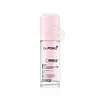
This brightening serum is formulated around Niacinamide and Arbutin to fade the look of dark spots and brighten dull-looking skin.
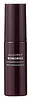
This anti-aging essence is formulated around Tranexamic Acid and Ascorbic Acid to soften the look of wrinkles and fade the look of dark spots.


What's inside
What's inside
 Key Ingredients
Benefits
Concerns
Ingredients Side-by-side
Water
Skin ConditioningHydroxyethyl Urea
Humectant
Niacinamide
Smoothing











Glycerin
Humectant
Biosaccharide Gum-1
Humectant
Hydroxyethylcellulose
Emulsion StabilisingHydroxypropyl Guar
Emulsion StabilisingBis-Ethoxydiglycol Cyclohexane 1,4-Dicarboxylate
EmollientGluconobacter/Honey Ferment Filtrate
Skin ConditioningSilanediol Salicylate
EmollientHyaluronic Acid/Polyisopropylacrylamide Copolymer
Humectant
Butylene Glycol
Humectant
Saccharide Isomerate
Humectant
Glycine Soja Seed Extract
Skin Conditioning
Arbutin
Antioxidant

Acetyl Tyrosine
Skin ConditioningSaxifraga Sarmentosa Extract
Skin ConditioningPaeonia Suffruticosa Root Extract
Skin ProtectingAminopropyl Ascorbyl Phosphate
Antioxidant
Scutellaria Baicalensis Root Extract
Astringent
Glutathione
Hydroxyacetophenone
Antioxidant
Caprylyl Glycol
Emollient
Dipropylene Glycol
HumectantDipotassium Glycyrrhizate
Humectant
Sodium Acrylate/Sodium Acryloyldimethyl Taurate Copolymer
Emulsion StabilisingIsohexadecane
EmollientPolysorbate 80
Emulsifying

Polylysine
Allantoin
Skin Conditioning
Glycogen
HumectantSodium Hyaluronate
Humectant
Linolenic Acid
Cleansing

Lactic Acid/Glycolic Acid Copolymer
Skin ConditioningPolyvinyl Alcohol
Sodium Ascorbyl Phosphate
Antioxidant
Palmitoyl Sh-Tripeptide-5 Norisoleucyl Sh-Nonapeptide-1
Skin Conditioning
Phenoxyethanol
Preservative
Gluconolactone
Chelating
Water, Hydroxyethyl Urea, Niacinamide, Glycerin, Biosaccharide Gum-1, Hydroxyethylcellulose, Hydroxypropyl Guar, Bis-Ethoxydiglycol Cyclohexane 1,4-Dicarboxylate, Gluconobacter/Honey Ferment Filtrate, Silanediol Salicylate, Hyaluronic Acid/Polyisopropylacrylamide Copolymer, Butylene Glycol, Saccharide Isomerate, Glycine Soja Seed Extract, Arbutin, Acetyl Tyrosine, Saxifraga Sarmentosa Extract, Paeonia Suffruticosa Root Extract, Aminopropyl Ascorbyl Phosphate, Scutellaria Baicalensis Root Extract, Glutathione, Hydroxyacetophenone, Caprylyl Glycol, Dipropylene Glycol, Dipotassium Glycyrrhizate, Sodium Acrylate/Sodium Acryloyldimethyl Taurate Copolymer, Isohexadecane, Polysorbate 80, Polylysine, Allantoin, Glycogen, Sodium Hyaluronate, Linolenic Acid, Lactic Acid/Glycolic Acid Copolymer, Polyvinyl Alcohol, Sodium Ascorbyl Phosphate, Palmitoyl Sh-Tripeptide-5 Norisoleucyl Sh-Nonapeptide-1, Phenoxyethanol, Gluconolactone
Tranexamic Acid
Astringent
Ascorbic Acid
Antioxidant
Ascorbyl Glucoside
Antioxidant
Water
Skin ConditioningGlycerin
Humectant
Dipropylene Glycol
HumectantButyrospermum Parkii Butter
Skin Conditioning


Methacryloyloxyethyl Phosphorylcholine
Behenyl Methacrylate/T-Butyl Methacrylate Copolymer
Dimethicone
Emollient
Pentylene Glycol
Skin Conditioning
Isopropyl Myristate
Emollient
Olea Europaea Fruit Oil
Masking
Octyldodecyl Myristate
EmollientBehenyl Alcohol
Emollient
Glyceryl Stearate
Emollient
Glycosyl Trehalose
Emulsion StabilisingHydrogenated Starch Hydrolysate
HumectantDimethicone Crosspolymer
Emulsion Stabilising
Glycerylamidoethyl Methacrylate/Stearyl Methacrylate Copolymer
HumectantAcrylates/Stearyl Methacrylate Copolymer
Emulsion StabilisingSodium Acetylated Hyaluronate
Humectant
Hydrolyzed Hyaluronic Acid
Humectant
Sodium Hyaluronate
Humectant
Soluble Collagen
Humectant
Collagen Powder
Humectant
Camellia Sasanqua Extract
Arnica Montana Extract
Skin ConditioningPueraria Lobata Root Extract
HumectantMorus Alba Extract
AstringentPaeonia Officinalis Flower Extract
TonicRose Extract
Skin ConditioningSalvia Officinalis Extract
Antimicrobial
Citrus Junos Fruit Extract
Skin ConditioningCoix Lacryma-Jobi Ma-Yuen Seed Extract
Skin ConditioningArtemisia Vulgaris Extract
Skin Conditioning
Citrus Limon Fruit Extract
Masking
Simmondsia Chinensis Seed Oil
Emollient
Squalane
Emollient
Beeswax
Emulsion Stabilising
Methyl Gluceth-10
EmulsifyingEthylhexylglycerin
Skin ConditioningButylene Glycol
Humectant
Acrylates/C10-30 Alkyl Acrylate Crosspolymer
Emulsion StabilisingXanthan Gum
EmulsifyingPolysorbate 60
Emulsifying
PEG-100 Stearate
Surfactant
Hexyldeceth-2
EmulsifyingTocopherol
Antioxidant
Disodium EDTA
ChelatingPotassium Hydroxide
BufferingCitric Acid
Buffering
Sodium Citrate
BufferingPhenoxyethanol
Preservative
Parfum
Masking
Tranexamic Acid, Ascorbic Acid, Ascorbyl Glucoside, Water, Glycerin, Dipropylene Glycol, Butyrospermum Parkii Butter, Methacryloyloxyethyl Phosphorylcholine, Behenyl Methacrylate/T-Butyl Methacrylate Copolymer, Dimethicone, Pentylene Glycol, Isopropyl Myristate, Olea Europaea Fruit Oil, Octyldodecyl Myristate, Behenyl Alcohol, Glyceryl Stearate, Glycosyl Trehalose, Hydrogenated Starch Hydrolysate, Dimethicone Crosspolymer, Glycerylamidoethyl Methacrylate/Stearyl Methacrylate Copolymer, Acrylates/Stearyl Methacrylate Copolymer, Sodium Acetylated Hyaluronate, Hydrolyzed Hyaluronic Acid, Sodium Hyaluronate, Soluble Collagen, Collagen Powder, Camellia Sasanqua Extract, Arnica Montana Extract, Pueraria Lobata Root Extract, Morus Alba Extract, Paeonia Officinalis Flower Extract, Rose Extract, Salvia Officinalis Extract, Citrus Junos Fruit Extract, Coix Lacryma-Jobi Ma-Yuen Seed Extract, Artemisia Vulgaris Extract, Citrus Limon Fruit Extract, Simmondsia Chinensis Seed Oil, Squalane, Beeswax, Methyl Gluceth-10, Ethylhexylglycerin, Butylene Glycol, Acrylates/C10-30 Alkyl Acrylate Crosspolymer, Xanthan Gum, Polysorbate 60, PEG-100 Stearate, Hexyldeceth-2, Tocopherol, Disodium EDTA, Potassium Hydroxide, Citric Acid, Sodium Citrate, Phenoxyethanol, Parfum
Ingredients Explained
These ingredients are found in both products.
Ingredients higher up in an ingredient list are typically present in a larger amount.
Butylene Glycol (or BG) is used within cosmetic products for a few different reasons:
Overall, Butylene Glycol is a safe and well-rounded ingredient that works well with other ingredients.
Though this ingredient works well with most skin types, some people with sensitive skin may experience a reaction such as allergic rashes, closed comedones, or itchiness.
Learn more about Butylene GlycolDipropylene Glycol is a synthetically created humectant, stabilizer, and solvent.
This ingredient helps:
Dipropylene glycol is technically an alcohol, but it belongs to the glycol family (often considered part of the ‘good’ alcohols). This means it is hydrating and gentle on skin unlike drying solvent alcohols like denatured alcohol.
As a masking agent, Dipropylene Glycol can be used to cover the smell of other ingredients. However, it does not have a scent.
Studies show Dipropylene Glycol is considered safe to use in skincare.
Learn more about Dipropylene GlycolGlycerin (or glycerol) is a compound naturally found in your skin. It's a powerhouse humectant that pulls water into the stratum corneum.
Topically, glycerin does several things at once:
Your skin makes glycerin on its own (mostly from sebaceous oil breakdown) and shuttles it to your outermost layer of skin, or your epidermis, via aquaporin-3.
Aquaporin-3 is a transporter that is essential for normal skin hydration, elasticity, and repair. Interestingly, mice lacking in AQP3 have dry and less elastic skin that can be fully corrected with glycerin.
This ingredient is non-irritating, plays well with almost every ingredient, and works across all skin types. Typical use is anywhere between 3-10% but can go up to 79% in some leave-on products.
Just know very high concentrations (>40%) can feel tacky in low humidity.
Glycerin is the name for this ingredient in American English. British English uses Glycerol/Glycerine.
Learn more about GlycerinPhenoxyethanol is one of the most widely used preservatives in skincare (and for good reason!).
It has a large spectrum of antimicrobial activity and especially effective bacteria, yeast, and mold while only having a weak effect on your skin's natural microbiome.
On a cellular level, it disrupts the cell membranes of microbes by poking holes that make the cell leak. This shuts down the chemical reactions the microbe needs to make energy so it can no longer survive.
Another perk of this ingredient is that it stays functional across a wide pH range (3-10).
You'll often see it paired with boosters like Ethylhexylglycerin; one study showed that a 1:9 ratio of Ethylhexylglycerin to Phenoxyethanol damages bacterial membranes as effectively as doubling the Phenoxyethanol concentration on its own.
Typical use concentrations range from 0.3-1% depending on the formula, and this ingredient is capped at 1% int the EU.
Safety-wise, the fear mongering does not hold up to the evidence. The EU's Scientific Committee on Consumer Safety and FDA consider it safe as a preservative at up to 1%, including for children of all ages.
Adverse systemic effects only showed up in animal studies at exposures roughly 200x higher than what people get from cosmetics. And despite its very widespread use, this ingredient is a rare sensitizer and allergic reactions are uncommon.
Learn more about PhenoxyethanolSodium Hyaluronate is the salt form of hyaluronic acid. It is a long sugar chain that is naturally found in your skin, joints, and connective tissue that maintains hydration and elasticity.
In skincare, it works as a humectant. It pulls water from the environment and deeper layers of skin and binds it to the surface.
Interestingly, the size of the molecule affects its behavior:
Some clinical evidence links low molecular weight versions to improved wrinkle depth, elasticity, anti-inflammatory effects, and barrier repair.
Many serums use a blend of both weights so you can get surface hydration plus longer-lasting and deeper effects.
You'll typically see concentrations between 0.1-2% for this ingredient.
Learn more about Sodium HyaluronateWater. It's the most common cosmetic ingredient of all. You'll usually see it at the top of ingredient lists, meaning that it makes up the largest part of the product.
So why is it so popular? Water most often acts as a solvent - this means that it helps dissolve other ingredients into the formulation.
You'll also recognize water as that liquid we all need to stay alive. If you see this, drink a glass of water. Remember to stay hydrated!
Learn more about Water

