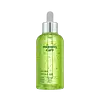
This pore-care ampoule is formulated around Niacinamide and Lactobionic Acid to refine the look of pores and refine skin texture.
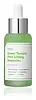
This pore-care ampoule is formulated around Niacinamide and Adenosine to refine the look of pores and soften the look of wrinkles.

What's inside
What's inside
 Key Ingredients
Benefits
Concerns
Ingredients Side-by-side
Water
Skin ConditioningDipropylene Glycol
HumectantPropanediol
Solvent

Butylene Glycol
Humectant
Niacinamide
Smoothing










Caprylic/Capric Triglyceride
Masking
Caulerpa Lentillifera Extract


Rosa Damascena Flower Extract
Masking
Citrus Reticulata Fruit Extract
Skin ProtectingEugenia Caryophyllus Flower Extract
AstringentMentha Piperita Extract
CleansingGlycerin
Humectant
Benzyl Glycol
SolventAmmonium Acryloyldimethyltaurate/Vp Copolymer
Acrylates/Vp Copolymer
C12-13 Pareth-9
Emulsifying1,2-Hexanediol
Skin Conditioning
Centella Asiatica Extract
Cleansing
Aristotelia Chilensis Fruit Extract
Skin ConditioningScutellaria Baicalensis Root Extract
Astringent
Rosa Canina Fruit Extract
Astringent
Vaccinium Angustifolium Fruit Extract
Skin Protecting
Mangifera Indica Fruit Extract
Skin ConditioningEthylhexylglycerin
Skin ConditioningAdenosine
Skin Conditioning
Sodium Hyaluronate
Humectant
Vaccinium Macrocarpon Fruit Extract
AstringentPhyllanthus Emblica Fruit Extract
HumectantEuterpe Oleracea Fruit Extract
Citrus Limon Fruit Extract
Masking
Lactobionic Acid
Buffering
Trehalose
Humectant
Houttuynia Cordata Extract
Skin Conditioning
Milk Protein
Skin ConditioningChamomilla Recutita Extract
Skin Conditioning
Angelica Archangelica Extract
Skin ConditioningCamellia Sinensis Leaf Extract
Antimicrobial
Propolis Extract
Skin Conditioning
Lonicera Caprifolium Flower Extract
Perfuming
Saposhnikovia Divaricata Root Extract
AntimicrobialSaponaria Officinalis Leaf/Root Extract
Skin ConditioningDioscorea Villosa Root Extract
Skin Conditioning
Caprylyl Glycol
Emollient
Coccinia Indica Fruit Extract
Skin Conditioning
Dromiceius Oil
Emollient
Solanum Melongena Fruit Extract
Skin ConditioningHelianthus Annuus Seed Oil
Emollient

Glycyrrhiza Glabra Root Extract
Bleaching
Ocimum Sanctum Leaf Extract
Skin ConditioningCentella Asiatica Oil
Antimicrobial
Water, Dipropylene Glycol, Propanediol, Butylene Glycol, Niacinamide, Caprylic/Capric Triglyceride, Caulerpa Lentillifera Extract, Rosa Damascena Flower Extract, Citrus Reticulata Fruit Extract, Eugenia Caryophyllus Flower Extract, Mentha Piperita Extract, Glycerin, Benzyl Glycol, Ammonium Acryloyldimethyltaurate/Vp Copolymer, Acrylates/Vp Copolymer, C12-13 Pareth-9, 1,2-Hexanediol, Centella Asiatica Extract, Aristotelia Chilensis Fruit Extract, Scutellaria Baicalensis Root Extract, Rosa Canina Fruit Extract, Vaccinium Angustifolium Fruit Extract, Mangifera Indica Fruit Extract, Ethylhexylglycerin, Adenosine, Sodium Hyaluronate, Vaccinium Macrocarpon Fruit Extract, Phyllanthus Emblica Fruit Extract, Euterpe Oleracea Fruit Extract, Citrus Limon Fruit Extract, Lactobionic Acid, Trehalose, Houttuynia Cordata Extract, Milk Protein, Chamomilla Recutita Extract, Angelica Archangelica Extract, Camellia Sinensis Leaf Extract, Propolis Extract, Lonicera Caprifolium Flower Extract, Saposhnikovia Divaricata Root Extract, Saponaria Officinalis Leaf/Root Extract, Dioscorea Villosa Root Extract, Caprylyl Glycol, Coccinia Indica Fruit Extract, Dromiceius Oil, Solanum Melongena Fruit Extract, Helianthus Annuus Seed Oil, Glycyrrhiza Glabra Root Extract, Ocimum Sanctum Leaf Extract, Centella Asiatica Oil
Water
Skin ConditioningButylene Glycol
Humectant
Glycerin
Humectant
Xylitol
Humectant
1,2-Hexanediol
Skin Conditioning
Dipropylene Glycol
HumectantNiacinamide
Smoothing
Alcohol
Antimicrobial

Trehalose
Humectant
Xanthan Gum
EmulsifyingC12-13 Pareth-9
EmulsifyingCarbomer
Emulsion StabilisingDipotassium Glycyrrhizate
Humectant
Tromethamine
BufferingAllantoin
Skin Conditioning
Polymethylsilsesquioxane

Sodium Citrate
BufferingEthylhexylglycerin
Skin ConditioningAdenosine
Skin Conditioning
Melia Azadirachta Leaf Extract
Skin ConditioningMelia Azadirachta Flower Extract
Skin ConditioningStyrene/Acrylates Copolymer
Disodium EDTA
ChelatingSolanum Lycopersicum Fruit Extract
Antioxidant
Gluconolactone
Chelating
Hydrolyzed Collagen
Emollient
Panthenol
Skin Conditioning
Coccinia Indica Fruit Extract
Skin Conditioning
Amber Powder
Solanum Melongena Fruit Extract
Skin ConditioningCurcuma Longa Root Extract
Antioxidant
Ocimum Sanctum Leaf Extract
Skin ConditioningCorallina Officinalis Extract
Skin Conditioning
Moringa Oleifera Seed Oil
Emollient
Sodium Hyaluronate
Humectant
Hydrogenated Lecithin
Emulsifying
Hyaluronic Acid
Humectant
Hydrogenated Polyisobutene
EmollientHydrolyzed Hyaluronic Acid
Humectant
Hydroxypropyltrimonium Hyaluronate
Sodium Hyaluronate Crosspolymer
Humectant
Benzyl Glycol
SolventCeramide NP
Skin Conditioning
Tocopherol
Antioxidant
Bellis Perennis Flower Extract
Skin ConditioningOenothera Biennis Flower Extract
AstringentPinus Palustris Leaf Extract
TonicPueraria Lobata Root Extract
HumectantUlmus Davidiana Root Extract
Skin Conditioning
Phenethyl Alcohol
MaskingRaspberry Ketone
Masking
Sodium Chloride
MaskingAnemarrhena Asphodeloides Root Extract
Skin Conditioning
Disodium Phosphate
BufferingPotassium Chloride
Potassium Phosphate
BufferingMethyldihydrojasmonate
MaskingEthyl Linalool
Masking
Ethylene Brassylate
MaskingLinalyl Acetate
Masking
Eucalyptol
Perfuming
2-T-Butylcyclohexyl Acetate
Masking
Methylenedioxyphenyl Methylpropanal
Perfuming
Hexenyl Acetate
Masking
2,4-Dimethyl-3-Cyclohexene Carboxaldehyde
Masking
3-Hexenol
Masking
Water, Butylene Glycol, Glycerin, Xylitol, 1,2-Hexanediol, Dipropylene Glycol, Niacinamide, Alcohol, Trehalose, Xanthan Gum, C12-13 Pareth-9, Carbomer, Dipotassium Glycyrrhizate, Tromethamine, Allantoin, Polymethylsilsesquioxane, Sodium Citrate, Ethylhexylglycerin, Adenosine, Melia Azadirachta Leaf Extract, Melia Azadirachta Flower Extract, Styrene/Acrylates Copolymer, Disodium EDTA, Solanum Lycopersicum Fruit Extract, Gluconolactone, Hydrolyzed Collagen, Panthenol, Coccinia Indica Fruit Extract, Amber Powder, Solanum Melongena Fruit Extract, Curcuma Longa Root Extract, Ocimum Sanctum Leaf Extract, Corallina Officinalis Extract, Moringa Oleifera Seed Oil, Sodium Hyaluronate, Hydrogenated Lecithin, Hyaluronic Acid, Hydrogenated Polyisobutene, Hydrolyzed Hyaluronic Acid, Hydroxypropyltrimonium Hyaluronate, Sodium Hyaluronate Crosspolymer, Benzyl Glycol, Ceramide NP, Tocopherol, Bellis Perennis Flower Extract, Oenothera Biennis Flower Extract, Pinus Palustris Leaf Extract, Pueraria Lobata Root Extract, Ulmus Davidiana Root Extract, Phenethyl Alcohol, Raspberry Ketone, Sodium Chloride, Anemarrhena Asphodeloides Root Extract, Disodium Phosphate, Potassium Chloride, Potassium Phosphate, Methyldihydrojasmonate, Ethyl Linalool, Ethylene Brassylate, Linalyl Acetate, Eucalyptol, 2-T-Butylcyclohexyl Acetate, Methylenedioxyphenyl Methylpropanal, Hexenyl Acetate, 2,4-Dimethyl-3-Cyclohexene Carboxaldehyde, 3-Hexenol
Reviews
Ingredients Explained
These ingredients are found in both products.
Ingredients higher up in an ingredient list are typically present in a larger amount.
1,2-Hexanediol is a synthetic liquid and another multi-functional powerhouse.
It is a:
- Humectant, drawing moisture into the skin
- Emollient, helping to soften skin
- Solvent, dispersing and stabilizing formulas
- Preservative booster, enhancing the antimicrobial activity of other preservatives
Adenosine is a purine nucleoside that your body already makes in every cell. In skincare, it acts mainly as a skin conditioning and anti-aging agent.
The way it works is fairly well mapped out:
Your skin has cells called fibroblasts that build collagen (the stuff that keeps skin firm and smooth). Adenosine basically flips a switch on these cells that tells them to get to work making more collagen and other proteins. These cells slow down on their own as skin ages, so Adenosine helps give them a little nudge to keep going.
The clinical backing is pretty solid too.
A blind, randomized, placebo-controlled trial of 126 women aged 45-65 tested a 0.1% cream twice daily and found real improvements in crow's feet and frown lines using a precise 3D skin-mapping technique; these changes showed up by week 3 and held at 2 months.
A later study using Adenosine-loaded dissolving microneedle patches reported gains in wrinkle depth, dermal density, elasticity, and hydration.
On concentrations, South Korea's Ministry of Food and Drug Safety has set 0.04% as the approved functional anti-wrinkle level. You'll typically see this ingredient used somewhere in the 0.04-0.1% range since it works at low doses.
This ingredient has been found safe for cosmetics with the data showing no irritation or sensitization.
Overall, this is a great ingredient for any anti-aging routine and has no photosensitizing effect, so it suits both AM and PM use.
Learn more about AdenosineWe don't have a description for Benzyl Glycol yet.
Butylene Glycol (or BG) is used within cosmetic products for a few different reasons:
Overall, Butylene Glycol is a safe and well-rounded ingredient that works well with other ingredients.
Though this ingredient works well with most skin types, some people with sensitive skin may experience a reaction such as allergic rashes, closed comedones, or itchiness.
Learn more about Butylene GlycolWe don't have a description for C12-13 Pareth-9 yet.
Coccinia Indica Fruit Extract is also known as Ivy Gourd Fruit Extract. It has skin conditioning properties.
The fruit is rich in flavonoids, phenolic acids, terpenoids, and sterols that show antioxidant and anti-inflammatory effect in vitro. This is because the fruit contains a thick mucilage that forms a protective and soothing layer on the skin's surface.
The extract itself has demonstrated antioxidant, soothing, and potential anti-allergy properties.
Most of this research is done in vitro and dedicated clinical studies on topical application are still limited.
Learn more about Coccinia Indica Fruit ExtractDipropylene Glycol is a synthetically created humectant, stabilizer, and solvent.
This ingredient helps:
Dipropylene glycol is technically an alcohol, but it belongs to the glycol family (often considered part of the ‘good’ alcohols). This means it is hydrating and gentle on skin unlike drying solvent alcohols like denatured alcohol.
As a masking agent, Dipropylene Glycol can be used to cover the smell of other ingredients. However, it does not have a scent.
Studies show Dipropylene Glycol is considered safe to use in skincare.
Learn more about Dipropylene GlycolEthylhexylglycerin is created from glycerin. It is a multitasker ingredient that:
The CIR Expert Panel found minimal skin absorption or sensitization of any kind in a safety assessment. Though this ingredient is considered well-tolerated, a small number of cases of allergic dermatitis have been published since 2002. Just be sure to patch test if you are unsure.
Industry-reported use ranges from 8% in rinse-off products and 2% in leave-on formulations.
Learn more about EthylhexylglycerinGlycerin (or glycerol) is a compound naturally found in your skin. It's a powerhouse humectant that pulls water into the stratum corneum.
Topically, glycerin does several things at once:
Your skin makes glycerin on its own (mostly from sebaceous oil breakdown) and shuttles it to your outermost layer of skin, or your epidermis, via aquaporin-3.
Aquaporin-3 is a transporter that is essential for normal skin hydration, elasticity, and repair. Interestingly, mice lacking in AQP3 have dry and less elastic skin that can be fully corrected with glycerin.
This ingredient is non-irritating, plays well with almost every ingredient, and works across all skin types. Typical use is anywhere between 3-10% but can go up to 79% in some leave-on products.
Just know very high concentrations (>40%) can feel tacky in low humidity.
Glycerin is the name for this ingredient in American English. British English uses Glycerol/Glycerine.
Learn more about GlycerinNiacinamide is a multitasking form of vitamin B3 that strengthens the skin barrier, reduces pores and dark spots, regulates oil, and improves signs of aging.
And the best part? It's gentle and well-tolerated by most skin types, including sensitive and reactive skin.
You might have heard of "niacin flush", or the reddening of skin that causes itchiness. Niacinamide has not been found to cause this.
In very rare cases, some individuals may not be able to tolerate niacinamide at all or experience an allergic reaction to it.
If you are experiencing flaking, irritation, and dryness with this ingredient, be sure to double check all your products as this ingredient can be found in all categories of skincare.
When incorporating niacinamide into your routine, look out for concentration amounts. Typically, 5% niacinamide provides benefits such as fading dark spots. However, if you have sensitive skin, it is better to begin with a smaller concentration.
When you apply niacinamide to your skin, your body converts it into nicotinamide adenine dinucleotide (NAD). NAD is an essential coenzyme that is already found in your cells as "fuel" and powers countless biological processes.
In your skin, NAD helps repair cell damage, produce new healthy cells, support collagen production, strengthen the skin barrier, and fight environmental stressors (like UV and pollution).
Our natural NAD levels start to decline with age, leading to slower skin repair, visible aging, and a weaker skin barrier. By providing your skin niacinamide, you're recharging your skin's NAD levels. This leads to stronger, healthier, and younger looking skin.
Another name for vitamin B3 is nicotinamide. This vitamin is water-soluble and our bodies don't store it. We obtain Vitamin B3 from either food or skincare. Meat, fish, wheat, yeast, and leafy greens contain vitamin B3.
The type of niacinamide used in skincare is synthetically created.
Learn more about NiacinamideOcimum Sanctum Leaf Extract comes from the Holy Basil plant. Holy Basil is native to India.
Holy Basil is rich in antioxidants due to its high romarinic acid, ferulic acid, and rutin content. This gives it skin brightening and soothing properties.
While Holy Basil has many claims to help fight acne, more research is needed.
One thing to note is the presence of tannins; tannins are naturally found in nature. However, this compound may be skin-sensitizing.
Learn more about Ocimum Sanctum Leaf ExtractSodium Hyaluronate is the salt form of hyaluronic acid. It is a long sugar chain that is naturally found in your skin, joints, and connective tissue that maintains hydration and elasticity.
In skincare, it works as a humectant. It pulls water from the environment and deeper layers of skin and binds it to the surface.
Interestingly, the size of the molecule affects its behavior:
Some clinical evidence links low molecular weight versions to improved wrinkle depth, elasticity, anti-inflammatory effects, and barrier repair.
Many serums use a blend of both weights so you can get surface hydration plus longer-lasting and deeper effects.
You'll typically see concentrations between 0.1-2% for this ingredient.
Learn more about Sodium HyaluronateThis ingredient comes from eggplant (or aubergine). It has skin conditioning properties due to its abundance of antioxidants like Chlorogenic Acid, Caffeic Acid, and Nasunin.
Nasunin is the pigment concentrated in the purple peel and has demonstrated the abilityu to neutralize free radicals and bind excess iron in lab studies.
Lab studies have shown that eggplant extracts can lower oxidative stress and protect skin cell membranes from damage. A 2025 study found that specific compounds in eggplant (particularly a phenolamide called N-Trans-Feruloylputrescine) may support skin health by neutralizing 2-nonenal, a byproduct linked to aging skin.
Overall, this is a gentle, well-tolerated ingredient that adds a little extra antioxidant support to your routine.
Those with nighshade vegetable allergies (tomatoes, peppers, potatoes) should patch test as eggplant is part of the same family.
Learn more about Solanum Melongena Fruit ExtractTrehalose is a disaccharide made of two glucose molecules (glucose is sugar!). Trehalose is used to help moisturize skin. It also has antioxidant properties.
As a humectant, trehalose helps draw moisture from the air to your skin. This helps keep your skin hydrated.
Due to its antioxidant properties, trehalose may help with signs of aging. Antioxidants help fight free-radical molecules, unstable molecules that may damage your skin.
In medicine, trehalose and hyaluronic acid are used to help treat dry eyes.
Some animals, plants, and bacteria create trehalose as a source of energy to survive freeze or lack of water.
Learn more about TrehaloseWater. It's the most common cosmetic ingredient of all. You'll usually see it at the top of ingredient lists, meaning that it makes up the largest part of the product.
So why is it so popular? Water most often acts as a solvent - this means that it helps dissolve other ingredients into the formulation.
You'll also recognize water as that liquid we all need to stay alive. If you see this, drink a glass of water. Remember to stay hydrated!
Learn more about Water

