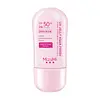
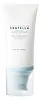
MizuMi UV Jelly Aqua Fresh SPF 50+ Versus SKIN1004 Madagascar Centella Hyalu-Cica Water-Fit Sun Serum SPF50+ PA++++
This hybrid sunscreen covers the full UV range and blocks ~98% of UVB at SPF 50.
This chemical sunscreen covers the full UV range and blocks ~98% of UVB at SPF 50.


What's inside
What's inside
 Key Ingredients
Benefits
Concerns
Ingredients Side-by-side
Water
Skin ConditioningButylene Glycol
Humectant

Ethylhexyl Salicylate
UV Absorber

Ethylhexyl Triazone
UV Absorber
Diethylamino Hydroxybenzoyl Hexyl Benzoate
UV Filter
Neopentyl Glycol Diheptanoate
EmollientBis-Ethylhexyloxyphenol Methoxyphenyl Triazine
UV Absorber
Isododecane
EmollientPEG-20 Glyceryl Triisostearate
Emollient

Diisopropyl Adipate
EmollientPropylene Glycol Dicaprylate/Dicaprate
EmollientCaprylyl Methicone
Skin Conditioning
Silica
Abrasive


Propanediol
Solvent
C12-15 Alkyl Benzoate
AntimicrobialDiisopropyl Sebacate
EmollientCyclopentasiloxane
Emollient
Titanium Dioxide
Cosmetic Colorant
Lauroyl Lysine
Skin Conditioning
Aluminum Starch Octenylsuccinate
Absorbent
Sorbitan Sesquiisostearate
Emulsifying
Acrylates/Beheneth-25 Methacrylate Copolymer
Methylene Bis-Benzotriazolyl Tetramethylbutylphenol
UV Filter
PPG-8-Ceteth-20
EmulsifyingMethylpropanediol
SolventSaccharomyces Ferment
Skin Conditioning
Caprylic/Capric Triglyceride
Masking
Caprylyl Glycol
Emollient
Stearyl Glycyrrhetinate
Skin ConditioningMaltodextrin
Absorbent
Tocopheryl Acetate
Antioxidant


Polyquaternium-80
CleansingOctocrylene
UV Absorber

Decyl Glucoside
Cleansing
Pistacia Lentiscus Gum
MaskingDisodium EDTA
ChelatingHydrogenated Lecithin
Emulsifying
Didecyldimonium Chloride
EmulsifyingButyl Methoxydibenzoylmethane
UV Absorber
Aloe Barbadensis Leaf Water
MaskingPhenethyl Alcohol
MaskingPolysilicone-14
Tremella Fuciformis Polysaccharide
Emulsion Stabilising
Caesalpinia Spinosa Fruit Extract
Skin ProtectingAlteromonas Ferment Extract
Skin Conditioning
Propylene Glycol
Humectant
3-Laurylglyceryl Ascorbate
Antioxidant
Ethylhexylglycerin
Skin ConditioningXanthan Gum
EmulsifyingHelianthus Annuus Sprout Extract
Skin ConditioningRosa Roxburghii Fruit Extract
TonicCamellia Sinensis Leaf Extract
Antimicrobial
Water, Butylene Glycol, Ethylhexyl Salicylate, Ethylhexyl Triazone, Diethylamino Hydroxybenzoyl Hexyl Benzoate, Neopentyl Glycol Diheptanoate, Bis-Ethylhexyloxyphenol Methoxyphenyl Triazine, Isododecane, PEG-20 Glyceryl Triisostearate, Diisopropyl Adipate, Propylene Glycol Dicaprylate/Dicaprate, Caprylyl Methicone, Silica, Propanediol, C12-15 Alkyl Benzoate, Diisopropyl Sebacate, Cyclopentasiloxane, Titanium Dioxide, Lauroyl Lysine, Aluminum Starch Octenylsuccinate, Sorbitan Sesquiisostearate, Acrylates/Beheneth-25 Methacrylate Copolymer, Methylene Bis-Benzotriazolyl Tetramethylbutylphenol, PPG-8-Ceteth-20, Methylpropanediol, Saccharomyces Ferment, Caprylic/Capric Triglyceride, Caprylyl Glycol, Stearyl Glycyrrhetinate, Maltodextrin, Tocopheryl Acetate, Polyquaternium-80, Octocrylene, Decyl Glucoside, Pistacia Lentiscus Gum, Disodium EDTA, Hydrogenated Lecithin, Didecyldimonium Chloride, Butyl Methoxydibenzoylmethane, Aloe Barbadensis Leaf Water, Phenethyl Alcohol, Polysilicone-14, Tremella Fuciformis Polysaccharide, Caesalpinia Spinosa Fruit Extract, Alteromonas Ferment Extract, Propylene Glycol, 3-Laurylglyceryl Ascorbate, Ethylhexylglycerin, Xanthan Gum, Helianthus Annuus Sprout Extract, Rosa Roxburghii Fruit Extract, Camellia Sinensis Leaf Extract
Water
Skin ConditioningDibutyl Adipate
EmollientPropanediol
Solvent
Diethylamino Hydroxybenzoyl Hexyl Benzoate
UV Filter
Polymethylsilsesquioxane
Ethylhexyl Triazone
UV Absorber
Methylene Bis-Benzotriazolyl Tetramethylbutylphenol
UV Filter
Niacinamide
Smoothing




Coco-Caprylate/Caprate
Emollient
Caprylyl Methicone
Skin Conditioning
Diethylhexyl Butamido Triazone
UV Absorber
Glycerin
Humectant
1,2-Hexanediol
Skin Conditioning
Butylene Glycol
Humectant
Pentylene Glycol
Skin Conditioning
Behenyl Alcohol
Emollient
Poly C10-30 Alkyl Acrylate
Emulsion StabilisingPolyglyceryl-3 Methylglucose Distearate
Emulsifying
Decyl Glucoside
Cleansing
Tromethamine
BufferingCarbomer
Emulsion StabilisingAcrylates/C10-30 Alkyl Acrylate Crosspolymer
Emulsion StabilisingSodium Stearoyl Glutamate
CleansingPolyacrylate Crosspolymer-6
Emulsion StabilisingEthylhexylglycerin
Skin ConditioningAdenosine
Skin Conditioning
Xanthan Gum
EmulsifyingCentella Asiatica Extract
Cleansing
T-Butyl Alcohol
Perfuming



Sodium Hyaluronate
Humectant
Betula Platyphylla Japonica Bark Extract
Skin ConditioningTocopherol
Antioxidant
Hydrolyzed Hyaluronic Acid
Humectant
Camellia Sinensis Leaf Extract
Antimicrobial
Ginkgo Biloba Leaf Extract
Skin Conditioning
Brassica Oleracea Italica Sprout Extract
EmollientCamellia Japonica Leaf Extract
Skin ConditioningEruca Sativa Leaf Extract
Skin ConditioningMedicago Sativa Extract
TonicTriticum Vulgare Sprout Extract
Skin ConditioningInositol
Humectant
Hyaluronic Acid
Humectant
Water, Dibutyl Adipate, Propanediol, Diethylamino Hydroxybenzoyl Hexyl Benzoate, Polymethylsilsesquioxane, Ethylhexyl Triazone, Methylene Bis-Benzotriazolyl Tetramethylbutylphenol, Niacinamide, Coco-Caprylate/Caprate, Caprylyl Methicone, Diethylhexyl Butamido Triazone, Glycerin, 1,2-Hexanediol, Butylene Glycol, Pentylene Glycol, Behenyl Alcohol, Poly C10-30 Alkyl Acrylate, Polyglyceryl-3 Methylglucose Distearate, Decyl Glucoside, Tromethamine, Carbomer, Acrylates/C10-30 Alkyl Acrylate Crosspolymer, Sodium Stearoyl Glutamate, Polyacrylate Crosspolymer-6, Ethylhexylglycerin, Adenosine, Xanthan Gum, Centella Asiatica Extract, T-Butyl Alcohol, Sodium Hyaluronate, Betula Platyphylla Japonica Bark Extract, Tocopherol, Hydrolyzed Hyaluronic Acid, Camellia Sinensis Leaf Extract, Ginkgo Biloba Leaf Extract, Brassica Oleracea Italica Sprout Extract, Camellia Japonica Leaf Extract, Eruca Sativa Leaf Extract, Medicago Sativa Extract, Triticum Vulgare Sprout Extract, Inositol, Hyaluronic Acid
Reviews
Ingredients Explained
These ingredients are found in both products.
Ingredients higher up in an ingredient list are typically present in a larger amount.
Butylene Glycol (or BG) is used within cosmetic products for a few different reasons:
Overall, Butylene Glycol is a safe and well-rounded ingredient that works well with other ingredients.
Though this ingredient works well with most skin types, some people with sensitive skin may experience a reaction such as allergic rashes, closed comedones, or itchiness.
Learn more about Butylene GlycolCamellia Sinensis Leaf Extract (tea extract) is one of the most well-researched plant extracts in skincare with an impressive resume.
Black tea, green tea, and oolong tea are all harvested from the Camellia Sinensis plant.
Studies show green tea extract and its catechins (like epigallocatechin gallate (EGCG)) help your skin cells product energy more efficiently and reducing the number of free-radicals that can damage your skin from the inside.
In lab-grown skin models, this translated to younger, healthier, and stronger skin.
There's also good sun protection data; researchers saw less DNA damage and redness on human skin when green tea was applied before UVB exposure. And the more they applied, the better the protection.
Needless to say, this ingredient shouldn't replace your sunscreen. But it is a great supportive ingredient that you can already find in many sunscreens and antioxidant serums.
A 2009 study found a 2% green tea lotion was effective for mild-to-moderate acne thanks to its anti-inflammatory and mild antimicrobial activity.
The quality of the extract matters a lot here:
Good extracts contain 50-90% catechins while lower quality ones are mostly there for marketing. We recommend reaching out to the brand if you have questions about the quality or source of their ingredients.
Human Repeated Insult Patch Testing showed no irritation or sensitization at use concentrations (0.86% in leave-on products and up to 30% as leaf water).
Learn more about Camellia Sinensis Leaf ExtractCaprylyl Methicone is a synthetic and lightweight silicone fluid. It gives products a silky, dry-touch finish without the heaviness of pure oils.
Though the EU CosIng Database lists this ingredient as a skin conditioner, it is also used for sensory reasons. It spreads easily, cuts greasiness, and reduces tackiness.
This ingredient is volatile which means it will mostly evaporate (but it evaporates slower than older cyclomethicones, like Cyclotetrasiloxane).
Typical concentration ranges from 1-30% depending on if it's being used to tweak the feel of a product or acting as the main emollient.
Learn more about Caprylyl MethiconeDecyl Glucoside is a plant-derived surfactant and emulsion stabilizer. It is created by reacting glucose with the fatty acids from plants.
Like all surfactants, it works by lowering the surface tension between water and oil. This makes it so that dirt, sebum, and makeup can be lifted off your skin and rinsed away. It also produces a dense and creamy foam.
Because it has a neutral charge, it is compatible with a wide range of ingredients and stays stable across a broad pH range/water hardiness conditions.
Patch testing has shown it to have the lowest irritation potential among common cleansing surfactants (like SLS).
Typical use levels range from 5-20% in rinse-off cleansers.
One thing worth knowing: The American Contact Dermatitis Society named the parent family, alkyl glucosides, "Allergen of the Year" in 2017. The prevalence of allergy is pretty low but be sure to patch test if you've reacted to "gentle" or sulfate-free cleansers before.
This ingredient is fungal acne safe because the fatty alcohol portion of this ingredient is not within the C11-24 chain length that Malassezia can metabolize.
Learn more about Decyl GlucosideDiethylamino Hydroxybenzoyl Hexyl Benzoate (DHHB) is a chemical UV-A absorber. It is formulated for high UVA protection (320-400 nm).
DHHB is well-liked for:
DHHB has been approved by the EU, Japan, Taiwan, and South America for use up to 10%. Unfortunately, it has not been approved for use in the US or Canada due to slow regulatory processes.
This ingredient is soluble in oils, fats, and lipids.
Learn more about Diethylamino Hydroxybenzoyl Hexyl BenzoateEthylhexyl Triazone (aka Octyl Triazone) is an oil-soluble organic UVB filter. It has peak absorption around 314 nm, right in the middle of the UVB range.
This ingredient is described as one of the most effective UVB filters available and small concentrations are enough to deliver a high SPF thanks to its strong UV absorbing power.
Formulators love it for its stability; its ability to filter UV stays practically unchanged even under intense radiation and it can also help boost the photostability of less stable filters like avobenzone.
It's also a great pick for water resistant products because it's insoluble in water and has a good affinity for keratin.
Because it's a big, heavy molecule, the European Scientific Committee has found to to have very low dermal penetration and negative results for allergenicity.
In vitro testing also showed a low absorption rate and clean results on irritation.
Typical use levels are 1-5% with 5% being the maximum in the EU, Japan, and other markets that allow it. However, this ingredient is not approved yet in the US or Canada.
Learn more about Ethylhexyl TriazoneEthylhexylglycerin is created from glycerin. It is a multitasker ingredient that:
The CIR Expert Panel found minimal skin absorption or sensitization of any kind in a safety assessment. Though this ingredient is considered well-tolerated, a small number of cases of allergic dermatitis have been published since 2002. Just be sure to patch test if you are unsure.
Industry-reported use ranges from 8% in rinse-off products and 2% in leave-on formulations.
Learn more about EthylhexylglycerinThis ingredient is also known as Tinosorb M or Bisoctrizole and is a bit of an overachiever in the sunscreen world.
It's a hybrid broad-spectrum filter that covers UVA and UVB (~280-400nm) with peak absorption around 305nm for UVB or 360nm for UVA (and a tiny bit in blue-light territory as well).
One of its best party tricks is photostability; it doesn't break down with repeated sun exposure and doesn't generate free radicals in the process either. You'll also see it paired with wobbly filters like avobenzone because it helps stabilize them.
The safety profile is assuring as well. Because it's a large molecule, it doesn't easily absorb into skin and rarely causes irritation.
It's approved in the EU, Asia, and Australia up to 10% and most formulas land somewhere in the 2-10% range.
You won't find it as a sunscreen active in the US, but it can make an appearance as a formula-protecting UV-absorber.
Learn more about Methylene Bis-Benzotriazolyl TetramethylbutylphenolPropanediol is an all-star ingredient. It softens, hydrates, and smooths the skin.
It’s often used to:
Propanediol is not likely to cause sensitivity and considered safe to use. It is derived from corn or petroleum with a clear color and no scent.
Learn more about PropanediolWater. It's the most common cosmetic ingredient of all. You'll usually see it at the top of ingredient lists, meaning that it makes up the largest part of the product.
So why is it so popular? Water most often acts as a solvent - this means that it helps dissolve other ingredients into the formulation.
You'll also recognize water as that liquid we all need to stay alive. If you see this, drink a glass of water. Remember to stay hydrated!
Learn more about WaterXanthan gum is used as a stabilizer and thickener within cosmetic products. It helps give products a sticky, thick feeling - preventing them from being too runny.
On the technical side of things, xanthan gum is a polysaccharide - a combination consisting of multiple sugar molecules bonded together.
Xanthan gum is a pretty common and great ingredient. It is a natural, non-toxic, non-irritating ingredient that is also commonly used in food products.
Learn more about Xanthan Gum

