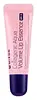
This barrier-repair lip moisturizer is formulated around Caprylic/Capric Triglyceride and Panthenol to strengthen the lip barrier and hydrate lips.
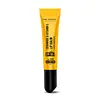
This barrier-repair lip moisturizer is formulated around Petrolatum and Ascorbyl Palmitate to strengthen the lip barrier and hydrate lips.


What's inside
What's inside
 Key Ingredients
Benefits
Concerns
Ingredients Side-by-side
Cetyl Ethylhexanoate
EmollientPolyglyceryl-2 Isostearate/Dimer Dilinoleate Copolymer
EmollientCaprylic/Capric Triglyceride
Masking


Diisostearyl Malate
EmollientPolyglyceryl-2 Triisostearate
Emulsifying

Polymethyl Methacrylate

Ethylhexyl Methoxycinnamate
UV Absorber


Dimer Dilinoleyl Diisostearate
EmollientMicrocrystalline Wax
Emulsion StabilisingSorbitan Olivate
Emulsifying
Ethylhexyl Salicylate
UV Absorber
Octyldodecyl Stearoyl Stearate
Emollient
Euphorbia Cerifera Wax
Dimer Dilinoleyl Dimer Dilinoleate
EmollientSilica Dimethyl Silylate
EmollientPolyethylene
Abrasive

Tocopherol
Antioxidant





Dehydroacetic Acid
Preservative
Water
Skin ConditioningOenothera Biennis Oil
Emollient


Camellia Japonica Seed Oil
Emollient
Limnanthes Alba Seed Oil
Skin Conditioning
Olea Europaea Fruit Oil
Masking
Vitis Vinifera Seed Oil
Emollient
Panthenol
Skin Conditioning
Butylene Glycol
Humectant
1,2-Hexanediol
Skin Conditioning
Hydrolyzed Collagen
Emollient
Cetyl Ethylhexanoate, Polyglyceryl-2 Isostearate/Dimer Dilinoleate Copolymer, Caprylic/Capric Triglyceride, Diisostearyl Malate, Polyglyceryl-2 Triisostearate, Polymethyl Methacrylate, Ethylhexyl Methoxycinnamate, Dimer Dilinoleyl Diisostearate, Microcrystalline Wax, Sorbitan Olivate, Ethylhexyl Salicylate, Octyldodecyl Stearoyl Stearate, Euphorbia Cerifera Wax, Dimer Dilinoleyl Dimer Dilinoleate, Silica Dimethyl Silylate, Polyethylene, Tocopherol, Dehydroacetic Acid, Water, Oenothera Biennis Oil, Camellia Japonica Seed Oil, Limnanthes Alba Seed Oil, Olea Europaea Fruit Oil, Vitis Vinifera Seed Oil, Panthenol, Butylene Glycol, 1,2-Hexanediol, Hydrolyzed Collagen
Hydrogenated Polyisobutene
EmollientDiisostearyl Malate
EmollientPetrolatum
Emollient
Microcrystalline Wax
Emulsion StabilisingEthylhexyl Salicylate
UV Absorber
Ethylhexyl Triazone
UV Absorber
Diethylhexyl Butamido Triazone
UV Absorber
Zinc Oxide
Cosmetic Colorant
C12-15 Alkyl Benzoate
AntimicrobialIsostearic Acid
Cleansing
Polyhydroxystearic Acid
Emulsifying
Butyrospermum Parkii Butter
Skin Conditioning
Butter
Skin Conditioning
Astrocaryum Murumuru Seed Butter
Emollient
Olea Europaea Fruit Oil
Masking
Caprylic/Capric Triglyceride
Masking
Bis-Behenyl/Isostearyl/Phytosteryl Dimer Dilinoleyl Dimer Dilinoleate
EmollientSimmondsia Chinensis Seed Oil
Emollient
Argania Spinosa Kernel Oil
Emollient
Sorbitan Olivate
Emulsifying
Ricinus Communis Seed Oil
Masking
Ethylene/Propylene/Styrene Copolymer
Euphorbia Cerifera Wax
Beeswax
Emulsion Stabilising
Squalane
Emollient
Punica Granatum Seed Oil
Emollient
Glycerin
Humectant
Butylene Glycol
Humectant
Ascorbyl Palmitate
Antioxidant
Ceramide AP
Skin Conditioning
Lauryl Laurate
Skin Conditioning
Silica Dimethyl Silylate
EmollientTocopheryl Acetate
Antioxidant
Olea Europaea Fruit Extract
BleachingOlea Europaea Leaf Extract
Perfuming
Oligopeptide-1
Skin Conditioning

Butylene/Ethylene/Styrene Copolymer
Caprylyl Methicone
Skin Conditioning
Hyaluronic Acid
Humectant
Hydrogenated Polyisobutene, Diisostearyl Malate, Petrolatum, Microcrystalline Wax, Ethylhexyl Salicylate, Ethylhexyl Triazone, Diethylhexyl Butamido Triazone, Zinc Oxide, C12-15 Alkyl Benzoate, Isostearic Acid, Polyhydroxystearic Acid, Butyrospermum Parkii Butter, Butter, Astrocaryum Murumuru Seed Butter, Olea Europaea Fruit Oil, Caprylic/Capric Triglyceride, Bis-Behenyl/Isostearyl/Phytosteryl Dimer Dilinoleyl Dimer Dilinoleate, Simmondsia Chinensis Seed Oil, Argania Spinosa Kernel Oil, Sorbitan Olivate, Ricinus Communis Seed Oil, Ethylene/Propylene/Styrene Copolymer, Euphorbia Cerifera Wax, Beeswax, Squalane, Punica Granatum Seed Oil, Glycerin, Butylene Glycol, Ascorbyl Palmitate, Ceramide AP, Lauryl Laurate, Silica Dimethyl Silylate, Tocopheryl Acetate, Olea Europaea Fruit Extract, Olea Europaea Leaf Extract, Oligopeptide-1, Butylene/Ethylene/Styrene Copolymer, Caprylyl Methicone, Hyaluronic Acid
Ingredients Explained
These ingredients are found in both products.
Ingredients higher up in an ingredient list are typically present in a larger amount.
Butylene Glycol (or BG) is used within cosmetic products for a few different reasons:
Overall, Butylene Glycol is a safe and well-rounded ingredient that works well with other ingredients.
Though this ingredient works well with most skin types, some people with sensitive skin may experience a reaction such as allergic rashes, closed comedones, or itchiness.
Learn more about Butylene GlycolCaprylic/Capric Triglyceride (aka MCT Oil) is a lightweight emollient, solvent, and texture enhancer. It is considered a skin-softener by helping to prevent moisture loss.
Though it behaves like an oil, it is not technically one due to its chemical composition. One perk of this ingredient is that it is very stable, resistant to oxidation, and unlikely to go rancid.
In practice, that translates to a long shelf life and a consistently elegant skin feel.
While there is an assumption Caprylic Triglyceride can clog pores due to it being derived from coconut oil, there is no research supporting this. Just patch test if you have concerns.
Fractionated coconut oil and MCT Oil are both listed as Caprylic/Capric Triglyceride according to INCI. This is because INCI names are based on the ingredient’s final chemical composition and not its marketing name or source.
This ingredient is treated as the gold standard fungal acne safe oil. Even though it is coconut derived, the problematic lauric acid is stripped out.
This leaves just caprylic (C8) and capric (C10) acid. These chain lengths actually trend antifungal; a 2020 study found caprylic acid was enough to disrupt Malassezia furfur cell membrane, with a caprylic acid derivative damaging membrane structures at concentrations as low as 0.2%.
Learn more about Caprylic/Capric TriglycerideDiisostearyl Malate is an emollient and most often used in lip products. It comes from isostearyl alcohol, a fatty acid, and malic acid, an AHA.
As an emollient, Diisostearyl Malate helps create a thin film on your skin to trap moisture in. This helps keep your skin soft and smooth.
Ethylhexyl Salicylate (also called Octisalate or Octyl Salicylate) is an oil-soluble organic UV filter that's been used in sunscreen since the 1950's.
It absorbs UVB light in the 280-320 nm range with a peak absorbance around 306 nm.
You'll often see it paired with other UV filters to boost overall SPF because octisalate is a fairly week filter on its own.
The reason you'll see it so often is because it can help solubilize and stabilize the trickier filters like oxybenzone and avobenzone.
Unlike these filters, octisalate has pretty good photostability and doesn't create skin-damaging free radicals when exposed to sunlight.
The fatty-alcohol part of the molecule also gives it a light, emollient feel so it doubles as a nice texture enhancer.
Usage levels vary around the world:
Safety-wise, this ingredient has a pretty reassuring track record. The EU's Scientific Committee on Consumer Products (SCCP) found very low skin penetration in human skin tests and negative results for irritation, phototoxicity, and photoallergy.
The real-world allergy risk is pretty low too; a 2012 European study of 1,031 people recorded only 2 reactions to it (a rate of 0.19%).
You might have seen scary headlines about sunscreen getting into your blood.
In 2019, the FDA found that several chemical filters can absorb through the skin and show up in the bloodstream at small but measurable levels.
Here's the important part: these tiny levels are just a cutoff the FDA uses to decide which ingredients need more testing and doesn't mean anything harmful was found.
The researchers were clear that the results are no reason to stop wearing sunscreen.
Learn more about Ethylhexyl SalicylateMicrocrystalline Wax is derived from petroleum through a de-oiling process, then highly refined and purified before use in cosmetics.
In skincare formulations, it is used to improve texture and create a smooth, even consistency. It also helps stabilize products by preventing ingredients from separating.
This ingredient is also known as olive oil. It has been used in skincare for centuries and science largely backs up its reputation as a nourishing emollient.
The main components of olive oil are oleic acid (55-83%), linoleic acid (3.5-20%), and palmitic acid (7-20%). Oleic acid promotes skin regeneration and helps regulate inflammatory responses.
Squalene is also naturally present in olive oil and exhibits moisturizing and antioxidant properties.
The polyphenols in olive oil also show anti-aging promise; one clinical study found a measurable improvement in skin appearance after 30 days of topical serum use.
Just be aware that applying olive oil directly to skin can weaken the barrier and cause redness. One study with volunteers found even people without sensitive skin experienced a significant reduction in stratum corneum integrity and induced mild erythema.
It's best to use this ingredient as part of a carefully crafted formula (instead of putting it on skin directly from the bottle).
Because it has a 0-2 on the comedogenic scale, it is low risk for acne-prone skin. Just remember the overall formulation of a product matters more than a few ingredients with comedogenic ratings.
This ingredient may not be fungal acne safe because of the oleic and palmitic acid content. These fall within the C11-24 fatty acid range that the Malassezia yeast can metabolize to grow.
Overall, olive oil is a well-studied and nourishing skincare ingredient.
Learn more about Olea Europaea Fruit OilThis silica is mainly used to thicken oils and suspend particles in oils. It is not water soluble.
According to the manufacturer, it:
The manufacturer also claims this ingredient to be useful in makeup.
In lipstick formulations, this ingredient improves color payoff, reduces pigment settling, and reduces oil bleeding. This ingredient also improves the grip of powder products such as dry shampoos.
Learn more about Silica Dimethyl SilylateSorbitan Olivate is created from the fatty acids in olive oil and sorbitol.
This ingredient is an oil in water emulsifier. It helps stabilize a product by preventing oils and waters from separating. Sorbitan Olivate also helps hydrate the skin.
This ingredient is also known as part of Olivem 1000, with Cetearyl Olivate being the other part.
According to a manufacturer, this ingredient helps preserve the natural microbiome of skin. Having a healthy microbiome helps keep our skin healthy and protects against harmful bacteria.
Please note, having a healthy microbiome is different from fungal acne; a healthy microbiome includes small amounts of yeast that normally live on your skin without causing problems.
Fungal acne happens when one type of yeast (Malassezia) grows out of control. This is usually because it's feeding on certain oils or fatty acids. Due to the olive oil base, this ingredient may not be fungal acne safe.
Learn more about Sorbitan OlivateEuphorbia Cerifera Wax (aka candelilla wax) is a vegan stand-in for beeswax. It is a plant-derived wax that functions as an astringent, emulsion stabilizer, film-former, and skin conditioner.
On skin, it forms a protective barrier that helps lock in moisture while it enhances product stability, prevents separation, and helps color last longer in makeup.
This ingredient is generally safe for use in cosmetics with one nuance: some grades of candelilla wax can naturally contain benzyl alcohol at concentrations high enough to require declaration under EU labeling rules. This isn't a concern for most people but relevant for those with fragrance sensitivities.
Candelilla wax contains fatty acids (mainly C31) and wax esters that can be used by the Malassezia yeast, so this ingredient may not be fungal acne safe.
You might see Euphorbia Cerifera "Cera" instead of "wax". This is because some brands, databases, or labels use it interchangeably; they're the same ingredient.
Learn more about Euphorbia Cerifera Wax

