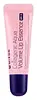
This barrier-repair lip moisturizer is formulated around Caprylic/Capric Triglyceride and Panthenol to strengthen the lip barrier and hydrate lips.
This barrier-repair lip moisturizer is formulated around Butyrospermum Parkii Butter and Hydrolyzed Hyaluronic Acid to strengthen the lip barrier and hydrate lips.


What's inside
What's inside
 Key Ingredients
Benefits
Concerns
Ingredients Side-by-side
Cetyl Ethylhexanoate
EmollientPolyglyceryl-2 Isostearate/Dimer Dilinoleate Copolymer
EmollientCaprylic/Capric Triglyceride
Masking


Diisostearyl Malate
EmollientPolyglyceryl-2 Triisostearate
Emulsifying

Polymethyl Methacrylate

Ethylhexyl Methoxycinnamate
UV Absorber


Dimer Dilinoleyl Diisostearate
EmollientMicrocrystalline Wax
Emulsion StabilisingSorbitan Olivate
Emulsifying
Ethylhexyl Salicylate
UV Absorber
Octyldodecyl Stearoyl Stearate
Emollient
Euphorbia Cerifera Wax
Dimer Dilinoleyl Dimer Dilinoleate
EmollientSilica Dimethyl Silylate
EmollientPolyethylene
Abrasive

Tocopherol
Antioxidant





Dehydroacetic Acid
Preservative
Water
Skin ConditioningOenothera Biennis Oil
Emollient


Camellia Japonica Seed Oil
Emollient
Limnanthes Alba Seed Oil
Skin Conditioning
Olea Europaea Fruit Oil
Masking
Vitis Vinifera Seed Oil
Emollient
Panthenol
Skin Conditioning
Butylene Glycol
Humectant
1,2-Hexanediol
Skin Conditioning
Hydrolyzed Collagen
Emollient
Cetyl Ethylhexanoate, Polyglyceryl-2 Isostearate/Dimer Dilinoleate Copolymer, Caprylic/Capric Triglyceride, Diisostearyl Malate, Polyglyceryl-2 Triisostearate, Polymethyl Methacrylate, Ethylhexyl Methoxycinnamate, Dimer Dilinoleyl Diisostearate, Microcrystalline Wax, Sorbitan Olivate, Ethylhexyl Salicylate, Octyldodecyl Stearoyl Stearate, Euphorbia Cerifera Wax, Dimer Dilinoleyl Dimer Dilinoleate, Silica Dimethyl Silylate, Polyethylene, Tocopherol, Dehydroacetic Acid, Water, Oenothera Biennis Oil, Camellia Japonica Seed Oil, Limnanthes Alba Seed Oil, Olea Europaea Fruit Oil, Vitis Vinifera Seed Oil, Panthenol, Butylene Glycol, 1,2-Hexanediol, Hydrolyzed Collagen
Copernicia Cerifera Wax
Euphorbia Cerifera Wax
Cocos Nucifera Oil
Masking
Butyrospermum Parkii Butter
Skin Conditioning
Ricinus Communis Seed Oil
Masking
Olea Europaea Fruit Oil
Masking
Glycine Soja Lipids
Skin ConditioningGlycerin
Humectant
Euterpe Oleracea Fruit Oil
Skin Conditioning
Kojic Dipalmitate
Emollient
Hydrolyzed Hyaluronic Acid
Humectant
Ceramide AP
Skin Conditioning
Lauryl Laurate
Skin Conditioning
Tocopheryl Acetate
Antioxidant
Ethylhexylglycerin
Skin ConditioningPhenoxyethanol
Preservative
Copernicia Cerifera Wax, Euphorbia Cerifera Wax, Cocos Nucifera Oil, Butyrospermum Parkii Butter, Ricinus Communis Seed Oil, Olea Europaea Fruit Oil, Glycine Soja Lipids, Glycerin, Euterpe Oleracea Fruit Oil, Kojic Dipalmitate, Hydrolyzed Hyaluronic Acid, Ceramide AP, Lauryl Laurate, Tocopheryl Acetate, Ethylhexylglycerin, Phenoxyethanol
Ingredients Explained
These ingredients are found in both products.
Ingredients higher up in an ingredient list are typically present in a larger amount.
This ingredient is also known as olive oil. It has been used in skincare for centuries and science largely backs up its reputation as a nourishing emollient.
The main components of olive oil are oleic acid (55-83%), linoleic acid (3.5-20%), and palmitic acid (7-20%). Oleic acid promotes skin regeneration and helps regulate inflammatory responses.
Squalene is also naturally present in olive oil and exhibits moisturizing and antioxidant properties.
The polyphenols in olive oil also show anti-aging promise; one clinical study found a measurable improvement in skin appearance after 30 days of topical serum use.
Just be aware that applying olive oil directly to skin can weaken the barrier and cause redness. One study with volunteers found even people without sensitive skin experienced a significant reduction in stratum corneum integrity and induced mild erythema.
It's best to use this ingredient as part of a carefully crafted formula (instead of putting it on skin directly from the bottle).
Because it has a 0-2 on the comedogenic scale, it is low risk for acne-prone skin. Just remember the overall formulation of a product matters more than a few ingredients with comedogenic ratings.
This ingredient may not be fungal acne safe because of the oleic and palmitic acid content. These fall within the C11-24 fatty acid range that the Malassezia yeast can metabolize to grow.
Overall, olive oil is a well-studied and nourishing skincare ingredient.
Learn more about Olea Europaea Fruit OilEuphorbia Cerifera Wax (aka candelilla wax) is a vegan stand-in for beeswax. It is a plant-derived wax that functions as an astringent, emulsion stabilizer, film-former, and skin conditioner.
On skin, it forms a protective barrier that helps lock in moisture while it enhances product stability, prevents separation, and helps color last longer in makeup.
This ingredient is generally safe for use in cosmetics with one nuance: some grades of candelilla wax can naturally contain benzyl alcohol at concentrations high enough to require declaration under EU labeling rules. This isn't a concern for most people but relevant for those with fragrance sensitivities.
Candelilla wax contains fatty acids (mainly C31) and wax esters that can be used by the Malassezia yeast, so this ingredient may not be fungal acne safe.
You might see Euphorbia Cerifera "Cera" instead of "wax". This is because some brands, databases, or labels use it interchangeably; they're the same ingredient.
Learn more about Euphorbia Cerifera Wax

