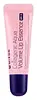
This barrier-repair lip moisturizer is formulated around Caprylic/Capric Triglyceride and Panthenol to strengthen the lip barrier and hydrate lips.
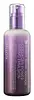
This anti-aging emulsion is formulated around Palmitoyl Pentapeptide-4 and Copper Tripeptide-1 to soften the look of wrinkles.

What's inside
What's inside
 Key Ingredients
Benefits
Concerns
Ingredients Side-by-side
Cetyl Ethylhexanoate
EmollientPolyglyceryl-2 Isostearate/Dimer Dilinoleate Copolymer
EmollientCaprylic/Capric Triglyceride
Masking


Diisostearyl Malate
EmollientPolyglyceryl-2 Triisostearate
Emulsifying

Polymethyl Methacrylate

Ethylhexyl Methoxycinnamate
UV Absorber


Dimer Dilinoleyl Diisostearate
EmollientMicrocrystalline Wax
Emulsion StabilisingSorbitan Olivate
Emulsifying
Ethylhexyl Salicylate
UV Absorber
Octyldodecyl Stearoyl Stearate
Emollient
Euphorbia Cerifera Wax
Dimer Dilinoleyl Dimer Dilinoleate
EmollientSilica Dimethyl Silylate
EmollientPolyethylene
Abrasive

Tocopherol
Antioxidant





Dehydroacetic Acid
Preservative
Water
Skin ConditioningOenothera Biennis Oil
Emollient


Camellia Japonica Seed Oil
Emollient
Limnanthes Alba Seed Oil
Skin Conditioning
Olea Europaea Fruit Oil
Masking
Vitis Vinifera Seed Oil
Emollient
Panthenol
Skin Conditioning
Butylene Glycol
Humectant
1,2-Hexanediol
Skin Conditioning
Hydrolyzed Collagen
Emollient
Cetyl Ethylhexanoate, Polyglyceryl-2 Isostearate/Dimer Dilinoleate Copolymer, Caprylic/Capric Triglyceride, Diisostearyl Malate, Polyglyceryl-2 Triisostearate, Polymethyl Methacrylate, Ethylhexyl Methoxycinnamate, Dimer Dilinoleyl Diisostearate, Microcrystalline Wax, Sorbitan Olivate, Ethylhexyl Salicylate, Octyldodecyl Stearoyl Stearate, Euphorbia Cerifera Wax, Dimer Dilinoleyl Dimer Dilinoleate, Silica Dimethyl Silylate, Polyethylene, Tocopherol, Dehydroacetic Acid, Water, Oenothera Biennis Oil, Camellia Japonica Seed Oil, Limnanthes Alba Seed Oil, Olea Europaea Fruit Oil, Vitis Vinifera Seed Oil, Panthenol, Butylene Glycol, 1,2-Hexanediol, Hydrolyzed Collagen
Water
Skin ConditioningButylene Glycol
Humectant
Hydrogenated Poly(C6-14 Olefin)
EmollientCyclopentasiloxane
Emollient
PEG/PPG-17/6 Copolymer
SolventCaprylic/Capric Triglyceride
Masking
Dimethicone
Emollient
Cetearyl Olivate
Sorbitan Olivate
Emulsifying
Butyrospermum Parkii Butter
Skin Conditioning
Trehalose
Humectant
Cetearyl Alcohol
Emollient
Hydrolyzed Collagen
Emollient
Stearic Acid
Cleansing
Dimethicone/Vinyl Dimethicone Crosspolymer
Skin Conditioning
Glyceryl Stearate
Emollient
PEG-100 Stearate
Surfactant
Ceramide AP
Skin Conditioning
Octanediol
Ethylhexylglycerin
Skin ConditioningTropolone
Skin ConditioningTriethanolamine
BufferingCarbomer
Emulsion StabilisingSodium Hyaluronate
Humectant
Panthenol
Skin Conditioning
Rubus Idaeus Fruit Extract
AstringentCoptis Japonica Extract
AntimicrobialPalmitoyl Pentapeptide-4
Skin Conditioning

Copper Tripeptide-1
Skin Conditioning
Propylene Glycol
Humectant
Hydrolyzed Extensin
Skin ConditioningAdenosine
Skin Conditioning
Disodium EDTA
ChelatingWater, Butylene Glycol, Hydrogenated Poly(C6-14 Olefin), Cyclopentasiloxane, PEG/PPG-17/6 Copolymer, Caprylic/Capric Triglyceride, Dimethicone, Cetearyl Olivate, Sorbitan Olivate, Butyrospermum Parkii Butter, Trehalose, Cetearyl Alcohol, Hydrolyzed Collagen, Stearic Acid, Dimethicone/Vinyl Dimethicone Crosspolymer, Glyceryl Stearate, PEG-100 Stearate, Ceramide AP, Octanediol, Ethylhexylglycerin, Tropolone, Triethanolamine, Carbomer, Sodium Hyaluronate, Panthenol, Rubus Idaeus Fruit Extract, Coptis Japonica Extract, Palmitoyl Pentapeptide-4, Copper Tripeptide-1, Propylene Glycol, Hydrolyzed Extensin, Adenosine, Disodium EDTA
Ingredients Explained
These ingredients are found in both products.
Ingredients higher up in an ingredient list are typically present in a larger amount.
Butylene Glycol (or BG) is used within cosmetic products for a few different reasons:
Overall, Butylene Glycol is a safe and well-rounded ingredient that works well with other ingredients.
Though this ingredient works well with most skin types, some people with sensitive skin may experience a reaction such as allergic rashes, closed comedones, or itchiness.
Learn more about Butylene GlycolCaprylic/Capric Triglyceride (aka MCT Oil) is a lightweight emollient, solvent, and texture enhancer. It is considered a skin-softener by helping to prevent moisture loss.
Though it behaves like an oil, it is not technically one due to its chemical composition. One perk of this ingredient is that it is very stable, resistant to oxidation, and unlikely to go rancid.
In practice, that translates to a long shelf life and a consistently elegant skin feel.
While there is an assumption Caprylic Triglyceride can clog pores due to it being derived from coconut oil, there is no research supporting this. Just patch test if you have concerns.
Fractionated coconut oil and MCT Oil are both listed as Caprylic/Capric Triglyceride according to INCI. This is because INCI names are based on the ingredient’s final chemical composition and not its marketing name or source.
This ingredient is treated as the gold standard fungal acne safe oil. Even though it is coconut derived, the problematic lauric acid is stripped out.
This leaves just caprylic (C8) and capric (C10) acid. These chain lengths actually trend antifungal; a 2020 study found caprylic acid was enough to disrupt Malassezia furfur cell membrane, with a caprylic acid derivative damaging membrane structures at concentrations as low as 0.2%.
Learn more about Caprylic/Capric TriglycerideHydrolyzed Collagen is Collagen (usually sourced from fish, bovine, or porcine byproducts) that's been broken down into smaller peptides. This makes it water-soluble and easy to blend into formulations.
In a formula, it works mainly as a skin-conditioning and moisturizing agent.
The small peptides and amino acids (including Natural Moisturizing Factor components like Hydroxyproline, Serine, and Aspartic Acid) help the surface of the skin hold onto water, feel softer, and look temporarily plumper.
This ingredient also has mild film-forming and antioxidant properties with research showing the antioxidant effect is stronger the lower the molecular weight of the peptides.
It's worth being realistic here:
Topically applied Hydrolyzed Collagen conditions the upper layers of skin rather than rebuilding the structural collagen deep in your dermis (the wrinkle-and-firmness benefits people associate with Collagen mostly come from oral supplements in studies, not topicals).
However, recent lab and skin-model work on Hydrolyzed Fish Collagen has shown promising effects on cell viability and wound healing when used as an active.
Typical concentrations range from 0.2-2%, but the percentage can go much higher in rinse-off or hair products (sometimes even above 50%).
Clinical studies on this ingredient showed no irritation, sensitization, or phototoxicity.
If you are looking for vegan collagen, it usually goes by a different INCI name like hydrolyzed soy protein. Vegan collagen is derived from yeast, bacteria, or plant sources.
The results are varied.
A study from 2021 found hydrolyzed collagen increased elasticity and improved wrinkles in 1,125 participants between age 20 and 70. Another study found increased skin thickness in participants between the ages of 45 to 59.
However, It is difficult to prove that oral collagen will end up working on your skin. Many of the studies using hydrolyzed collagen also add several vitamins and nutrients into the test mixture as well.
Further studies are needed at this time.
Learn more about Hydrolyzed CollagenPanthenol is a common ingredient that helps hydrate and soothe the skin. It is found naturally in our skin and hair.
There are two forms of panthenol: D and L.
D-panthenol is also known as dexpanthenol. Most cosmetics use dexpanthenol or a mixture of D and L-panthenol.
Panthenol is famous due to its ability to go deeper into the skin's layers. Using this ingredient has numerous pros (and no cons):
Like hyaluronic acid, panthenol is a humectant. Humectants are able to bind and hold large amounts of water to keep skin hydrated.
This ingredient works well for wound healing. It works by increasing tissue in the wound and helps close open wounds.
Once oxidized, panthenol converts to pantothenic acid. Panthothenic acid is found in all living cells.
This ingredient is also referred to as pro-vitamin B5.
Learn more about PanthenolSorbitan Olivate is created from the fatty acids in olive oil and sorbitol.
This ingredient is an oil in water emulsifier. It helps stabilize a product by preventing oils and waters from separating. Sorbitan Olivate also helps hydrate the skin.
This ingredient is also known as part of Olivem 1000, with Cetearyl Olivate being the other part.
According to a manufacturer, this ingredient helps preserve the natural microbiome of skin. Having a healthy microbiome helps keep our skin healthy and protects against harmful bacteria.
Please note, having a healthy microbiome is different from fungal acne; a healthy microbiome includes small amounts of yeast that normally live on your skin without causing problems.
Fungal acne happens when one type of yeast (Malassezia) grows out of control. This is usually because it's feeding on certain oils or fatty acids. Due to the olive oil base, this ingredient may not be fungal acne safe.
Learn more about Sorbitan OlivateWater. It's the most common cosmetic ingredient of all. You'll usually see it at the top of ingredient lists, meaning that it makes up the largest part of the product.
So why is it so popular? Water most often acts as a solvent - this means that it helps dissolve other ingredients into the formulation.
You'll also recognize water as that liquid we all need to stay alive. If you see this, drink a glass of water. Remember to stay hydrated!
Learn more about Water

