Mizon All-In-One Snail Repair Cream Versus Germaine de Capuccini Crema Global Arrugas Soft Timexpert Rides
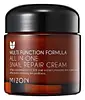
This barrier-repair moisturizer is formulated around Snail Secretion Filtrate and Centella Asiatica Extract to strengthen the skin barrier and calm redness.
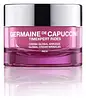
This anti-aging moisturizer is formulated around Ceramide NP and Acetyl Hexapeptide-8 to soften the look of wrinkles and strengthen the skin barrier.


What's inside
What's inside
 Key Ingredients
Benefits
Concerns
Ingredients Side-by-side
Water
Skin ConditioningSnail Secretion Filtrate
Skin Conditioning





Butylene Glycol
Humectant
1,2-Hexanediol
Skin Conditioning
Cetearyl Olivate


Sorbitan Olivate
Emulsifying
Cetearyl Alcohol
Emollient




Glyceryl Stearate
Emollient
Dimethicone
Emollient
Hydrogenated Vegetable Oil
Emollient
Palmitic Acid
Emollient
Stearic Acid
Cleansing
Polyacrylate-13
Dipropylene Glycol
HumectantTriethanolamine
BufferingCarbomer
Emulsion StabilisingHydroxyacetophenone
Antioxidant
PEG/PPG-17/6 Copolymer
SolventPolyisobutene
Sodium Polyacrylate
Absorbent
Caprylyl Glycol
Emollient
Adenosine
Skin Conditioning
Polysorbate 20
Emulsifying
Sorbitan Isostearate
Emulsifying
Disodium EDTA
ChelatingDipotassium Glycyrrhizate
Humectant
Glycerin
Humectant
Alcohol
Antimicrobial


Portulaca Oleracea Extract
Skin Conditioning
Betula Platyphylla Japonica Juice
Skin Conditioning
Artemisia Absinthium Extract
Skin ConditioningArnica Montana Flower Extract
Masking
Gentiana Lutea Root Extract
Skin ConditioningFragaria Chiloensis Fruit Extract
Skin Conditioning
Achillea Millefolium Extract
CleansingRubus Idaeus Fruit Extract
AstringentCamellia Sinensis Leaf Extract
Antimicrobial


Palmitoyl Tripeptide-5
Skin Conditioning

Propylene Glycol
Humectant
Centella Asiatica Extract
Cleansing
Citric Acid
Buffering
Sodium Hyaluronate
Humectant
Beta-Glucan
Skin Conditioning
Potassium Sorbate
Preservative
Copper Tripeptide-1
Skin Conditioning
Fragaria Vesca Fruit Extract
AstringentEthylhexylglycerin
Skin ConditioningMadecassoside
Antioxidant
Madecassic Acid
Skin Conditioning
Asiaticoside
Antioxidant
Asiatic Acid
Skin Conditioning
Water, Snail Secretion Filtrate, Butylene Glycol, 1,2-Hexanediol, Cetearyl Olivate, Sorbitan Olivate, Cetearyl Alcohol, Glyceryl Stearate, Dimethicone, Hydrogenated Vegetable Oil, Palmitic Acid, Stearic Acid, Polyacrylate-13, Dipropylene Glycol, Triethanolamine, Carbomer, Hydroxyacetophenone, PEG/PPG-17/6 Copolymer, Polyisobutene, Sodium Polyacrylate, Caprylyl Glycol, Adenosine, Polysorbate 20, Sorbitan Isostearate, Disodium EDTA, Dipotassium Glycyrrhizate, Glycerin, Alcohol, Portulaca Oleracea Extract, Betula Platyphylla Japonica Juice, Artemisia Absinthium Extract, Arnica Montana Flower Extract, Gentiana Lutea Root Extract, Fragaria Chiloensis Fruit Extract, Achillea Millefolium Extract, Rubus Idaeus Fruit Extract, Camellia Sinensis Leaf Extract, Palmitoyl Tripeptide-5, Propylene Glycol, Centella Asiatica Extract, Citric Acid, Sodium Hyaluronate, Beta-Glucan, Potassium Sorbate, Copper Tripeptide-1, Fragaria Vesca Fruit Extract, Ethylhexylglycerin, Madecassoside, Madecassic Acid, Asiaticoside, Asiatic Acid
Water
Skin ConditioningPentylene Glycol
Skin Conditioning
Hydrogenated Polydecene
EmollientOctyldodecyl Stearoyl Stearate
Emollient
Arachidyl Alcohol
Emollient
Octyldodecyl Myristate
EmollientPEG-8 Beeswax
Emulsifying
Polymethyl Methacrylate
PPG-3 Benzyl Ether Myristate
EmollientHydrogenated Phosphatidylcholine
Emulsifying
Levulinic Acid
Perfuming
Ceramide NP
Skin Conditioning
Squalane
Emollient
Sodium Levulinate
Skin ConditioningDecapeptide-22
Skin Conditioning
Zinc Palmitoyl Nonapeptide-14
Skin Conditioning
Palmitoyl Decapeptide-21
Skin Conditioning
Oligopeptide-78
Skin Conditioning
Acetyl Hexapeptide-30
Skin Conditioning
Acetyl Hexapeptide-8
Humectant
Pentapeptide-18
Skin Conditioning
Hydrolyzed Wheat Protein
Skin ConditioningButyrospermum Parkii Butter Extract
Skin Conditioning
Phenylpropanol
Masking
Cyclopentasiloxane
Emollient
Glycerin
Humectant
Dimethiconol
Emollient
Caprylic/Capric Triglyceride
Masking
Behenyl Alcohol
Emollient
PEG-100 Stearate
Surfactant
Glyceryl Stearate
Emollient
Arachidyl Glucoside
EmulsifyingMenthyl Lactate
Masking
Cetyl Alcohol
Emollient
Ammonium Acryloyldimethyltaurate/Vp Copolymer
Xanthan Gum
EmulsifyingTriethanolamine
BufferingDisodium EDTA
ChelatingGlyceryl Caprylate
EmollientPhenoxyethanol
Preservative
Ethylhexylglycerin
Skin ConditioningCaprylyl Glycol
Emollient
Parfum
Masking
Water, Pentylene Glycol, Hydrogenated Polydecene, Octyldodecyl Stearoyl Stearate, Arachidyl Alcohol, Octyldodecyl Myristate, PEG-8 Beeswax, Polymethyl Methacrylate, PPG-3 Benzyl Ether Myristate, Hydrogenated Phosphatidylcholine, Levulinic Acid, Ceramide NP, Squalane, Sodium Levulinate, Decapeptide-22, Zinc Palmitoyl Nonapeptide-14, Palmitoyl Decapeptide-21, Oligopeptide-78, Acetyl Hexapeptide-30, Acetyl Hexapeptide-8, Pentapeptide-18, Hydrolyzed Wheat Protein, Butyrospermum Parkii Butter Extract, Phenylpropanol, Cyclopentasiloxane, Glycerin, Dimethiconol, Caprylic/Capric Triglyceride, Behenyl Alcohol, PEG-100 Stearate, Glyceryl Stearate, Arachidyl Glucoside, Menthyl Lactate, Cetyl Alcohol, Ammonium Acryloyldimethyltaurate/Vp Copolymer, Xanthan Gum, Triethanolamine, Disodium EDTA, Glyceryl Caprylate, Phenoxyethanol, Ethylhexylglycerin, Caprylyl Glycol, Parfum
Reviews
Ingredients Explained
These ingredients are found in both products.
Ingredients higher up in an ingredient list are typically present in a larger amount.
Caprylyl Glycol is a humectant, skin conditioner, emollient, and preservative booster derived from either caprylic acid or synthetically created.
Typical use levels vary from 0.3-1% as a preservative booster and go up to 2% to condition skin.
Because it is not a free-fatty acid, this ingredient is fungal acne safe (there's nothing for Malassezia to feed on).
Learn more about Caprylyl GlycolDisodium EDTA is a chelating agent. It grabs onto and deactivates metal ions that sneak into your products from water, packaging, or air.
This ingredient mainly works behind the scenes and helps with:
On top of that, this ingredient can counteract the effects of hard water by binding to the minerals in it.
One thing worth knowing is that Disodium EDTA has been shown to be a mild penetration enhancer. It can help other ingredients absorb into skin more effectively which can be a double-edged sword (great for actives, but can also make the active too strong if you have sensitive skin).
Clinical patch testing showed no significant skin irritation at typical use concentrations and minimal dermal absorption.
You'll most likely see this ingredient near the end of an ingredient list. It's typically found in concentrations less than 1%.
Learn more about Disodium EDTAEthylhexylglycerin is created from glycerin. It is a multitasker ingredient that:
The CIR Expert Panel found minimal skin absorption or sensitization of any kind in a safety assessment. Though this ingredient is considered well-tolerated, a small number of cases of allergic dermatitis have been published since 2002. Just be sure to patch test if you are unsure.
Industry-reported use ranges from 8% in rinse-off products and 2% in leave-on formulations.
Learn more about EthylhexylglycerinGlycerin (or glycerol) is a compound naturally found in your skin. It's a powerhouse humectant that pulls water into the stratum corneum.
Topically, glycerin does several things at once:
Your skin makes glycerin on its own (mostly from sebaceous oil breakdown) and shuttles it to your outermost layer of skin, or your epidermis, via aquaporin-3.
Aquaporin-3 is a transporter that is essential for normal skin hydration, elasticity, and repair. Interestingly, mice lacking in AQP3 have dry and less elastic skin that can be fully corrected with glycerin.
This ingredient is non-irritating, plays well with almost every ingredient, and works across all skin types. Typical use is anywhere between 3-10% but can go up to 79% in some leave-on products.
Just know very high concentrations (>40%) can feel tacky in low humidity.
Glycerin is the name for this ingredient in American English. British English uses Glycerol/Glycerine.
Learn more about GlycerinGlyceryl Stearate is made by reacting glycerin with stearic acid (typically sourced from plant oils like palm or coconut). It's an emulsifier, emollient, and mild occlusive.
Emulsifiers help ingredients like oil and water stay mixed so your formula stays nicely blended and uniform in texture.
This ingredient is typically used in concentrations between 1-10%. Studies have found it to be non-sensitizing, non-phototoxic, and non-photoallergenic.
A close cousin of this ingredient is Glyceryl Stearate SE ("self-emulsifying"). This just has a small amount of sodium or potassium stearate added so it can emulsify without a co-emulsifier.
Since this ingredient is an ester of a C18 fatty acid, it may not be fungal acne safe. The Malassezia yeast can potentially metabolize within the C11-C24 range.
Fun fact: The human body also creates Glyceryl Stearate naturally.
Learn more about Glyceryl StearateTriethanolamine (TEA) is an emulsifier and pH adjuster. It is created using ethylene oxide and ammonia. This gives Triethanolamine a nitrogen core and a similar scent to ammonia.
As an emulsifier, it prevents ingredients from separating and enhances texture by adding volume to a product.
PH adjusters are common in cosmetic products. The pH of a product can affect the effectiveness of other ingredients. A product with a high pH may also irritate the skin.
If you are looking for the tea leaf ingredient, click here.
Learn more about TriethanolamineWater. It's the most common cosmetic ingredient of all. You'll usually see it at the top of ingredient lists, meaning that it makes up the largest part of the product.
So why is it so popular? Water most often acts as a solvent - this means that it helps dissolve other ingredients into the formulation.
You'll also recognize water as that liquid we all need to stay alive. If you see this, drink a glass of water. Remember to stay hydrated!
Learn more about Water

