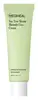
This acne moisturizer is formulated around Melaleuca Alternifolia Leaf Water and Centella Asiatica Extract to clear breakouts and calm redness.
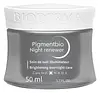
This brightening night moisturizer is formulated around Ascorbyl Glucoside and Niacinamide to fade the look of dark spots and refine skin texture.


What's inside
What's inside
 Key Ingredients
Benefits
Concerns
Ingredients Side-by-side
Melaleuca Alternifolia Leaf Water 50%
Antimicrobial


Centella Asiatica Extract 25%
Cleansing




Glycerin
Humectant
Propanediol
Solvent
Butylene Glycol
Humectant
Neopentyl Glycol Diheptanoate
EmollientPhenyl Trimethicone
Skin Conditioning
1,2-Hexanediol
Skin Conditioning
Water
Skin ConditioningHyaluronic Acid
Humectant
Sodium Hyaluronate
Humectant
Hydrolyzed Hyaluronic Acid
Humectant
Sodium Acetylated Hyaluronate
Humectant
Sodium Hyaluronate Crosspolymer
Humectant
Madecassoside
Antioxidant
Camellia Sinensis Leaf Extract
Antimicrobial

Cutibacterium Granulosum Ferment Extract Filtrate
EmollientAsiaticoside
Antioxidant
Asiatic Acid
Skin Conditioning
Madecassic Acid
Skin Conditioning
Sorbitan Isostearate
Emulsifying

4-Terpineol
Masking
Tocopherol
Antioxidant

Tromethamine
BufferingMicrocrystalline Cellulose
AbsorbentLecithin
Emollient
Maltodextrin
Absorbent
Anhydroxylitol
Humectant
Xylitol
Humectant
Hydrolyzed Acacia Macrostachya Seed Extract
Skin ConditioningPentylene Glycol
Skin Conditioning
Persea Gratissima Fruit Extract
EmollientXylitylglucoside
Humectant
Pyrus Communis Flower Extract
Skin ConditioningEthylhexylglycerin
Skin ConditioningAcrylates/C10-30 Alkyl Acrylate Crosspolymer
Emulsion StabilisingGlucose
Humectant
Ammonium Acryloyldimethyltaurate/Vp Copolymer
Brassica Oleracea Italica Extract
AstringentBrassica Oleracea Capitata Leaf Extract
Skin ConditioningMedicago Sativa Extract
TonicTriticum Vulgare Germ Extract
Skin ConditioningRaphanus Sativus Seed Extract
Skin ConditioningBrassica Campestris Extract
Skin ConditioningHydrolyzed Glycosaminoglycans
HumectantSodium Hydroxide
BufferingBenzyl Glycol
SolventCellulose Gum
Emulsion StabilisingMelia Azadirachta Flower Extract
Skin ConditioningMelilotus Officinalis Extract
AstringentChaenomeles Sinensis Fruit Extract
Antioxidant
Citrus Aurantium Dulcis Flower Extract
Skin ConditioningMelia Azadirachta Leaf Extract
Skin ConditioningRaspberry Ketone
Masking

Melaleuca Alternifolia Leaf Water 50%, Centella Asiatica Extract 25%, Glycerin, Propanediol, Butylene Glycol, Neopentyl Glycol Diheptanoate, Phenyl Trimethicone, 1,2-Hexanediol, Water, Hyaluronic Acid, Sodium Hyaluronate, Hydrolyzed Hyaluronic Acid, Sodium Acetylated Hyaluronate, Sodium Hyaluronate Crosspolymer, Madecassoside, Camellia Sinensis Leaf Extract, Cutibacterium Granulosum Ferment Extract Filtrate, Asiaticoside, Asiatic Acid, Madecassic Acid, Sorbitan Isostearate, 4-Terpineol, Tocopherol, Tromethamine, Microcrystalline Cellulose, Lecithin, Maltodextrin, Anhydroxylitol, Xylitol, Hydrolyzed Acacia Macrostachya Seed Extract, Pentylene Glycol, Persea Gratissima Fruit Extract, Xylitylglucoside, Pyrus Communis Flower Extract, Ethylhexylglycerin, Acrylates/C10-30 Alkyl Acrylate Crosspolymer, Glucose, Ammonium Acryloyldimethyltaurate/Vp Copolymer, Brassica Oleracea Italica Extract, Brassica Oleracea Capitata Leaf Extract, Medicago Sativa Extract, Triticum Vulgare Germ Extract, Raphanus Sativus Seed Extract, Brassica Campestris Extract, Hydrolyzed Glycosaminoglycans, Sodium Hydroxide, Benzyl Glycol, Cellulose Gum, Melia Azadirachta Flower Extract, Melilotus Officinalis Extract, Chaenomeles Sinensis Fruit Extract, Citrus Aurantium Dulcis Flower Extract, Melia Azadirachta Leaf Extract, Raspberry Ketone
Water
Skin ConditioningGlycerin
Humectant
Propanediol
Solvent
Squalane
Emollient
Ascorbyl Glucoside
Antioxidant
Dipropylene Glycol
HumectantNiacinamide
Smoothing
Butylene Glycol
Humectant
Polymethylsilsesquioxane
Hdi/Trimethylol Hexyllactone Crosspolymer
Carbomer
Emulsion StabilisingSodium Hydroxide
BufferingPentylene Glycol
Skin Conditioning
Tocopheryl Acetate
Antioxidant
C14-22 Alcohols
Emulsion Stabilising
1,2-Hexanediol
Skin Conditioning
Caprylyl Glycol
Emollient
Ammonium Acryloyldimethyltaurate/Vp Copolymer
Salicylic Acid
Masking




Sodium Citrate
BufferingLysine
Skin ConditioningAzelaic Acid
Buffering
C12-20 Alkyl Glucoside
EmulsifyingDisodium Phosphate
BufferingMannitol
Humectant
Xylitol
Humectant
Andrographis Paniculata Leaf Extract
AstringentRhamnose
HumectantSodium Metabisulfite
Antioxidant
Potassium Phosphate
BufferingSaccharide Isomerate
Humectant
Biosaccharide Gum-1
Humectant
Glycyrrhiza Glabra Root Extract
Bleaching
Glyceryl Caprylate
EmollientSodium Anisate
AntimicrobialSodium Levulinate
Skin ConditioningFructooligosaccharides
Humectant
Caprylic/Capric Triglyceride
Masking
Hexapeptide-2
Bleaching
Laminaria Ochroleuca Extract
Skin Conditioning
Parfum
Masking
Water, Glycerin, Propanediol, Squalane, Ascorbyl Glucoside, Dipropylene Glycol, Niacinamide, Butylene Glycol, Polymethylsilsesquioxane, Hdi/Trimethylol Hexyllactone Crosspolymer, Carbomer, Sodium Hydroxide, Pentylene Glycol, Tocopheryl Acetate, C14-22 Alcohols, 1,2-Hexanediol, Caprylyl Glycol, Ammonium Acryloyldimethyltaurate/Vp Copolymer, Salicylic Acid, Sodium Citrate, Lysine, Azelaic Acid, C12-20 Alkyl Glucoside, Disodium Phosphate, Mannitol, Xylitol, Andrographis Paniculata Leaf Extract, Rhamnose, Sodium Metabisulfite, Potassium Phosphate, Saccharide Isomerate, Biosaccharide Gum-1, Glycyrrhiza Glabra Root Extract, Glyceryl Caprylate, Sodium Anisate, Sodium Levulinate, Fructooligosaccharides, Caprylic/Capric Triglyceride, Hexapeptide-2, Laminaria Ochroleuca Extract, Parfum
Reviews
Ingredients Explained
These ingredients are found in both products.
Ingredients higher up in an ingredient list are typically present in a larger amount.
1,2-Hexanediol is a synthetic liquid and another multi-functional powerhouse.
It is a:
- Humectant, drawing moisture into the skin
- Emollient, helping to soften skin
- Solvent, dispersing and stabilizing formulas
- Preservative booster, enhancing the antimicrobial activity of other preservatives
Ammonium Acryloyldimethyltaurate/Vp Copolymer is a synthetically created polymer. It's used as a film-forming agent and used to thicken the consistency of products.
Think of it as a supportive ingredient that helps your gel-creams feel silky, "cloud cream-like", and spread evenly without being greasy.
The Cosmetic Ingredient Review (CIR) Expert Panel evaluated it (along with 22 other acryloyldimethyltaurate polymers) and concluded it's:
Due to its large molecular size, it sits on the surface of skin rather than penetrating it.
Learn more about Ammonium Acryloyldimethyltaurate/Vp CopolymerButylene Glycol (or BG) is used within cosmetic products for a few different reasons:
Overall, Butylene Glycol is a safe and well-rounded ingredient that works well with other ingredients.
Though this ingredient works well with most skin types, some people with sensitive skin may experience a reaction such as allergic rashes, closed comedones, or itchiness.
Learn more about Butylene GlycolGlycerin (or glycerol) is a compound naturally found in your skin. It's a powerhouse humectant that pulls water into the stratum corneum.
Topically, glycerin does several things at once:
Your skin makes glycerin on its own (mostly from sebaceous oil breakdown) and shuttles it to your outermost layer of skin, or your epidermis, via aquaporin-3.
Aquaporin-3 is a transporter that is essential for normal skin hydration, elasticity, and repair. Interestingly, mice lacking in AQP3 have dry and less elastic skin that can be fully corrected with glycerin.
This ingredient is non-irritating, plays well with almost every ingredient, and works across all skin types. Typical use is anywhere between 3-10% but can go up to 79% in some leave-on products.
Just know very high concentrations (>40%) can feel tacky in low humidity.
Glycerin is the name for this ingredient in American English. British English uses Glycerol/Glycerine.
Learn more about GlycerinPentylene Glycol (1,2-pentanediol) is a multitasking little diol with three main roles in a formula:
Research on alkanediols (the family pentylene glycol belongs to) show they work by disrupting microbial cell membranes. This disruption helps the primary preservative system in a product work more effectively at lower doses.
On the safety side, the Cosmetic Ingredient Review Expert Panel has concluded this ingredient to be safe as used in current cosmetic practices + concentrations.
Typical use levels in a formula run about 1-5%.
Learn more about Pentylene GlycolPropanediol is an all-star ingredient. It softens, hydrates, and smooths the skin.
It’s often used to:
Propanediol is not likely to cause sensitivity and considered safe to use. It is derived from corn or petroleum with a clear color and no scent.
Learn more about PropanediolSodium Hydroxide is also known as lye or caustic soda. It is used to adjust the pH of products; many ingredients require a specific pH to be effective.
In small amounts, sodium hydroxide is considered safe to use. However, large amounts may cause chemical burns due to its high alkaline.
Your skin has a natural pH and acid mantle. This acid mantle helps prevent harmful bacteria from breaking through. The acid mantle also helps keep your skin hydrated.
"Alkaline" refers to a high pH level. A low pH level would be considered acidic.
Learn more about Sodium HydroxideWater. It's the most common cosmetic ingredient of all. You'll usually see it at the top of ingredient lists, meaning that it makes up the largest part of the product.
So why is it so popular? Water most often acts as a solvent - this means that it helps dissolve other ingredients into the formulation.
You'll also recognize water as that liquid we all need to stay alive. If you see this, drink a glass of water. Remember to stay hydrated!
Learn more about WaterXylitol is a humectant and prebiotic. It can help with dry skin.
In studies, xylitol has been shown to improve dry skin. It decreased transepidermal water loss, or when water passes through the skin and evaporates. Xylitol also showed to help improve the biomechanical properties of the skin barrier.
The prebiotic property of xylitol may also help reinforce our skin's natural microbiome. Having a healthy microbiome prevents infection by bad bacteria and helps with hydration.
As a humectant, Xylitol helps draw moisture from both the air and from deeper skin layers. This helps keep skin hydrated.
Xylitol is a sugar alcohol and commonly used as a sugar substitute. It is naturally occurring in plants such as strawberries and pumpkin.
Learn more about Xylitol

