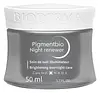
This brightening night moisturizer is formulated around Ascorbyl Glucoside and Niacinamide to fade the look of dark spots and refine skin texture.
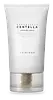
This calming moisturizer is formulated around Centella Asiatica Extract and Dipotassium Glycyrrhizate to calm redness and strengthen the skin barrier.


What's inside
What's inside
 Key Ingredients
Benefits
Concerns
Ingredients Side-by-side
Water
Skin ConditioningGlycerin
Humectant


Propanediol
Solvent
Squalane
Emollient
Ascorbyl Glucoside
Antioxidant


Dipropylene Glycol
HumectantNiacinamide
Smoothing







Butylene Glycol
Humectant
Polymethylsilsesquioxane

Hdi/Trimethylol Hexyllactone Crosspolymer
Carbomer
Emulsion StabilisingSodium Hydroxide
BufferingPentylene Glycol
Skin Conditioning
Tocopheryl Acetate
Antioxidant
C14-22 Alcohols
Emulsion Stabilising
1,2-Hexanediol
Skin Conditioning
Caprylyl Glycol
Emollient
Ammonium Acryloyldimethyltaurate/Vp Copolymer
Salicylic Acid
Masking





Sodium Citrate
BufferingLysine
Skin ConditioningAzelaic Acid
Buffering
C12-20 Alkyl Glucoside
EmulsifyingDisodium Phosphate
BufferingMannitol
Humectant
Xylitol
Humectant
Andrographis Paniculata Leaf Extract
AstringentRhamnose
HumectantSodium Metabisulfite
Antioxidant
Potassium Phosphate
BufferingSaccharide Isomerate
Humectant
Biosaccharide Gum-1
Humectant
Glycyrrhiza Glabra Root Extract
Bleaching
Glyceryl Caprylate
EmollientSodium Anisate
AntimicrobialSodium Levulinate
Skin ConditioningFructooligosaccharides
Humectant
Caprylic/Capric Triglyceride
Masking
Hexapeptide-2
Bleaching
Laminaria Ochroleuca Extract
Skin Conditioning
Parfum
Masking

Water, Glycerin, Propanediol, Squalane, Ascorbyl Glucoside, Dipropylene Glycol, Niacinamide, Butylene Glycol, Polymethylsilsesquioxane, Hdi/Trimethylol Hexyllactone Crosspolymer, Carbomer, Sodium Hydroxide, Pentylene Glycol, Tocopheryl Acetate, C14-22 Alcohols, 1,2-Hexanediol, Caprylyl Glycol, Ammonium Acryloyldimethyltaurate/Vp Copolymer, Salicylic Acid, Sodium Citrate, Lysine, Azelaic Acid, C12-20 Alkyl Glucoside, Disodium Phosphate, Mannitol, Xylitol, Andrographis Paniculata Leaf Extract, Rhamnose, Sodium Metabisulfite, Potassium Phosphate, Saccharide Isomerate, Biosaccharide Gum-1, Glycyrrhiza Glabra Root Extract, Glyceryl Caprylate, Sodium Anisate, Sodium Levulinate, Fructooligosaccharides, Caprylic/Capric Triglyceride, Hexapeptide-2, Laminaria Ochroleuca Extract, Parfum
Water
Skin ConditioningGlycerin
Humectant
Propanediol
Solvent
Dipropylene Glycol
HumectantCyclopentasiloxane
Emollient
Centella Asiatica Extract
Cleansing
1,2-Hexanediol
Skin Conditioning
Cyclohexasiloxane
Emollient
Trehalose
Humectant
Caprylyl Methicone
Skin Conditioning
C12-14 Pareth-12
EmulsifyingCarbomer
Emulsion StabilisingTromethamine
BufferingC30-45 Alkyl Cetearyl Dimethicone Crosspolymer
Emollient
Ammonium Acryloyldimethyltaurate/Vp Copolymer
Butylene Glycol
Humectant
Xanthan Gum
EmulsifyingZingiber Officinale Root Extract
Masking
Mentha Piperita Leaf Extract
Skin ConditioningEthylhexylglycerin
Skin ConditioningDipotassium Glycyrrhizate
Humectant
Tranexamic Acid
Astringent
Dextrin
AbsorbentTheobroma Cacao Seed Extract
Antioxidant
Leuconostoc/Radish Root Ferment Filtrate
Antimicrobial
Biosaccharide Gum-1
Humectant
Disodium EDTA
ChelatingSodium Hyaluronate
Humectant
Beta-Glucan
Skin Conditioning
Hydrogenated Lecithin
Emulsifying
Coptis Chinensis Root Extract
Antioxidant
Cetearyl Alcohol
Emollient

Stearic Acid
Cleansing
Ceramide NP
Skin Conditioning
Ceramide Ng
Skin Conditioning
Cholesterol
Emollient
Phytosphingosine
Skin Conditioning
Ceramide As
Skin Conditioning
Ceramide AP
Skin Conditioning
Ceramide EOP
Skin Conditioning
Water, Glycerin, Propanediol, Dipropylene Glycol, Cyclopentasiloxane, Centella Asiatica Extract, 1,2-Hexanediol, Cyclohexasiloxane, Trehalose, Caprylyl Methicone, C12-14 Pareth-12, Carbomer, Tromethamine, C30-45 Alkyl Cetearyl Dimethicone Crosspolymer, Ammonium Acryloyldimethyltaurate/Vp Copolymer, Butylene Glycol, Xanthan Gum, Zingiber Officinale Root Extract, Mentha Piperita Leaf Extract, Ethylhexylglycerin, Dipotassium Glycyrrhizate, Tranexamic Acid, Dextrin, Theobroma Cacao Seed Extract, Leuconostoc/Radish Root Ferment Filtrate, Biosaccharide Gum-1, Disodium EDTA, Sodium Hyaluronate, Beta-Glucan, Hydrogenated Lecithin, Coptis Chinensis Root Extract, Cetearyl Alcohol, Stearic Acid, Ceramide NP, Ceramide Ng, Cholesterol, Phytosphingosine, Ceramide As, Ceramide AP, Ceramide EOP
Reviews
Ingredients Explained
These ingredients are found in both products.
Ingredients higher up in an ingredient list are typically present in a larger amount.
1,2-Hexanediol is a synthetic liquid and another multi-functional powerhouse.
It is a:
- Humectant, drawing moisture into the skin
- Emollient, helping to soften skin
- Solvent, dispersing and stabilizing formulas
- Preservative booster, enhancing the antimicrobial activity of other preservatives
Ammonium Acryloyldimethyltaurate/Vp Copolymer is a synthetically created polymer. It's used as a film-forming agent and used to thicken the consistency of products.
Think of it as a supportive ingredient that helps your gel-creams feel silky, "cloud cream-like", and spread evenly without being greasy.
The Cosmetic Ingredient Review (CIR) Expert Panel evaluated it (along with 22 other acryloyldimethyltaurate polymers) and concluded it's:
Due to its large molecular size, it sits on the surface of skin rather than penetrating it.
Learn more about Ammonium Acryloyldimethyltaurate/Vp CopolymerBiosaccharide Gum-1 is a sugar created by fermenting sorbitol (which usually comes from potato starch!). It is known for its soothing and moisturizing properties.
Manufacturer tests show this ingredient helped reduce irritation from lactic acid by almost half and kept skin hydrated long-term as a humectant
Beyond hydration, Biosaccharide Gum-1 gives formulas a silky, non-sticky feel.
This ingredient is gentle, versatile, and suitable for all skin types.
Fun fact: Similar sugars can be found naturally in fruits like apples and pears.
Learn more about Biosaccharide Gum-1Butylene Glycol (or BG) is used within cosmetic products for a few different reasons:
Overall, Butylene Glycol is a safe and well-rounded ingredient that works well with other ingredients.
Though this ingredient works well with most skin types, some people with sensitive skin may experience a reaction such as allergic rashes, closed comedones, or itchiness.
Learn more about Butylene GlycolCarbomer is a synthetic thickening and gelling agent. It's basically the ingredient that gives a lot of serums, gels, creams, and sunscreens their smooth, non-sticky texture.
Although legally permitted at very high levels, carbomers are normally used at concentrations below 1%.
It also needs to be neutralized to actually thicken, and because it is a large molecule, it doesn't really penetrate the skin barrier.
Allergy-wise, the risk is very low. Clinical studies show carbomers have low potential for skin irritation/sensitization even at concentrations up to 100%.
A 2024 UK study patch-tested 1,302 patients and found true allergy to the parent group of carbomer to be rare with no confirmed relevant reactions.
Learn more about CarbomerDipropylene Glycol is a synthetically created humectant, stabilizer, and solvent.
This ingredient helps:
Dipropylene glycol is technically an alcohol, but it belongs to the glycol family (often considered part of the ‘good’ alcohols). This means it is hydrating and gentle on skin unlike drying solvent alcohols like denatured alcohol.
As a masking agent, Dipropylene Glycol can be used to cover the smell of other ingredients. However, it does not have a scent.
Studies show Dipropylene Glycol is considered safe to use in skincare.
Learn more about Dipropylene GlycolGlycerin (or glycerol) is a compound naturally found in your skin. It's a powerhouse humectant that pulls water into the stratum corneum.
Topically, glycerin does several things at once:
Your skin makes glycerin on its own (mostly from sebaceous oil breakdown) and shuttles it to your outermost layer of skin, or your epidermis, via aquaporin-3.
Aquaporin-3 is a transporter that is essential for normal skin hydration, elasticity, and repair. Interestingly, mice lacking in AQP3 have dry and less elastic skin that can be fully corrected with glycerin.
This ingredient is non-irritating, plays well with almost every ingredient, and works across all skin types. Typical use is anywhere between 3-10% but can go up to 79% in some leave-on products.
Just know very high concentrations (>40%) can feel tacky in low humidity.
Glycerin is the name for this ingredient in American English. British English uses Glycerol/Glycerine.
Learn more about GlycerinPropanediol is an all-star ingredient. It softens, hydrates, and smooths the skin.
It’s often used to:
Propanediol is not likely to cause sensitivity and considered safe to use. It is derived from corn or petroleum with a clear color and no scent.
Learn more about PropanediolWater. It's the most common cosmetic ingredient of all. You'll usually see it at the top of ingredient lists, meaning that it makes up the largest part of the product.
So why is it so popular? Water most often acts as a solvent - this means that it helps dissolve other ingredients into the formulation.
You'll also recognize water as that liquid we all need to stay alive. If you see this, drink a glass of water. Remember to stay hydrated!
Learn more about Water

