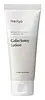
This barrier-repair moisturizer is formulated around Centella Asiatica Extract and Galactomyces Ferment Filtrate to strengthen the skin barrier and hydrate skin.
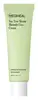
This acne moisturizer is formulated around Melaleuca Alternifolia Leaf Water and Centella Asiatica Extract to clear breakouts and calm redness.

What's inside
What's inside
 Key Ingredients
Benefits
Concerns
Ingredients Side-by-side
Centella Asiatica Extract 50%
Cleansing





Water
Skin ConditioningGalactomyces Ferment Filtrate 5%
Humectant



Propanediol
Solvent
Glycerin
Humectant
Neopentyl Glycol Diheptanoate
EmollientPhenyl Trimethicone
Skin Conditioning
Butylene Glycol
Humectant
Niacinamide
Smoothing




1,2-Hexanediol
Skin Conditioning
Xylitol
Humectant
Portulaca Oleracea Extract
Skin Conditioning
Xylitylglucoside
Humectant
Anhydroxylitol
Humectant
Glucose
Humectant
Sodium Hyaluronate
Humectant
Sodium Hyaluronate Crosspolymer
Humectant
Solanum Melongena Fruit Extract
Skin ConditioningCoccinia Indica Fruit Extract
Skin Conditioning
Ocimum Sanctum Leaf Extract
Skin ConditioningCorallina Officinalis Extract
Skin Conditioning

Ceramide NP
Skin Conditioning
Hydrolyzed Hyaluronic Acid
Humectant
Melissa Officinalis Leaf Extract
Skin ConditioningChaenomeles Sinensis Fruit Extract
Antioxidant
Citrus Aurantium Dulcis Flower Extract
Skin ConditioningHyaluronic Acid
Humectant
Acrylates/C10-30 Alkyl Acrylate Crosspolymer
Emulsion StabilisingAmmonium Acryloyldimethyltaurate/Vp Copolymer
Pyrus Communis Flower Extract
Skin ConditioningMelia Azadirachta Leaf Extract
Skin ConditioningMelia Azadirachta Flower Extract
Skin ConditioningPiper Methysticum Root Extract
Skin ConditioningRaspberry Ketone
Masking

Sorbitan Isostearate
Emulsifying
Microcrystalline Cellulose
AbsorbentCurcuma Longa Root Extract
Antioxidant
Aloe Barbadensis Flower Extract
EmollientHydrolyzed Glycosaminoglycans
HumectantEthylhexylglycerin
Skin ConditioningHydroxypropyl Methylcellulose Stearoxy Ether
Tromethamine
BufferingBenzyl Glycol
SolventCellulose Gum
Emulsion StabilisingCentella Asiatica Extract 50%, Water, Galactomyces Ferment Filtrate 5%, Propanediol, Glycerin, Neopentyl Glycol Diheptanoate, Phenyl Trimethicone, Butylene Glycol, Niacinamide, 1,2-Hexanediol, Xylitol, Portulaca Oleracea Extract, Xylitylglucoside, Anhydroxylitol, Glucose, Sodium Hyaluronate, Sodium Hyaluronate Crosspolymer, Solanum Melongena Fruit Extract, Coccinia Indica Fruit Extract, Ocimum Sanctum Leaf Extract, Corallina Officinalis Extract, Ceramide NP, Hydrolyzed Hyaluronic Acid, Melissa Officinalis Leaf Extract, Chaenomeles Sinensis Fruit Extract, Citrus Aurantium Dulcis Flower Extract, Hyaluronic Acid, Acrylates/C10-30 Alkyl Acrylate Crosspolymer, Ammonium Acryloyldimethyltaurate/Vp Copolymer, Pyrus Communis Flower Extract, Melia Azadirachta Leaf Extract, Melia Azadirachta Flower Extract, Piper Methysticum Root Extract, Raspberry Ketone, Sorbitan Isostearate, Microcrystalline Cellulose, Curcuma Longa Root Extract, Aloe Barbadensis Flower Extract, Hydrolyzed Glycosaminoglycans, Ethylhexylglycerin, Hydroxypropyl Methylcellulose Stearoxy Ether, Tromethamine, Benzyl Glycol, Cellulose Gum
Melaleuca Alternifolia Leaf Water 50%
Antimicrobial
Centella Asiatica Extract 25%
Cleansing
Glycerin
Humectant
Propanediol
Solvent
Butylene Glycol
Humectant
Neopentyl Glycol Diheptanoate
EmollientPhenyl Trimethicone
Skin Conditioning
1,2-Hexanediol
Skin Conditioning
Water
Skin ConditioningHyaluronic Acid
Humectant
Sodium Hyaluronate
Humectant
Hydrolyzed Hyaluronic Acid
Humectant
Sodium Acetylated Hyaluronate
Humectant
Sodium Hyaluronate Crosspolymer
Humectant
Madecassoside
Antioxidant
Camellia Sinensis Leaf Extract
Antimicrobial
Cutibacterium Granulosum Ferment Extract Filtrate
EmollientAsiaticoside
Antioxidant
Asiatic Acid
Skin Conditioning
Madecassic Acid
Skin Conditioning
Sorbitan Isostearate
Emulsifying
4-Terpineol
Masking
Tocopherol
Antioxidant
Tromethamine
BufferingMicrocrystalline Cellulose
AbsorbentLecithin
Emollient
Maltodextrin
Absorbent
Anhydroxylitol
Humectant
Xylitol
Humectant
Hydrolyzed Acacia Macrostachya Seed Extract
Skin ConditioningPentylene Glycol
Skin Conditioning
Persea Gratissima Fruit Extract
EmollientXylitylglucoside
Humectant
Pyrus Communis Flower Extract
Skin ConditioningEthylhexylglycerin
Skin ConditioningAcrylates/C10-30 Alkyl Acrylate Crosspolymer
Emulsion StabilisingGlucose
Humectant
Ammonium Acryloyldimethyltaurate/Vp Copolymer
Brassica Oleracea Italica Extract
AstringentBrassica Oleracea Capitata Leaf Extract
Skin ConditioningMedicago Sativa Extract
TonicTriticum Vulgare Germ Extract
Skin ConditioningRaphanus Sativus Seed Extract
Skin ConditioningBrassica Campestris Extract
Skin ConditioningHydrolyzed Glycosaminoglycans
HumectantSodium Hydroxide
BufferingBenzyl Glycol
SolventCellulose Gum
Emulsion StabilisingMelia Azadirachta Flower Extract
Skin ConditioningMelilotus Officinalis Extract
AstringentChaenomeles Sinensis Fruit Extract
Antioxidant
Citrus Aurantium Dulcis Flower Extract
Skin ConditioningMelia Azadirachta Leaf Extract
Skin ConditioningRaspberry Ketone
Masking
Melaleuca Alternifolia Leaf Water 50%, Centella Asiatica Extract 25%, Glycerin, Propanediol, Butylene Glycol, Neopentyl Glycol Diheptanoate, Phenyl Trimethicone, 1,2-Hexanediol, Water, Hyaluronic Acid, Sodium Hyaluronate, Hydrolyzed Hyaluronic Acid, Sodium Acetylated Hyaluronate, Sodium Hyaluronate Crosspolymer, Madecassoside, Camellia Sinensis Leaf Extract, Cutibacterium Granulosum Ferment Extract Filtrate, Asiaticoside, Asiatic Acid, Madecassic Acid, Sorbitan Isostearate, 4-Terpineol, Tocopherol, Tromethamine, Microcrystalline Cellulose, Lecithin, Maltodextrin, Anhydroxylitol, Xylitol, Hydrolyzed Acacia Macrostachya Seed Extract, Pentylene Glycol, Persea Gratissima Fruit Extract, Xylitylglucoside, Pyrus Communis Flower Extract, Ethylhexylglycerin, Acrylates/C10-30 Alkyl Acrylate Crosspolymer, Glucose, Ammonium Acryloyldimethyltaurate/Vp Copolymer, Brassica Oleracea Italica Extract, Brassica Oleracea Capitata Leaf Extract, Medicago Sativa Extract, Triticum Vulgare Germ Extract, Raphanus Sativus Seed Extract, Brassica Campestris Extract, Hydrolyzed Glycosaminoglycans, Sodium Hydroxide, Benzyl Glycol, Cellulose Gum, Melia Azadirachta Flower Extract, Melilotus Officinalis Extract, Chaenomeles Sinensis Fruit Extract, Citrus Aurantium Dulcis Flower Extract, Melia Azadirachta Leaf Extract, Raspberry Ketone
Ingredients Explained
These ingredients are found in both products.
Ingredients higher up in an ingredient list are typically present in a larger amount.
1,2-Hexanediol is a synthetic liquid and another multi-functional powerhouse.
It is a:
- Humectant, drawing moisture into the skin
- Emollient, helping to soften skin
- Solvent, dispersing and stabilizing formulas
- Preservative booster, enhancing the antimicrobial activity of other preservatives
Acrylates/C10-30 Alkyl Acrylate Crosspolymer is a synthetic polymer. It is used to thicken, emulsify, and improve the texture of products.
As an emulsifier, it helps stabilize oil-in-water emulsions to give products an elegant feel when applied.
It can also form a thin protective film on skin. One study found that a formula using this polymer helped slow down how quickly other ingredients (like DEET) were absorbed through skin.
A 2024 study of over 1,300 patients confirmed that sensitization to this ingredient is rare. It is also non-mutagenic and has a clean track record.
Learn more about Acrylates/C10-30 Alkyl Acrylate CrosspolymerAmmonium Acryloyldimethyltaurate/Vp Copolymer is a synthetically created polymer. It's used as a film-forming agent and used to thicken the consistency of products.
Think of it as a supportive ingredient that helps your gel-creams feel silky, "cloud cream-like", and spread evenly without being greasy.
The Cosmetic Ingredient Review (CIR) Expert Panel evaluated it (along with 22 other acryloyldimethyltaurate polymers) and concluded it's:
Due to its large molecular size, it sits on the surface of skin rather than penetrating it.
Learn more about Ammonium Acryloyldimethyltaurate/Vp CopolymerThis ingredient is created from dehydrating xylitol in acidic conditions. Xylitol is a famous sugar and humectant.
Much like its predecessor, anhydroxylitol is a humectant. Humectants attract and hold water to moisturize the skin.
This ingredient is most commonly found in a popular trio called Aquaxyl. Aquaxyl is made up of anhydroxylitol (24 - 34%), xylitylglucoside (35 - 50%), and xylitol (5 - 15%).
According to a manufacturer, Aquaxyl is known for a 3-D hydration concept and an anti-dehydration shield to reinforce the outer layer of skin.
This ingredient is often derived from plants such as wood and sugarcane.
Learn more about AnhydroxylitolWe don't have a description for Benzyl Glycol yet.
Butylene Glycol (or BG) is used within cosmetic products for a few different reasons:
Overall, Butylene Glycol is a safe and well-rounded ingredient that works well with other ingredients.
Though this ingredient works well with most skin types, some people with sensitive skin may experience a reaction such as allergic rashes, closed comedones, or itchiness.
Learn more about Butylene GlycolCellulose Gum is a water-soluble polymer that comes from cellulose. It is used to change the texture of a product and to help stabilize emulsions.
As an emulsifier, cellulose gum specifically thicken the texture of water-based products.
This ingredient is considered hypoallergenic and non-toxic. Cellulose Gum can be found in cosmetics, food, and other household goods such as paper products.
Learn more about Cellulose GumCentella Asiatica Extract (Centella) is one of the most researched botanical extracts in skincare with decades of studies backing its effects on inflammation, collagen, and the skin barrier.
That research keeps pointing back to the same four triterpenoid saponins: Asiaticoside, Madecassoside, Asiatic Acid, and Madecassic Acid.
These compounds allow centella to dial back inflammation, encourage the skin to build and hold onto collagen, support the barrier and hydration, and bring solid antioxidant activity to protect against signs of aging.
Centella also carries a nice supporting cast of Vitamin A, vitamin C, several B vitamins, and amino acids. Put it all together and you get an ingredient that soothes, hydrates, and protects, all at once.
Most of centella's magic comes from the four big compounds (Asiaticoside, Madecassoside, Asiatic Acid, and Madecassic Acid). These are the actives doing the heavy lifting in almost every centella study.
Here is the short version of what they do in the skin:
So it is not just soothing for the sake of soothing. Centella calms the skin AND helps it rebuild.
Just FYI, not all centella on an ingredient list is the same. What you are getting actually depends on the extract:
Fun fact on the ratios: the leaves tend to be richest in Madecassoside and Asiaticoside, and lower in the two acids. The exact amounts shift with where the plant is grown and how it is processed. This means purity really does vary brand to brand.
Centella is one of the most easygoing actives out there.
It layers well with basically everything: niacinamide, hyaluronic acid, peptides, and vitamin C, and also pairs nicely with stronger actives like retinoids and exfoliating acids where it can help take the edge off irritation.
On the safety side, centella and its triterpenes are classified as weak sensitizers, meaning allergic reactions are possible but uncommon.
Patch tests at 1% and 5% came back negative in test panels, and creams at typical use levels did not cause allergic reactions across large groups of people.
But as with any new active, a patch test is still a smart move for very reactive skin.
Centella is widely used because it is effective at low percentages. For context, human safety testing found no meaningful irritation from creams containing centella extract at everyday use levels (the tested amounts were well under 1%).
The irritancy threshold in animal testing was also above 30% (so real-world formulas sit far below anything concerning).
In collagen lab studies, higher concentrations drove more collagen synthesis, so serums built around centella tend to feature it more prominently.
Bottom line: you will find centella working nicely anywhere from a fraction of a percent up to hero-ingredient levels depending on whether it is a supporting soother or the main event.
Fun fact: Centella has been used as a medicine and in food for many centuries. As a medicine, it is used to treat burns, scratches, and wounds.
Learn more about Centella Asiatica ExtractChaenomeles Sinensis Fruit Extract is an antioxidant.
We don't have a description for Citrus Aurantium Dulcis Flower Extract yet.
Ethylhexylglycerin is created from glycerin. It is a multitasker ingredient that:
The CIR Expert Panel found minimal skin absorption or sensitization of any kind in a safety assessment. Though this ingredient is considered well-tolerated, a small number of cases of allergic dermatitis have been published since 2002. Just be sure to patch test if you are unsure.
Industry-reported use ranges from 8% in rinse-off products and 2% in leave-on formulations.
Learn more about EthylhexylglycerinGlucose is a simple sugar (a monosaccharide). In skincare, it is mostly a humectant and skin conditioning agent.
Mechanistically, it has multiple hydroxyl groups that hydrogen-bond to water. This pulls moisture into the upper layers of skin to keep the surface soft and hydrated.
It's worth knowing sugars are already a natural component of the skin's NMF (natural moisturizing factor) so it's a molecule that your stratum corneum is well-acquainted with.
Just so you know, glucose is hydrophilic (water-loving) and the stratum corneum is a strong barrier to hydrophilic compounds. This just means penetration is slow and most of the action is happening on the surface.
Gram-to-gram, glucose is not as efficient as a humectant as glycerin. This is why you'll likely see glycose paired with stronger humectants for a bigger hydration payoff.
In skincare, glucose is typically derived from corn or other starch sources.
Learn more about GlucoseGlycerin (or glycerol) is a compound naturally found in your skin. It's a powerhouse humectant that pulls water into the stratum corneum.
Topically, glycerin does several things at once:
Your skin makes glycerin on its own (mostly from sebaceous oil breakdown) and shuttles it to your outermost layer of skin, or your epidermis, via aquaporin-3.
Aquaporin-3 is a transporter that is essential for normal skin hydration, elasticity, and repair. Interestingly, mice lacking in AQP3 have dry and less elastic skin that can be fully corrected with glycerin.
This ingredient is non-irritating, plays well with almost every ingredient, and works across all skin types. Typical use is anywhere between 3-10% but can go up to 79% in some leave-on products.
Just know very high concentrations (>40%) can feel tacky in low humidity.
Glycerin is the name for this ingredient in American English. British English uses Glycerol/Glycerine.
Learn more about GlycerinHyaluronic acid (HA) is a glycosaminoglycan (basically a long sugar chain) that your skin already makes on its own. In your skin, HA lives in the extracellular matrix and acts as the body's moisture reservoir.
Topically, HA is a humectant that binds water and helps skin look more plump, smooth, and hydrated.
The only catch is that HA isn't a single thing; it actually comes in a wide range of molecular weights (~50 - 2,000+ kDA) and size matters.
Some clinical evidence links low molecular weight versions to improved wrinkle depth, elasticity, anti-inflammatory effects, and barrier repair.
This is why the best HA serums blend the two sizes together so you get the best of both worlds.
The majority of cosmetic HA is produced by bacterial fermentation, typically using Streptococcus or Bacillus strains. Typical use levels in skincare sit around 0.1-2%.
A clinical study using a 0.2% low-molecular weight HA gel showed improvement in facial seborrheic dermatitis with excellent tolerance.
These are some other common types of Hyaluronic Acid:
Learn more about Hyaluronic AcidWe don't have a description for Hydrolyzed Glycosaminoglycans yet.
Hydrolyzed Hyaluronic Acid is hyaluronic acid (HA) that is broken down into lower molecular weight fragments.
It's a humectant that pulls and holds water in the skin to help with hydration, plumpness, and reduce transepidermal water loss.
Because hydrolyzed hyaluronic acid is smaller in size, it can slip past your outermost layer of skin more easily than full-sized HA.
Most formulations will combine all sizes to get the best of both worlds.
Typical usage levels range from 0.01-1%. Any percentage higher than 2% might become goopy and tacky.
Learn more about Hydrolyzed Hyaluronic AcidMelia Azadirachta Flower Extract is from the Neem tree. Neem trees originate from India.
Melia Azadirachta Flower Extract contains antioxidants. Antioxidants help fight free-radicals. Free-radicals are molecules that may damage your skin cells, such as pollution.
The flowers of this tree are lilac colored.
Learn more about Melia Azadirachta Flower ExtractThis ingredient is also known as neem leaf extract. It contains natural compounds like nimbidin, quercetin, and other polyphenols that give it antibacterial, antifungal, and anti-inflammatory activity.
Lab studies have shown neem leaf extract can inhibit acne-related bacteria and help calm skin. Animal studies on wound gels using 1-3% neem leaf extract found it sped up healing without causing irritation.
A wound-healing study testing gels with the extract at 1%, 2%, and 3% concentrations and found none of them irritated the skin.
Most commercial products also use it in a similar low range (typically under 5%).
Allergy-wise, there are some case reports on neem oil causing allergic contact dermatitis so people with plant/botanical sensitivities may want to patch test first.
Learn more about Melia Azadirachta Leaf ExtractMicrocrystalline Cellulose is another name for refined wood pulp. It is used as an emulsifier and mattifying ingredient. As an emulsifier, it helps keep ingredients together.
Neopentyl Glycol Diheptanoate is a lightweight synthetic emollient that also helps improve how a product feels and spreads.
In a formula, it's a workhorse that:
The Cosmetic Ingredient Review panel has concluded this ingredient to be safe in cosmetics and found to be a non-ocular (eye) irritant at 100% in rabbits.
Usage levels vary depending on product type; industry surveys report it around 2.2% in baby products, 19.5% in hair sprays, and 1-20% in skincare.
Learn more about Neopentyl Glycol DiheptanoatePhenyl Trimethicone is a silicon-based polymer. It is derived from silica.
Phenyl Trimethicone is used as an emollient and prevents products from foaming.
As an emollient, it helps trap moisture in the skin. It is considered an occlusive.
Learn more about Phenyl TrimethiconePropanediol is an all-star ingredient. It softens, hydrates, and smooths the skin.
It’s often used to:
Propanediol is not likely to cause sensitivity and considered safe to use. It is derived from corn or petroleum with a clear color and no scent.
Learn more about PropanediolWe don't have a description for Pyrus Communis Flower Extract yet.
Raspberry Ketone is a fragrance.
Sodium Hyaluronate is the salt form of hyaluronic acid. It is a long sugar chain that is naturally found in your skin, joints, and connective tissue that maintains hydration and elasticity.
In skincare, it works as a humectant. It pulls water from the environment and deeper layers of skin and binds it to the surface.
Interestingly, the size of the molecule affects its behavior:
Some clinical evidence links low molecular weight versions to improved wrinkle depth, elasticity, anti-inflammatory effects, and barrier repair.
Many serums use a blend of both weights so you can get surface hydration plus longer-lasting and deeper effects.
You'll typically see concentrations between 0.1-2% for this ingredient.
Learn more about Sodium HyaluronateSodium Hyaluronate Crosspolymer is a crosslinked version of sodium hyaluronate. This just means it's linked into a 3D mesh network that lets it be more stable and sit on skin as a cohesive, gel-like film rather than sinking into skin.
A 2016 human skin study found crosslinked HA increased epidermal water content by 7.6% over the control group and reduced transepidermal water loss by 27.8%.
A follow-up clinical trial found that a topical crosslinked HA serum applied after fillers, microneedling, or chemical peels was well-tolerated and enhanced skin quality at 14 / 28 days.
More recent research suggests that concentrations as low as 0.03% can act as a penetration enhancer for other skincare actives.
Learn more about Sodium Hyaluronate CrosspolymerSorbitan Isostearate is an emulsifer. It is created from isostearic acid and sorbitol.
As an emulsifier, it keeps the water and oil ingredients from separating. This keeps formulas stable and smooth.
In a 24 hour occlusive patch test on 56 subjects, 10% sorbitan isostearate was completely non-irritating. Most formulas use less than 10%.
Because it's a fatty acid ester, it may not be fungal acne safe since the Malassezia yeast can utilize it as a nutrient source.
Learn more about Sorbitan IsostearateTromethamine (aka THAM) is a synthetic amino acid that shows up in skincare as a helper ingredient.
It functions as a pH adjuster to help neutralize acidic ingredients and set a formula's pH to the right spot.
This matters a lot because a lot of actives (like vitamin C) needs a specific pH to work well and feel comfortable on skin.
Concentration use ranges from 0.1-1.0% depending on the formula.
Learn more about TromethamineWater. It's the most common cosmetic ingredient of all. You'll usually see it at the top of ingredient lists, meaning that it makes up the largest part of the product.
So why is it so popular? Water most often acts as a solvent - this means that it helps dissolve other ingredients into the formulation.
You'll also recognize water as that liquid we all need to stay alive. If you see this, drink a glass of water. Remember to stay hydrated!
Learn more about WaterXylitol is a humectant and prebiotic. It can help with dry skin.
In studies, xylitol has been shown to improve dry skin. It decreased transepidermal water loss, or when water passes through the skin and evaporates. Xylitol also showed to help improve the biomechanical properties of the skin barrier.
The prebiotic property of xylitol may also help reinforce our skin's natural microbiome. Having a healthy microbiome prevents infection by bad bacteria and helps with hydration.
As a humectant, Xylitol helps draw moisture from both the air and from deeper skin layers. This helps keep skin hydrated.
Xylitol is a sugar alcohol and commonly used as a sugar substitute. It is naturally occurring in plants such as strawberries and pumpkin.
Learn more about XylitolXylitylglucoside is created from xylitol and glucose, two humectants.
Not surprisingly, this ingredient is also a humectant. It attracts and holds water in your skin, helping to maintain hydration.
This ingredient is most commonly found in a popular trio called Aquaxyl. Aquaxyl is made up of anhydroxylitol(24 - 34%), xylitylglucoside (35 - 50%), and xylitol (5 - 15%).
According to a manufacturer, Aquaxyl is known for a 3-D hydration concept and an anti-dehydration shield to reinforce the outer layer of skin.
Learn more about Xylitylglucoside

