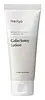
This barrier-repair moisturizer is formulated around Centella Asiatica Extract and Galactomyces Ferment Filtrate to strengthen the skin barrier and hydrate skin.
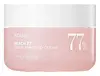
This barrier-repair moisturizer is formulated around Niacinamide and Panthenol to strengthen the skin barrier and hydrate skin.

What's inside
What's inside
 Key Ingredients
Benefits
Concerns
Ingredients Side-by-side
Centella Asiatica Extract 50%
Cleansing





Water
Skin ConditioningGalactomyces Ferment Filtrate 5%
Humectant



Propanediol
Solvent
Glycerin
Humectant
Neopentyl Glycol Diheptanoate
EmollientPhenyl Trimethicone
Skin Conditioning
Butylene Glycol
Humectant
Niacinamide
Smoothing




1,2-Hexanediol
Skin Conditioning
Xylitol
Humectant
Portulaca Oleracea Extract
Skin Conditioning
Xylitylglucoside
Humectant
Anhydroxylitol
Humectant
Glucose
Humectant
Sodium Hyaluronate
Humectant
Sodium Hyaluronate Crosspolymer
Humectant
Solanum Melongena Fruit Extract
Skin ConditioningCoccinia Indica Fruit Extract
Skin Conditioning
Ocimum Sanctum Leaf Extract
Skin ConditioningCorallina Officinalis Extract
Skin Conditioning

Ceramide NP
Skin Conditioning
Hydrolyzed Hyaluronic Acid
Humectant
Melissa Officinalis Leaf Extract
Skin ConditioningChaenomeles Sinensis Fruit Extract
Antioxidant
Citrus Aurantium Dulcis Flower Extract
Skin ConditioningHyaluronic Acid
Humectant
Acrylates/C10-30 Alkyl Acrylate Crosspolymer
Emulsion StabilisingAmmonium Acryloyldimethyltaurate/Vp Copolymer
Pyrus Communis Flower Extract
Skin ConditioningMelia Azadirachta Leaf Extract
Skin ConditioningMelia Azadirachta Flower Extract
Skin ConditioningPiper Methysticum Root Extract
Skin ConditioningRaspberry Ketone
Masking

Sorbitan Isostearate
Emulsifying
Microcrystalline Cellulose
AbsorbentCurcuma Longa Root Extract
Antioxidant
Aloe Barbadensis Flower Extract
EmollientHydrolyzed Glycosaminoglycans
HumectantEthylhexylglycerin
Skin ConditioningHydroxypropyl Methylcellulose Stearoxy Ether
Tromethamine
BufferingBenzyl Glycol
SolventCellulose Gum
Emulsion StabilisingCentella Asiatica Extract 50%, Water, Galactomyces Ferment Filtrate 5%, Propanediol, Glycerin, Neopentyl Glycol Diheptanoate, Phenyl Trimethicone, Butylene Glycol, Niacinamide, 1,2-Hexanediol, Xylitol, Portulaca Oleracea Extract, Xylitylglucoside, Anhydroxylitol, Glucose, Sodium Hyaluronate, Sodium Hyaluronate Crosspolymer, Solanum Melongena Fruit Extract, Coccinia Indica Fruit Extract, Ocimum Sanctum Leaf Extract, Corallina Officinalis Extract, Ceramide NP, Hydrolyzed Hyaluronic Acid, Melissa Officinalis Leaf Extract, Chaenomeles Sinensis Fruit Extract, Citrus Aurantium Dulcis Flower Extract, Hyaluronic Acid, Acrylates/C10-30 Alkyl Acrylate Crosspolymer, Ammonium Acryloyldimethyltaurate/Vp Copolymer, Pyrus Communis Flower Extract, Melia Azadirachta Leaf Extract, Melia Azadirachta Flower Extract, Piper Methysticum Root Extract, Raspberry Ketone, Sorbitan Isostearate, Microcrystalline Cellulose, Curcuma Longa Root Extract, Aloe Barbadensis Flower Extract, Hydrolyzed Glycosaminoglycans, Ethylhexylglycerin, Hydroxypropyl Methylcellulose Stearoxy Ether, Tromethamine, Benzyl Glycol, Cellulose Gum
Prunus Persica Fruit Extract 77%
Abrasive
Glycerin
Humectant
Methylpropanediol
SolventNiacinamide
Smoothing
Isododecane
EmollientLactobacillus Ferment
Skin Conditioning
1,2-Hexanediol
Skin Conditioning
Propanediol
Solvent
Panthenol
Skin Conditioning
Polyglyceryl-3 Methylglucose Distearate
Emulsifying
Polymethylsilsesquioxane
Hydrogenated Polydecene
EmollientJojoba Esters
Emollient
Coptis Japonica Root Extract
Skin ConditioningPrunus Persica Flower Extract
MoisturisingSoluble Collagen
Humectant
Sodium Hyaluronate
Humectant
Vinyldimethicone
Ammonium Acryloyldimethyltaurate/Vp Copolymer
Water
Skin ConditioningDimethiconol
Emollient
Acrylates/C10-30 Alkyl Acrylate Crosspolymer
Emulsion StabilisingTromethamine
BufferingButylene Glycol
Humectant
Adenosine
Skin Conditioning
Disodium EDTA
ChelatingCyanocobalamin
Skin ConditioningSaccharomyces Ferment Filtrate
Humectant
Galactomyces Ferment Filtrate
Humectant
Bifida Ferment Lysate
Skin Conditioning
Ceramide NP
Skin Conditioning
Pectin
Emulsion StabilisingMaltodextrin
Absorbent
Hydrolyzed Vegetable Protein
Skin ConditioningParfum
Masking
Hydroxyacetophenone
Antioxidant
Ethylhexylglycerin
Skin ConditioningPrunus Persica Fruit Extract 77%, Glycerin, Methylpropanediol, Niacinamide, Isododecane, Lactobacillus Ferment, 1,2-Hexanediol, Propanediol, Panthenol, Polyglyceryl-3 Methylglucose Distearate, Polymethylsilsesquioxane, Hydrogenated Polydecene, Jojoba Esters, Coptis Japonica Root Extract, Prunus Persica Flower Extract, Soluble Collagen, Sodium Hyaluronate, Vinyldimethicone, Ammonium Acryloyldimethyltaurate/Vp Copolymer, Water, Dimethiconol, Acrylates/C10-30 Alkyl Acrylate Crosspolymer, Tromethamine, Butylene Glycol, Adenosine, Disodium EDTA, Cyanocobalamin, Saccharomyces Ferment Filtrate, Galactomyces Ferment Filtrate, Bifida Ferment Lysate, Ceramide NP, Pectin, Maltodextrin, Hydrolyzed Vegetable Protein, Parfum, Hydroxyacetophenone, Ethylhexylglycerin
Reviews
Ingredients Explained
These ingredients are found in both products.
Ingredients higher up in an ingredient list are typically present in a larger amount.
1,2-Hexanediol is a synthetic liquid and another multi-functional powerhouse.
It is a:
- Humectant, drawing moisture into the skin
- Emollient, helping to soften skin
- Solvent, dispersing and stabilizing formulas
- Preservative booster, enhancing the antimicrobial activity of other preservatives
Acrylates/C10-30 Alkyl Acrylate Crosspolymer is a synthetic polymer. It is used to thicken, emulsify, and improve the texture of products.
As an emulsifier, it helps stabilize oil-in-water emulsions to give products an elegant feel when applied.
It can also form a thin protective film on skin. One study found that a formula using this polymer helped slow down how quickly other ingredients (like DEET) were absorbed through skin.
A 2024 study of over 1,300 patients confirmed that sensitization to this ingredient is rare. It is also non-mutagenic and has a clean track record.
Learn more about Acrylates/C10-30 Alkyl Acrylate CrosspolymerAmmonium Acryloyldimethyltaurate/Vp Copolymer is a synthetically created polymer. It's used as a film-forming agent and used to thicken the consistency of products.
Think of it as a supportive ingredient that helps your gel-creams feel silky, "cloud cream-like", and spread evenly without being greasy.
The Cosmetic Ingredient Review (CIR) Expert Panel evaluated it (along with 22 other acryloyldimethyltaurate polymers) and concluded it's:
Due to its large molecular size, it sits on the surface of skin rather than penetrating it.
Learn more about Ammonium Acryloyldimethyltaurate/Vp CopolymerButylene Glycol (or BG) is used within cosmetic products for a few different reasons:
Overall, Butylene Glycol is a safe and well-rounded ingredient that works well with other ingredients.
Though this ingredient works well with most skin types, some people with sensitive skin may experience a reaction such as allergic rashes, closed comedones, or itchiness.
Learn more about Butylene GlycolCeramide NP (formerly known as Ceramide 3) is one of the skin's naturally occurring lipids.
Since ceramides are the major lipid components of the skin, they are crucial for maintaining skin barrier and hydration. Ceramide NP most closely mirrors the dominant kind in human skin amongst ceramide subtypes.
This ceramide works by slotting into gaps within the stratum corneum's lipid matrix to limit trans-epidermal water loss (TEWL) and shield the skin against external irritants.
A study with 312 patients found that using a ceramide-containing routine for 4 weeks reduced the severity of atopic dermatitis by over 61%.
Another clinical study in subjects aged 60 and older found that a ceramide body wash and moisturizer improved skin dryness and itchy skin in 15 days.
Overall, ceramides are considered non-irritating and safety tests have found little to no observable adverse effects from using this ingredient.
Ceramide NP is usually sourced from plants (like soybean or rice bran), or produced synthetically.
Learn more about Ceramide NPEthylhexylglycerin is created from glycerin. It is a multitasker ingredient that:
The CIR Expert Panel found minimal skin absorption or sensitization of any kind in a safety assessment. Though this ingredient is considered well-tolerated, a small number of cases of allergic dermatitis have been published since 2002. Just be sure to patch test if you are unsure.
Industry-reported use ranges from 8% in rinse-off products and 2% in leave-on formulations.
Learn more about EthylhexylglycerinGalactomyces Ferment Filtrate (GFF) is a byproduct of fermenting Galactomyces yeast (the same yeast traditionally used to brew sake, Japan's beloved rice wine).
Sake brewers have long been known for their remarkably youthful hands. This is what actually first sparked scientific interest in GFF's skin benefits.
GFF works by stimulating filaggrin production in the skin. Filaggrin is a protein that binds structural proteins in the outer skin layer together to form a tight barrier that shields against allergens, bacteria, and moisture loss.
It's also a key building block of our natural moisturizing factors (NMF), or the network of compounds that keep skin plump and hydrated.
By boosting filaggrin, GFF helps strengthen both our barrier and our skin's ability to retain moisture.
Beyond hydration, GFF has notable antioxidant properties that help protect against oxidative stress and UV-induced inflammation.
Research also suggests it may help regulate sebum and keratin production. This could be an interesting option for those concerned about oiliness or skin texture.
Fungal acne:
This ingredient doesn't contain fatty acids or oils that could feed Malassezia, and the yeast used to make it (Galactomyces) is a different genera of fungi from Malassezia. The presence of one doesn't stimulate the other.
However, there is a concern raised by some communities that this ingredient could trigger a reaction in people who are broadly sensitive to yeast/fungal-derived ingredients.
Learn more about Galactomyces Ferment FiltrateGlycerin (or glycerol) is a compound naturally found in your skin. It's a powerhouse humectant that pulls water into the stratum corneum.
Topically, glycerin does several things at once:
Your skin makes glycerin on its own (mostly from sebaceous oil breakdown) and shuttles it to your outermost layer of skin, or your epidermis, via aquaporin-3.
Aquaporin-3 is a transporter that is essential for normal skin hydration, elasticity, and repair. Interestingly, mice lacking in AQP3 have dry and less elastic skin that can be fully corrected with glycerin.
This ingredient is non-irritating, plays well with almost every ingredient, and works across all skin types. Typical use is anywhere between 3-10% but can go up to 79% in some leave-on products.
Just know very high concentrations (>40%) can feel tacky in low humidity.
Glycerin is the name for this ingredient in American English. British English uses Glycerol/Glycerine.
Learn more about GlycerinNiacinamide is a multitasking form of vitamin B3 that strengthens the skin barrier, reduces pores and dark spots, regulates oil, and improves signs of aging.
And the best part? It's gentle and well-tolerated by most skin types, including sensitive and reactive skin.
You might have heard of "niacin flush", or the reddening of skin that causes itchiness. Niacinamide has not been found to cause this.
In very rare cases, some individuals may not be able to tolerate niacinamide at all or experience an allergic reaction to it.
If you are experiencing flaking, irritation, and dryness with this ingredient, be sure to double check all your products as this ingredient can be found in all categories of skincare.
When incorporating niacinamide into your routine, look out for concentration amounts. Typically, 5% niacinamide provides benefits such as fading dark spots. However, if you have sensitive skin, it is better to begin with a smaller concentration.
When you apply niacinamide to your skin, your body converts it into nicotinamide adenine dinucleotide (NAD). NAD is an essential coenzyme that is already found in your cells as "fuel" and powers countless biological processes.
In your skin, NAD helps repair cell damage, produce new healthy cells, support collagen production, strengthen the skin barrier, and fight environmental stressors (like UV and pollution).
Our natural NAD levels start to decline with age, leading to slower skin repair, visible aging, and a weaker skin barrier. By providing your skin niacinamide, you're recharging your skin's NAD levels. This leads to stronger, healthier, and younger looking skin.
Another name for vitamin B3 is nicotinamide. This vitamin is water-soluble and our bodies don't store it. We obtain Vitamin B3 from either food or skincare. Meat, fish, wheat, yeast, and leafy greens contain vitamin B3.
The type of niacinamide used in skincare is synthetically created.
Learn more about NiacinamidePropanediol is an all-star ingredient. It softens, hydrates, and smooths the skin.
It’s often used to:
Propanediol is not likely to cause sensitivity and considered safe to use. It is derived from corn or petroleum with a clear color and no scent.
Learn more about PropanediolSodium Hyaluronate is the salt form of hyaluronic acid. It is a long sugar chain that is naturally found in your skin, joints, and connective tissue that maintains hydration and elasticity.
In skincare, it works as a humectant. It pulls water from the environment and deeper layers of skin and binds it to the surface.
Interestingly, the size of the molecule affects its behavior:
Some clinical evidence links low molecular weight versions to improved wrinkle depth, elasticity, anti-inflammatory effects, and barrier repair.
Many serums use a blend of both weights so you can get surface hydration plus longer-lasting and deeper effects.
You'll typically see concentrations between 0.1-2% for this ingredient.
Learn more about Sodium HyaluronateTromethamine (aka THAM) is a synthetic amino acid that shows up in skincare as a helper ingredient.
It functions as a pH adjuster to help neutralize acidic ingredients and set a formula's pH to the right spot.
This matters a lot because a lot of actives (like vitamin C) needs a specific pH to work well and feel comfortable on skin.
Concentration use ranges from 0.1-1.0% depending on the formula.
Learn more about TromethamineWater. It's the most common cosmetic ingredient of all. You'll usually see it at the top of ingredient lists, meaning that it makes up the largest part of the product.
So why is it so popular? Water most often acts as a solvent - this means that it helps dissolve other ingredients into the formulation.
You'll also recognize water as that liquid we all need to stay alive. If you see this, drink a glass of water. Remember to stay hydrated!
Learn more about Water

