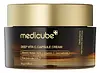
This brightening moisturizer is formulated around Niacinamide and Ascorbic Acid to brighten dull-looking skin and fade the look of dark spots.
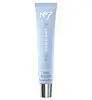
This smoothing serum is formulated around Niacinamide to refine skin texture and soften the look of wrinkles.


What's inside
What's inside
 Key Ingredients
Benefits
Concerns
Ingredients Side-by-side
Hippophae Rhamnoides Water
Masking
Glycerin
Humectant


Water
Skin ConditioningNiacinamide
Smoothing









Methylpropanediol
SolventPropanediol
Solvent
1,2-Hexanediol
Skin Conditioning
Butylene Glycol
Humectant
Dipropylene Glycol
HumectantCaprylic/Capric Triglyceride
Masking
Glycereth-26
Humectant
Ethylhexyl Palmitate
Emollient




Cetearyl Alcohol
Emollient
Arginine
Masking
Carbomer
Emulsion StabilisingAmmonium Acryloyldimethyltaurate/Vp Copolymer
Cetearyl Olivate
Helianthus Annuus Seed Oil
Emollient
Sorbitan Olivate
Emulsifying
Simethicone
Emollient
Polyglyceryl-10 Laurate
Skin Conditioning
Ethylhexylglycerin
Skin ConditioningAdenosine
Skin Conditioning
Parfum
Masking

Polyacrylate-13
Glycine Soja Oil
Emollient
Disodium EDTA
Polyisobutene
Hydrolyzed Sclerotium Gum
HumectantGlyceryl Stearate
Emollient
Gluconolactone
Skin Conditioning
Polysorbate 20
Emulsifying
Sorbitan Isostearate
Emulsifying
Hydrogenated Lecithin
Emulsifying
Bixa Orellana Seed Oil
Emollient
Polyglyceryl-10 Stearate
Skin Conditioning
Alpha-Arbutin
Antioxidant

Panthenol
Skin Conditioning
Sodium Ascorbyl Phosphate
Antioxidant
Pentylene Glycol
Skin Conditioning
Ferulic Acid
Antimicrobial
Tocopherol
Antioxidant
Ascorbyl Glucoside
Antioxidant
3-O-Ethyl Ascorbic Acid
Skin Conditioning
Bisabolol
Antioxidant
Ascorbic Acid
Antioxidant
Hydroxyphenyl Propamidobenzoic Acid
Skin ConditioningPyridoxine
Skin ConditioningUbiquinone
Antioxidant
Biotin
AntiseborrhoeicFolic Acid
Skin ConditioningSodium Hyaluronate
Humectant
Ascorbyl Propyl Hyaluronate
Skin Conditioning
Ascorbyl Palmitate
Antioxidant
Cyanocobalamin
Skin ConditioningThiamine Hcl
MaskingRiboflavin
Cosmetic ColorantLinoleic Acid
Cleansing
Beta-Carotene
Skin ConditioningRutin
Antioxidant
Hydroxycinnamic Acid
Skin ConditioningHippophae Rhamnoides Water, Glycerin, Water, Niacinamide, Methylpropanediol, Propanediol, 1,2-Hexanediol, Butylene Glycol, Dipropylene Glycol, Caprylic/Capric Triglyceride, Glycereth-26, Ethylhexyl Palmitate, Cetearyl Alcohol, Arginine, Carbomer, Ammonium Acryloyldimethyltaurate/Vp Copolymer, Cetearyl Olivate, Helianthus Annuus Seed Oil, Sorbitan Olivate, Simethicone, Polyglyceryl-10 Laurate, Ethylhexylglycerin, Adenosine, Parfum, Polyacrylate-13, Glycine Soja Oil, Disodium EDTA, Polyisobutene, Hydrolyzed Sclerotium Gum, Glyceryl Stearate, Gluconolactone, Polysorbate 20, Sorbitan Isostearate, Hydrogenated Lecithin, Bixa Orellana Seed Oil, Polyglyceryl-10 Stearate, Alpha-Arbutin, Panthenol, Sodium Ascorbyl Phosphate, Pentylene Glycol, Ferulic Acid, Tocopherol, Ascorbyl Glucoside, 3-O-Ethyl Ascorbic Acid, Bisabolol, Ascorbic Acid, Hydroxyphenyl Propamidobenzoic Acid, Pyridoxine, Ubiquinone, Biotin, Folic Acid, Sodium Hyaluronate, Ascorbyl Propyl Hyaluronate, Ascorbyl Palmitate, Cyanocobalamin, Thiamine Hcl, Riboflavin, Linoleic Acid, Beta-Carotene, Rutin, Hydroxycinnamic Acid
Water
Skin ConditioningButylene Glycol
Humectant
Pentylene Glycol
Skin Conditioning
Glycerin
Humectant
Niacinamide
Smoothing
Isoamyl Laurate
Emollient
Polysorbate 20
Emulsifying
Phenoxyethanol
Preservative
Tocopheryl Acetate
Antioxidant
Silica
Abrasive
Ammonium Acryloyldimethyltaurate/Vp Copolymer
Xanthan Gum
EmulsifyingPropanediol
Solvent
Hydrolyzed Rice Protein
Skin ConditioningSodium Hyaluronate
Humectant
Parfum
Masking
Citric Acid
Buffering
Tetrasodium Glutamate Diacetate
Ascorbyl Glucoside
Antioxidant
Decyl Glucoside
Cleansing
T-Butyl Alcohol
Perfuming

Myrtus Communis Leaf Extract
Perfuming
Potassium Hydroxide
BufferingCamellia Japonica Flower Extract
EmollientSodium Benzoate
Masking
Dimethylmethoxy Chromanol
Antioxidant
Palmitoyl Tetrapeptide-94

Palmitoyl Tetrapeptide-95
Tocopherol
Antioxidant
Water, Butylene Glycol, Pentylene Glycol, Glycerin, Niacinamide, Isoamyl Laurate, Polysorbate 20, Phenoxyethanol, Tocopheryl Acetate, Silica, Ammonium Acryloyldimethyltaurate/Vp Copolymer, Xanthan Gum, Propanediol, Hydrolyzed Rice Protein, Sodium Hyaluronate, Parfum, Citric Acid, Tetrasodium Glutamate Diacetate, Ascorbyl Glucoside, Decyl Glucoside, T-Butyl Alcohol, Myrtus Communis Leaf Extract, Potassium Hydroxide, Camellia Japonica Flower Extract, Sodium Benzoate, Dimethylmethoxy Chromanol, Palmitoyl Tetrapeptide-94, Palmitoyl Tetrapeptide-95, Tocopherol
Reviews
Ingredients Explained
These ingredients are found in both products.
Ingredients higher up in an ingredient list are typically present in a larger amount.
Ammonium Acryloyldimethyltaurate/Vp Copolymer is a synthetically created polymer. It's used as a film-forming agent and used to thicken the consistency of products.
Think of it as a supportive ingredient that helps your gel-creams feel silky, "cloud cream-like", and spread evenly without being greasy.
The Cosmetic Ingredient Review (CIR) Expert Panel evaluated it (along with 22 other acryloyldimethyltaurate polymers) and concluded it's:
Due to its large molecular size, it sits on the surface of skin rather than penetrating it.
Learn more about Ammonium Acryloyldimethyltaurate/Vp CopolymerAscorbyl Glucoside (AA-2G) is one of the most stable vitamin C derivatives out there.
It's made by attaching a glucose molecule to ascorbic acid; this glucose "cap" shields the vitamin C from air, light, heat, and metal ions that normally cause pure ascorbic acid to oxidize.
Once on your skin, the enzyme alpha-glucosidase snips off the glucose and gradually releases active ascorbic acid right where it's needed. Basically, it behaves like a slow-release pro-vitamin C with less of a stinging that high-strength ascorbic acid can cause.
The research supports the classic vitamin C benefits as well. In lab and human studies, AA-2G slowed down the skin's production of melanin (the pigment behind dark spots) and helped shield skin cells against sun damage better than ascorbyl phosphate.
These studies also showed AA-2G released vitamin C over a longer period.
A frequently cited manufacturer trial found that a 2% AA-2G face cream significantly improved wrinkle depth and skin roughness after 45 days.
And in 2009, a clinical trial showed it meaningfully lightened dark patches on the gums compared to a placebo.
There's also collagen-synthesis support (since vitamin C is a required cofactor for that) and an antioxidant effect too.
Typical usage is usually between 0.5-5% and most studies/products land around 2%.
AA-2G performs best when formulated at a mildly acidic pH (~5-7) which is much gentler than the pH that pure vitamin C demands (~2.5-3.5).
Just one thing worth knowing: the in-skin conversation rate is only about 55-60% by weight. So a 5% AA-2G product delivers roughly 2.75-3% of actual active vitamin C. On top of that, skin absorption is relatively low because the ingredient is water-soluble.
Learn more about Ascorbyl GlucosideButylene Glycol (or BG) is used within cosmetic products for a few different reasons:
Overall, Butylene Glycol is a safe and well-rounded ingredient that works well with other ingredients.
Though this ingredient works well with most skin types, some people with sensitive skin may experience a reaction such as allergic rashes, closed comedones, or itchiness.
Learn more about Butylene GlycolGlycerin (or glycerol) is a compound naturally found in your skin. It's a powerhouse humectant that pulls water into the stratum corneum.
Topically, glycerin does several things at once:
Your skin makes glycerin on its own (mostly from sebaceous oil breakdown) and shuttles it to your outermost layer of skin, or your epidermis, via aquaporin-3.
Aquaporin-3 is a transporter that is essential for normal skin hydration, elasticity, and repair. Interestingly, mice lacking in AQP3 have dry and less elastic skin that can be fully corrected with glycerin.
This ingredient is non-irritating, plays well with almost every ingredient, and works across all skin types. Typical use is anywhere between 3-10% but can go up to 79% in some leave-on products.
Just know very high concentrations (>40%) can feel tacky in low humidity.
Glycerin is the name for this ingredient in American English. British English uses Glycerol/Glycerine.
Learn more about GlycerinNiacinamide is a multitasking form of vitamin B3 that strengthens the skin barrier, reduces pores and dark spots, regulates oil, and improves signs of aging.
And the best part? It's gentle and well-tolerated by most skin types, including sensitive and reactive skin.
You might have heard of "niacin flush", or the reddening of skin that causes itchiness. Niacinamide has not been found to cause this.
In very rare cases, some individuals may not be able to tolerate niacinamide at all or experience an allergic reaction to it.
If you are experiencing flaking, irritation, and dryness with this ingredient, be sure to double check all your products as this ingredient can be found in all categories of skincare.
When incorporating niacinamide into your routine, look out for concentration amounts. Typically, 5% niacinamide provides benefits such as fading dark spots. However, if you have sensitive skin, it is better to begin with a smaller concentration.
When you apply niacinamide to your skin, your body converts it into nicotinamide adenine dinucleotide (NAD). NAD is an essential coenzyme that is already found in your cells as "fuel" and powers countless biological processes.
In your skin, NAD helps repair cell damage, produce new healthy cells, support collagen production, strengthen the skin barrier, and fight environmental stressors (like UV and pollution).
Our natural NAD levels start to decline with age, leading to slower skin repair, visible aging, and a weaker skin barrier. By providing your skin niacinamide, you're recharging your skin's NAD levels. This leads to stronger, healthier, and younger looking skin.
Another name for vitamin B3 is nicotinamide. This vitamin is water-soluble and our bodies don't store it. We obtain Vitamin B3 from either food or skincare. Meat, fish, wheat, yeast, and leafy greens contain vitamin B3.
The type of niacinamide used in skincare is synthetically created.
Learn more about NiacinamideParfum is a catch-all term for an ingredient or more that is used to give a scent to products.
Also called "fragrance", this ingredient can be a blend of hundreds of chemicals or plant oils. This means every product with "fragrance" or "parfum" in the ingredients list is a different mixture.
For instance, Habanolide is a proprietary trade name for a specific aroma chemical. When used as a fragrance ingredient in cosmetics, most aroma chemicals fall under the broad labeling category of “FRAGRANCE” or “PARFUM” according to EU and US regulations.
The term 'parfum' or 'fragrance' is not regulated in many countries. In many cases, it is up to the brand to define this term.
For instance, many brands choose to label themselves as "fragrance-free" because they are not using synthetic fragrances. However, their products may still contain ingredients such as essential oils that are considered a fragrance by INCI standards.
One example is Calendula flower extract. Calendula is an essential oil that still imparts a scent or 'fragrance'.
Depending on the blend, the ingredients in the mixture can cause allergies and sensitivities on the skin. Some ingredients that are known EU allergens include linalool and citronellol.
Parfum can also be used to mask or cover an unpleasant scent.
The bottom line is: not all fragrances/parfum/ingredients are created equally. If you are worried about fragrances, we recommend taking a closer look at an ingredient. And of course, we always recommend speaking with a professional.
Learn more about ParfumPentylene Glycol (1,2-pentanediol) is a multitasking little diol with three main roles in a formula:
Research on alkanediols (the family pentylene glycol belongs to) show they work by disrupting microbial cell membranes. This disruption helps the primary preservative system in a product work more effectively at lower doses.
On the safety side, the Cosmetic Ingredient Review Expert Panel has concluded this ingredient to be safe as used in current cosmetic practices + concentrations.
Typical use levels in a formula run about 1-5%.
Learn more about Pentylene GlycolPolysorbate 20 is a gentle, water-soluble emulsifier and mild surfactant. It stops oil and water from separating to keep your formulas blended and stable.
It also acts as a mild penetration enhancer by helping active ingredients absorb slightly better.
The common safety discussion around this ingredient involves a manufacturing byproduct called 1,4-dioxane.
Trace amounts can form during production but the EU's Scientific Committee on Consumer Safety has concluded that levels at/below 10 ppm in finished products are safe (commercial products consistently fall within acceptable margins).
True allergic reactions are uncommon and the CIR Expert Panel has confirmed this ingredient to be safe as used in cosmetics.
Because it is derived from lauric acid, it may not be fungal acne safe.
Learn more about Polysorbate 20Propanediol is an all-star ingredient. It softens, hydrates, and smooths the skin.
It’s often used to:
Propanediol is not likely to cause sensitivity and considered safe to use. It is derived from corn or petroleum with a clear color and no scent.
Learn more about PropanediolSodium Hyaluronate is the salt form of hyaluronic acid. It is a long sugar chain that is naturally found in your skin, joints, and connective tissue that maintains hydration and elasticity.
In skincare, it works as a humectant. It pulls water from the environment and deeper layers of skin and binds it to the surface.
Interestingly, the size of the molecule affects its behavior:
Some clinical evidence links low molecular weight versions to improved wrinkle depth, elasticity, anti-inflammatory effects, and barrier repair.
Many serums use a blend of both weights so you can get surface hydration plus longer-lasting and deeper effects.
You'll typically see concentrations between 0.1-2% for this ingredient.
Learn more about Sodium HyaluronateTocopherol is a fat-soluble antioxidant known as Vitamin E.
You'll find this ingredient in the vast majority of skincare (for good reason). It works to neutralize free radicals, or unstable molecules generated by UV exposure, pollution, and other environmental stressors, before they can cause oxidative damage to your skin cells.
Topically applied tocopherol has been shown to protect against UV damage by ramping up the skin's own natural defense enzymes.
It also acts as a skin conditioning agent; some studies show that regular topical use can improve the skin's water-binding capacity over 2-4 weeks.
This ingredient is especially loved for being a team player. When combined with Vitamin C, the photoprotective effect of both ingredients roughly doubles and the combo also helps reduce UV-induced DNA damage.
This ingredient has some brightening potential but it's more of a prevention ingredient than spot-fader. Cell studies show it can slow down melanin production but it's worth noting that it's not the most powerful brightener out there.
In formulations, it also serves as a stabilizer that helps protect other oxidation-prone ingredients from degrading.
Concentrations usually range from 0.1-1% in most leave-on products.
Learn more about TocopherolWater. It's the most common cosmetic ingredient of all. You'll usually see it at the top of ingredient lists, meaning that it makes up the largest part of the product.
So why is it so popular? Water most often acts as a solvent - this means that it helps dissolve other ingredients into the formulation.
You'll also recognize water as that liquid we all need to stay alive. If you see this, drink a glass of water. Remember to stay hydrated!
Learn more about Water

