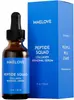
This anti-aging serum is formulated around Niacinamide and Copper Tripeptide-1 to soften the look of wrinkles and strengthen the skin barrier.
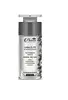
This anti-aging day moisturizer is formulated around Squalane and Ubiquinone to soften the look of wrinkles and hydrate skin.

What's inside
What's inside
 Key Ingredients
Benefits
Concerns
Ingredients Side-by-side
Water
Skin ConditioningGlycerin
Humectant


Propanediol
Solvent
Caprylyl Glycol
Emollient
Niacinamide
Smoothing









Panthenol
Skin Conditioning
Simmondsia Chinensis Seed Oil
Emollient


Copper Tripeptide-1
Skin Conditioning
Ceramide EOP
Skin Conditioning
Ceramide NP
Skin Conditioning
Acetyl Hexapeptide-8
Humectant
Ceramide AP
Skin Conditioning
Allantoin
Skin Conditioning
Sodium Hyaluronate
Humectant
Palmitoyl Tripeptide-1
Skin Conditioning
Palmitoyl Tetrapeptide-7
Skin Conditioning
Hydrolyzed Rice Protein
Skin ConditioningAloe Barbadensis Flower Extract
EmollientBisabolol
Antioxidant
Curcuma Longa Root Extract
Antioxidant
Camellia Sinensis Leaf Extract
Antimicrobial
Melia Azadirachta Leaf Extract
Skin ConditioningMelia Azadirachta Flower Extract
Skin ConditioningHamamelis Virginiana Water
Astringent


Chondrus Crispus Extract
Skin Conditioning
Glycine
Buffering
Pullulan
Sodium Lactate
Buffering
Coccinia Indica Fruit Extract
Skin Conditioning
Cholesterol
Emollient
Carbomer
Emulsion StabilisingSolanum Melongena Fruit Extract
Skin ConditioningDimethicone
Emollient
Butylene Glycol
Humectant
Polysorbate 20
Emulsifying
Sodium Gluconate
ChelatingMadecassoside
Antioxidant
Hydrolyzed Gardenia Florida Extract
Antioxidant
Phytosphingosine
Skin Conditioning
Corallina Officinalis Extract
Skin Conditioning
Ocimum Sanctum Leaf Extract
Skin ConditioningSodium Lauroyl Lactylate
EmulsifyingSclerotium Gum
Emulsion StabilisingMaltodextrin
Absorbent
Ethylhexylglycerin
Skin ConditioningProline
Skin Conditioning
Xanthan Gum
EmulsifyingSodium PCA
Humectant
Sodium Hydroxide
BufferingLecithin
Emollient
Phenoxyethanol
Preservative
Citric Acid
Buffering
Alcohol
Antimicrobial
Alcohol Denat.
Antimicrobial
Water, Glycerin, Propanediol, Caprylyl Glycol, Niacinamide, Panthenol, Simmondsia Chinensis Seed Oil, Copper Tripeptide-1, Ceramide EOP, Ceramide NP, Acetyl Hexapeptide-8, Ceramide AP, Allantoin, Sodium Hyaluronate, Palmitoyl Tripeptide-1, Palmitoyl Tetrapeptide-7, Hydrolyzed Rice Protein, Aloe Barbadensis Flower Extract, Bisabolol, Curcuma Longa Root Extract, Camellia Sinensis Leaf Extract, Melia Azadirachta Leaf Extract, Melia Azadirachta Flower Extract, Hamamelis Virginiana Water, Chondrus Crispus Extract, Glycine, Pullulan, Sodium Lactate, Coccinia Indica Fruit Extract, Cholesterol, Carbomer, Solanum Melongena Fruit Extract, Dimethicone, Butylene Glycol, Polysorbate 20, Sodium Gluconate, Madecassoside, Hydrolyzed Gardenia Florida Extract, Phytosphingosine, Corallina Officinalis Extract, Ocimum Sanctum Leaf Extract, Sodium Lauroyl Lactylate, Sclerotium Gum, Maltodextrin, Ethylhexylglycerin, Proline, Xanthan Gum, Sodium PCA, Sodium Hydroxide, Lecithin, Phenoxyethanol, Citric Acid, Alcohol, Alcohol Denat.
Water
Skin ConditioningSqualane
Emollient
Glycerin
Humectant
Cetearyl Alcohol
Emollient

Ethoxydiglycol
HumectantHydroxypropyl Methylcellulose
Emulsion StabilisingPEG-100 Stearate
Surfactant
Glyceryl Stearate
Emollient
Pullulan
Porphyridium Cruentum Extract
Skin ConditioningAminobutyric Acid
Argania Spinosa Kernel Oil
Emollient
Gynostemma Pentaphyllum Leaf/Stem Extract
Antioxidant
Panax Ginseng Root Extract
Emollient
Citrullus Lanatus Fruit Extract
Skin Conditioning
Camellia Sinensis Leaf Extract
Antimicrobial
Ubiquinone
Antioxidant
Sodium Hyaluronate
Humectant
Dipeptide Diaminobutyroyl Benzylamide Diacetate
Skin Conditioning
Polysorbate 20
Emulsifying
PEG-16 Macadamia Glycerides
Emollient
Tocopheryl Acetate
Antioxidant
Retinyl Palmitate
Skin Conditioning
Ascorbic Acid
Antioxidant
Acrylates/C10-30 Alkyl Acrylate Crosspolymer
Emulsion StabilisingBenzyl Alcohol
Perfuming

Triethanolamine
BufferingCitric Acid
Buffering
Methylisothiazolinone
Preservative
Parfum
Masking
Water, Squalane, Glycerin, Cetearyl Alcohol, Ethoxydiglycol, Hydroxypropyl Methylcellulose, PEG-100 Stearate, Glyceryl Stearate, Pullulan, Porphyridium Cruentum Extract, Aminobutyric Acid, Argania Spinosa Kernel Oil, Gynostemma Pentaphyllum Leaf/Stem Extract, Panax Ginseng Root Extract, Citrullus Lanatus Fruit Extract, Camellia Sinensis Leaf Extract, Ubiquinone, Sodium Hyaluronate, Dipeptide Diaminobutyroyl Benzylamide Diacetate, Polysorbate 20, PEG-16 Macadamia Glycerides, Tocopheryl Acetate, Retinyl Palmitate, Ascorbic Acid, Acrylates/C10-30 Alkyl Acrylate Crosspolymer, Benzyl Alcohol, Triethanolamine, Citric Acid, Methylisothiazolinone, Parfum
Reviews
Ingredients Explained
These ingredients are found in both products.
Ingredients higher up in an ingredient list are typically present in a larger amount.
Camellia Sinensis Leaf Extract (tea extract) is one of the most well-researched plant extracts in skincare with an impressive resume.
Black tea, green tea, and oolong tea are all harvested from the Camellia Sinensis plant.
Studies show green tea extract and its catechins (like epigallocatechin gallate (EGCG)) help your skin cells product energy more efficiently and reducing the number of free-radicals that can damage your skin from the inside.
In lab-grown skin models, this translated to younger, healthier, and stronger skin.
There's also good sun protection data; researchers saw less DNA damage and redness on human skin when green tea was applied before UVB exposure. And the more they applied, the better the protection.
Needless to say, this ingredient shouldn't replace your sunscreen. But it is a great supportive ingredient that you can already find in many sunscreens and antioxidant serums.
A 2009 study found a 2% green tea lotion was effective for mild-to-moderate acne thanks to its anti-inflammatory and mild antimicrobial activity.
The quality of the extract matters a lot here:
Good extracts contain 50-90% catechins while lower quality ones are mostly there for marketing. We recommend reaching out to the brand if you have questions about the quality or source of their ingredients.
Human Repeated Insult Patch Testing showed no irritation or sensitization at use concentrations (0.86% in leave-on products and up to 30% as leaf water).
Learn more about Camellia Sinensis Leaf ExtractCitric Acid is an alpha hydroxy acid (AHA) naturally found in citrus fruits like oranges, lemons, and limes.
Like other AHAs, citric acid can exfoliate skin by breaking down the bonds that hold dead skin cells together. This helps reveal smoother and brighter skin underneath.
However, this exfoliating effect only happens at high concentrations (20%) which can be hard to find in cosmetic products.
Due to this, citric acid is usually included in small amounts as a pH adjuster. This helps keep products slightly more acidic and compatible with skin's natural pH.
In skincare formulas, citric acid can:
While it can provide some skin benefits, research shows lactic acid and glycolic acid are generally more effective and less irritating exfoliants.
Most citric acid used in skincare today is made by fermenting sugars (usually from molasses). This synthetic version is identical to the natural citrus form but easier to stabilize and use in formulations.
Rosacea skin has a lower threshold for acids generally, with 62.5% of rosacea subjects in one study reacting to lactic acid in a sting test. This is why we mark citric acid as a potential rosacea trigger.
However, this ingredient shows up as a pH adjuster or chelator at roughly 0.1-1% in many products. These low levels are unlikely to be an issue for rosacea skin and becomes a potential trigger at exfoliating concentrations (20%). Because everybody's skin is unique, we recommend a patch test if you are unsure.
Learn more about Citric AcidGlycerin (or glycerol) is a compound naturally found in your skin. It's a powerhouse humectant that pulls water into the stratum corneum.
Topically, glycerin does several things at once:
Your skin makes glycerin on its own (mostly from sebaceous oil breakdown) and shuttles it to your outermost layer of skin, or your epidermis, via aquaporin-3.
Aquaporin-3 is a transporter that is essential for normal skin hydration, elasticity, and repair. Interestingly, mice lacking in AQP3 have dry and less elastic skin that can be fully corrected with glycerin.
This ingredient is non-irritating, plays well with almost every ingredient, and works across all skin types. Typical use is anywhere between 3-10% but can go up to 79% in some leave-on products.
Just know very high concentrations (>40%) can feel tacky in low humidity.
Glycerin is the name for this ingredient in American English. British English uses Glycerol/Glycerine.
Learn more about GlycerinPolysorbate 20 is a gentle, water-soluble emulsifier and mild surfactant. It stops oil and water from separating to keep your formulas blended and stable.
It also acts as a mild penetration enhancer by helping active ingredients absorb slightly better.
The common safety discussion around this ingredient involves a manufacturing byproduct called 1,4-dioxane.
Trace amounts can form during production but the EU's Scientific Committee on Consumer Safety has concluded that levels at/below 10 ppm in finished products are safe (commercial products consistently fall within acceptable margins).
True allergic reactions are uncommon and the CIR Expert Panel has confirmed this ingredient to be safe as used in cosmetics.
Because it is derived from lauric acid, it may not be fungal acne safe.
Learn more about Polysorbate 20Pullulan is a low viscosity polysaccharide (a long chain carbohydrate) with binding and film forming properties when dissolved in water. It is used to create a "silicone-like" or silky feel in cosmetics without adding viscosity.
According to a manufacturer, this ingredient's ability to easily dissolves makes it a great carrier for active ingredients.
Due to it being edible and tasteless, you'll likely find this ingredient in breath freshener strips. This ingredient is produced from the starch of the fungus, Aureobasidium pullulans.
Pullulan is stable over a broad-range of pH.
Learn more about PullulanSodium Hyaluronate is the salt form of hyaluronic acid. It is a long sugar chain that is naturally found in your skin, joints, and connective tissue that maintains hydration and elasticity.
In skincare, it works as a humectant. It pulls water from the environment and deeper layers of skin and binds it to the surface.
Interestingly, the size of the molecule affects its behavior:
Some clinical evidence links low molecular weight versions to improved wrinkle depth, elasticity, anti-inflammatory effects, and barrier repair.
Many serums use a blend of both weights so you can get surface hydration plus longer-lasting and deeper effects.
You'll typically see concentrations between 0.1-2% for this ingredient.
Learn more about Sodium HyaluronateWater. It's the most common cosmetic ingredient of all. You'll usually see it at the top of ingredient lists, meaning that it makes up the largest part of the product.
So why is it so popular? Water most often acts as a solvent - this means that it helps dissolve other ingredients into the formulation.
You'll also recognize water as that liquid we all need to stay alive. If you see this, drink a glass of water. Remember to stay hydrated!
Learn more about Water

