Lumene Valo Nordic-C Triple Glow Radiance Elixir Versus Missha Vita C Plus Spot Correcting Concentrate Ampoule
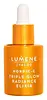
This brightening serum is formulated around 3-O-Ethyl Ascorbic Acid and Ferulic Acid to brighten dull-looking skin and refine skin texture.
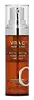
This brightening ampoule is formulated around Ascorbic Acid and Glycyrrhiza Uralensis Root Extract to fade the look of dark spots and brighten dull-looking skin.


What's inside
What's inside
 Key Ingredients
Benefits
Concerns
Ingredients Side-by-side
Water
Skin ConditioningCaprylic/Capric Glycerides
EmollientGlycerin
Humectant


Butylene Glycol
Humectant
Rubus Chamaemorus Fruit Juice Extract
HumectantVaccinium Vitis-Idaea Fruit Juice
Skin ConditioningSaccharide Isomerate
Humectant
Rubus Chamaemorus Seed Oil
Skin Conditioning


Rubus Chamaemorus Fruit Extract
Antioxidant
Rubus Chamaemorus Callus
Skin ConditioningPhenoxyethanol
Preservative
Betaine
Humectant
Propanediol
Solvent
Xanthan Gum
Emulsifying3-O-Ethyl Ascorbic Acid
Skin Conditioning



Hydroxyacetophenone
Antioxidant
Sodium Polyglutamate
HumectantTocopherol
Antioxidant


Maltodextrin
Absorbent
Helianthus Annuus Seed Oil
Emollient
Ethylhexylglycerin
Skin ConditioningSodium Gluconate
ChelatingSodium Hyaluronate
Humectant
Lactic Acid
Buffering



Sodium Citrate
BufferingDipropylene Glycol
HumectantHydrolyzed Hyaluronic Acid
Humectant
Hydroxypropyl Cyclodextrin
MaskingPentylene Glycol
Skin Conditioning
Adenosine
Skin Conditioning
Polydextrose
HumectantBiosaccharide Gum-1
Humectant
Sodium Hyaluronate Crosspolymer
Humectant
Citric Acid
Buffering
1,2-Hexanediol
Skin Conditioning
Ferulic Acid
Antimicrobial
Gluconolactone
Chelating

Sodium Benzoate
Masking
Rosmarinus Officinalis Leaf Extract
AntimicrobialPotassium Sorbate
Preservative
Limonene
Perfuming

Linalool
Perfuming
Citral
Perfuming
Parfum
Masking
Water, Caprylic/Capric Glycerides, Glycerin, Butylene Glycol, Rubus Chamaemorus Fruit Juice Extract, Vaccinium Vitis-Idaea Fruit Juice, Saccharide Isomerate, Rubus Chamaemorus Seed Oil, Rubus Chamaemorus Fruit Extract, Rubus Chamaemorus Callus, Phenoxyethanol, Betaine, Propanediol, Xanthan Gum, 3-O-Ethyl Ascorbic Acid, Hydroxyacetophenone, Sodium Polyglutamate, Tocopherol, Maltodextrin, Helianthus Annuus Seed Oil, Ethylhexylglycerin, Sodium Gluconate, Sodium Hyaluronate, Lactic Acid, Sodium Citrate, Dipropylene Glycol, Hydrolyzed Hyaluronic Acid, Hydroxypropyl Cyclodextrin, Pentylene Glycol, Adenosine, Polydextrose, Biosaccharide Gum-1, Sodium Hyaluronate Crosspolymer, Citric Acid, 1,2-Hexanediol, Ferulic Acid, Gluconolactone, Sodium Benzoate, Rosmarinus Officinalis Leaf Extract, Potassium Sorbate, Limonene, Linalool, Citral, Parfum
Water
Skin ConditioningAscorbic Acid
Antioxidant
Hippophae Rhamnoides Water
Masking
Dipropylene Glycol
HumectantGlycyrrhiza Uralensis Root Extract
Skin Conditioning
Ethoxydiglycol
Humectant1,2-Hexanediol
Skin Conditioning
Tranexamic Acid
Astringent
Sodium Citrate
BufferingChlorella Vulgaris Extract
Skin ConditioningGlucose
Humectant
Choleth-24
EmulsifyingButylene Glycol
Humectant
Fructooligosaccharides
Humectant
Fructose
Humectant
Tromethamine
BufferingCaprylyl Glycol
Emollient
Arbutin
Antioxidant
Niacinamide
Smoothing
Methyl Gluceth-10
EmulsifyingEthylhexylglycerin
Skin ConditioningPanthenol
Skin Conditioning
Melia Azadirachta Flower Extract
Skin ConditioningMelia Azadirachta Leaf Extract
Skin ConditioningXanthan Gum
EmulsifyingCitrus Aurantium Dulcis Peel Oil
Masking
Curcuma Longa Root Extract
Antioxidant
Ocimum Sanctum Leaf Extract
Skin ConditioningSodium Hyaluronate
Humectant
Citric Acid
Buffering
Disodium EDTA
ChelatingCitrus Grandis Peel Oil
Masking

Glycerin
Humectant
Corallina Officinalis Extract
Skin Conditioning
Eucalyptus Globulus Leaf Oil
Perfuming
Lavandula Angustifolia Oil
Masking
Dextrin
AbsorbentTheobroma Cacao Seed Extract
Antioxidant
Caprylic/Capric Triglyceride
Masking
Hydrolyzed Collagen
Emollient
Hydrogenated Lecithin
Emulsifying
Ceramide NP
Skin Conditioning
Hyaluronic Acid
Humectant
Tocopherol
Antioxidant
Allantoin
Skin Conditioning
Glyceryl Glucoside
Humectant
Acetyl Hexapeptide-8
Humectant
Hydrolyzed Hyaluronic Acid
Humectant
Pvp
Emulsion StabilisingPentylene Glycol
Skin Conditioning
Palmitoyl Tripeptide-5
Skin Conditioning
Laurdimonium Hydroxypropyl Hydrolyzed Wheat Protein
Phytosterols
Skin Conditioning
Fullerenes
Antimicrobial3-O-Ethyl Ascorbic Acid
Skin Conditioning
Ascorbyl Glucoside
Antioxidant
Water, Ascorbic Acid, Hippophae Rhamnoides Water, Dipropylene Glycol, Glycyrrhiza Uralensis Root Extract, Ethoxydiglycol, 1,2-Hexanediol, Tranexamic Acid, Sodium Citrate, Chlorella Vulgaris Extract, Glucose, Choleth-24, Butylene Glycol, Fructooligosaccharides, Fructose, Tromethamine, Caprylyl Glycol, Arbutin, Niacinamide, Methyl Gluceth-10, Ethylhexylglycerin, Panthenol, Melia Azadirachta Flower Extract, Melia Azadirachta Leaf Extract, Xanthan Gum, Citrus Aurantium Dulcis Peel Oil, Curcuma Longa Root Extract, Ocimum Sanctum Leaf Extract, Sodium Hyaluronate, Citric Acid, Disodium EDTA, Citrus Grandis Peel Oil, Glycerin, Corallina Officinalis Extract, Eucalyptus Globulus Leaf Oil, Lavandula Angustifolia Oil, Dextrin, Theobroma Cacao Seed Extract, Caprylic/Capric Triglyceride, Hydrolyzed Collagen, Hydrogenated Lecithin, Ceramide NP, Hyaluronic Acid, Tocopherol, Allantoin, Glyceryl Glucoside, Acetyl Hexapeptide-8, Hydrolyzed Hyaluronic Acid, Pvp, Pentylene Glycol, Palmitoyl Tripeptide-5, Laurdimonium Hydroxypropyl Hydrolyzed Wheat Protein, Phytosterols, Fullerenes, 3-O-Ethyl Ascorbic Acid, Ascorbyl Glucoside
Reviews
Ingredients Explained
These ingredients are found in both products.
Ingredients higher up in an ingredient list are typically present in a larger amount.
1,2-Hexanediol is a synthetic liquid and another multi-functional powerhouse.
It is a:
- Humectant, drawing moisture into the skin
- Emollient, helping to soften skin
- Solvent, dispersing and stabilizing formulas
- Preservative booster, enhancing the antimicrobial activity of other preservatives
3-O-Ethyl Ascorbic Acid is one of the most popular "stable" vitamin C derivatives in skincare.
Plain ascorbic acid is fantastic but notoriously fragile; it browns, oxidizes, and loses potency fast. So attaching an ethyl group to the third carbon of the molecule gives it some cool perks:
In a formula, it does the 3 classic vitamin C jobs: it acts as an antioxidant, helps brighten skin tone by inhibiting tyrosinase, and supports collagen.
The evidence is reasonably solid for a cosmetic ingredient; Liao and colleagues (2018) showed it's significantly more stable than ascorbic acid while still being effective.
A 2021 study by Zerbinati and colleagues tested a serum with 30% 3-O-ethyl-l-ascorbic acid and 1% lactic acid significantly increased collagen production, reduced UVB-induced DNA damage, and decreased melanin on a reconstructed pigmented skin model.
Typical real world usage sits around 0.5-5% (and 1-2% is common for daily serums).
Amounts up to 30% have been shown to be non-irritating on human skin samples, but two isolated cases reported allergic contact dermatitis so a patch test is sensible if you have reactive skin.
Learn more about 3-O-Ethyl Ascorbic AcidButylene Glycol (or BG) is used within cosmetic products for a few different reasons:
Overall, Butylene Glycol is a safe and well-rounded ingredient that works well with other ingredients.
Though this ingredient works well with most skin types, some people with sensitive skin may experience a reaction such as allergic rashes, closed comedones, or itchiness.
Learn more about Butylene GlycolCitric Acid is an alpha hydroxy acid (AHA) naturally found in citrus fruits like oranges, lemons, and limes.
Like other AHAs, citric acid can exfoliate skin by breaking down the bonds that hold dead skin cells together. This helps reveal smoother and brighter skin underneath.
However, this exfoliating effect only happens at high concentrations (20%) which can be hard to find in cosmetic products.
Due to this, citric acid is usually included in small amounts as a pH adjuster. This helps keep products slightly more acidic and compatible with skin's natural pH.
In skincare formulas, citric acid can:
While it can provide some skin benefits, research shows lactic acid and glycolic acid are generally more effective and less irritating exfoliants.
Most citric acid used in skincare today is made by fermenting sugars (usually from molasses). This synthetic version is identical to the natural citrus form but easier to stabilize and use in formulations.
Rosacea skin has a lower threshold for acids generally, with 62.5% of rosacea subjects in one study reacting to lactic acid in a sting test. This is why we mark citric acid as a potential rosacea trigger.
However, this ingredient shows up as a pH adjuster or chelator at roughly 0.1-1% in many products. These low levels are unlikely to be an issue for rosacea skin and becomes a potential trigger at exfoliating concentrations (20%). Because everybody's skin is unique, we recommend a patch test if you are unsure.
Learn more about Citric AcidDipropylene Glycol is a synthetically created humectant, stabilizer, and solvent.
This ingredient helps:
Dipropylene glycol is technically an alcohol, but it belongs to the glycol family (often considered part of the ‘good’ alcohols). This means it is hydrating and gentle on skin unlike drying solvent alcohols like denatured alcohol.
As a masking agent, Dipropylene Glycol can be used to cover the smell of other ingredients. However, it does not have a scent.
Studies show Dipropylene Glycol is considered safe to use in skincare.
Learn more about Dipropylene GlycolEthylhexylglycerin is created from glycerin. It is a multitasker ingredient that:
The CIR Expert Panel found minimal skin absorption or sensitization of any kind in a safety assessment. Though this ingredient is considered well-tolerated, a small number of cases of allergic dermatitis have been published since 2002. Just be sure to patch test if you are unsure.
Industry-reported use ranges from 8% in rinse-off products and 2% in leave-on formulations.
Learn more about EthylhexylglycerinGlycerin (or glycerol) is a compound naturally found in your skin. It's a powerhouse humectant that pulls water into the stratum corneum.
Topically, glycerin does several things at once:
Your skin makes glycerin on its own (mostly from sebaceous oil breakdown) and shuttles it to your outermost layer of skin, or your epidermis, via aquaporin-3.
Aquaporin-3 is a transporter that is essential for normal skin hydration, elasticity, and repair. Interestingly, mice lacking in AQP3 have dry and less elastic skin that can be fully corrected with glycerin.
This ingredient is non-irritating, plays well with almost every ingredient, and works across all skin types. Typical use is anywhere between 3-10% but can go up to 79% in some leave-on products.
Just know very high concentrations (>40%) can feel tacky in low humidity.
Glycerin is the name for this ingredient in American English. British English uses Glycerol/Glycerine.
Learn more about GlycerinHydrolyzed Hyaluronic Acid is hyaluronic acid (HA) that is broken down into lower molecular weight fragments.
It's a humectant that pulls and holds water in the skin to help with hydration, plumpness, and reduce transepidermal water loss.
Because hydrolyzed hyaluronic acid is smaller in size, it can slip past your outermost layer of skin more easily than full-sized HA.
Most formulations will combine all sizes to get the best of both worlds.
Typical usage levels range from 0.01-1%. Any percentage higher than 2% might become goopy and tacky.
Learn more about Hydrolyzed Hyaluronic AcidPentylene Glycol (1,2-pentanediol) is a multitasking little diol with three main roles in a formula:
Research on alkanediols (the family pentylene glycol belongs to) show they work by disrupting microbial cell membranes. This disruption helps the primary preservative system in a product work more effectively at lower doses.
On the safety side, the Cosmetic Ingredient Review Expert Panel has concluded this ingredient to be safe as used in current cosmetic practices + concentrations.
Typical use levels in a formula run about 1-5%.
Learn more about Pentylene GlycolSodium Citrate is the sodium salts of citric acid. In skincare, it is used to alter pH levels and acts as a preservative.
Its main functions are to maintain the pH of a product and neutralize metal ions.
The acidity of our skin is maintained by our glands and skin biome; normal pH level of skin is slightly acidic (~4.75-5.5).
Being slightly acidic allows our skin to create an "acid mantle". This acid mantle is a thin barrier that protects our skin from bacteria and contaminants.
Learn more about Sodium CitrateSodium Hyaluronate is the salt form of hyaluronic acid. It is a long sugar chain that is naturally found in your skin, joints, and connective tissue that maintains hydration and elasticity.
In skincare, it works as a humectant. It pulls water from the environment and deeper layers of skin and binds it to the surface.
Interestingly, the size of the molecule affects its behavior:
Some clinical evidence links low molecular weight versions to improved wrinkle depth, elasticity, anti-inflammatory effects, and barrier repair.
Many serums use a blend of both weights so you can get surface hydration plus longer-lasting and deeper effects.
You'll typically see concentrations between 0.1-2% for this ingredient.
Learn more about Sodium HyaluronateTocopherol is a fat-soluble antioxidant known as Vitamin E.
You'll find this ingredient in the vast majority of skincare (for good reason). It works to neutralize free radicals, or unstable molecules generated by UV exposure, pollution, and other environmental stressors, before they can cause oxidative damage to your skin cells.
Topically applied tocopherol has been shown to protect against UV damage by ramping up the skin's own natural defense enzymes.
It also acts as a skin conditioning agent; some studies show that regular topical use can improve the skin's water-binding capacity over 2-4 weeks.
This ingredient is especially loved for being a team player. When combined with Vitamin C, the photoprotective effect of both ingredients roughly doubles and the combo also helps reduce UV-induced DNA damage.
This ingredient has some brightening potential but it's more of a prevention ingredient than spot-fader. Cell studies show it can slow down melanin production but it's worth noting that it's not the most powerful brightener out there.
In formulations, it also serves as a stabilizer that helps protect other oxidation-prone ingredients from degrading.
Concentrations usually range from 0.1-1% in most leave-on products.
Learn more about TocopherolWater. It's the most common cosmetic ingredient of all. You'll usually see it at the top of ingredient lists, meaning that it makes up the largest part of the product.
So why is it so popular? Water most often acts as a solvent - this means that it helps dissolve other ingredients into the formulation.
You'll also recognize water as that liquid we all need to stay alive. If you see this, drink a glass of water. Remember to stay hydrated!
Learn more about WaterXanthan gum is used as a stabilizer and thickener within cosmetic products. It helps give products a sticky, thick feeling - preventing them from being too runny.
On the technical side of things, xanthan gum is a polysaccharide - a combination consisting of multiple sugar molecules bonded together.
Xanthan gum is a pretty common and great ingredient. It is a natural, non-toxic, non-irritating ingredient that is also commonly used in food products.
Learn more about Xanthan Gum

