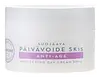
This anti-aging day moisturizer is formulated around Sodium Hyaluronate and Ceramide NP to soften the look of wrinkles and strengthen the skin barrier.
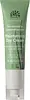
This barrier-repair day moisturizer is formulated around Aloe Barbadensis Leaf Extract and Butyrospermum Parkii Butter to strengthen the skin barrier and hydrate skin.


What's inside
What's inside
 Key Ingredients
Benefits
Concerns
Ingredients Side-by-side
Water
Skin ConditioningPropylheptyl Caprylate
EmollientSteareth-2
EmulsifyingDimethicone
Emollient

Ethylhexyl Triazone
UV Absorber
C12-15 Alkyl Benzoate
AntimicrobialSteareth-21
CleansingStearic Acid
Cleansing



Bis-Ethylhexyloxyphenol Methoxyphenyl Triazine
UV Absorber
Methylene Bis-Benzotriazolyl Tetramethylbutylphenol
UV Filter
Canola Oil
Emollient


PEG-30 Dipolyhydroxystearate
Emulsifying
Polymethyl Methacrylate

Eriophorum Spissum Flower/Stem Extract
Skin ConditioningPhenoxyethanol
Preservative
Cetearyl Alcohol
Emollient

Glycerin
Humectant
Tocopheryl Acetate
Antioxidant


PPG-15 Stearyl Ether
EmollientCetearyl Dimethicone Crosspolymer
Caprylyl Glycol
Emollient
Propanediol
Solvent
Sodium Hyaluronate
Humectant


Decyl Glucoside
Cleansing
Xanthan Gum
EmulsifyingSodium Lauroyl Lactylate
EmulsifyingSorbic Acid
Preservative
Acrylates/C10-30 Alkyl Acrylate Crosspolymer
Emulsion StabilisingPEG-8
HumectantDisodium EDTA
ChelatingSodium Hydroxide
BufferingTocopherol
Antioxidant
Ceramide NP
Skin Conditioning

Ethylhexylglycerin
Skin ConditioningPotassium Sorbate
Preservative
Propylene Glycol
Humectant
Ceramide AP
Skin Conditioning
Phytosphingosine
Skin Conditioning
Ascorbyl Palmitate
Antioxidant
Cholesterol
Emollient
Carbomer
Emulsion StabilisingAscorbic Acid
Antioxidant
Citric Acid
Buffering
Ceramide EOP
Skin Conditioning
Benzyl Salicylate
Perfuming



Citronellol
Perfuming
Limonene
Perfuming
Parfum
Masking
Water, Propylheptyl Caprylate, Steareth-2, Dimethicone, Ethylhexyl Triazone, C12-15 Alkyl Benzoate, Steareth-21, Stearic Acid, Bis-Ethylhexyloxyphenol Methoxyphenyl Triazine, Methylene Bis-Benzotriazolyl Tetramethylbutylphenol, Canola Oil, PEG-30 Dipolyhydroxystearate, Polymethyl Methacrylate, Eriophorum Spissum Flower/Stem Extract, Phenoxyethanol, Cetearyl Alcohol, Glycerin, Tocopheryl Acetate, PPG-15 Stearyl Ether, Cetearyl Dimethicone Crosspolymer, Caprylyl Glycol, Propanediol, Sodium Hyaluronate, Decyl Glucoside, Xanthan Gum, Sodium Lauroyl Lactylate, Sorbic Acid, Acrylates/C10-30 Alkyl Acrylate Crosspolymer, PEG-8, Disodium EDTA, Sodium Hydroxide, Tocopherol, Ceramide NP, Ethylhexylglycerin, Potassium Sorbate, Propylene Glycol, Ceramide AP, Phytosphingosine, Ascorbyl Palmitate, Cholesterol, Carbomer, Ascorbic Acid, Citric Acid, Ceramide EOP, Benzyl Salicylate, Citronellol, Limonene, Parfum
Water
Skin ConditioningAloe Barbadensis Leaf Extract
Emollient
Butyrospermum Parkii Butter
Skin Conditioning
Coco-Caprylate
Emollient
Prunus Amygdalus Dulcis Oil
Skin Conditioning
Cetyl Alcohol
Emollient
Glycerin
Humectant
Polyglyceryl-3 Dicitrate/Stearate
Emulsifying
C15-19 Alkane
SolventGlyceryl Caprylate
EmollientCitrus Aurantium Dulcis Peel Oil
Masking
Cymbopogon Schoenanthus Oil
Masking
Simmondsia Chinensis Seed Oil
Emollient
Zea Mays Starch
Absorbent
Beta Vulgaris Root Extract
Skin ConditioningMagnolia Officinalis Bark Extract
Antimicrobial
Beta-Sitosterol
Emulsion Stabilising
Sodium Hyaluronate
Humectant
Squalene
Emollient
Xanthan Gum
EmulsifyingHydrolyzed Corn Starch
HumectantTocopherol
Antioxidant
Sodium Hydroxide
BufferingSodium Lauroyl Lactylate
EmulsifyingParfum
Masking
Citral
Perfuming
Geraniol
Perfuming
Water, Aloe Barbadensis Leaf Extract, Butyrospermum Parkii Butter, Coco-Caprylate, Prunus Amygdalus Dulcis Oil, Cetyl Alcohol, Glycerin, Polyglyceryl-3 Dicitrate/Stearate, C15-19 Alkane, Glyceryl Caprylate, Citrus Aurantium Dulcis Peel Oil, Cymbopogon Schoenanthus Oil, Simmondsia Chinensis Seed Oil, Zea Mays Starch, Beta Vulgaris Root Extract, Magnolia Officinalis Bark Extract, Beta-Sitosterol, Sodium Hyaluronate, Squalene, Xanthan Gum, Hydrolyzed Corn Starch, Tocopherol, Sodium Hydroxide, Sodium Lauroyl Lactylate, Parfum, Citral, Geraniol
Ingredients Explained
These ingredients are found in both products.
Ingredients higher up in an ingredient list are typically present in a larger amount.
Glycerin (or glycerol) is a compound naturally found in your skin. It's a powerhouse humectant that pulls water into the stratum corneum.
Topically, glycerin does several things at once:
Your skin makes glycerin on its own (mostly from sebaceous oil breakdown) and shuttles it to your outermost layer of skin, or your epidermis, via aquaporin-3.
Aquaporin-3 is a transporter that is essential for normal skin hydration, elasticity, and repair. Interestingly, mice lacking in AQP3 have dry and less elastic skin that can be fully corrected with glycerin.
This ingredient is non-irritating, plays well with almost every ingredient, and works across all skin types. Typical use is anywhere between 3-10% but can go up to 79% in some leave-on products.
Just know very high concentrations (>40%) can feel tacky in low humidity.
Glycerin is the name for this ingredient in American English. British English uses Glycerol/Glycerine.
Learn more about GlycerinParfum is a catch-all term for an ingredient or more that is used to give a scent to products.
Also called "fragrance", this ingredient can be a blend of hundreds of chemicals or plant oils. This means every product with "fragrance" or "parfum" in the ingredients list is a different mixture.
For instance, Habanolide is a proprietary trade name for a specific aroma chemical. When used as a fragrance ingredient in cosmetics, most aroma chemicals fall under the broad labeling category of “FRAGRANCE” or “PARFUM” according to EU and US regulations.
The term 'parfum' or 'fragrance' is not regulated in many countries. In many cases, it is up to the brand to define this term.
For instance, many brands choose to label themselves as "fragrance-free" because they are not using synthetic fragrances. However, their products may still contain ingredients such as essential oils that are considered a fragrance by INCI standards.
One example is Calendula flower extract. Calendula is an essential oil that still imparts a scent or 'fragrance'.
Depending on the blend, the ingredients in the mixture can cause allergies and sensitivities on the skin. Some ingredients that are known EU allergens include linalool and citronellol.
Parfum can also be used to mask or cover an unpleasant scent.
The bottom line is: not all fragrances/parfum/ingredients are created equally. If you are worried about fragrances, we recommend taking a closer look at an ingredient. And of course, we always recommend speaking with a professional.
Learn more about ParfumSodium Hyaluronate is the salt form of hyaluronic acid. It is a long sugar chain that is naturally found in your skin, joints, and connective tissue that maintains hydration and elasticity.
In skincare, it works as a humectant. It pulls water from the environment and deeper layers of skin and binds it to the surface.
Interestingly, the size of the molecule affects its behavior:
Some clinical evidence links low molecular weight versions to improved wrinkle depth, elasticity, anti-inflammatory effects, and barrier repair.
Many serums use a blend of both weights so you can get surface hydration plus longer-lasting and deeper effects.
You'll typically see concentrations between 0.1-2% for this ingredient.
Learn more about Sodium HyaluronateSodium Hydroxide is also known as lye or caustic soda. It is used to adjust the pH of products; many ingredients require a specific pH to be effective.
In small amounts, sodium hydroxide is considered safe to use. However, large amounts may cause chemical burns due to its high alkaline.
Your skin has a natural pH and acid mantle. This acid mantle helps prevent harmful bacteria from breaking through. The acid mantle also helps keep your skin hydrated.
"Alkaline" refers to a high pH level. A low pH level would be considered acidic.
Learn more about Sodium HydroxideSodium Lauroyl Lactylate (SLL) is a mild, plant-derived surfactant made by combining lauric acid with lactic acid.
It has two main jobs in a formula:
A perk of this ingredient is that it leaves skin feeling soft and silky after rinsing. This is why you'll even see it in baby washes.
Another perk?
The lauric acid backbone gives it mild antimicrobial activity and lauric acid itself has been shown to suppress acne-causing bacteria in lab studies.
In 2023, scientists took a close look at how SLL behaves and found it can break apart the fatty outer layers of cells. This is basically why it cleans well and can fight off certain microbes.
The Cosmetic Ingredient Review (CIR) Expert Panel has reviewed it and concluded it's safe as used.
A 2017 survey showed concentrations up to 10% are used in rinse-off cleansers and roughly 0.5-5% being typical in skincare.
Animal and reconstructed-skin testing found it to be non-irritating at 10%, and it's well tolerated even on sensitive skin. The only caveat is to patch test if you have a lactic acid allergy.
As a lactylate salt used at low co-emulsifier concentrations, this ingredient is less likely to break down and release free lauric acid on skin. This ingredient is fungal acne safe.
Learn more about Sodium Lauroyl LactylateTocopherol is a fat-soluble antioxidant known as Vitamin E.
You'll find this ingredient in the vast majority of skincare (for good reason). It works to neutralize free radicals, or unstable molecules generated by UV exposure, pollution, and other environmental stressors, before they can cause oxidative damage to your skin cells.
Topically applied tocopherol has been shown to protect against UV damage by ramping up the skin's own natural defense enzymes.
It also acts as a skin conditioning agent; some studies show that regular topical use can improve the skin's water-binding capacity over 2-4 weeks.
This ingredient is especially loved for being a team player. When combined with Vitamin C, the photoprotective effect of both ingredients roughly doubles and the combo also helps reduce UV-induced DNA damage.
This ingredient has some brightening potential but it's more of a prevention ingredient than spot-fader. Cell studies show it can slow down melanin production but it's worth noting that it's not the most powerful brightener out there.
In formulations, it also serves as a stabilizer that helps protect other oxidation-prone ingredients from degrading.
Concentrations usually range from 0.1-1% in most leave-on products.
Learn more about TocopherolWater. It's the most common cosmetic ingredient of all. You'll usually see it at the top of ingredient lists, meaning that it makes up the largest part of the product.
So why is it so popular? Water most often acts as a solvent - this means that it helps dissolve other ingredients into the formulation.
You'll also recognize water as that liquid we all need to stay alive. If you see this, drink a glass of water. Remember to stay hydrated!
Learn more about WaterXanthan gum is used as a stabilizer and thickener within cosmetic products. It helps give products a sticky, thick feeling - preventing them from being too runny.
On the technical side of things, xanthan gum is a polysaccharide - a combination consisting of multiple sugar molecules bonded together.
Xanthan gum is a pretty common and great ingredient. It is a natural, non-toxic, non-irritating ingredient that is also commonly used in food products.
Learn more about Xanthan Gum

