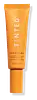
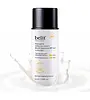
Live Tinted Hueguard 3-in-1 Mineral Sunscreen SPF 30 Versus Belif Dew Guard Milky Sun Serum Sunscreen SPF 40
This mineral sunscreen covers the full UV range and blocks ~97% of UVB at SPF 30.
This chemical sunscreen covers most of the UV range, lighter on the deep UVA that drives aging.


What's inside
What's inside
 Key Ingredients
Benefits
Concerns
Ingredients Side-by-side
Zinc Oxide 18.23%
Cosmetic Colorant


Water
Skin ConditioningCaprylic/Capric Triglyceride
Masking


C13-15 Alkane
SolventPropanediol
Solvent
C15-19 Alkane
SolventBis-Diglyceryl Polyacyladipate-2
Emollient

Tocopherol
Antioxidant





Octyldodecanol
Emollient
Polyhydroxystearic Acid
Emulsifying
Inositol
Humectant
Hippophae Rhamnoides Oil
Emollient
Silica
Abrasive

Polyacrylate Crosspolymer-6
Emulsion StabilisingIsostearic Acid
Cleansing

Lecithin
Emollient
Polyglyceryl-3 Polyricinoleate
Emulsifying
Xanthan Gum
EmulsifyingCoco-Glucoside
Cleansing
Polyglycerin-3
Humectant
Polyglyceryl-3 Lactate/Laurate
CleansingBisabolol
Antioxidant

Caprylhydroxamic Acid
ChelatingSodium Dilauramidoglutamide Lysine
HumectantSodium Citrate
BufferingCitric Acid
Buffering
Arachidyl Glucoside
EmulsifyingSodium Phytate
ChelatingGlycerin
Humectant
Physalis Alkekengi Calyx Extract
Skin ConditioningBiosaccharide Gum-1
Humectant
Sodium Levulinate
Skin ConditioningGlyceryl Caprylate
EmollientCetearyl Alcohol
Emollient
T-Butyl Alcohol
Perfuming



Sodium Anisate
AntimicrobialGlucose
Humectant
Beta-Carotene
Skin ConditioningBehenyl Alcohol
Emollient
Arachidyl Alcohol
Emollient
CI 77492
Cosmetic ColorantCI 77491
Cosmetic ColorantZinc Oxide 18.23%, Water, Caprylic/Capric Triglyceride, C13-15 Alkane, Propanediol, C15-19 Alkane, Bis-Diglyceryl Polyacyladipate-2, Tocopherol, Octyldodecanol, Polyhydroxystearic Acid, Inositol, Hippophae Rhamnoides Oil, Silica, Polyacrylate Crosspolymer-6, Isostearic Acid, Lecithin, Polyglyceryl-3 Polyricinoleate, Xanthan Gum, Coco-Glucoside, Polyglycerin-3, Polyglyceryl-3 Lactate/Laurate, Bisabolol, Caprylhydroxamic Acid, Sodium Dilauramidoglutamide Lysine, Sodium Citrate, Citric Acid, Arachidyl Glucoside, Sodium Phytate, Glycerin, Physalis Alkekengi Calyx Extract, Biosaccharide Gum-1, Sodium Levulinate, Glyceryl Caprylate, Cetearyl Alcohol, T-Butyl Alcohol, Sodium Anisate, Glucose, Beta-Carotene, Behenyl Alcohol, Arachidyl Alcohol, CI 77492, CI 77491
Butyl Methoxydibenzoylmethane 2.7%
UV Absorber
Homosalate 9%
Skin Conditioning
Ethylhexyl Salicylate 4.5%
UV Absorber
Octocrylene 9%
UV Absorber
Water
Skin ConditioningDimethicone
Emollient
Glycerin
Humectant
Cetyl Alcohol
Emollient
Dipropylene Glycol
HumectantPotassium Cetyl Phosphate
Emulsifying1,2-Hexanediol
Skin Conditioning
Panthenol
Skin Conditioning
Glyceryl Caprylate
EmollientIsododecane
EmollientGlyceryl Stearate
Emollient
Niacinamide
Smoothing


Caprylic/Capric Triglyceride
Masking
Acrylates/Polytrimethylsiloxymethacrylate Copolymer
Skin ConditioningParfum
Masking
Cetearyl Olivate
Inulin Lauryl Carbamate
Emulsion StabilisingSorbitan Olivate
Emulsifying
Sodium Polyacryloyldimethyl Taurate
Emulsion StabilisingTromethamine
BufferingXanthan Gum
EmulsifyingMagnesium Aluminum Silicate
Absorbent
Trisodium EDTA
ChelatingMyristica Fragrans Extract
MaskingMelissa Officinalis Flower/Leaf/Stem Water
Skin ConditioningRosmarinus Officinalis Leaf Water
MaskingMadecassoside
Antioxidant
Eucalyptus Globulus Leaf Extract
Perfuming
Butylene Glycol
Humectant
Sodium Hyaluronate
Humectant
Hydrolyzed Hyaluronic Acid
Humectant
Mentha Rotundifolia Leaf Extract
TonicRosa Canina Fruit Extract
Astringent
Hyaluronic Acid
Humectant
Hydrolyzed Sodium Hyaluronate
Skin Conditioning
Hydroxypropyltrimonium Hyaluronate
Sodium Acetylated Hyaluronate
Humectant
Thymus Vulgaris Leaf Extract
Skin ProtectingPentylene Glycol
Skin Conditioning
Ecklonia Cava Extract
Skin Conditioning
Hizikia Fusiforme Extract
Skin Conditioning
Laminaria Japonica Extract
Skin Protecting
Ethylhexylglycerin
Skin ConditioningSodium Hyaluronate Crosspolymer
Humectant
Limonene
Perfuming
Citronellol
Perfuming
Geraniol
Perfuming
Linalool
Perfuming
Citral
Perfuming
Butyl Methoxydibenzoylmethane 2.7%, Homosalate 9%, Ethylhexyl Salicylate 4.5%, Octocrylene 9%, Water, Dimethicone, Glycerin, Cetyl Alcohol, Dipropylene Glycol, Potassium Cetyl Phosphate, 1,2-Hexanediol, Panthenol, Glyceryl Caprylate, Isododecane, Glyceryl Stearate, Niacinamide, Caprylic/Capric Triglyceride, Acrylates/Polytrimethylsiloxymethacrylate Copolymer, Parfum, Cetearyl Olivate, Inulin Lauryl Carbamate, Sorbitan Olivate, Sodium Polyacryloyldimethyl Taurate, Tromethamine, Xanthan Gum, Magnesium Aluminum Silicate, Trisodium EDTA, Myristica Fragrans Extract, Melissa Officinalis Flower/Leaf/Stem Water, Rosmarinus Officinalis Leaf Water, Madecassoside, Eucalyptus Globulus Leaf Extract, Butylene Glycol, Sodium Hyaluronate, Hydrolyzed Hyaluronic Acid, Mentha Rotundifolia Leaf Extract, Rosa Canina Fruit Extract, Hyaluronic Acid, Hydrolyzed Sodium Hyaluronate, Hydroxypropyltrimonium Hyaluronate, Sodium Acetylated Hyaluronate, Thymus Vulgaris Leaf Extract, Pentylene Glycol, Ecklonia Cava Extract, Hizikia Fusiforme Extract, Laminaria Japonica Extract, Ethylhexylglycerin, Sodium Hyaluronate Crosspolymer, Limonene, Citronellol, Geraniol, Linalool, Citral
Reviews
Ingredients Explained
These ingredients are found in both products.
Ingredients higher up in an ingredient list are typically present in a larger amount.
Caprylic/Capric Triglyceride (aka MCT Oil) is a lightweight emollient, solvent, and texture enhancer. It is considered a skin-softener by helping to prevent moisture loss.
Though it behaves like an oil, it is not technically one due to its chemical composition. One perk of this ingredient is that it is very stable, resistant to oxidation, and unlikely to go rancid.
In practice, that translates to a long shelf life and a consistently elegant skin feel.
While there is an assumption Caprylic Triglyceride can clog pores due to it being derived from coconut oil, there is no research supporting this. Just patch test if you have concerns.
Fractionated coconut oil and MCT Oil are both listed as Caprylic/Capric Triglyceride according to INCI. This is because INCI names are based on the ingredient’s final chemical composition and not its marketing name or source.
This ingredient is treated as the gold standard fungal acne safe oil. Even though it is coconut derived, the problematic lauric acid is stripped out.
This leaves just caprylic (C8) and capric (C10) acid. These chain lengths actually trend antifungal; a 2020 study found caprylic acid was enough to disrupt Malassezia furfur cell membrane, with a caprylic acid derivative damaging membrane structures at concentrations as low as 0.2%.
Learn more about Caprylic/Capric TriglycerideGlycerin (or glycerol) is a compound naturally found in your skin. It's a powerhouse humectant that pulls water into the stratum corneum.
Topically, glycerin does several things at once:
Your skin makes glycerin on its own (mostly from sebaceous oil breakdown) and shuttles it to your outermost layer of skin, or your epidermis, via aquaporin-3.
Aquaporin-3 is a transporter that is essential for normal skin hydration, elasticity, and repair. Interestingly, mice lacking in AQP3 have dry and less elastic skin that can be fully corrected with glycerin.
This ingredient is non-irritating, plays well with almost every ingredient, and works across all skin types. Typical use is anywhere between 3-10% but can go up to 79% in some leave-on products.
Just know very high concentrations (>40%) can feel tacky in low humidity.
Glycerin is the name for this ingredient in American English. British English uses Glycerol/Glycerine.
Learn more about GlycerinGlyceryl Caprylate comes from glycerin and caprylic acid. It is an emollient, co-emulsifier, and preservative booster.
Its short C8 fatty acid chain makes it behave differently from its longer-chain emollient cousins like Glyceryl Stearate. It feels more lightweight, fast-absorbing, and silky instead of rich and waxy.
As a co-emulsifier, its "head" and "tail" sit at the oil-water interface. But overall, the short C8 tail and not being water soluble means it doesn't really have the muscle to emulsify a formula on its own. That's why you'll often see it paired with a primary emulsifier like Cetearyl Glucoside.
Interestingly, Glyceryl Caprylate acts as a preservative booster. This is because its fatty-acid backbone disrupts microbial lipid membranes. It shows excellent activity against bacteria and yeast but is weaker against mold.
Typical concentrations range from 0.5-1% and this ingredient is generally non-irritating.
Because this ingredient has a C8 fatty acid chain, it is outside the range that the Malassezia yeast metabolizes (making it fungal acne safe).
Learn more about Glyceryl CaprylateWater. It's the most common cosmetic ingredient of all. You'll usually see it at the top of ingredient lists, meaning that it makes up the largest part of the product.
So why is it so popular? Water most often acts as a solvent - this means that it helps dissolve other ingredients into the formulation.
You'll also recognize water as that liquid we all need to stay alive. If you see this, drink a glass of water. Remember to stay hydrated!
Learn more about WaterXanthan gum is used as a stabilizer and thickener within cosmetic products. It helps give products a sticky, thick feeling - preventing them from being too runny.
On the technical side of things, xanthan gum is a polysaccharide - a combination consisting of multiple sugar molecules bonded together.
Xanthan gum is a pretty common and great ingredient. It is a natural, non-toxic, non-irritating ingredient that is also commonly used in food products.
Learn more about Xanthan Gum

