
What's inside
What's inside
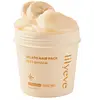 Key Ingredients
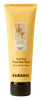
Benefits
Concerns
Ingredients Side-by-side
Water
Skin ConditioningGlycerin
Humectant


Cetearyl Alcohol
Emollient






Propylene Glycol
Humectant
Dimethicone
Emollient
Cetyl Alcohol
Emollient
Stearamidopropyl Dimethylamine
EmulsifyingEthylhexyl Palmitate
Emollient
Behentrimonium Chloride
Preservative
Parfum
Masking


Amodimethicone
Citric Acid
Buffering

Polyquaternium-47
Skin ConditioningCaprylyl Glycol
Emollient
Hydroxypropyl Starch Phosphate
Polyquaternium-10
Polyquaternium-39
Sodium Benzoate
Masking
Sodium Chloride
MaskingCocos Nucifera Oil
Masking
Hydrolyzed Silk
Humectant
CI 19140
Cosmetic ColorantMaltodextrin
Absorbent
Hydrolyzed Vegetable Protein
Skin ConditioningHydrogenated Lecithin
Emulsifying
Butylene Glycol
Humectant
Stearic Acid
Cleansing
1,2-Hexanediol
Skin Conditioning
Hydrolyzed Collagen
Emollient
Chlorella Vulgaris Extract
Skin ConditioningHydrolyzed Keratin
Humectant
Egg Yolk Extract
EmulsifyingCeramide NP
Skin Conditioning


Milk Protein Extract
Glyceryl Caprylate
EmollientCeramide Ng
Skin Conditioning
Honey Extract
Humectant
Musa Paradisiaca Fruit Extract
Skin ConditioningCholesterol
Emollient
Phytosphingosine
Skin Conditioning
Ceramide As
Skin Conditioning
Ceramide AP
Skin Conditioning
Ceramide EOP
Skin Conditioning
Water, Glycerin, Cetearyl Alcohol, Propylene Glycol, Dimethicone, Cetyl Alcohol, Stearamidopropyl Dimethylamine, Ethylhexyl Palmitate, Behentrimonium Chloride, Parfum, Amodimethicone, Citric Acid, Polyquaternium-47, Caprylyl Glycol, Hydroxypropyl Starch Phosphate, Polyquaternium-10, Polyquaternium-39, Sodium Benzoate, Sodium Chloride, Cocos Nucifera Oil, Hydrolyzed Silk, CI 19140, Maltodextrin, Hydrolyzed Vegetable Protein, Hydrogenated Lecithin, Butylene Glycol, Stearic Acid, 1,2-Hexanediol, Hydrolyzed Collagen, Chlorella Vulgaris Extract, Hydrolyzed Keratin, Egg Yolk Extract, Ceramide NP, Milk Protein Extract, Glyceryl Caprylate, Ceramide Ng, Honey Extract, Musa Paradisiaca Fruit Extract, Cholesterol, Phytosphingosine, Ceramide As, Ceramide AP, Ceramide EOP
Water
Skin ConditioningDimethicone
Emollient
Cetearyl Alcohol
Emollient
Cetyl Alcohol
Emollient
Isopropyl Myristate
Emollient
Steartrimonium Chloride
Preservative
Behentrimonium Chloride
Preservative
Amodimethicone
Propylene Glycol
Humectant
Isopropyl Alcohol
Solvent

Parfum
Masking
Cetrimonium Methosulfate
AntimicrobialCaprylyl Glycol
Emollient
Dipalmitoylethyl Hydroxyethylmonium Methosulfate
Hydroxyethylcellulose
Emulsion StabilisingVanillyl Butyl Ether
MaskingCeteareth-20
Cleansing
Polyquaternium-47
Skin ConditioningPolyquaternium-39
Isopropyl Palmitate
Emollient
Citric Acid
Buffering
Sodium Benzoate
Masking
Disodium Phosphate
BufferingPolysorbate 60
Emulsifying
Butylene Glycol
Humectant
Sodium Phosphate
BufferingGlycerin
Humectant
Hydrolyzed Silk
Humectant
1,2-Hexanediol
Skin Conditioning
Silk Amino Acids
HumectantHydrolyzed Wheat Protein
Skin ConditioningHydrolyzed Corn Protein
Skin ConditioningHydrolyzed Soy Protein
Humectant
Hydrolyzed Extensin
Skin ConditioningHydrolyzed Rice Protein
Skin ConditioningHydrolyzed Potato Protein
Skin ConditioningHydrolyzed Keratin
Humectant
Hydrolyzed Soymilk Protein
Skin ConditioningCopper Tripeptide-1
Skin Conditioning
Laminaria Digitata Extract
Skin Protecting
Spirulina Maxima Extract
SmoothingMacrocystis Pyrifera Extract
Skin Conditioning
Hydrolyzed Elastin
EmollientHydrolyzed Collagen
Emollient
Chlorella Vulgaris Extract
Skin ConditioningSea Water
HumectantFucus Vesiculosus Extract
Emollient
Aorta Extract
Skin ConditioningDextrin
AbsorbentPalmitoyl Tripeptide-5
Skin Conditioning
Milk Protein Extract
Acetyl Hexapeptide-8
Humectant
Trifolium Pratense Flower Extract
AstringentAcetyl Tetrapeptide-3
Skin Protecting
Limonene
Perfuming
Coumarin
Perfuming
Benzyl Salicylate
Perfuming
Diglycerin
Humectant
Cetrimonium Chloride
Antimicrobial
PEG-40 Hydrogenated Castor Oil
Emulsifying
Polyquaternium-10
Morinda Citrifolia Leaf Extract
Skin ConditioningMorinda Citrifolia Flower Extract
Curcuma Longa Root Extract
Antioxidant
Sodium Chloride
MaskingOcimum Sanctum Leaf Extract
Skin ConditioningCoral Extract
Skin ConditioningBeeswax
Emulsion Stabilising
Helianthus Annuus Seed Oil
Emollient
Honey
Humectant
Honey Extract
Humectant
Pentylene Glycol
Skin Conditioning
Royal Jelly Extract
Skin Conditioning
Malt Extract
Skin ProtectingPropolis Extract
Skin Conditioning

Laminaria Japonica Extract
Skin Protecting
Codium Fragile Extract
Skin Conditioning
Dextran
Melia Azadirachta Leaf Extract
Skin ConditioningMelia Azadirachta Flower Extract
Skin ConditioningCorallina Officinalis Extract
Skin Conditioning
Water, Dimethicone, Cetearyl Alcohol, Cetyl Alcohol, Isopropyl Myristate, Steartrimonium Chloride, Behentrimonium Chloride, Amodimethicone, Propylene Glycol, Isopropyl Alcohol, Parfum, Cetrimonium Methosulfate, Caprylyl Glycol, Dipalmitoylethyl Hydroxyethylmonium Methosulfate, Hydroxyethylcellulose, Vanillyl Butyl Ether, Ceteareth-20, Polyquaternium-47, Polyquaternium-39, Isopropyl Palmitate, Citric Acid, Sodium Benzoate, Disodium Phosphate, Polysorbate 60, Butylene Glycol, Sodium Phosphate, Glycerin, Hydrolyzed Silk, 1,2-Hexanediol, Silk Amino Acids, Hydrolyzed Wheat Protein, Hydrolyzed Corn Protein, Hydrolyzed Soy Protein, Hydrolyzed Extensin, Hydrolyzed Rice Protein, Hydrolyzed Potato Protein, Hydrolyzed Keratin, Hydrolyzed Soymilk Protein, Copper Tripeptide-1, Laminaria Digitata Extract, Spirulina Maxima Extract, Macrocystis Pyrifera Extract, Hydrolyzed Elastin, Hydrolyzed Collagen, Chlorella Vulgaris Extract, Sea Water, Fucus Vesiculosus Extract, Aorta Extract, Dextrin, Palmitoyl Tripeptide-5, Milk Protein Extract, Acetyl Hexapeptide-8, Trifolium Pratense Flower Extract, Acetyl Tetrapeptide-3, Limonene, Coumarin, Benzyl Salicylate, Diglycerin, Cetrimonium Chloride, PEG-40 Hydrogenated Castor Oil, Polyquaternium-10, Morinda Citrifolia Leaf Extract, Morinda Citrifolia Flower Extract, Curcuma Longa Root Extract, Sodium Chloride, Ocimum Sanctum Leaf Extract, Coral Extract, Beeswax, Helianthus Annuus Seed Oil, Honey, Honey Extract, Pentylene Glycol, Royal Jelly Extract, Malt Extract, Propolis Extract, Laminaria Japonica Extract, Codium Fragile Extract, Dextran, Melia Azadirachta Leaf Extract, Melia Azadirachta Flower Extract, Corallina Officinalis Extract
Ingredients Explained
These ingredients are found in both products.
Ingredients higher up in an ingredient list are typically present in a larger amount.
1,2-Hexanediol is a synthetic liquid and another multi-functional powerhouse.
It is a:
- Humectant, drawing moisture into the skin
- Emollient, helping to soften skin
- Solvent, dispersing and stabilizing formulas
- Preservative booster, enhancing the antimicrobial activity of other preservatives
This water-soluble silicone is used for its hydrating and softening properties. It is used to add a silky feel to skincare products and has great benefits for haircare.
In haircare, this ingredient:
- Adds shine
- Protects color
- Offers thermal protection
- Boosts hair strength
- Does not build up as easily
This ingredient is a preservative and often used for it's anti-static properties. You'll most likely see this ingredient in hair conditioners.
It does not cause irritation or sensitization in leave-on products at 1-5%.
Butylene Glycol (or BG) is used within cosmetic products for a few different reasons:
Overall, Butylene Glycol is a safe and well-rounded ingredient that works well with other ingredients.
Though this ingredient works well with most skin types, some people with sensitive skin may experience a reaction such as allergic rashes, closed comedones, or itchiness.
Learn more about Butylene GlycolCaprylyl Glycol is a humectant, skin conditioner, emollient, and preservative booster derived from either caprylic acid or synthetically created.
Typical use levels vary from 0.3-1% as a preservative booster and go up to 2% to condition skin.
Because it is not a free-fatty acid, this ingredient is fungal acne safe (there's nothing for Malassezia to feed on).
Learn more about Caprylyl GlycolCetearyl alcohol is a waxy mixture of two fatty alcohols: cetyl alcohol and stearyl alcohol. It is an emollient and emulsifier.
Despite having "alcohol" in its name, it has nothing to do with drying solvent alcohols; the FDA also allows "alcohol-free" products to contain fatty alcohols like this ingredient.
It plays several roles in a formula:
Typical use levels for this ingredient sit around 1-10% and the Cosmetic Ingredient Review Expert Panel has affirmed safety at concentrations up to 25% in leave-on products.
Multiple assessments have found it to be non-irritating and non-sensitizing to most people.
However, there have been some cases of allergic contact dermatitis in patients with chronically compromised skin barriers.
Cetearyl alcohol has a comedogenic rating of 2 and irritancy rating of 1. Both of these numbers come from the 1989 study that used rabbit ears; a "2" means mildly comedogenic and a "1" means low irritancy.
Here's the catch: rabbit skin is more sensitive than human skin and throws a lot of false positives. A 1996 reappraisal found that ingredients rated 1-2 in the rabbit ear tests are generally safe for humans.
Remember comedogenic ratings are unable to assess the entire formula of a product or how it will react on your skin. Just be sure to patch test if you are unsure about certain ingredients.
This ingredient is not fungal acne safe. Cetearyl alcohol is a fatty alcohol with chain lengths that fall within the range that Malassezia can metabolize.
A 2019 study has also observed Malassezia growth in the presence of this ingredient, confirming it to be not-fungal acne safe.
Learn more about Cetearyl AlcoholCetyl Alcohol is a fatty alcohol. Fatty Alcohols are most often used as an emollient or to thicken a product.
Its main roles are:
Though it has "alcohol" in the name, it is not related to denatured alcohol or ethyl alcohol.
The FDA allows products labeled "alcohol-free" to have fatty alcohols.
This ingredient may not be fungal acne safe. It is a primary fatty alcohol with a chain length above 12 carbons. A study from 2019 show Malassezia can feed on fatty alcohols in this range, so it may trigger fungal acne in those prone to it.
Learn more about Cetyl AlcoholChlorella Vulgaris Extract comes from a single-celled green freshwater algae.
The version used in skincare is almost always a water or glycerin-based extract that is basically the algae's amino acids, peptides, sugars, and chlorophyll pigments.
It acts as a skin-conditioning agent and the research behind it at this time is mostly lab-dish rather than human trials.
Isolated Chlorella peptides inhibit collagenase and elastase (the enzymes that chew up collagen and elastin) and mop up free radicals in test-tube assays. Another study found a Chlorella gel sped up wound healing in mice. Many of the firming or dark-circle claims come from the ingredient supplier's own studies.
Suppliers suggest using 1-2% of the trade version (Water/Glycerin + Chlorella Vulgaris Extract) in a finished formula which means the actual algae solids are a fraction of a percent.
Allergy risk is low and topical reactions are rare; the 2020 anaphylaxis case came from eating Chlorella supplements and not from putting it on skin.
However, patch testing is sensible if you have reacted to algae before.
The "chlorella is high in iodine so it breaks you out" line borrows from marine seaweed. Freshwater Chlorella isn't a notable iodine source unless it's deliberately grown in iodine-enriched medium.
Just so you know, many lists give algae a comedogenic rating of 5 and that number doesn't come from anywhere; it's not in the original rabbit-ear studies that most comedogenic ratings trace back to.
The reasoning behind the reputation is that seaweed is high in iodine and iodine can trigger acne-like breakouts when eaten. This traces back to a 1976 letter in Archives of Dermatology describing two women whose breakouts cleared after they stopped taking high-dose kelp supplements orally.
And the reaction of these two women wasn't clogged pores at all: it was an iodine-triggered pustular rash. Later research found normal dietary iodine doesn't meaningfully affect acne either and nobody has shown topical algae delivers enough iodine to matter.
Learn more about Chlorella Vulgaris ExtractCitric Acid is an alpha hydroxy acid (AHA) naturally found in citrus fruits like oranges, lemons, and limes.
Like other AHAs, citric acid can exfoliate skin by breaking down the bonds that hold dead skin cells together. This helps reveal smoother and brighter skin underneath.
However, this exfoliating effect only happens at high concentrations (20%) which can be hard to find in cosmetic products.
Due to this, citric acid is usually included in small amounts as a pH adjuster. This helps keep products slightly more acidic and compatible with skin's natural pH.
In skincare formulas, citric acid can:
While it can provide some skin benefits, research shows lactic acid and glycolic acid are generally more effective and less irritating exfoliants.
Most citric acid used in skincare today is made by fermenting sugars (usually from molasses). This synthetic version is identical to the natural citrus form but easier to stabilize and use in formulations.
Rosacea skin has a lower threshold for acids generally, with 62.5% of rosacea subjects in one study reacting to lactic acid in a sting test. This is why we mark citric acid as a potential rosacea trigger.
However, this ingredient shows up as a pH adjuster or chelator at roughly 0.1-1% in many products. These low levels are unlikely to be an issue for rosacea skin and becomes a potential trigger at exfoliating concentrations (20%). Because everybody's skin is unique, we recommend a patch test if you are unsure.
Learn more about Citric AcidDimethicone is a type of synthetic silicone created from natural materials such as quartz. It is also known as polydimethylsiloxane.
What it does:
Dimethicone comes in different viscosities:
Depending on the viscosity, dimethicone has different properties.
Ingredients lists don't always show which type is used, so we recommend reaching out to the brand if you have questions about the viscosity.
This ingredient is unlikely to cause irritation because it does not get absorbed into skin. However, people with silicone allergies should be careful about using this ingredient.
Note: Dimethicone may contribute to pilling. This is because it is not oil or water soluble, so pilling may occur when layered with products. When mixed with heavy oils in a formula, the outcome is also quite greasy.
Learn more about DimethiconeGlycerin (or glycerol) is a compound naturally found in your skin. It's a powerhouse humectant that pulls water into the stratum corneum.
Topically, glycerin does several things at once:
Your skin makes glycerin on its own (mostly from sebaceous oil breakdown) and shuttles it to your outermost layer of skin, or your epidermis, via aquaporin-3.
Aquaporin-3 is a transporter that is essential for normal skin hydration, elasticity, and repair. Interestingly, mice lacking in AQP3 have dry and less elastic skin that can be fully corrected with glycerin.
This ingredient is non-irritating, plays well with almost every ingredient, and works across all skin types. Typical use is anywhere between 3-10% but can go up to 79% in some leave-on products.
Just know very high concentrations (>40%) can feel tacky in low humidity.
Glycerin is the name for this ingredient in American English. British English uses Glycerol/Glycerine.
Learn more about GlycerinThis ingredient comes from honey made by bees. It is hydrating, antibacterial, anti-aging, and skin soothing.
Honey also contains amino acids, peptides, Vitamins A, C, and E.
The humectant property of honey draws moisture from the air to your skin. This makes it great at helping to hydrate the skin.
Honey may help reduce the signs of aging due to its antioxidant properties. Fun fact: darker honey has more antioxidants than light honey. The antibacterial property of honey may make it effective at helping to treat acne by killing acne-causing bacteria.
Many people wonder if honey extract is vegan. It is technically a byproduct from bees. This is because honey is created from the digestive enzymes in a bee's stomach.
Remember to be kind to bees :) They are important for many ecosystems and are endangered.
Learn more about Honey ExtractHydrolyzed Collagen is Collagen (usually sourced from fish, bovine, or porcine byproducts) that's been broken down into smaller peptides. This makes it water-soluble and easy to blend into formulations.
In a formula, it works mainly as a skin-conditioning and moisturizing agent.
The small peptides and amino acids (including Natural Moisturizing Factor components like Hydroxyproline, Serine, and Aspartic Acid) help the surface of the skin hold onto water, feel softer, and look temporarily plumper.
This ingredient also has mild film-forming and antioxidant properties with research showing the antioxidant effect is stronger the lower the molecular weight of the peptides.
It's worth being realistic here:
Topically applied Hydrolyzed Collagen conditions the upper layers of skin rather than rebuilding the structural collagen deep in your dermis (the wrinkle-and-firmness benefits people associate with Collagen mostly come from oral supplements in studies, not topicals).
However, recent lab and skin-model work on Hydrolyzed Fish Collagen has shown promising effects on cell viability and wound healing when used as an active.
Typical concentrations range from 0.2-2%, but the percentage can go much higher in rinse-off or hair products (sometimes even above 50%).
Clinical studies on this ingredient showed no irritation, sensitization, or phototoxicity.
If you are looking for vegan collagen, it usually goes by a different INCI name like hydrolyzed soy protein. Vegan collagen is derived from yeast, bacteria, or plant sources.
The results are varied.
A study from 2021 found hydrolyzed collagen increased elasticity and improved wrinkles in 1,125 participants between age 20 and 70. Another study found increased skin thickness in participants between the ages of 45 to 59.
However, It is difficult to prove that oral collagen will end up working on your skin. Many of the studies using hydrolyzed collagen also add several vitamins and nutrients into the test mixture as well.
Further studies are needed at this time.
Learn more about Hydrolyzed CollagenHydrolyzed Keratin is derived from keratin. Keratin is a large protein that is naturally found in our hair and skin.
Studies show keratin is able to seal broken hair cuticles, helping to prevent split ends and breakage.
As a humectant, hydrolyzed keratin helps draw moisture from the air to your hair and skin. This helps keep your skin and hair hydrated.
Learn more about Hydrolyzed KeratinYou can find hydrolyzed silk in both haircare and skincare products. According to a manufacturer, it can help improve skin and hair hydration.
This ingredient is created by adding acid or enzymes to 'hydrolyze' silk protein.
Due to the origins of this ingredient, it is not vegan. Silk is an animal product from silkworms.
Depending on the source, this ingredient can be considered cruelty-free. It is created from left-over cocoons of silkworms. We recommend reaching out to the brand if you have questions about where their hydrolyzed silk comes from.
Learn more about Hydrolyzed SilkWe don't have a description for Milk Protein Extract yet.
Parfum is a catch-all term for an ingredient or more that is used to give a scent to products.
Also called "fragrance", this ingredient can be a blend of hundreds of chemicals or plant oils. This means every product with "fragrance" or "parfum" in the ingredients list is a different mixture.
For instance, Habanolide is a proprietary trade name for a specific aroma chemical. When used as a fragrance ingredient in cosmetics, most aroma chemicals fall under the broad labeling category of “FRAGRANCE” or “PARFUM” according to EU and US regulations.
The term 'parfum' or 'fragrance' is not regulated in many countries. In many cases, it is up to the brand to define this term.
For instance, many brands choose to label themselves as "fragrance-free" because they are not using synthetic fragrances. However, their products may still contain ingredients such as essential oils that are considered a fragrance by INCI standards.
One example is Calendula flower extract. Calendula is an essential oil that still imparts a scent or 'fragrance'.
Depending on the blend, the ingredients in the mixture can cause allergies and sensitivities on the skin. Some ingredients that are known EU allergens include linalool and citronellol.
Parfum can also be used to mask or cover an unpleasant scent.
The bottom line is: not all fragrances/parfum/ingredients are created equally. If you are worried about fragrances, we recommend taking a closer look at an ingredient. And of course, we always recommend speaking with a professional.
Learn more about ParfumPolyquaternium-10 is an ammonium salt of hydroxyethylcellulose. It is a white and granular powder used as a film-former and anti-static agent.
This ingredient is commonly found in hair conditioning products. According to a manufacturer, its positive charge makes it great for absorbing hair proteins. The manufacturer also states this ingredient helps with curl retention.
For haircare friends: this ingredient is not a silicone.
Learn more about Polyquaternium-10We don't have a description for Polyquaternium-39 yet.
We don't have a description for Polyquaternium-47 yet.
Propylene Glycol is a synthetic, colorless, odorless liquid that has been a staple in cosmetics for decades. It is a skin conditioning agent, humectant, and solvent.
As a humectant, it draw water to the skin to reduce flaking and restore suppleness. It's also a solvent that helps dissolve other actives and keeps formulas stable across temperature changes.
The CIR Expert Panel has confirmed this ingredient to be nontoxic and clinical studies show no sensitization at cosmetic use concentrations.
True allergic reactions are quite rare: a 15-year retrospective study of 6,751 patients found only 0.31% had a positive reaction (and less than half were considered clinically relevant).
It seemed that when sensitization does occur, it's most commonly linked to topical medication (like corticosteroids) and not cosmetics. Allergic contact dermatitis also appears largely limited to individuals with underlying skin conditions.
Overall, propylene glycol is a well-studied ingredient that most people can tolerate without issue.
Learn more about Propylene GlycolSodium Benzoate is a preservative. It's used in both cosmetic and food products to inhibit the growth of mold and bacteria. It is typically produced synthetically.
Both the US FDA and EU Health Committee have approved the use of sodium benzoate. In the US, levels of 0.1% (of the total product) are allowed.
Sodium benzoate works as a preservative by inhibiting the growth of bacteria inside of cells. It prevents the cell from fermenting a type of sugar using an enzyme called phosphofructokinase.
It is the salt of benzoic acid. Foods containing sodium benzoate include soda, salad dressings, condiments, fruit juices, wines, and snack foods.
Studies for using ascorbic acid and sodium benzoate in cosmetics are lacking, especially in skincare routines with multiple steps.
We always recommend speaking with a professional, such as a dermatologist, if you have any concerns.
Learn more about Sodium BenzoateChances are, you eat sodium chloride every day. Sodium Chloride is also known as table salt. This ingredient has many purposes in skincare: thickener, emulsifier, and exfoliator.
You'll most likely find this ingredient in cleansers where it is used to create a gel-like texture. As an emulsifier, it also prevents ingredients from separating.
You might see people debate whether Sodium Chloride is comedogenic, but there actually haven't been any comedogenic tests done on it. Either way, the overall formulation of a product matters a lot more than any single ingredient.
You might see this ingredient used in scrubs as a primary exfoliating ingredient.
Learn more about Sodium ChlorideWater. It's the most common cosmetic ingredient of all. You'll usually see it at the top of ingredient lists, meaning that it makes up the largest part of the product.
So why is it so popular? Water most often acts as a solvent - this means that it helps dissolve other ingredients into the formulation.
You'll also recognize water as that liquid we all need to stay alive. If you see this, drink a glass of water. Remember to stay hydrated!
Learn more about Water

