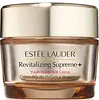
Laneige Perfect Renew 3X Cream Advanced Versus Estée Lauder Revitalizing Supreme+ Youth Power Soft Creme Moisturizer
This anti-aging moisturizer is formulated around Squalane and Retinol to soften the look of wrinkles and hydrate skin.
This anti-aging moisturizer is formulated around Moringa Oleifera Seed Extract and Acetyl Hexapeptide-8 to soften the look of wrinkles and hydrate skin.


What's inside
What's inside
 Key Ingredients
Benefits
Concerns
Ingredients Side-by-side
Water
Skin ConditioningButylene Glycol
Humectant

Glycerin
Humectant
Limnanthes Alba Seed Oil
Skin Conditioning


Squalane
Emollient
Phytosteryl/Behenyl/Octyldodecyl Lauroyl Glutamate
Skin ConditioningDimethicone
Emollient
Glyceryl Stearate Citrate
Emollient
1,2-Hexanediol
Skin Conditioning
Glyceryl Stearate
Emollient
Cetearyl Alcohol
Emollient




Pentaerythrityl Tetraethylhexanoate
Emollient
Phytosteryl/Octyldodecyl Lauroyl Glutamate
Skin ConditioningPolyglyceryl-10 Stearate
Skin Conditioning
Copernicia Cerifera Cera
Emollient
Panthenol
Skin Conditioning

Hydroxyethyl Acrylate/Sodium Acryloyldimethyl Taurate Copolymer
Emulsion StabilisingPropanediol
Solvent
Vinyl Dimethicone/Methicone Silsesquioxane Crosspolymer

Parfum
Masking


Acrylates/C10-30 Alkyl Acrylate Crosspolymer
Emulsion StabilisingTromethamine
BufferingGlyceryl Caprylate
EmollientEthylhexylglycerin
Skin ConditioningSodium Metaphosphate
BufferingAdenosine
Skin Conditioning
Sorbitan Isostearate
Emulsifying
Hydrolyzed Vegetable Protein
Skin ConditioningCamellia Japonica Seed Extract
Skin ConditioningBeta-Glucan
Skin Conditioning
Dextrin
AbsorbentPhytosterols
Skin Conditioning
Ceramide NP
Skin Conditioning
Glycine Soja Oil
Emollient
Xanthan Gum
EmulsifyingCarthamus Tinctorius Flower Extract
Skin ConditioningTheobroma Cacao Extract
Skin ConditioningPentylene Glycol
Skin Conditioning
Tocopherol
Antioxidant


Glycine Max Polypeptide
Skin Conditioning
Retinol
Skin Conditioning



Carbomer
Emulsion Stabilising3-O-Ethyl Ascorbic Acid
Skin Conditioning
Acacia Senegal Gum
MaskingPropylene Glycol Alginate
Water, Butylene Glycol, Glycerin, Limnanthes Alba Seed Oil, Squalane, Phytosteryl/Behenyl/Octyldodecyl Lauroyl Glutamate, Dimethicone, Glyceryl Stearate Citrate, 1,2-Hexanediol, Glyceryl Stearate, Cetearyl Alcohol, Pentaerythrityl Tetraethylhexanoate, Phytosteryl/Octyldodecyl Lauroyl Glutamate, Polyglyceryl-10 Stearate, Copernicia Cerifera Cera, Panthenol, Hydroxyethyl Acrylate/Sodium Acryloyldimethyl Taurate Copolymer, Propanediol, Vinyl Dimethicone/Methicone Silsesquioxane Crosspolymer, Parfum, Acrylates/C10-30 Alkyl Acrylate Crosspolymer, Tromethamine, Glyceryl Caprylate, Ethylhexylglycerin, Sodium Metaphosphate, Adenosine, Sorbitan Isostearate, Hydrolyzed Vegetable Protein, Camellia Japonica Seed Extract, Beta-Glucan, Dextrin, Phytosterols, Ceramide NP, Glycine Soja Oil, Xanthan Gum, Carthamus Tinctorius Flower Extract, Theobroma Cacao Extract, Pentylene Glycol, Tocopherol, Glycine Max Polypeptide, Retinol, Carbomer, 3-O-Ethyl Ascorbic Acid, Acacia Senegal Gum, Propylene Glycol Alginate
Water
Skin ConditioningIsononyl Isononanoate
EmollientC12-20 Acid PEG-8 Ester
Emulsifying
Glycerin
Humectant
Butylene Glycol
Humectant
Dimethicone
Emollient
Butyrospermum Parkii Butter
Skin Conditioning
Cetyl Alcohol
Emollient
Moringa Oleifera Seed Extract
Skin Conditioning
Hibiscus Sinensis Flower Extract
Skin ConditioningSodium Hyaluronate
Humectant
Acetyl Hexapeptide-8
Humectant
Laminaria Digitata Extract
Skin Protecting
Whey Protein
Skin ConditioningOpuntia Tuna Fruit Extract
Skin ConditioningAcetyl Glucosamine
Skin Conditioning
Tocopheryl Acetate
Antioxidant
Narcissus Tazetta Bulb Extract
Astringent
Algae Extract
Emollient
Pyrus Malus Fruit Extract
Skin Conditioning
Cucumis Sativus Fruit Extract
Emollient
Lens Esculenta Fruit Extract
Skin ConditioningCitrullus Lanatus Fruit Extract
Skin Conditioning
Laminaria Saccharina Extract
Skin Protecting
Silybum Marianum Extract
Skin Conditioning
Helianthus Annuus Seed Extract
Skin Conditioning
Sigesbeckia Orientalis Extract
Skin ConditioningCaffeine
Skin Conditioning
Hordeum Vulgare Extract
EmollientSodium Lactate
Buffering
Sorbitol
Humectant
Ethylhexylglycerin
Skin ConditioningPropylene Glycol Dicaprate
EmollientGlucose
Humectant
Glucose Oxidase
StabilisingSodium PCA
Humectant
Sucrose
Humectant
Xanthan Gum
EmulsifyingSodium Hydroxide
BufferingCarbomer
Emulsion StabilisingPentylene Glycol
Skin Conditioning
Lactoperoxidase
StabilisingIsoceteth-20
EmulsifyingSodium Dehydroacetate
Preservative
Potassium Cetyl Phosphate
EmulsifyingPEG-100 Stearate
Surfactant
Tetrahexyldecyl Ascorbate
Antioxidant
Acrylates/C10-30 Alkyl Acrylate Crosspolymer
Emulsion StabilisingAmmonium Acryloyldimethyltaurate/Vp Copolymer
Parfum
Masking
Potassium Phosphate
BufferingSodium Chloride
MaskingBHT
Antioxidant
Potassium Sorbate
Preservative
Sodium Benzoate
Masking
Phenoxyethanol
Preservative
CI 14700
Cosmetic ColorantWater, Isononyl Isononanoate, C12-20 Acid PEG-8 Ester, Glycerin, Butylene Glycol, Dimethicone, Butyrospermum Parkii Butter, Cetyl Alcohol, Moringa Oleifera Seed Extract, Hibiscus Sinensis Flower Extract, Sodium Hyaluronate, Acetyl Hexapeptide-8, Laminaria Digitata Extract, Whey Protein, Opuntia Tuna Fruit Extract, Acetyl Glucosamine, Tocopheryl Acetate, Narcissus Tazetta Bulb Extract, Algae Extract, Pyrus Malus Fruit Extract, Cucumis Sativus Fruit Extract, Lens Esculenta Fruit Extract, Citrullus Lanatus Fruit Extract, Laminaria Saccharina Extract, Silybum Marianum Extract, Helianthus Annuus Seed Extract, Sigesbeckia Orientalis Extract, Caffeine, Hordeum Vulgare Extract, Sodium Lactate, Sorbitol, Ethylhexylglycerin, Propylene Glycol Dicaprate, Glucose, Glucose Oxidase, Sodium PCA, Sucrose, Xanthan Gum, Sodium Hydroxide, Carbomer, Pentylene Glycol, Lactoperoxidase, Isoceteth-20, Sodium Dehydroacetate, Potassium Cetyl Phosphate, PEG-100 Stearate, Tetrahexyldecyl Ascorbate, Acrylates/C10-30 Alkyl Acrylate Crosspolymer, Ammonium Acryloyldimethyltaurate/Vp Copolymer, Parfum, Potassium Phosphate, Sodium Chloride, BHT, Potassium Sorbate, Sodium Benzoate, Phenoxyethanol, CI 14700
Reviews
Ingredients Explained
These ingredients are found in both products.
Ingredients higher up in an ingredient list are typically present in a larger amount.
Acrylates/C10-30 Alkyl Acrylate Crosspolymer is a synthetic polymer. It is used to thicken, emulsify, and improve the texture of products.
As an emulsifier, it helps stabilize oil-in-water emulsions to give products an elegant feel when applied.
It can also form a thin protective film on skin. One study found that a formula using this polymer helped slow down how quickly other ingredients (like DEET) were absorbed through skin.
A 2024 study of over 1,300 patients confirmed that sensitization to this ingredient is rare. It is also non-mutagenic and has a clean track record.
Learn more about Acrylates/C10-30 Alkyl Acrylate CrosspolymerButylene Glycol (or BG) is used within cosmetic products for a few different reasons:
Overall, Butylene Glycol is a safe and well-rounded ingredient that works well with other ingredients.
Though this ingredient works well with most skin types, some people with sensitive skin may experience a reaction such as allergic rashes, closed comedones, or itchiness.
Learn more about Butylene GlycolCarbomer is a synthetic thickening and gelling agent. It's basically the ingredient that gives a lot of serums, gels, creams, and sunscreens their smooth, non-sticky texture.
Although legally permitted at very high levels, carbomers are normally used at concentrations below 1%.
It also needs to be neutralized to actually thicken, and because it is a large molecule, it doesn't really penetrate the skin barrier.
Allergy-wise, the risk is very low. Clinical studies show carbomers have low potential for skin irritation/sensitization even at concentrations up to 100%.
A 2024 UK study patch-tested 1,302 patients and found true allergy to the parent group of carbomer to be rare with no confirmed relevant reactions.
Learn more about CarbomerDimethicone is a type of synthetic silicone created from natural materials such as quartz. It is also known as polydimethylsiloxane.
What it does:
Dimethicone comes in different viscosities:
Depending on the viscosity, dimethicone has different properties.
Ingredients lists don't always show which type is used, so we recommend reaching out to the brand if you have questions about the viscosity.
This ingredient is unlikely to cause irritation because it does not get absorbed into skin. However, people with silicone allergies should be careful about using this ingredient.
Note: Dimethicone may contribute to pilling. This is because it is not oil or water soluble, so pilling may occur when layered with products. When mixed with heavy oils in a formula, the outcome is also quite greasy.
Learn more about DimethiconeEthylhexylglycerin is created from glycerin. It is a multitasker ingredient that:
The CIR Expert Panel found minimal skin absorption or sensitization of any kind in a safety assessment. Though this ingredient is considered well-tolerated, a small number of cases of allergic dermatitis have been published since 2002. Just be sure to patch test if you are unsure.
Industry-reported use ranges from 8% in rinse-off products and 2% in leave-on formulations.
Learn more about EthylhexylglycerinGlycerin (or glycerol) is a compound naturally found in your skin. It's a powerhouse humectant that pulls water into the stratum corneum.
Topically, glycerin does several things at once:
Your skin makes glycerin on its own (mostly from sebaceous oil breakdown) and shuttles it to your outermost layer of skin, or your epidermis, via aquaporin-3.
Aquaporin-3 is a transporter that is essential for normal skin hydration, elasticity, and repair. Interestingly, mice lacking in AQP3 have dry and less elastic skin that can be fully corrected with glycerin.
This ingredient is non-irritating, plays well with almost every ingredient, and works across all skin types. Typical use is anywhere between 3-10% but can go up to 79% in some leave-on products.
Just know very high concentrations (>40%) can feel tacky in low humidity.
Glycerin is the name for this ingredient in American English. British English uses Glycerol/Glycerine.
Learn more about GlycerinParfum is a catch-all term for an ingredient or more that is used to give a scent to products.
Also called "fragrance", this ingredient can be a blend of hundreds of chemicals or plant oils. This means every product with "fragrance" or "parfum" in the ingredients list is a different mixture.
For instance, Habanolide is a proprietary trade name for a specific aroma chemical. When used as a fragrance ingredient in cosmetics, most aroma chemicals fall under the broad labeling category of “FRAGRANCE” or “PARFUM” according to EU and US regulations.
The term 'parfum' or 'fragrance' is not regulated in many countries. In many cases, it is up to the brand to define this term.
For instance, many brands choose to label themselves as "fragrance-free" because they are not using synthetic fragrances. However, their products may still contain ingredients such as essential oils that are considered a fragrance by INCI standards.
One example is Calendula flower extract. Calendula is an essential oil that still imparts a scent or 'fragrance'.
Depending on the blend, the ingredients in the mixture can cause allergies and sensitivities on the skin. Some ingredients that are known EU allergens include linalool and citronellol.
Parfum can also be used to mask or cover an unpleasant scent.
The bottom line is: not all fragrances/parfum/ingredients are created equally. If you are worried about fragrances, we recommend taking a closer look at an ingredient. And of course, we always recommend speaking with a professional.
Learn more about ParfumPentylene Glycol (1,2-pentanediol) is a multitasking little diol with three main roles in a formula:
Research on alkanediols (the family pentylene glycol belongs to) show they work by disrupting microbial cell membranes. This disruption helps the primary preservative system in a product work more effectively at lower doses.
On the safety side, the Cosmetic Ingredient Review Expert Panel has concluded this ingredient to be safe as used in current cosmetic practices + concentrations.
Typical use levels in a formula run about 1-5%.
Learn more about Pentylene GlycolWater. It's the most common cosmetic ingredient of all. You'll usually see it at the top of ingredient lists, meaning that it makes up the largest part of the product.
So why is it so popular? Water most often acts as a solvent - this means that it helps dissolve other ingredients into the formulation.
You'll also recognize water as that liquid we all need to stay alive. If you see this, drink a glass of water. Remember to stay hydrated!
Learn more about WaterXanthan gum is used as a stabilizer and thickener within cosmetic products. It helps give products a sticky, thick feeling - preventing them from being too runny.
On the technical side of things, xanthan gum is a polysaccharide - a combination consisting of multiple sugar molecules bonded together.
Xanthan gum is a pretty common and great ingredient. It is a natural, non-toxic, non-irritating ingredient that is also commonly used in food products.
Learn more about Xanthan Gum

