
What's inside
What's inside
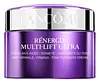 Key Ingredients
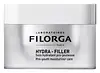
Benefits
Concerns
Ingredients Side-by-side
Water
Skin ConditioningGlycerin
Humectant


Dimethicone
Emollient
Butyrospermum Parkii Butter
Skin Conditioning


Octyldodecanol
Emollient
Butylene Glycol
Humectant
Cetyl Alcohol
Emollient
PEG-100 Stearate
Surfactant
Glyceryl Stearate
Emollient
3-O-Ethyl Ascorbic Acid
Skin Conditioning




Tocopheryl Acetate
Antioxidant

C13-14 Isoparaffin
Emollient
Guanosine
Skin ConditioningCyathea Medullaris Leaf Extract
Skin ConditioningVaccinium Myrtillus Fruit Extract
Skin ConditioningSaccharum Officinarum Extract
MoisturisingHydroxypropyl Tetrahydropyrantriol
Skin ConditioningSodium Citrate
BufferingHydrolyzed Linseed Extract
Skin ConditioningHydrolyzed Lupine Protein
Skin ConditioningSodium Benzoate
Masking
Sodium Levulinate
Skin ConditioningStearic Acid
Cleansing
Phenoxyethanol
Preservative
Phenylethyl Resorcinol
Antioxidant
Adenosine
Skin Conditioning

Acer Saccharum Extract
Skin ConditioningPalmitic Acid
Emollient
Polyacrylamide
Chlorphenesin
Antimicrobial
Poloxamer 338
EmulsifyingLimonene
Perfuming




Xanthan Gum
EmulsifyingPentaerythrityl Tetra-Di-T-Butyl Hydroxyhydrocinnamate
Antioxidant
Benzyl Alcohol
Perfuming
Cinnamic Acid
Perfuming
Propylene Glycol
Humectant
2-Oleamido-1,3-Octadecanediol
Skin ConditioningLeontopodium Alpinum Extract
Skin ConditioningBiosaccharide Gum-1
Humectant
Alpha-Isomethyl Ionone
Perfuming
Acrylates/C10-30 Alkyl Acrylate Crosspolymer
Emulsion StabilisingMyristic Acid
Cleansing
Geraniol
Perfuming
Disodium EDTA
Citric Acid
Buffering
Potassium Hydroxide
BufferingCitrus Aurantium Dulcis Fruit Extract
MaskingCitrus Limon Fruit Extract
Masking
Potassium Sorbate
Preservative
BHT
Antioxidant
Laureth-7
EmulsifyingLevulinic Acid
Perfuming
Hexyl Cinnamal
Perfuming
Glyceryl Caprylate
EmollientParfum
Masking
Water, Glycerin, Dimethicone, Butyrospermum Parkii Butter, Octyldodecanol, Butylene Glycol, Cetyl Alcohol, PEG-100 Stearate, Glyceryl Stearate, 3-O-Ethyl Ascorbic Acid, Tocopheryl Acetate, C13-14 Isoparaffin, Guanosine, Cyathea Medullaris Leaf Extract, Vaccinium Myrtillus Fruit Extract, Saccharum Officinarum Extract, Hydroxypropyl Tetrahydropyrantriol, Sodium Citrate, Hydrolyzed Linseed Extract, Hydrolyzed Lupine Protein, Sodium Benzoate, Sodium Levulinate, Stearic Acid, Phenoxyethanol, Phenylethyl Resorcinol, Adenosine, Acer Saccharum Extract, Palmitic Acid, Polyacrylamide, Chlorphenesin, Poloxamer 338, Limonene, Xanthan Gum, Pentaerythrityl Tetra-Di-T-Butyl Hydroxyhydrocinnamate, Benzyl Alcohol, Cinnamic Acid, Propylene Glycol, 2-Oleamido-1,3-Octadecanediol, Leontopodium Alpinum Extract, Biosaccharide Gum-1, Alpha-Isomethyl Ionone, Acrylates/C10-30 Alkyl Acrylate Crosspolymer, Myristic Acid, Geraniol, Disodium EDTA, Citric Acid, Potassium Hydroxide, Citrus Aurantium Dulcis Fruit Extract, Citrus Limon Fruit Extract, Potassium Sorbate, BHT, Laureth-7, Levulinic Acid, Hexyl Cinnamal, Glyceryl Caprylate, Parfum
Ethylhexyl Palmitate
Emollient
Isodecyl Neopentanoate
EmollientGlycerin
Humectant
Pentaerythrityl Tetracaprylate/Tetracaprate
EmollientArachidyl Alcohol
Emollient
Behenyl Alcohol
Emollient
Polymethyl Acrylate
Ammonium Acryloyldimethyltaurate/Vp Copolymer
Sodium Hyaluronate
Humectant
1,2-Hexanediol
Skin Conditioning
Sucrose Palmitate
EmollientGlyceryl Stearate
Emollient
PEG-100 Stearate
Surfactant
Caprylic/Capric Triglyceride
Masking
Chlorphenesin
Antimicrobial
Sorbitan Oleate
Emulsifying
Glyceryl Linoleate
Emollient
Prunus Amygdalus Dulcis Oleosomes
EmollientSesamum Indicum Seed
Abrasive
Biosaccharide Gum-1
Humectant
Sorbitan Laurate
Emulsifying
Levulinic Acid
Perfuming
Polyglyceryl-10 Laurate
Skin Conditioning
Salicornia Herbacea Extract
Skin ConditioningSodium Hydroxide
BufferingMagnesium Sulfate
Glutamine
Skin ConditioningTocopherol
Antioxidant
Lysine Hcl
Skin Conditioning
Arginine Hcl
Skin ConditioningAlanine
Masking
Histidine Hcl
Skin ConditioningValine
MaskingLeucine
Skin ConditioningIsoleucine
Skin ConditioningTryptophan
MaskingPhenylalanine
Masking
Tyrosine
MaskingPolysorbate 80
Emulsifying
Serine
Masking
Cystine
MaskingCyanocobalamin
Skin ConditioningGlutathione
Asparagine
MaskingNicotinamide Adenine Dinucleotide
Skin ConditioningProline
Skin Conditioning
Methionine
Skin ConditioningTaurine
BufferingHydroxyproline
Skin ConditioningGlucosamine Hcl
Retinyl Acetate
Skin Conditioning
Inositol
Humectant
Niacin
SmoothingNiacinamide
Smoothing


Pyridoxine Hcl
Skin ConditioningBiotin
AntiseborrhoeicRiboflavin
Cosmetic ColorantEthylhexyl Palmitate, Isodecyl Neopentanoate, Glycerin, Pentaerythrityl Tetracaprylate/Tetracaprate, Arachidyl Alcohol, Behenyl Alcohol, Polymethyl Acrylate, Ammonium Acryloyldimethyltaurate/Vp Copolymer, Sodium Hyaluronate, 1,2-Hexanediol, Sucrose Palmitate, Glyceryl Stearate, PEG-100 Stearate, Caprylic/Capric Triglyceride, Chlorphenesin, Sorbitan Oleate, Glyceryl Linoleate, Prunus Amygdalus Dulcis Oleosomes, Sesamum Indicum Seed, Biosaccharide Gum-1, Sorbitan Laurate, Levulinic Acid, Polyglyceryl-10 Laurate, Salicornia Herbacea Extract, Sodium Hydroxide, Magnesium Sulfate, Glutamine, Tocopherol, Lysine Hcl, Arginine Hcl, Alanine, Histidine Hcl, Valine, Leucine, Isoleucine, Tryptophan, Phenylalanine, Tyrosine, Polysorbate 80, Serine, Cystine, Cyanocobalamin, Glutathione, Asparagine, Nicotinamide Adenine Dinucleotide, Proline, Methionine, Taurine, Hydroxyproline, Glucosamine Hcl, Retinyl Acetate, Inositol, Niacin, Niacinamide, Pyridoxine Hcl, Biotin, Riboflavin
Ingredients Explained
These ingredients are found in both products.
Ingredients higher up in an ingredient list are typically present in a larger amount.
Biosaccharide Gum-1 is a sugar created by fermenting sorbitol (which usually comes from potato starch!). It is known for its soothing and moisturizing properties.
Manufacturer tests show this ingredient helped reduce irritation from lactic acid by almost half and kept skin hydrated long-term as a humectant
Beyond hydration, Biosaccharide Gum-1 gives formulas a silky, non-sticky feel.
This ingredient is gentle, versatile, and suitable for all skin types.
Fun fact: Similar sugars can be found naturally in fruits like apples and pears.
Learn more about Biosaccharide Gum-1Chlorphenesin is a synthetic preservative. It helps protect a product against bacteria in order to extend shelf life. In most cases, Chlorphenesin is paired with other preservatives such as phenoxyethanol and caprylyl glycol.
Chlorphenesin is a biocide. This means it is able to help fight the microorganisms on our skin. It is also able to fight odor-releasing bacteria.
Chlorphenesin is soluble in both water and glycerin.
Studies show Chlorphenesin is easily absorbed by our skin. You should speak with a skincare professional if you have concerns about using Chlorphenesin.
Learn more about ChlorphenesinGlycerin (or glycerol) is a compound naturally found in your skin. It's a powerhouse humectant that pulls water into the stratum corneum.
Topically, glycerin does several things at once:
Your skin makes glycerin on its own (mostly from sebaceous oil breakdown) and shuttles it to your outermost layer of skin, or your epidermis, via aquaporin-3.
Aquaporin-3 is a transporter that is essential for normal skin hydration, elasticity, and repair. Interestingly, mice lacking in AQP3 have dry and less elastic skin that can be fully corrected with glycerin.
This ingredient is non-irritating, plays well with almost every ingredient, and works across all skin types. Typical use is anywhere between 3-10% but can go up to 79% in some leave-on products.
Just know very high concentrations (>40%) can feel tacky in low humidity.
Glycerin is the name for this ingredient in American English. British English uses Glycerol/Glycerine.
Learn more about GlycerinGlyceryl Stearate is made by reacting glycerin with stearic acid (typically sourced from plant oils like palm or coconut). It's an emulsifier, emollient, and mild occlusive.
Emulsifiers help ingredients like oil and water stay mixed so your formula stays nicely blended and uniform in texture.
This ingredient is typically used in concentrations between 1-10%. Studies have found it to be non-sensitizing, non-phototoxic, and non-photoallergenic.
A close cousin of this ingredient is Glyceryl Stearate SE ("self-emulsifying"). This just has a small amount of sodium or potassium stearate added so it can emulsify without a co-emulsifier.
Since this ingredient is an ester of a C18 fatty acid, it may not be fungal acne safe. The Malassezia yeast can potentially metabolize within the C11-C24 range.
Fun fact: The human body also creates Glyceryl Stearate naturally.
Learn more about Glyceryl StearateLevulinic Acid is a fragrance that comes from the degradation of cellulose. It is a saturated fatty acid.
This ingredient is often used a building block for other compounds, such as in pharmaceuticals.
According to a manufacturer, this ingredient smells like caramel.
Learn more about Levulinic AcidPeg-100 Stearate is an emollient and emulsifier. As an emollient, it helps keep skin soft by trapping moisture in. On the other hand, emulsifiers help prevent oil and water from separating in a product.
PEGS are a hydrophilic polyether compound . There are 100 ethylene oxide monomers in Peg-100 Stearate. Peg-100 Stearate is polyethylene glycol ester of stearic acid.

