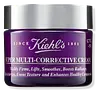
This anti-aging moisturizer is formulated around Capryloyl Salicylic Acid and Adenosine to soften the look of wrinkles.
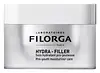
This anti-aging moisturizer is formulated around Sodium Hyaluronate to soften the look of wrinkles and hydrate skin.


What's inside
What's inside
 Key Ingredients
Benefits
Concerns
Ingredients Side-by-side
Water
Skin ConditioningGlycerin
Humectant


Dicaprylyl Ether
Emollient
Butyrospermum Parkii Butter
Skin Conditioning




Hydroxypropyl Tetrahydropyrantriol
Skin ConditioningIsononyl Isononanoate
EmollientPropylene Glycol
Humectant
Isopropyl Isostearate
Emollient
Cetyl Alcohol
Emollient

Dimethicone
Emollient
Behenyl Alcohol
Emollient
Candelilla Cera
Emollient
Euphorbia Cerifera Cera
Astringent
Glyceryl Stearate
Emollient
Stearic Acid
Cleansing
Hydroxyethylpiperazine Ethane Sulfonic Acid
BufferingPalmitic Acid
Emollient
Phenoxyethanol
Preservative
Cetearyl Alcohol
Emollient
Citric Acid
Buffering

Carbomer
Emulsion StabilisingCapryloyl Salicylic Acid
Exfoliating




Sodium Hydroxide
BufferingCaprylyl Glycol
Emollient
PEG-100 Stearate
Surfactant
Vigna Aconitifolia Seed Extract
Skin ConditioningTocopherol
Antioxidant



Xanthan Gum
EmulsifyingCetearyl Glucoside
Emulsifying
Sodium Cocoyl Glutamate
Cleansing
Sodium Hyaluronate
Humectant
Disodium EDTA
ChelatingPentylene Glycol
Skin Conditioning
Jasminum Officinale Flower Extract
Masking


Myristic Acid
Cleansing
Rosmarinus Officinalis Leaf Oil
Masking
Adenosine
Skin Conditioning
Inonotus Obliquus Extract
Skin ConditioningLimonene
Perfuming
Linalool
Perfuming
Pelargonium Graveolens Flower Oil
Masking
Lavandula Angustifolia Oil
Masking
Rosa Damascena Flower Oil
Masking
Water, Glycerin, Dicaprylyl Ether, Butyrospermum Parkii Butter, Hydroxypropyl Tetrahydropyrantriol, Isononyl Isononanoate, Propylene Glycol, Isopropyl Isostearate, Cetyl Alcohol, Dimethicone, Behenyl Alcohol, Candelilla Cera, Euphorbia Cerifera Cera, Glyceryl Stearate, Stearic Acid, Hydroxyethylpiperazine Ethane Sulfonic Acid, Palmitic Acid, Phenoxyethanol, Cetearyl Alcohol, Citric Acid, Carbomer, Capryloyl Salicylic Acid, Sodium Hydroxide, Caprylyl Glycol, PEG-100 Stearate, Vigna Aconitifolia Seed Extract, Tocopherol, Xanthan Gum, Cetearyl Glucoside, Sodium Cocoyl Glutamate, Sodium Hyaluronate, Disodium EDTA, Pentylene Glycol, Jasminum Officinale Flower Extract, Myristic Acid, Rosmarinus Officinalis Leaf Oil, Adenosine, Inonotus Obliquus Extract, Limonene, Linalool, Pelargonium Graveolens Flower Oil, Lavandula Angustifolia Oil, Rosa Damascena Flower Oil
Ethylhexyl Palmitate
Emollient
Isodecyl Neopentanoate
EmollientGlycerin
Humectant
Pentaerythrityl Tetracaprylate/Tetracaprate
EmollientArachidyl Alcohol
Emollient
Behenyl Alcohol
Emollient
Polymethyl Acrylate
Ammonium Acryloyldimethyltaurate/Vp Copolymer
Sodium Hyaluronate
Humectant
1,2-Hexanediol
Skin Conditioning
Sucrose Palmitate
EmollientGlyceryl Stearate
Emollient
PEG-100 Stearate
Surfactant
Caprylic/Capric Triglyceride
Masking
Chlorphenesin
Antimicrobial
Sorbitan Oleate
Emulsifying
Glyceryl Linoleate
Emollient
Prunus Amygdalus Dulcis Oleosomes
EmollientSesamum Indicum Seed
Abrasive
Biosaccharide Gum-1
Humectant
Sorbitan Laurate
Emulsifying
Levulinic Acid
Perfuming
Polyglyceryl-10 Laurate
Skin Conditioning
Salicornia Herbacea Extract
Skin ConditioningSodium Hydroxide
BufferingMagnesium Sulfate
Glutamine
Skin ConditioningTocopherol
Antioxidant
Lysine Hcl
Skin Conditioning
Arginine Hcl
Skin ConditioningAlanine
Masking
Histidine Hcl
Skin ConditioningValine
MaskingLeucine
Skin ConditioningIsoleucine
Skin ConditioningTryptophan
MaskingPhenylalanine
Masking
Tyrosine
MaskingPolysorbate 80
Emulsifying
Serine
Masking
Cystine
MaskingCyanocobalamin
Skin ConditioningGlutathione
Asparagine
MaskingNicotinamide Adenine Dinucleotide
Skin ConditioningProline
Skin Conditioning
Methionine
Skin ConditioningTaurine
BufferingHydroxyproline
Skin ConditioningGlucosamine Hcl
Retinyl Acetate
Skin Conditioning
Inositol
Humectant
Niacin
SmoothingNiacinamide
Smoothing

Pyridoxine Hcl
Skin ConditioningBiotin
AntiseborrhoeicRiboflavin
Cosmetic ColorantEthylhexyl Palmitate, Isodecyl Neopentanoate, Glycerin, Pentaerythrityl Tetracaprylate/Tetracaprate, Arachidyl Alcohol, Behenyl Alcohol, Polymethyl Acrylate, Ammonium Acryloyldimethyltaurate/Vp Copolymer, Sodium Hyaluronate, 1,2-Hexanediol, Sucrose Palmitate, Glyceryl Stearate, PEG-100 Stearate, Caprylic/Capric Triglyceride, Chlorphenesin, Sorbitan Oleate, Glyceryl Linoleate, Prunus Amygdalus Dulcis Oleosomes, Sesamum Indicum Seed, Biosaccharide Gum-1, Sorbitan Laurate, Levulinic Acid, Polyglyceryl-10 Laurate, Salicornia Herbacea Extract, Sodium Hydroxide, Magnesium Sulfate, Glutamine, Tocopherol, Lysine Hcl, Arginine Hcl, Alanine, Histidine Hcl, Valine, Leucine, Isoleucine, Tryptophan, Phenylalanine, Tyrosine, Polysorbate 80, Serine, Cystine, Cyanocobalamin, Glutathione, Asparagine, Nicotinamide Adenine Dinucleotide, Proline, Methionine, Taurine, Hydroxyproline, Glucosamine Hcl, Retinyl Acetate, Inositol, Niacin, Niacinamide, Pyridoxine Hcl, Biotin, Riboflavin
Ingredients Explained
These ingredients are found in both products.
Ingredients higher up in an ingredient list are typically present in a larger amount.
Behenyl Alcohol is a type of fatty alcohol (these are different from the drying, solvent alcohols).
Fatty Alcohols have hydrating properties and are most often used as an emollient or to thicken a product. They are usually derived from natural fats and oils; behenyl alcohol is derived from the fats of vegetable oils.
Emollients help keep your skin soft and hydrated by creating a film that traps moisture in.
In 2000, Behenyl Alcohol was approved by the US as medicine to reduce the duration of cold sores.
Learn more about Behenyl AlcoholGlycerin (or glycerol) is a compound naturally found in your skin. It's a powerhouse humectant that pulls water into the stratum corneum.
Topically, glycerin does several things at once:
Your skin makes glycerin on its own (mostly from sebaceous oil breakdown) and shuttles it to your outermost layer of skin, or your epidermis, via aquaporin-3.
Aquaporin-3 is a transporter that is essential for normal skin hydration, elasticity, and repair. Interestingly, mice lacking in AQP3 have dry and less elastic skin that can be fully corrected with glycerin.
This ingredient is non-irritating, plays well with almost every ingredient, and works across all skin types. Typical use is anywhere between 3-10% but can go up to 79% in some leave-on products.
Just know very high concentrations (>40%) can feel tacky in low humidity.
Glycerin is the name for this ingredient in American English. British English uses Glycerol/Glycerine.
Learn more about GlycerinGlyceryl Stearate is made by reacting glycerin with stearic acid (typically sourced from plant oils like palm or coconut). It's an emulsifier, emollient, and mild occlusive.
Emulsifiers help ingredients like oil and water stay mixed so your formula stays nicely blended and uniform in texture.
This ingredient is typically used in concentrations between 1-10%. Studies have found it to be non-sensitizing, non-phototoxic, and non-photoallergenic.
A close cousin of this ingredient is Glyceryl Stearate SE ("self-emulsifying"). This just has a small amount of sodium or potassium stearate added so it can emulsify without a co-emulsifier.
Since this ingredient is an ester of a C18 fatty acid, it may not be fungal acne safe. The Malassezia yeast can potentially metabolize within the C11-C24 range.
Fun fact: The human body also creates Glyceryl Stearate naturally.
Learn more about Glyceryl StearatePeg-100 Stearate is an emollient and emulsifier. As an emollient, it helps keep skin soft by trapping moisture in. On the other hand, emulsifiers help prevent oil and water from separating in a product.
PEGS are a hydrophilic polyether compound . There are 100 ethylene oxide monomers in Peg-100 Stearate. Peg-100 Stearate is polyethylene glycol ester of stearic acid.
Sodium Hyaluronate is the salt form of hyaluronic acid. It is a long sugar chain that is naturally found in your skin, joints, and connective tissue that maintains hydration and elasticity.
In skincare, it works as a humectant. It pulls water from the environment and deeper layers of skin and binds it to the surface.
Interestingly, the size of the molecule affects its behavior:
Some clinical evidence links low molecular weight versions to improved wrinkle depth, elasticity, anti-inflammatory effects, and barrier repair.
Many serums use a blend of both weights so you can get surface hydration plus longer-lasting and deeper effects.
You'll typically see concentrations between 0.1-2% for this ingredient.
Learn more about Sodium HyaluronateSodium Hydroxide is also known as lye or caustic soda. It is used to adjust the pH of products; many ingredients require a specific pH to be effective.
In small amounts, sodium hydroxide is considered safe to use. However, large amounts may cause chemical burns due to its high alkaline.
Your skin has a natural pH and acid mantle. This acid mantle helps prevent harmful bacteria from breaking through. The acid mantle also helps keep your skin hydrated.
"Alkaline" refers to a high pH level. A low pH level would be considered acidic.
Learn more about Sodium HydroxideTocopherol is a fat-soluble antioxidant known as Vitamin E.
You'll find this ingredient in the vast majority of skincare (for good reason). It works to neutralize free radicals, or unstable molecules generated by UV exposure, pollution, and other environmental stressors, before they can cause oxidative damage to your skin cells.
Topically applied tocopherol has been shown to protect against UV damage by ramping up the skin's own natural defense enzymes.
It also acts as a skin conditioning agent; some studies show that regular topical use can improve the skin's water-binding capacity over 2-4 weeks.
This ingredient is especially loved for being a team player. When combined with Vitamin C, the photoprotective effect of both ingredients roughly doubles and the combo also helps reduce UV-induced DNA damage.
This ingredient has some brightening potential but it's more of a prevention ingredient than spot-fader. Cell studies show it can slow down melanin production but it's worth noting that it's not the most powerful brightener out there.
In formulations, it also serves as a stabilizer that helps protect other oxidation-prone ingredients from degrading.
Concentrations usually range from 0.1-1% in most leave-on products.
Learn more about Tocopherol

