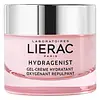
This barrier-repair moisturizer is formulated around Squalane and Sodium Hyaluronate to strengthen the skin barrier and hydrate skin.
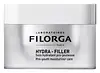
This anti-aging moisturizer is formulated around Sodium Hyaluronate to soften the look of wrinkles and hydrate skin.

What's inside
What's inside
 Key Ingredients
Benefits
Concerns
Ingredients Side-by-side
Water
Skin ConditioningGlycerin
Humectant


Alcohol Denat.
Antimicrobial




Cyclopentasiloxane
Emollient
Polyamide-5
Skin ConditioningSqualane
Emollient
Dimethicone
Emollient
Ammonium Acryloyldimethyltaurate/Vp Copolymer
Sodium Hyaluronate
Humectant

Urea
Buffering

Dimethicone Crosspolymer
Emulsion Stabilising
Hydrolyzed Sweet Almond Protein
Skin ConditioningGlycine
Buffering
Tromethamine
BufferingDimethiconol
Emollient
Acrylates/C10-30 Alkyl Acrylate Crosspolymer
Emulsion StabilisingSodium PCA
Humectant
Tocopherol
Antioxidant



Oryza Sativa Starch
AbsorbentPanthenol
Skin Conditioning
Pyridoxine Hcl
Skin ConditioningCitrus Aurantium Dulcis Juice
Skin ConditioningXanthan Gum
EmulsifyingSodium Lactate
Buffering
Vernonia Appendiculata Leaf Extract
Skin ProtectingRetinyl Palmitate
Skin Conditioning

Helianthus Annuus Seed Oil
Emollient
Parfum
Masking

Potassium Gluconate
ChelatingMagnesium Gluconate
Skin ConditioningCalcium Gluconate
HumectantZinc Gluconate
Skin Conditioning



Manganese Gluconate
Skin ConditioningCopper Gluconate
Skin Conditioning
Magnesium Silicate
AbsorbentPentylene Glycol
Skin Conditioning
Sodium Salicylate
Preservative
Methylsilanol Mannuronate
Skin ConditioningPropylene Glycol
Humectant
Phenoxyethanol
Preservative
Chlorphenesin
Antimicrobial
Sodium Benzoate
Masking
Sodium Metabisulfite
Antioxidant
Potassium Sorbate
Preservative
Tetrasodium Glutamate Diacetate
ChelatingCitric Acid
Buffering
Sodium Hydroxide
BufferingCI 77891
Cosmetic ColorantCI 14700
Cosmetic ColorantCI 17200
Cosmetic ColorantWater, Glycerin, Alcohol Denat., Cyclopentasiloxane, Polyamide-5, Squalane, Dimethicone, Ammonium Acryloyldimethyltaurate/Vp Copolymer, Sodium Hyaluronate, Urea, Dimethicone Crosspolymer, Hydrolyzed Sweet Almond Protein, Glycine, Tromethamine, Dimethiconol, Acrylates/C10-30 Alkyl Acrylate Crosspolymer, Sodium PCA, Tocopherol, Oryza Sativa Starch, Panthenol, Pyridoxine Hcl, Citrus Aurantium Dulcis Juice, Xanthan Gum, Sodium Lactate, Vernonia Appendiculata Leaf Extract, Retinyl Palmitate, Helianthus Annuus Seed Oil, Parfum, Potassium Gluconate, Magnesium Gluconate, Calcium Gluconate, Zinc Gluconate, Manganese Gluconate, Copper Gluconate, Magnesium Silicate, Pentylene Glycol, Sodium Salicylate, Methylsilanol Mannuronate, Propylene Glycol, Phenoxyethanol, Chlorphenesin, Sodium Benzoate, Sodium Metabisulfite, Potassium Sorbate, Tetrasodium Glutamate Diacetate, Citric Acid, Sodium Hydroxide, CI 77891, CI 14700, CI 17200
Ethylhexyl Palmitate
Emollient

Isodecyl Neopentanoate
EmollientGlycerin
Humectant
Pentaerythrityl Tetracaprylate/Tetracaprate
EmollientArachidyl Alcohol
Emollient
Behenyl Alcohol
Emollient
Polymethyl Acrylate
Ammonium Acryloyldimethyltaurate/Vp Copolymer
Sodium Hyaluronate
Humectant
1,2-Hexanediol
Skin Conditioning
Sucrose Palmitate
EmollientGlyceryl Stearate
Emollient
PEG-100 Stearate
Surfactant
Caprylic/Capric Triglyceride
Masking
Chlorphenesin
Antimicrobial
Sorbitan Oleate
Emulsifying
Glyceryl Linoleate
Emollient
Prunus Amygdalus Dulcis Oleosomes
EmollientSesamum Indicum Seed
Abrasive
Biosaccharide Gum-1
Humectant
Sorbitan Laurate
Emulsifying
Levulinic Acid
Perfuming
Polyglyceryl-10 Laurate
Skin Conditioning
Salicornia Herbacea Extract
Skin ConditioningSodium Hydroxide
BufferingMagnesium Sulfate
Glutamine
Skin ConditioningTocopherol
Antioxidant
Lysine Hcl
Skin Conditioning
Arginine Hcl
Skin ConditioningAlanine
Masking
Histidine Hcl
Skin ConditioningValine
MaskingLeucine
Skin ConditioningIsoleucine
Skin ConditioningTryptophan
MaskingPhenylalanine
Masking
Tyrosine
MaskingPolysorbate 80
Emulsifying
Serine
Masking
Cystine
MaskingCyanocobalamin
Skin ConditioningGlutathione
Asparagine
MaskingNicotinamide Adenine Dinucleotide
Skin ConditioningProline
Skin Conditioning
Methionine
Skin ConditioningTaurine
BufferingHydroxyproline
Skin ConditioningGlucosamine Hcl
Retinyl Acetate
Skin Conditioning
Inositol
Humectant
Niacin
SmoothingNiacinamide
Smoothing
Pyridoxine Hcl
Skin ConditioningBiotin
AntiseborrhoeicRiboflavin
Cosmetic ColorantEthylhexyl Palmitate, Isodecyl Neopentanoate, Glycerin, Pentaerythrityl Tetracaprylate/Tetracaprate, Arachidyl Alcohol, Behenyl Alcohol, Polymethyl Acrylate, Ammonium Acryloyldimethyltaurate/Vp Copolymer, Sodium Hyaluronate, 1,2-Hexanediol, Sucrose Palmitate, Glyceryl Stearate, PEG-100 Stearate, Caprylic/Capric Triglyceride, Chlorphenesin, Sorbitan Oleate, Glyceryl Linoleate, Prunus Amygdalus Dulcis Oleosomes, Sesamum Indicum Seed, Biosaccharide Gum-1, Sorbitan Laurate, Levulinic Acid, Polyglyceryl-10 Laurate, Salicornia Herbacea Extract, Sodium Hydroxide, Magnesium Sulfate, Glutamine, Tocopherol, Lysine Hcl, Arginine Hcl, Alanine, Histidine Hcl, Valine, Leucine, Isoleucine, Tryptophan, Phenylalanine, Tyrosine, Polysorbate 80, Serine, Cystine, Cyanocobalamin, Glutathione, Asparagine, Nicotinamide Adenine Dinucleotide, Proline, Methionine, Taurine, Hydroxyproline, Glucosamine Hcl, Retinyl Acetate, Inositol, Niacin, Niacinamide, Pyridoxine Hcl, Biotin, Riboflavin
Ingredients Explained
These ingredients are found in both products.
Ingredients higher up in an ingredient list are typically present in a larger amount.
Ammonium Acryloyldimethyltaurate/Vp Copolymer is a synthetically created polymer. It's used as a film-forming agent and used to thicken the consistency of products.
Think of it as a supportive ingredient that helps your gel-creams feel silky, "cloud cream-like", and spread evenly without being greasy.
The Cosmetic Ingredient Review (CIR) Expert Panel evaluated it (along with 22 other acryloyldimethyltaurate polymers) and concluded it's:
Due to its large molecular size, it sits on the surface of skin rather than penetrating it.
Learn more about Ammonium Acryloyldimethyltaurate/Vp CopolymerChlorphenesin is a synthetic preservative. It helps protect a product against bacteria in order to extend shelf life. In most cases, Chlorphenesin is paired with other preservatives such as phenoxyethanol and caprylyl glycol.
Chlorphenesin is a biocide. This means it is able to help fight the microorganisms on our skin. It is also able to fight odor-releasing bacteria.
Chlorphenesin is soluble in both water and glycerin.
Studies show Chlorphenesin is easily absorbed by our skin. You should speak with a skincare professional if you have concerns about using Chlorphenesin.
Learn more about ChlorphenesinGlycerin (or glycerol) is a compound naturally found in your skin. It's a powerhouse humectant that pulls water into the stratum corneum.
Topically, glycerin does several things at once:
Your skin makes glycerin on its own (mostly from sebaceous oil breakdown) and shuttles it to your outermost layer of skin, or your epidermis, via aquaporin-3.
Aquaporin-3 is a transporter that is essential for normal skin hydration, elasticity, and repair. Interestingly, mice lacking in AQP3 have dry and less elastic skin that can be fully corrected with glycerin.
This ingredient is non-irritating, plays well with almost every ingredient, and works across all skin types. Typical use is anywhere between 3-10% but can go up to 79% in some leave-on products.
Just know very high concentrations (>40%) can feel tacky in low humidity.
Glycerin is the name for this ingredient in American English. British English uses Glycerol/Glycerine.
Learn more about GlycerinPyridoxine hydrochloride, also known as vitamin B6, has skin conditioning properties. According to a manufacturer, this ingredient is an effective anti-dandruff treatment as it reduces sebum levels and oily spots.
Sodium Hyaluronate is the salt form of hyaluronic acid. It is a long sugar chain that is naturally found in your skin, joints, and connective tissue that maintains hydration and elasticity.
In skincare, it works as a humectant. It pulls water from the environment and deeper layers of skin and binds it to the surface.
Interestingly, the size of the molecule affects its behavior:
Some clinical evidence links low molecular weight versions to improved wrinkle depth, elasticity, anti-inflammatory effects, and barrier repair.
Many serums use a blend of both weights so you can get surface hydration plus longer-lasting and deeper effects.
You'll typically see concentrations between 0.1-2% for this ingredient.
Learn more about Sodium HyaluronateSodium Hydroxide is also known as lye or caustic soda. It is used to adjust the pH of products; many ingredients require a specific pH to be effective.
In small amounts, sodium hydroxide is considered safe to use. However, large amounts may cause chemical burns due to its high alkaline.
Your skin has a natural pH and acid mantle. This acid mantle helps prevent harmful bacteria from breaking through. The acid mantle also helps keep your skin hydrated.
"Alkaline" refers to a high pH level. A low pH level would be considered acidic.
Learn more about Sodium HydroxideTocopherol is a fat-soluble antioxidant known as Vitamin E.
You'll find this ingredient in the vast majority of skincare (for good reason). It works to neutralize free radicals, or unstable molecules generated by UV exposure, pollution, and other environmental stressors, before they can cause oxidative damage to your skin cells.
Topically applied tocopherol has been shown to protect against UV damage by ramping up the skin's own natural defense enzymes.
It also acts as a skin conditioning agent; some studies show that regular topical use can improve the skin's water-binding capacity over 2-4 weeks.
This ingredient is especially loved for being a team player. When combined with Vitamin C, the photoprotective effect of both ingredients roughly doubles and the combo also helps reduce UV-induced DNA damage.
This ingredient has some brightening potential but it's more of a prevention ingredient than spot-fader. Cell studies show it can slow down melanin production but it's worth noting that it's not the most powerful brightener out there.
In formulations, it also serves as a stabilizer that helps protect other oxidation-prone ingredients from degrading.
Concentrations usually range from 0.1-1% in most leave-on products.
Learn more about Tocopherol

