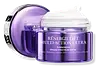
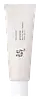
Lancôme Rénergie Lift Multi-Action Ultra Face Cream with SPF 30 Versus Beauty of Joseon Relief Sun : Rice + Probiotics SPF 50+ PA++++
This anti-aging day moisturizer is formulated around Adenosine and Capryloyl Salicylic Acid to soften the look of wrinkles and fade the look of dark spots.
This chemical sunscreen covers the full UV range and blocks ~98% of UVB at SPF 50.


What's inside
What's inside
 Key Ingredients
Benefits
Concerns
Ingredients Side-by-side
Butyl Methoxydibenzoylmethane 3%
UV Absorber
Ethylhexyl Salicylate 5%
UV Absorber
Octocrylene 7%
UV Absorber

Water
Skin ConditioningGlycerin
Humectant


Dimethicone
Emollient
Isononyl Isononanoate
EmollientPropanediol
Solvent
Vinyl Dimethicone/Methicone Silsesquioxane Crosspolymer

Alcohol Denat.
Antimicrobial


Bis-PEG-18 Methyl Ether Dimethyl Silane
EmollientPolyglyceryl-6 Distearate
Emulsifying
Jojoba Esters
Emollient
Tocopherol
Antioxidant





Limnanthes Alba Seed Oil
Skin Conditioning
Acacia Decurrens Flower Wax
Emollient
Guanosine
Skin ConditioningCyathea Medullaris Leaf Extract
Skin ConditioningSodium Hyaluronate
Humectant
Hydrolyzed Linseed Extract
Skin ConditioningSodium Hydroxide
BufferingSodium Dodecylbenzenesulfonate
CleansingSodium Benzoate
Masking
CI 17200
Cosmetic ColorantSodium Levulinate
Skin ConditioningPhenoxyethanol
Preservative
Adenosine
Skin Conditioning
PEG-8 Laurate
Emulsifying
Helianthus Annuus Seed Wax
Skin Conditioning
Polyglyceryl-3 Beeswax
Emulsifying
Polyglycerin-3
Humectant
Ammonium Acryloyldimethyltaurate/Steareth-25 Methacrylate Crosspolymer
Emulsion StabilisingDimethicone/Vinyl Dimethicone Crosspolymer
Skin Conditioning
Dimethiconol
Emollient
Limonene
Perfuming

Xanthan Gum
EmulsifyingBenzyl Alcohol
Perfuming
Cinnamic Acid
Perfuming
Leontopodium Alpinum Flower/Leaf Extract
Skin ConditioningCapryloyl Salicylic Acid
Exfoliating


Caprylyl Glycol
Emollient
Geraniol
Perfuming
Disodium Stearoyl Glutamate
CleansingDisodium EDTA
ChelatingCetyl Alcohol
Emollient
Citric Acid
Buffering
Potassium Sorbate
Preservative
Scutellaria Baicalensis Root Extract
Astringent
Levulinic Acid
Perfuming
Styrene/Acrylates Copolymer
Glyceryl Caprylate
EmollientParfum
Masking
Butyl Methoxydibenzoylmethane 3%, Ethylhexyl Salicylate 5%, Octocrylene 7%, Water, Glycerin, Dimethicone, Isononyl Isononanoate, Propanediol, Vinyl Dimethicone/Methicone Silsesquioxane Crosspolymer, Alcohol Denat., Bis-PEG-18 Methyl Ether Dimethyl Silane, Polyglyceryl-6 Distearate, Jojoba Esters, Tocopherol, Limnanthes Alba Seed Oil, Acacia Decurrens Flower Wax, Guanosine, Cyathea Medullaris Leaf Extract, Sodium Hyaluronate, Hydrolyzed Linseed Extract, Sodium Hydroxide, Sodium Dodecylbenzenesulfonate, Sodium Benzoate, CI 17200, Sodium Levulinate, Phenoxyethanol, Adenosine, PEG-8 Laurate, Helianthus Annuus Seed Wax, Polyglyceryl-3 Beeswax, Polyglycerin-3, Ammonium Acryloyldimethyltaurate/Steareth-25 Methacrylate Crosspolymer, Dimethicone/Vinyl Dimethicone Crosspolymer, Dimethiconol, Limonene, Xanthan Gum, Benzyl Alcohol, Cinnamic Acid, Leontopodium Alpinum Flower/Leaf Extract, Capryloyl Salicylic Acid, Caprylyl Glycol, Geraniol, Disodium Stearoyl Glutamate, Disodium EDTA, Cetyl Alcohol, Citric Acid, Potassium Sorbate, Scutellaria Baicalensis Root Extract, Levulinic Acid, Styrene/Acrylates Copolymer, Glyceryl Caprylate, Parfum
Water
Skin ConditioningDibutyl Adipate
EmollientPropanediol
Solvent
Diethylamino Hydroxybenzoyl Hexyl Benzoate
UV Filter
Polymethylsilsesquioxane
Ethylhexyl Triazone
UV Absorber
Niacinamide
Smoothing

Methylene Bis-Benzotriazolyl Tetramethylbutylphenol
UV Filter
Coco-Caprylate/Caprate
Emollient
Caprylyl Methicone
Skin Conditioning
Diethylhexyl Butamido Triazone
UV Absorber
Glycerin
Humectant
1,2-Hexanediol
Skin Conditioning
Butylene Glycol
Humectant
Oryza Sativa Extract
Absorbent
Oryza Sativa Germ Extract
EmollientCamellia Sinensis Leaf Extract
Antimicrobial
Lactobacillus/Pumpkin Ferment Extract
Skin ConditioningBacillus/Soybean Ferment Extract
Skin ConditioningSaccharum Officinarum Extract
MoisturisingMacrocystis Pyrifera Extract
Skin Conditioning
Cocos Nucifera Fruit Extract
Emollient
Panax Ginseng Root Extract
Emollient
Monascus/Rice Ferment
Antioxidant
Behenyl Alcohol
Emollient
Poly C10-30 Alkyl Acrylate
Emulsion StabilisingPolyglyceryl-3 Methylglucose Distearate
Emulsifying
Decyl Glucoside
Cleansing
Tromethamine
BufferingCarbomer
Emulsion StabilisingAcrylates/C10-30 Alkyl Acrylate Crosspolymer
Emulsion StabilisingSodium Stearoyl Glutamate
CleansingPolyacrylate Crosspolymer-6
Emulsion StabilisingAdenosine
Skin Conditioning
Xanthan Gum
EmulsifyingT-Butyl Alcohol
Perfuming
Tocopherol
Antioxidant
Lactobacillus/Rice Ferment
Skin Conditioning
Aspergillus Ferment
Skin ConditioningSaccharomyces/Rice Ferment Filtrate
Skin Conditioning
Pentylene Glycol
Skin Conditioning
Ethylhexylglycerin
Skin ConditioningWater, Dibutyl Adipate, Propanediol, Diethylamino Hydroxybenzoyl Hexyl Benzoate, Polymethylsilsesquioxane, Ethylhexyl Triazone, Niacinamide, Methylene Bis-Benzotriazolyl Tetramethylbutylphenol, Coco-Caprylate/Caprate, Caprylyl Methicone, Diethylhexyl Butamido Triazone, Glycerin, 1,2-Hexanediol, Butylene Glycol, Oryza Sativa Extract, Oryza Sativa Germ Extract, Camellia Sinensis Leaf Extract, Lactobacillus/Pumpkin Ferment Extract, Bacillus/Soybean Ferment Extract, Saccharum Officinarum Extract, Macrocystis Pyrifera Extract, Cocos Nucifera Fruit Extract, Panax Ginseng Root Extract, Monascus/Rice Ferment, Behenyl Alcohol, Poly C10-30 Alkyl Acrylate, Polyglyceryl-3 Methylglucose Distearate, Decyl Glucoside, Tromethamine, Carbomer, Acrylates/C10-30 Alkyl Acrylate Crosspolymer, Sodium Stearoyl Glutamate, Polyacrylate Crosspolymer-6, Adenosine, Xanthan Gum, T-Butyl Alcohol, Tocopherol, Lactobacillus/Rice Ferment, Aspergillus Ferment, Saccharomyces/Rice Ferment Filtrate, Pentylene Glycol, Ethylhexylglycerin
Reviews
Ingredients Explained
These ingredients are found in both products.
Ingredients higher up in an ingredient list are typically present in a larger amount.
Adenosine is a purine nucleoside that your body already makes in every cell. In skincare, it acts mainly as a skin conditioning and anti-aging agent.
The way it works is fairly well mapped out:
Your skin has cells called fibroblasts that build collagen (the stuff that keeps skin firm and smooth). Adenosine basically flips a switch on these cells that tells them to get to work making more collagen and other proteins. These cells slow down on their own as skin ages, so Adenosine helps give them a little nudge to keep going.
The clinical backing is pretty solid too.
A blind, randomized, placebo-controlled trial of 126 women aged 45-65 tested a 0.1% cream twice daily and found real improvements in crow's feet and frown lines using a precise 3D skin-mapping technique; these changes showed up by week 3 and held at 2 months.
A later study using Adenosine-loaded dissolving microneedle patches reported gains in wrinkle depth, dermal density, elasticity, and hydration.
On concentrations, South Korea's Ministry of Food and Drug Safety has set 0.04% as the approved functional anti-wrinkle level. You'll typically see this ingredient used somewhere in the 0.04-0.1% range since it works at low doses.
This ingredient has been found safe for cosmetics with the data showing no irritation or sensitization.
Overall, this is a great ingredient for any anti-aging routine and has no photosensitizing effect, so it suits both AM and PM use.
Learn more about AdenosineGlycerin (or glycerol) is a compound naturally found in your skin. It's a powerhouse humectant that pulls water into the stratum corneum.
Topically, glycerin does several things at once:
Your skin makes glycerin on its own (mostly from sebaceous oil breakdown) and shuttles it to your outermost layer of skin, or your epidermis, via aquaporin-3.
Aquaporin-3 is a transporter that is essential for normal skin hydration, elasticity, and repair. Interestingly, mice lacking in AQP3 have dry and less elastic skin that can be fully corrected with glycerin.
This ingredient is non-irritating, plays well with almost every ingredient, and works across all skin types. Typical use is anywhere between 3-10% but can go up to 79% in some leave-on products.
Just know very high concentrations (>40%) can feel tacky in low humidity.
Glycerin is the name for this ingredient in American English. British English uses Glycerol/Glycerine.
Learn more about GlycerinPropanediol is an all-star ingredient. It softens, hydrates, and smooths the skin.
It’s often used to:
Propanediol is not likely to cause sensitivity and considered safe to use. It is derived from corn or petroleum with a clear color and no scent.
Learn more about PropanediolTocopherol is a fat-soluble antioxidant known as Vitamin E.
You'll find this ingredient in the vast majority of skincare (for good reason). It works to neutralize free radicals, or unstable molecules generated by UV exposure, pollution, and other environmental stressors, before they can cause oxidative damage to your skin cells.
Topically applied tocopherol has been shown to protect against UV damage by ramping up the skin's own natural defense enzymes.
It also acts as a skin conditioning agent; some studies show that regular topical use can improve the skin's water-binding capacity over 2-4 weeks.
This ingredient is especially loved for being a team player. When combined with Vitamin C, the photoprotective effect of both ingredients roughly doubles and the combo also helps reduce UV-induced DNA damage.
This ingredient has some brightening potential but it's more of a prevention ingredient than spot-fader. Cell studies show it can slow down melanin production but it's worth noting that it's not the most powerful brightener out there.
In formulations, it also serves as a stabilizer that helps protect other oxidation-prone ingredients from degrading.
Concentrations usually range from 0.1-1% in most leave-on products.
Learn more about TocopherolWater. It's the most common cosmetic ingredient of all. You'll usually see it at the top of ingredient lists, meaning that it makes up the largest part of the product.
So why is it so popular? Water most often acts as a solvent - this means that it helps dissolve other ingredients into the formulation.
You'll also recognize water as that liquid we all need to stay alive. If you see this, drink a glass of water. Remember to stay hydrated!
Learn more about WaterXanthan gum is used as a stabilizer and thickener within cosmetic products. It helps give products a sticky, thick feeling - preventing them from being too runny.
On the technical side of things, xanthan gum is a polysaccharide - a combination consisting of multiple sugar molecules bonded together.
Xanthan gum is a pretty common and great ingredient. It is a natural, non-toxic, non-irritating ingredient that is also commonly used in food products.
Learn more about Xanthan Gum

