This anti-aging eye moisturizer is formulated around Acetyl Tetrapeptide-9 and Caffeine to soften the look of wrinkles.
This anti-aging eye moisturizer is formulated around Bifida Ferment Lysate and Ascorbyl Glucoside to soften the look of wrinkles and strengthen the skin barrier.

What's inside
What's inside
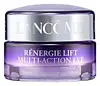 Key Ingredients
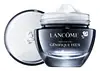
Benefits
Concerns
Ingredients Side-by-side
Water
Skin ConditioningTheobroma Cacao Seed Butter
Emollient




Dimethicone
Emollient

Glycerin
Humectant

Isohexadecane
EmollientPropanediol
Solvent
Alcohol Denat.
Antimicrobial


Glyceryl Stearate
Emollient
PEG-20 Stearate
Emulsifying
PEG/PPG/Polybutylene Glycol-8/5/3 Glycerin
HumectantStearic Acid
Cleansing
PEG-100 Stearate
Surfactant
Palmitic Acid
Emollient
Octyldodecanol
Emollient
CI 77891
Cosmetic ColorantCI 17200
Cosmetic ColorantC13-14 Isoparaffin
Emollient
Guanosine
Skin ConditioningMica
Cosmetic ColorantSecale Cereale Seed Extract
Abrasive
Sodium Acetylated Hyaluronate
Humectant

Hydrolyzed Soy Protein
Humectant
Hydrolyzed Linseed Extract
Skin ConditioningSodium Hydroxide
BufferingSodium Benzoate
Masking
Phenoxyethanol
Preservative
Adenosine
Skin Conditioning
Acetyl Tetrapeptide-9
Skin Conditioning
Caffeine
Skin Conditioning
Trisodium Ethylenediamine Disuccinate
ChelatingPolyacrylamide
Dimethiconol
Emollient
Limonene
Perfuming

Pentylene Glycol
Skin Conditioning
Pentaerythrityl Tetra-Di-T-Butyl Hydroxyhydrocinnamate
Antioxidant
Tin Oxide
Abrasive
Benzyl Alcohol
Perfuming
Caprylyl Glycol
Emollient
Capryloyl Salicylic Acid
Exfoliating



Myristic Acid
Cleansing
Geraniol
Perfuming
Laureth-7
EmulsifyingParfum
Masking
Water, Theobroma Cacao Seed Butter, Dimethicone, Glycerin, Isohexadecane, Propanediol, Alcohol Denat., Glyceryl Stearate, PEG-20 Stearate, PEG/PPG/Polybutylene Glycol-8/5/3 Glycerin, Stearic Acid, PEG-100 Stearate, Palmitic Acid, Octyldodecanol, CI 77891, CI 17200, C13-14 Isoparaffin, Guanosine, Mica, Secale Cereale Seed Extract, Sodium Acetylated Hyaluronate, Hydrolyzed Soy Protein, Hydrolyzed Linseed Extract, Sodium Hydroxide, Sodium Benzoate, Phenoxyethanol, Adenosine, Acetyl Tetrapeptide-9, Caffeine, Trisodium Ethylenediamine Disuccinate, Polyacrylamide, Dimethiconol, Limonene, Pentylene Glycol, Pentaerythrityl Tetra-Di-T-Butyl Hydroxyhydrocinnamate, Tin Oxide, Benzyl Alcohol, Caprylyl Glycol, Capryloyl Salicylic Acid, Myristic Acid, Geraniol, Laureth-7, Parfum
Water
Skin ConditioningCyclohexasiloxane
Emollient
Bifida Ferment Lysate
Skin Conditioning
Glycerin
Humectant
Propanediol
Solvent
Alcohol Denat.
Antimicrobial
Polysilicone-11
Dimethicone
Emollient
Polymethylsilsesquioxane
Di-C12-13 Alkyl Malate
EmollientAmmonium Polyacryloyldimethyl Taurate
Emulsion StabilisingCI 77891
Cosmetic ColorantAscorbyl Glucoside
Antioxidant

Mica
Cosmetic ColorantLactobacillus Ferment
Skin Conditioning
Hydrogenated Vegetable Oil
Emollient
Sodium Hyaluronate
Humectant
Sodium Benzoate
Masking
Hydrolyzed Wheat Protein
Skin ConditioningSodium
Sodium Dehydroacetate
Preservative
Sodium Succinate
BufferingPhenoxyethanol
Preservative
Adenosine
Skin Conditioning
Yeast Extract
Skin ConditioningPtfe
PEG-10 Dimethicone
Skin Conditioning
Arginine
Masking
Triethanolamine
BufferingChlorphenesin
Antimicrobial
Chlorhexidine Digluconate
Antimicrobial
Polygonum Fagopyrum Seed Extract
Skin ConditioningSilica
Abrasive
Salicyloyl Phytosphingosine
Skin ConditioningChlorella Vulgaris Extract
Skin ConditioningDimethiconol
Emollient
Limonene
Perfuming
Pentylene Glycol
Skin Conditioning
Synthetic Fluorphlogopite
Linalool
Perfuming
Pentaerythrityl Tetra-Di-T-Butyl Hydroxyhydrocinnamate
Antioxidant
Biosaccharide Gum-1
Humectant
Caprylic/Capric Triglyceride
Masking
Carbomer
Emulsion StabilisingBoron Nitride
Absorbent
Acrylates/C10-30 Alkyl Acrylate Crosspolymer
Emulsion StabilisingGeraniol
Perfuming
Bis-PEG/PPG-16/16 PEG/PPG-16/16 Dimethicone
Emollient
Disodium EDTA
ChelatingCeteareth-20
Cleansing
Potassium Cetyl Phosphate
EmulsifyingCitronellol
Perfuming
Methionine
Skin ConditioningPotassium Sorbate
Preservative
Glycine
Buffering
Parfum
Masking
Water, Cyclohexasiloxane, Bifida Ferment Lysate, Glycerin, Propanediol, Alcohol Denat., Polysilicone-11, Dimethicone, Polymethylsilsesquioxane, Di-C12-13 Alkyl Malate, Ammonium Polyacryloyldimethyl Taurate, CI 77891, Ascorbyl Glucoside, Mica, Lactobacillus Ferment, Hydrogenated Vegetable Oil, Sodium Hyaluronate, Sodium Benzoate, Hydrolyzed Wheat Protein, Sodium, Sodium Dehydroacetate, Sodium Succinate, Phenoxyethanol, Adenosine, Yeast Extract, Ptfe, PEG-10 Dimethicone, Arginine, Triethanolamine, Chlorphenesin, Chlorhexidine Digluconate, Polygonum Fagopyrum Seed Extract, Silica, Salicyloyl Phytosphingosine, Chlorella Vulgaris Extract, Dimethiconol, Limonene, Pentylene Glycol, Synthetic Fluorphlogopite, Linalool, Pentaerythrityl Tetra-Di-T-Butyl Hydroxyhydrocinnamate, Biosaccharide Gum-1, Caprylic/Capric Triglyceride, Carbomer, Boron Nitride, Acrylates/C10-30 Alkyl Acrylate Crosspolymer, Geraniol, Bis-PEG/PPG-16/16 PEG/PPG-16/16 Dimethicone, Disodium EDTA, Ceteareth-20, Potassium Cetyl Phosphate, Citronellol, Methionine, Potassium Sorbate, Glycine, Parfum
Reviews
Ingredients Explained
These ingredients are found in both products.
Ingredients higher up in an ingredient list are typically present in a larger amount.
Adenosine is a purine nucleoside that your body already makes in every cell. In skincare, it acts mainly as a skin conditioning and anti-aging agent.
The way it works is fairly well mapped out:
Your skin has cells called fibroblasts that build collagen (the stuff that keeps skin firm and smooth). Adenosine basically flips a switch on these cells that tells them to get to work making more collagen and other proteins. These cells slow down on their own as skin ages, so Adenosine helps give them a little nudge to keep going.
The clinical backing is pretty solid too.
A blind, randomized, placebo-controlled trial of 126 women aged 45-65 tested a 0.1% cream twice daily and found real improvements in crow's feet and frown lines using a precise 3D skin-mapping technique; these changes showed up by week 3 and held at 2 months.
A later study using Adenosine-loaded dissolving microneedle patches reported gains in wrinkle depth, dermal density, elasticity, and hydration.
On concentrations, South Korea's Ministry of Food and Drug Safety has set 0.04% as the approved functional anti-wrinkle level. You'll typically see this ingredient used somewhere in the 0.04-0.1% range since it works at low doses.
This ingredient has been found safe for cosmetics with the data showing no irritation or sensitization.
Overall, this is a great ingredient for any anti-aging routine and has no photosensitizing effect, so it suits both AM and PM use.
Learn more about AdenosineAlcohol Denat. is an alcohol with a denaturant property. It is created by mixing ethanol with other additives.
The "denat" part just means "denatured"; common denaturants include Denatonium Benzoate, t-butyl alcohol, and Diethyl Phthalate. This step makes the alcohol undrinkable (and lets brand skip taxes related to beverage alcohol).
This ingredient gets a bad rep because it is irritating and drying due to its astringent property. Astringents draw out natural oils in tissue to constrict pores and dry out your skin.
However, alcohol denat. is not all that bad.
Due to its low molecular weight, alcohol denat. tends to evaporate quickly. One study on pig skin found half of applied alcohol evaporated in 10 seconds and less than 3% stayed on skin.
This also helps other ingredients become better absorbed upon application.
Studies are conflicted about whether this ingredient causes skin dehydration. One study from 2005 found adding emollients to propanol-based sanitizer decreased skin dryness and irritation. Another study found irritation only occurs if your skin is already damaged.
Small amounts of alcohol are generally tolerated by oily skin or people who live in humid environments.
The rule of thumb is this ingredient will probably not affect your skin much if it is near the end of an ingredients list.
One thing to note:
People with ALDH2 (aldehyde dehydrogenase 2) deficiency may experience skin irritation from continued alcohol use. About 8% of the world's population have this deficiency.
The Cosmetic Ingredient Review Expert Panel has determined denatured alcohols to be safe for use in concentrations between 0.05% and 12% (depending on which denaturant is used).
Also...
This ingredient has antimicrobial and solvent properties.
The antimicrobial property helps preserve products and increase their shelf life. As a solvent, it helps dissolve other ingredients.
Look for formulas that contain glycerin, hyaluronic acid, or panthenol if you want to offset any drying effect.
This ingredient will trip away your skin's natural oils/lipids that help it lock in moisture. This can worsen dryness, trigger eczema flare-ups, and aggravate rosacea.
Be sure to patch test any product with this ingredient if you have dry or sensitive skin, eczema, or rosacea.
Learn more about Alcohol Denat.Ci 77891 is a white pigment from Titanium dioxide. It is naturally found in minerals such as rutile and ilmenite.
It's main function is to add a white color to cosmetics. It can also be mixed with other colors to create different shades.
Ci 77891 is commonly found in sunscreens due to its ability to block UV rays.
Learn more about CI 77891Dimethicone is a type of synthetic silicone created from natural materials such as quartz. It is also known as polydimethylsiloxane.
What it does:
Dimethicone comes in different viscosities:
Depending on the viscosity, dimethicone has different properties.
Ingredients lists don't always show which type is used, so we recommend reaching out to the brand if you have questions about the viscosity.
This ingredient is unlikely to cause irritation because it does not get absorbed into skin. However, people with silicone allergies should be careful about using this ingredient.
Note: Dimethicone may contribute to pilling. This is because it is not oil or water soluble, so pilling may occur when layered with products. When mixed with heavy oils in a formula, the outcome is also quite greasy.
Learn more about DimethiconeDimethiconol is a silicone that resembles the popular dimethicone. Like other silicones, it is an emollient. Emollients create a thin film on skin to prevent moisture from escaping.
This ingredient helps to create a silky texture and improve spreadability. Due to its high molecular weight and thickness, it is often combined with cyclopentasiloxane.
Geraniol is used to add fragrance/parfum to a product. It is the main component of citronellol. It is a monoterpenoid and an alcohol.
Monoterpenes are naturally found in many parts of different plants.
Geraniol can be found in many essential oils including Rose Oil and Citronella Oil. The scent of Geraniol is often described as "rose-like". Many foods also contain Geraniol for fruit flavoring.
Geraniol can irritate the skin when exposed to air. However, irritation depends on the ability of geraniol to penetrate into the skin. In general, geraniol is not able to penetrate skin easily.
Geraniol is colorless and has low water-solubility. However, it is soluble in common organic solvents.
Like citronellol, it is a natural insect repellent.
2,6-Octadien-1-ol, 3,7-dimethyl-, (2E)-
Learn more about GeraniolGlycerin (or glycerol) is a compound naturally found in your skin. It's a powerhouse humectant that pulls water into the stratum corneum.
Topically, glycerin does several things at once:
Your skin makes glycerin on its own (mostly from sebaceous oil breakdown) and shuttles it to your outermost layer of skin, or your epidermis, via aquaporin-3.
Aquaporin-3 is a transporter that is essential for normal skin hydration, elasticity, and repair. Interestingly, mice lacking in AQP3 have dry and less elastic skin that can be fully corrected with glycerin.
This ingredient is non-irritating, plays well with almost every ingredient, and works across all skin types. Typical use is anywhere between 3-10% but can go up to 79% in some leave-on products.
Just know very high concentrations (>40%) can feel tacky in low humidity.
Glycerin is the name for this ingredient in American English. British English uses Glycerol/Glycerine.
Learn more about GlycerinLimonene is the compound that gives citrus peel its smell.
In skincare, it shows up as a standalone fragrance ingredient or as a natural compound of citrus and other essential oils.
You'll typically see this ingredient used in very small amounts; anything above 0.001% in a leave-on product or 0.01% in a rinse-off has to be named on the label in the EU. The citrus oils that carry it sit around 0.5-1% in a finished formula.
Fresh limonene is a weak allergen; the real issue is that it slowly reacts with air and then breaks down from oxidation to create hydroperoxides (which are strong sensitizers). This is why suppliers are required to keep the peroxide value below 20 mmol.
Positive reactions in people being investigated for eczema vary:
It's worth skipping if you have a known fragrance allergy or a compromised barrier, but the risk is low for most people.
Older or long-opened products are also more likely to bother you than fresh ones due to oxidation.
Learn more about LimoneneMica is a naturally occurring mineral used to add shimmer and color in cosmetics. It can also help improve the texture of a product or give it an opaque, white/silver color.
Serecite is the name for very fine but ragged grains of mica.
This ingredient is often coated with metal oxides like titanium dioxide. Trace amounts of heavy metals may be found in mica, but these metals are not harmful in our personal products.
Mica has been used since prehistoric times throughout the world. Ancient Egyptian, Indian, Greek, Roman, Aztec, and Chinese civilizations have used mica.
Learn more about MicaParfum is a catch-all term for an ingredient or more that is used to give a scent to products.
Also called "fragrance", this ingredient can be a blend of hundreds of chemicals or plant oils. This means every product with "fragrance" or "parfum" in the ingredients list is a different mixture.
For instance, Habanolide is a proprietary trade name for a specific aroma chemical. When used as a fragrance ingredient in cosmetics, most aroma chemicals fall under the broad labeling category of “FRAGRANCE” or “PARFUM” according to EU and US regulations.
The term 'parfum' or 'fragrance' is not regulated in many countries. In many cases, it is up to the brand to define this term.
For instance, many brands choose to label themselves as "fragrance-free" because they are not using synthetic fragrances. However, their products may still contain ingredients such as essential oils that are considered a fragrance by INCI standards.
One example is Calendula flower extract. Calendula is an essential oil that still imparts a scent or 'fragrance'.
Depending on the blend, the ingredients in the mixture can cause allergies and sensitivities on the skin. Some ingredients that are known EU allergens include linalool and citronellol.
Parfum can also be used to mask or cover an unpleasant scent.
The bottom line is: not all fragrances/parfum/ingredients are created equally. If you are worried about fragrances, we recommend taking a closer look at an ingredient. And of course, we always recommend speaking with a professional.
Learn more about ParfumPentaerythrityl Tetra-Di-T-Butyl Hydroxyhydrocinnamate (long name, huh?) is a synthetic antioxidant.
It is used to help stabilize other antioxidants or prevent the color from changing in a product.
As an antioxidant, it helps fight free-radical molecules. Free-radical molecules are capable of damaging our cells and other genetic material. Thus, antioxidants may reduce the signs of aging.
This ingredient is oil-soluble.
Learn more about Pentaerythrityl Tetra-Di-T-Butyl HydroxyhydrocinnamatePentylene Glycol (1,2-pentanediol) is a multitasking little diol with three main roles in a formula:
Research on alkanediols (the family pentylene glycol belongs to) show they work by disrupting microbial cell membranes. This disruption helps the primary preservative system in a product work more effectively at lower doses.
On the safety side, the Cosmetic Ingredient Review Expert Panel has concluded this ingredient to be safe as used in current cosmetic practices + concentrations.
Typical use levels in a formula run about 1-5%.
Learn more about Pentylene GlycolPhenoxyethanol is one of the most widely used preservatives in skincare (and for good reason!).
It has a large spectrum of antimicrobial activity and especially effective bacteria, yeast, and mold while only having a weak effect on your skin's natural microbiome.
On a cellular level, it disrupts the cell membranes of microbes by poking holes that make the cell leak. This shuts down the chemical reactions the microbe needs to make energy so it can no longer survive.
Another perk of this ingredient is that it stays functional across a wide pH range (3-10).
You'll often see it paired with boosters like Ethylhexylglycerin; one study showed that a 1:9 ratio of Ethylhexylglycerin to Phenoxyethanol damages bacterial membranes as effectively as doubling the Phenoxyethanol concentration on its own.
Typical use concentrations range from 0.3-1% depending on the formula, and this ingredient is capped at 1% int the EU.
Safety-wise, the fear mongering does not hold up to the evidence. The EU's Scientific Committee on Consumer Safety and FDA consider it safe as a preservative at up to 1%, including for children of all ages.
Adverse systemic effects only showed up in animal studies at exposures roughly 200x higher than what people get from cosmetics. And despite its very widespread use, this ingredient is a rare sensitizer and allergic reactions are uncommon.
Learn more about PhenoxyethanolPropanediol is an all-star ingredient. It softens, hydrates, and smooths the skin.
It’s often used to:
Propanediol is not likely to cause sensitivity and considered safe to use. It is derived from corn or petroleum with a clear color and no scent.
Learn more about PropanediolSodium Benzoate is a preservative. It's used in both cosmetic and food products to inhibit the growth of mold and bacteria. It is typically produced synthetically.
Both the US FDA and EU Health Committee have approved the use of sodium benzoate. In the US, levels of 0.1% (of the total product) are allowed.
Sodium benzoate works as a preservative by inhibiting the growth of bacteria inside of cells. It prevents the cell from fermenting a type of sugar using an enzyme called phosphofructokinase.
It is the salt of benzoic acid. Foods containing sodium benzoate include soda, salad dressings, condiments, fruit juices, wines, and snack foods.
Studies for using ascorbic acid and sodium benzoate in cosmetics are lacking, especially in skincare routines with multiple steps.
We always recommend speaking with a professional, such as a dermatologist, if you have any concerns.
Learn more about Sodium BenzoateWater. It's the most common cosmetic ingredient of all. You'll usually see it at the top of ingredient lists, meaning that it makes up the largest part of the product.
So why is it so popular? Water most often acts as a solvent - this means that it helps dissolve other ingredients into the formulation.
You'll also recognize water as that liquid we all need to stay alive. If you see this, drink a glass of water. Remember to stay hydrated!
Learn more about Water

