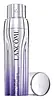
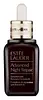
Lancôme Rénergie H.C.F Triple Serum Versus Estée Lauder Advanced Night Repair Synchronized Recovery Complex II
This anti-aging serum is formulated around Niacinamide and 3-O-Ethyl Ascorbic Acid to soften the look of wrinkles and fade the look of dark spots.
This barrier-repair serum is formulated around Bifida Ferment Lysate to strengthen the skin barrier.


What's inside
What's inside
 Key Ingredients
Benefits
Concerns
Ingredients Side-by-side
Water
Skin ConditioningDipropylene Glycol
HumectantGlycerin
Humectant


Butylene Glycol
Humectant
Propylene Glycol
Humectant

Alcohol
Antimicrobial


Niacinamide
Smoothing









Isopropyl Lauroyl Sarcosinate
Skin ConditioningPentylene Glycol
Skin Conditioning
CI 77891
Cosmetic ColorantGuanosine
Skin ConditioningMica
Cosmetic ColorantTocopheryl Acetate
Antioxidant

Hydrolyzed Linseed Extract
Skin ConditioningSodium Acetylated Hyaluronate
Humectant
Sodium Benzoate
Masking
Phenoxyethanol
Preservative
Phenylethyl Resorcinol
Antioxidant
Stearic Acid
Cleansing

Adenosine
Skin Conditioning
Caffeine
Skin Conditioning
PEG-100 Stearate
Surfactant
Polyacrylate Crosspolymer-6
Emulsion StabilisingSilica Silylate
Emollient
Palmitic Acid
Emollient
Polysorbate 20
Emulsifying
Polysorbate 80
Emulsifying
Ammonium Polyacryloyldimethyl Taurate
Emulsion StabilisingLimonene
Perfuming

Xanthan Gum
EmulsifyingTin Oxide
Abrasive
Benzyl Alcohol
Perfuming
Isohexadecane
Emollient3-O-Ethyl Ascorbic Acid
Skin Conditioning
Caprylyl Glycol
Emollient
Capryloyl Salicylic Acid
Exfoliating
Boron Nitride
Absorbent
Ferulic Acid
Antimicrobial
Acrylamide/Sodium Acryloyldimethyltaurate Copolymer
Emulsion StabilisingSorbitan Oleate
Emulsifying
Myristic Acid
Cleansing
Geraniol
Perfuming
Octocrylene
UV Absorber

Butyl Methoxydibenzoylmethane
UV Absorber
Potassium Cetyl Phosphate
EmulsifyingOctyldodecanol
Emollient
Cetyl Alcohol
Emollient
Octyldodecyl Xyloside
EmulsifyingCitric Acid
Buffering
Citronellol
Perfuming
Glyceryl Stearate
Emollient
Parfum
Masking
Water, Dipropylene Glycol, Glycerin, Butylene Glycol, Propylene Glycol, Alcohol, Niacinamide, Isopropyl Lauroyl Sarcosinate, Pentylene Glycol, CI 77891, Guanosine, Mica, Tocopheryl Acetate, Hydrolyzed Linseed Extract, Sodium Acetylated Hyaluronate, Sodium Benzoate, Phenoxyethanol, Phenylethyl Resorcinol, Stearic Acid, Adenosine, Caffeine, PEG-100 Stearate, Polyacrylate Crosspolymer-6, Silica Silylate, Palmitic Acid, Polysorbate 20, Polysorbate 80, Ammonium Polyacryloyldimethyl Taurate, Limonene, Xanthan Gum, Tin Oxide, Benzyl Alcohol, Isohexadecane, 3-O-Ethyl Ascorbic Acid, Caprylyl Glycol, Capryloyl Salicylic Acid, Boron Nitride, Ferulic Acid, Acrylamide/Sodium Acryloyldimethyltaurate Copolymer, Sorbitan Oleate, Myristic Acid, Geraniol, Octocrylene, Butyl Methoxydibenzoylmethane, Potassium Cetyl Phosphate, Octyldodecanol, Cetyl Alcohol, Octyldodecyl Xyloside, Citric Acid, Citronellol, Glyceryl Stearate, Parfum
Water
Skin ConditioningBifida Ferment Lysate
Skin Conditioning
Methyl Gluceth-20
Humectant
PEG-75
HumectantBis-PEG-18 Methyl Ether Dimethyl Silane
EmollientButylene Glycol
Humectant
Propanediol
Solvent
Cola Acuminata Seed Extract
Skin ConditioningHydrolyzed Algin
Pantethine
EmollientCaffeine
Skin Conditioning
Lecithin
Emollient
Tripeptide-32
Skin Conditioning
Ethylhexylglycerin
Skin ConditioningSodium Rna
Skin ConditioningBisabolol
Antioxidant
Glycereth-26
Humectant
Squalane
Emollient
Sodium Hyaluronate
Humectant
Oleth-3 Phosphate
SurfactantCaprylyl Glycol
Emollient
Lactobacillus Ferment
Skin Conditioning
Oleth-3
Emulsifying
Oleth-5
Emulsifying
Anthemis Nobilis Flower Extract
Masking
Faex Extract
Skin ConditioningCholeth-24
EmulsifyingHydrogenated Lecithin
Emulsifying
Ceteth-24
CleansingTocopheryl Acetate
Antioxidant
Ethylhexyl Methoxycinnamate
UV Absorber
Hexylene Glycol
EmulsifyingCarbomer
Emulsion StabilisingTriethanolamine
BufferingTrisodium EDTA
ChelatingBHT
Antioxidant
Xanthan Gum
EmulsifyingPhenoxyethanol
Preservative
CI 14700
Cosmetic ColorantCI 19140
Cosmetic ColorantWater, Bifida Ferment Lysate, Methyl Gluceth-20, PEG-75, Bis-PEG-18 Methyl Ether Dimethyl Silane, Butylene Glycol, Propanediol, Cola Acuminata Seed Extract, Hydrolyzed Algin, Pantethine, Caffeine, Lecithin, Tripeptide-32, Ethylhexylglycerin, Sodium Rna, Bisabolol, Glycereth-26, Squalane, Sodium Hyaluronate, Oleth-3 Phosphate, Caprylyl Glycol, Lactobacillus Ferment, Oleth-3, Oleth-5, Anthemis Nobilis Flower Extract, Faex Extract, Choleth-24, Hydrogenated Lecithin, Ceteth-24, Tocopheryl Acetate, Ethylhexyl Methoxycinnamate, Hexylene Glycol, Carbomer, Triethanolamine, Trisodium EDTA, BHT, Xanthan Gum, Phenoxyethanol, CI 14700, CI 19140
Reviews
Ingredients Explained
These ingredients are found in both products.
Ingredients higher up in an ingredient list are typically present in a larger amount.
Butylene Glycol (or BG) is used within cosmetic products for a few different reasons:
Overall, Butylene Glycol is a safe and well-rounded ingredient that works well with other ingredients.
Though this ingredient works well with most skin types, some people with sensitive skin may experience a reaction such as allergic rashes, closed comedones, or itchiness.
Learn more about Butylene GlycolCaffeine is a naturally occurring plant compound found in coffee beans, tea leaves, cocoa pods, and guarana.
As an antioxidant, caffeine protects your skin from free radical damage caused by UV exposure and envionrmnetal stressors.
Early research also shows that caffeine can help calm redness, soothe irritated skin, and support hair growth by stimulating microcirculation in the scalp.
You might have seen eye creams marketing caffeine as a depuffing ingredient. This is because it is a vasoconstrictor meaning it can temporarily constrict blood vessels, though clinical evidence for this specific use is still limited.
Most skincare products contain this ingredient at concentrations between 1-6%. It is able to penetrate skin easily regardless of skin type or thickness.
Just so you know, a very small number of case reports describe caffeine-induced allergy. This ingredient is generally well-tolerated, non-irritating, and non-sensitizing for the majority of people.
Learn more about CaffeineCaprylyl Glycol is a humectant, skin conditioner, emollient, and preservative booster derived from either caprylic acid or synthetically created.
Typical use levels vary from 0.3-1% as a preservative booster and go up to 2% to condition skin.
Because it is not a free-fatty acid, this ingredient is fungal acne safe (there's nothing for Malassezia to feed on).
Learn more about Caprylyl GlycolPhenoxyethanol is one of the most widely used preservatives in skincare (and for good reason!).
It has a large spectrum of antimicrobial activity and especially effective bacteria, yeast, and mold while only having a weak effect on your skin's natural microbiome.
On a cellular level, it disrupts the cell membranes of microbes by poking holes that make the cell leak. This shuts down the chemical reactions the microbe needs to make energy so it can no longer survive.
Another perk of this ingredient is that it stays functional across a wide pH range (3-10).
You'll often see it paired with boosters like Ethylhexylglycerin; one study showed that a 1:9 ratio of Ethylhexylglycerin to Phenoxyethanol damages bacterial membranes as effectively as doubling the Phenoxyethanol concentration on its own.
Typical use concentrations range from 0.3-1% depending on the formula, and this ingredient is capped at 1% int the EU.
Safety-wise, the fear mongering does not hold up to the evidence. The EU's Scientific Committee on Consumer Safety and FDA consider it safe as a preservative at up to 1%, including for children of all ages.
Adverse systemic effects only showed up in animal studies at exposures roughly 200x higher than what people get from cosmetics. And despite its very widespread use, this ingredient is a rare sensitizer and allergic reactions are uncommon.
Learn more about PhenoxyethanolTocopheryl Acetate is a stable, shelf-friendly form of vitamin E.
Formulators love it because plain vitamin E oxidizes quickly once it hits air. This acetate version stays stable and resists going off, helping to extend a product's shelf life.
It's actually inactive on its own and works like a slow-release "storage" form; the enzymes in your skin called esterases gradually convert it into active vitamin E over time.
One in vivo study showed 5% of the acetate in the living layer of the epidermis converted to vitamin E after 5 days of application. This study also found the skin gained protection against UV damage even though the conversion was slow and small.
Once converted, vitamin E acts as a skin's main fat-soluble antioxidant that fights free radicals to protect skin from damage.
Topical vitamin E generally boosts the skin's photoprotection, and it reduced UV-damage in animal models.
This ingredient has some brightening potential but it's more of a prevention ingredient than spot-fader. Cell studies show it can slow down melanin production but it's worth noting that it's not the most powerful brightener out there.
Overall, it has a pretty solid safety profile and has been found to be non-irritating and non-comedogenic. Allergic reactions may happen but stay rare due to how widely the ingredient gets used.
The concentration will vary depending on the formula; industry data shows 0.1% in baby lotions, 3% in lipsticks, and 5% in foot powders. You can also find this ingredient at 100% in a pure vitamin E oil.
Most leave-on skincare keeps it at the lower end, often between 0.5-1%.
Learn more about Tocopheryl AcetateWater. It's the most common cosmetic ingredient of all. You'll usually see it at the top of ingredient lists, meaning that it makes up the largest part of the product.
So why is it so popular? Water most often acts as a solvent - this means that it helps dissolve other ingredients into the formulation.
You'll also recognize water as that liquid we all need to stay alive. If you see this, drink a glass of water. Remember to stay hydrated!
Learn more about WaterXanthan gum is used as a stabilizer and thickener within cosmetic products. It helps give products a sticky, thick feeling - preventing them from being too runny.
On the technical side of things, xanthan gum is a polysaccharide - a combination consisting of multiple sugar molecules bonded together.
Xanthan gum is a pretty common and great ingredient. It is a natural, non-toxic, non-irritating ingredient that is also commonly used in food products.
Learn more about Xanthan Gum

