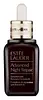
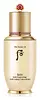
Estée Lauder Advanced Night Repair Synchronized Recovery Complex II Versus The History of Whoo Bichup Self-Generating Anti-Aging Concentrate
This barrier-repair serum is formulated around Bifida Ferment Lysate to strengthen the skin barrier.
This anti-aging serum is formulated around Panthenol and Panax Ginseng Root Extract to soften the look of wrinkles and strengthen the skin barrier.


What's inside
What's inside
 Key Ingredients
Benefits
Concerns
Ingredients Side-by-side
Water
Skin ConditioningBifida Ferment Lysate
Skin Conditioning



Methyl Gluceth-20
Humectant
PEG-75
HumectantBis-PEG-18 Methyl Ether Dimethyl Silane
EmollientButylene Glycol
Humectant
Propanediol
Solvent
Cola Acuminata Seed Extract
Skin ConditioningHydrolyzed Algin
Pantethine
EmollientCaffeine
Skin Conditioning
Lecithin
Emollient
Tripeptide-32
Skin Conditioning
Ethylhexylglycerin
Skin ConditioningSodium Rna
Skin ConditioningBisabolol
Antioxidant

Glycereth-26
Humectant
Squalane
Emollient
Sodium Hyaluronate
Humectant
Oleth-3 Phosphate
SurfactantCaprylyl Glycol
Emollient
Lactobacillus Ferment
Skin Conditioning
Oleth-3
Emulsifying


Oleth-5
Emulsifying
Anthemis Nobilis Flower Extract
Masking
Faex Extract
Skin ConditioningCholeth-24
EmulsifyingHydrogenated Lecithin
Emulsifying
Ceteth-24
CleansingTocopheryl Acetate
Antioxidant

Ethylhexyl Methoxycinnamate
UV Absorber


Hexylene Glycol
EmulsifyingCarbomer
Emulsion StabilisingTriethanolamine
BufferingTrisodium EDTA
ChelatingBHT
Antioxidant
Xanthan Gum
EmulsifyingPhenoxyethanol
Preservative
CI 14700
Cosmetic ColorantCI 19140
Cosmetic ColorantWater, Bifida Ferment Lysate, Methyl Gluceth-20, PEG-75, Bis-PEG-18 Methyl Ether Dimethyl Silane, Butylene Glycol, Propanediol, Cola Acuminata Seed Extract, Hydrolyzed Algin, Pantethine, Caffeine, Lecithin, Tripeptide-32, Ethylhexylglycerin, Sodium Rna, Bisabolol, Glycereth-26, Squalane, Sodium Hyaluronate, Oleth-3 Phosphate, Caprylyl Glycol, Lactobacillus Ferment, Oleth-3, Oleth-5, Anthemis Nobilis Flower Extract, Faex Extract, Choleth-24, Hydrogenated Lecithin, Ceteth-24, Tocopheryl Acetate, Ethylhexyl Methoxycinnamate, Hexylene Glycol, Carbomer, Triethanolamine, Trisodium EDTA, BHT, Xanthan Gum, Phenoxyethanol, CI 14700, CI 19140
Water
Skin ConditioningGlycerin
Humectant
Dipropylene Glycol
HumectantPEG/PPG/Polybutylene Glycol-8/5/3 Glycerin
HumectantGlyceryl Polymethacrylate
Biosaccharide Gum-1
Humectant
Dimethicone
Emollient
1,2-Hexanediol
Skin Conditioning
PEG-150
HumectantMethyl Trimethicone
Skin Conditioning
Panthenol
Skin Conditioning
Phenyl Trimethicone
Skin Conditioning
Propylene Glycol
Humectant
Cyclopentasiloxane
Emollient
Polymethylsilsesquioxane
Hydrogenated Lecithin
Emulsifying
Hydroxyproline
Skin ConditioningC14-22 Alcohols
Emulsion Stabilising
Squalane
Emollient
Panax Ginseng Root Extract
Emollient
Ophiopogon Japonicus Root Extract
Skin ConditioningPEG-60 Hydrogenated Castor Oil
Emulsifying

Butylene Glycol
Humectant
Ceramide NP
Skin Conditioning
Rehmannia Glutinosa Root Extract
Skin ConditioningAngelica Acutiloba Root Extract
Skin ConditioningCornus Officinalis Fruit Extract
Skin ConditioningNelumbo Nucifera Flower Extract
Skin ConditioningNelumbo Nucifera Root Extract
Skin ConditioningThymus Vulgaris Extract
Perfuming
Velvet Extract
HumectantTromethamine
BufferingMacadamia Ternifolia Seed Oil
Emollient
Triethylhexanoin
MaskingCarbomer
Emulsion StabilisingDimethiconol
Emollient
Dioscorea Japonica Root Extract
Skin Conditioning
Glycyrrhiza Glabra Root Extract
Bleaching
PEG-10 Rapeseed Sterol
CleansingArachidyl Glucoside
EmulsifyingButyrospermum Parkii Butter
Skin Conditioning
Parfum
Masking
Algin
MaskingSodium Polyacrylate
Absorbent
Typha Angustifolia Spike Extract
Skin ConditioningCinnamomum Cassia Bark Extract
Masking
Paeonia Albiflora Root Extract
Skin ConditioningGlyceryl Stearate
Emollient
Scutellaria Baicalensis Root Extract
Astringent
Acrylates/C10-30 Alkyl Acrylate Crosspolymer
Emulsion StabilisingAtractylodes Japonica Rhizome Extract
Skin ConditioningSaposhnikovia Divaricata Root Extract
AntimicrobialZingiber Officinale Root Extract
Masking
Zizyphus Jujuba Fruit Extract
Stearic Acid
Cleansing
Angelica Gigas Root Extract
Skin ConditioningCholesterol
Emollient
PEG-100 Stearate
Surfactant
Beta-Glucan
Skin Conditioning
Glycereth-20
HumectantPoria Cocos Extract
Skin ConditioningTheobroma Cacao Extract
Skin ConditioningTrisodium EDTA
ChelatingCordyceps Sinensis Extract
Antioxidant
CI 15985
Cosmetic ColorantCI 19140
Cosmetic ColorantArbutin
Antioxidant
Glycosphingolipids
EmollientOligopeptide-1
Skin Conditioning
Oligopeptide-4
Skin Conditioning
Phospholipids
Skin Conditioning
Acetyl Hexapeptide-8
Humectant
Copper Tripeptide-1
Skin Conditioning
Hydrolyzed Soy Protein
Humectant
Oligopeptide-2
Skin Conditioning
Histidine Hcl
Skin ConditioningArginine
Masking
Lysine
Skin ConditioningValine
MaskingThreonine
Leucine
Skin ConditioningMethionine
Skin ConditioningIsoleucine
Skin ConditioningPhenylalanine
Masking
Tyrosine
MaskingInositol
Humectant
Cystine
MaskingTryptophan
MaskingFolic Acid
Skin ConditioningNiacinamide
Smoothing



Pyridoxine Hcl
Skin ConditioningThiamine Hcl
MaskingCalcium Pantothenate
Biotin
AntiseborrhoeicRiboflavin
Cosmetic ColorantCyanocobalamin
Skin ConditioningWater, Glycerin, Dipropylene Glycol, PEG/PPG/Polybutylene Glycol-8/5/3 Glycerin, Glyceryl Polymethacrylate, Biosaccharide Gum-1, Dimethicone, 1,2-Hexanediol, PEG-150, Methyl Trimethicone, Panthenol, Phenyl Trimethicone, Propylene Glycol, Cyclopentasiloxane, Polymethylsilsesquioxane, Hydrogenated Lecithin, Hydroxyproline, C14-22 Alcohols, Squalane, Panax Ginseng Root Extract, Ophiopogon Japonicus Root Extract, PEG-60 Hydrogenated Castor Oil, Butylene Glycol, Ceramide NP, Rehmannia Glutinosa Root Extract, Angelica Acutiloba Root Extract, Cornus Officinalis Fruit Extract, Nelumbo Nucifera Flower Extract, Nelumbo Nucifera Root Extract, Thymus Vulgaris Extract, Velvet Extract, Tromethamine, Macadamia Ternifolia Seed Oil, Triethylhexanoin, Carbomer, Dimethiconol, Dioscorea Japonica Root Extract, Glycyrrhiza Glabra Root Extract, PEG-10 Rapeseed Sterol, Arachidyl Glucoside, Butyrospermum Parkii Butter, Parfum, Algin, Sodium Polyacrylate, Typha Angustifolia Spike Extract, Cinnamomum Cassia Bark Extract, Paeonia Albiflora Root Extract, Glyceryl Stearate, Scutellaria Baicalensis Root Extract, Acrylates/C10-30 Alkyl Acrylate Crosspolymer, Atractylodes Japonica Rhizome Extract, Saposhnikovia Divaricata Root Extract, Zingiber Officinale Root Extract, Zizyphus Jujuba Fruit Extract, Stearic Acid, Angelica Gigas Root Extract, Cholesterol, PEG-100 Stearate, Beta-Glucan, Glycereth-20, Poria Cocos Extract, Theobroma Cacao Extract, Trisodium EDTA, Cordyceps Sinensis Extract, CI 15985, CI 19140, Arbutin, Glycosphingolipids, Oligopeptide-1, Oligopeptide-4, Phospholipids, Acetyl Hexapeptide-8, Copper Tripeptide-1, Hydrolyzed Soy Protein, Oligopeptide-2, Histidine Hcl, Arginine, Lysine, Valine, Threonine, Leucine, Methionine, Isoleucine, Phenylalanine, Tyrosine, Inositol, Cystine, Tryptophan, Folic Acid, Niacinamide, Pyridoxine Hcl, Thiamine Hcl, Calcium Pantothenate, Biotin, Riboflavin, Cyanocobalamin
Reviews
Ingredients Explained
These ingredients are found in both products.
Ingredients higher up in an ingredient list are typically present in a larger amount.
Butylene Glycol (or BG) is used within cosmetic products for a few different reasons:
Overall, Butylene Glycol is a safe and well-rounded ingredient that works well with other ingredients.
Though this ingredient works well with most skin types, some people with sensitive skin may experience a reaction such as allergic rashes, closed comedones, or itchiness.
Learn more about Butylene GlycolCarbomer is a synthetic thickening and gelling agent. It's basically the ingredient that gives a lot of serums, gels, creams, and sunscreens their smooth, non-sticky texture.
Although legally permitted at very high levels, carbomers are normally used at concentrations below 1%.
It also needs to be neutralized to actually thicken, and because it is a large molecule, it doesn't really penetrate the skin barrier.
Allergy-wise, the risk is very low. Clinical studies show carbomers have low potential for skin irritation/sensitization even at concentrations up to 100%.
A 2024 UK study patch-tested 1,302 patients and found true allergy to the parent group of carbomer to be rare with no confirmed relevant reactions.
Learn more about CarbomerCI 19140 is also known as Tartrazine. Tartrazine is a synthetic dye used in cosmetics, foods, and medicine to add a yellow color.
Tartrazine is created from petroleum and is water-soluble.
Some people may experience allergies from this dye, especially asthmatics and those with an aspirin intolerance.
Learn more about CI 19140Hydrogenated Lecithin is a more stable version of lecithin.
It's made by taking lecithin (a phospholipid commonly found in soybeans and egg yolks) and hydrogenating it. This just means the unsaturated fatty acids are turned into saturated ones so they don't go bad as easily.
This ingredient is an emollient, emulsifier, and penetration enhancer. As an emollient, it helps soften and hydrate skin by trapping moisture within. As an emulsifier, it prevents oil and water ingredients from separating.
Hydrogenated Lecithin can form tiny spherical structures made of phospholipid bilayers called liposomes. These liposomes are able to capture compounds inside their structure and deliver them through the skin barrier.
Because phospholipids are a natural component of our cell membranes, this ingredient is inherently compatible with skin.
A 2021 study found lecithin-based surfactants were less harsh and more tolerable comared to Sodium Lauryl Sulfate (SLS).
Learn more about Hydrogenated LecithinSqualane is the hydrogenated and shelf-stable form of squalene (a lipid that naturally occurs in human sebum).
It is an emollient and skin conditioning agent that is able to integrate seamlessly into the skin's lipid barrier without clogging pores.
This is due to how structurally similar it is to what your skin already produces.
Though it is mostly an emollient that helps soften and hydrate skin, it also has some humectant and occlusive action. Humectants help the skin retain moisture while occlusives seal it in, making squalane a triple-threat moisturizer.
Research shows it has antioxidant capabilities that help protect against stressors like UV exposure, specifically UVA induced oxidative stress. This study also found that it supports collagen biosynthesis in human dermal fibroblasts.
No clinical study has reported significant adverse effects and irritation reactions are very rare from this ingredient (even at 100% concentration).
Overall, it's a fantastic ingredient for hydration and is suitable for all skin types.
This depends on the source. Squalane can be derived from both plants and animals. Most squalane used in skincare comes from plants.
Please note: the source of squalane is only known if disclosed by the brand. We recommend reaching out to the brand if you have any questions about their squalane.
Read more about squalene with an "e".
Though squalane is often called an oil, it’s technically not one. It is a hydrocarbon, meaning it is only made of carbon and hydrogen. True oils are triglycerides and made of fatty acids and glycerol.
The term “oil-free” isn’t regulated so companies can define it however they want. Some exclude all oils, while others just avoid mineral oil or comedogenic oils.
Squalane has a comedogenic rating of 1 from the original 1972 study that tested raw ingredients under occlusion on rabbit ears. This system is not standardized or peer-reviewed, and using the raw ingredients is very different from how diluted cosmetic formulations are used on human skin.
A comedogenic rating of 1 means it is "unlikely to clog pores" according to the original rating system.
The overall formula of a product matters more than the individual ingredients on whether or not it will cause clogged pores.
Learn more about SqualaneTrisodium EDTA is one of those quietly essential helper ingredients that most people have never heard of. You'll most likely spot it near the end of ingredient lists in almost every category of skincare.
So what does it actually do?
Its main job is chelation; this is a fancy word to say it grabs onto metal ions and neutralizes them. This is because even purified water in cosmetics contains trace amounts of metals that can cause big problems in a formula.
These trace metals can break down actives faster, cause discoloration, promote rancidity in oils, and make preservatives less effective. Trisodium EDTA binds to these metals and takes them out of the equation so your products can stay stable and effective for longer.
There's also an added bonus: by neutralizing the metals ions that bacteria need to thrive, this ingredient also acts as a preservative booster.
The Cosmetic Ingredient Review has concluded this ingredient to be safe as used in cosmetic formulations. It is not considered an irritant, sensitizer, and is barely absorbed through the skin.
Learn more about Trisodium EDTAWater. It's the most common cosmetic ingredient of all. You'll usually see it at the top of ingredient lists, meaning that it makes up the largest part of the product.
So why is it so popular? Water most often acts as a solvent - this means that it helps dissolve other ingredients into the formulation.
You'll also recognize water as that liquid we all need to stay alive. If you see this, drink a glass of water. Remember to stay hydrated!
Learn more about Water

