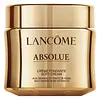
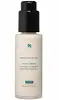
Lancôme Absolue Revitalizing & Brightening Soft Cream with Grand Rose Extracts Versus SkinCeuticals Face Cream
This anti-aging moisturizer is formulated around Capryloyl Salicylic Acid and Adenosine to soften the look of wrinkles.
This oil-control moisturizer is formulated around Nylon-12 and Boron Nitride to balance excess oil.


What's inside
What's inside
 Key Ingredients
Benefits
Concerns
Ingredients Side-by-side
Water
Skin ConditioningOctocrylene
UV Absorber



Hydrogenated Polyisobutene
EmollientEthylhexyl Salicylate
UV Absorber
Alcohol Denat.
Antimicrobial


Dimethicone
Emollient

Glycerin
Humectant

Butyl Methoxydibenzoylmethane
UV Absorber
Bis-PEG-18 Methyl Ether Dimethyl Silane
EmollientOctyldodecanol
Emollient
Cetearyl Alcohol
Emollient



PEG-20
HumectantPetrolatum
Emollient
Butyrospermum Parkii Butter
Skin Conditioning
Cetyl Alcohol
Emollient
Hydroxypropyl Tetrahydropyrantriol
Skin ConditioningPhenoxyethanol
Preservative
Propylene Glycol
Humectant
Butylene Glycol
Humectant
Zea Mays Oil
Emulsifying
Prunus Armeniaca Kernel Oil
Masking
Tocopheryl Acetate
Antioxidant


Passiflora Edulis Seed Oil
Emollient
Oryza Sativa Bran Oil
Emollient

Cetearyl Glucoside
Emulsifying
Caprylyl Glycol
Emollient
Polyacrylamide
PEG-100 Stearate
Surfactant
Glyceryl Stearate
Emollient
Xanthan Gum
EmulsifyingCapryloyl Salicylic Acid
Exfoliating




Acrylates/C10-30 Alkyl Acrylate Crosspolymer
Emulsion StabilisingC13-14 Isoparaffin
Emollient
Disodium EDTA
ChelatingDimethiconol
Emollient
Pentylene Glycol
Skin Conditioning
Laureth-7
EmulsifyingPentaerythrityl Tetra-Di-T-Butyl Hydroxyhydrocinnamate
Antioxidant
Jasminum Officinale Extract
Masking
Sodium Hydroxide
BufferingOryza Sativa
Limonene
Perfuming
Adenosine
Skin Conditioning
Hydrolyzed Soy Protein
Humectant
Hydrolyzed Linseed Extract
Skin ConditioningLinalool
Perfuming
Malus Domestica Fruit Cell Culture Extract
Skin ConditioningCitronellol
Perfuming
Coumarin
Perfuming
CI 19140
Cosmetic Colorant2-Oleamido-1,3-Octadecanediol
Skin ConditioningCitral
Perfuming
CI 14700
Cosmetic ColorantParfum
Masking
Water, Octocrylene, Hydrogenated Polyisobutene, Ethylhexyl Salicylate, Alcohol Denat., Dimethicone, Glycerin, Butyl Methoxydibenzoylmethane, Bis-PEG-18 Methyl Ether Dimethyl Silane, Octyldodecanol, Cetearyl Alcohol, PEG-20, Petrolatum, Butyrospermum Parkii Butter, Cetyl Alcohol, Hydroxypropyl Tetrahydropyrantriol, Phenoxyethanol, Propylene Glycol, Butylene Glycol, Zea Mays Oil, Prunus Armeniaca Kernel Oil, Tocopheryl Acetate, Passiflora Edulis Seed Oil, Oryza Sativa Bran Oil, Cetearyl Glucoside, Caprylyl Glycol, Polyacrylamide, PEG-100 Stearate, Glyceryl Stearate, Xanthan Gum, Capryloyl Salicylic Acid, Acrylates/C10-30 Alkyl Acrylate Crosspolymer, C13-14 Isoparaffin, Disodium EDTA, Dimethiconol, Pentylene Glycol, Laureth-7, Pentaerythrityl Tetra-Di-T-Butyl Hydroxyhydrocinnamate, Jasminum Officinale Extract, Sodium Hydroxide, Oryza Sativa, Limonene, Adenosine, Hydrolyzed Soy Protein, Hydrolyzed Linseed Extract, Linalool, Malus Domestica Fruit Cell Culture Extract, Citronellol, Coumarin, CI 19140, 2-Oleamido-1,3-Octadecanediol, Citral, CI 14700, Parfum
Water
Skin ConditioningDimethicone
Emollient
Glycerin
Humectant
Nylon-12
Steareth-21
CleansingDipropylene Glycol
HumectantAlcohol Denat.
Antimicrobial
Boron Nitride
Absorbent
Ammonium Acryloyldimethyltaurate/Vp Copolymer
Helianthus Annuus Seed Oil
Emollient
Phenoxyethanol
Preservative
Vitis Vinifera Seed Oil
Emollient
Tocopherol
Antioxidant
Bis-PEG/PPG-20/20 Dimethicone
Emollient
Sesamum Indicum Seed Oil
Emollient
Glycine Soja Oil
Emollient
Caprylyl Glycol
Emollient
Propylene Glycol
Humectant
Polyacrylamide
Dimethiconol
Emollient
Sodium Benzoate
Masking
C13-14 Isoparaffin
Emollient
Dimethicone/Vinyl Dimethicone Crosspolymer
Skin Conditioning
Pentaerythrityl Tetra-Di-T-Butyl Hydroxyhydrocinnamate
Antioxidant
Silybum Marianum Extract
Skin Conditioning
Laureth-7
EmulsifyingBiosaccharide Gum-1
Humectant
Glycine Soja Protein
EmulsifyingCucumis Sativus Fruit Extract
Emollient
Cananga Odorata Flower Oil
Masking
Anthemis Nobilis Flower Oil
Masking
Linalool
Perfuming
Pelargonium Graveolens Flower Oil
Masking
Water, Dimethicone, Glycerin, Nylon-12, Steareth-21, Dipropylene Glycol, Alcohol Denat., Boron Nitride, Ammonium Acryloyldimethyltaurate/Vp Copolymer, Helianthus Annuus Seed Oil, Phenoxyethanol, Vitis Vinifera Seed Oil, Tocopherol, Bis-PEG/PPG-20/20 Dimethicone, Sesamum Indicum Seed Oil, Glycine Soja Oil, Caprylyl Glycol, Propylene Glycol, Polyacrylamide, Dimethiconol, Sodium Benzoate, C13-14 Isoparaffin, Dimethicone/Vinyl Dimethicone Crosspolymer, Pentaerythrityl Tetra-Di-T-Butyl Hydroxyhydrocinnamate, Silybum Marianum Extract, Laureth-7, Biosaccharide Gum-1, Glycine Soja Protein, Cucumis Sativus Fruit Extract, Cananga Odorata Flower Oil, Anthemis Nobilis Flower Oil, Linalool, Pelargonium Graveolens Flower Oil
Reviews
Ingredients Explained
These ingredients are found in both products.
Ingredients higher up in an ingredient list are typically present in a larger amount.
Alcohol Denat. is an alcohol with a denaturant property. It is created by mixing ethanol with other additives.
The "denat" part just means "denatured"; common denaturants include Denatonium Benzoate, t-butyl alcohol, and Diethyl Phthalate. This step makes the alcohol undrinkable (and lets brand skip taxes related to beverage alcohol).
This ingredient gets a bad rep because it is irritating and drying due to its astringent property. Astringents draw out natural oils in tissue to constrict pores and dry out your skin.
However, alcohol denat. is not all that bad.
Due to its low molecular weight, alcohol denat. tends to evaporate quickly. One study on pig skin found half of applied alcohol evaporated in 10 seconds and less than 3% stayed on skin.
This also helps other ingredients become better absorbed upon application.
Studies are conflicted about whether this ingredient causes skin dehydration. One study from 2005 found adding emollients to propanol-based sanitizer decreased skin dryness and irritation. Another study found irritation only occurs if your skin is already damaged.
Small amounts of alcohol are generally tolerated by oily skin or people who live in humid environments.
The rule of thumb is this ingredient will probably not affect your skin much if it is near the end of an ingredients list.
One thing to note:
People with ALDH2 (aldehyde dehydrogenase 2) deficiency may experience skin irritation from continued alcohol use. About 8% of the world's population have this deficiency.
The Cosmetic Ingredient Review Expert Panel has determined denatured alcohols to be safe for use in concentrations between 0.05% and 12% (depending on which denaturant is used).
Also...
This ingredient has antimicrobial and solvent properties.
The antimicrobial property helps preserve products and increase their shelf life. As a solvent, it helps dissolve other ingredients.
Look for formulas that contain glycerin, hyaluronic acid, or panthenol if you want to offset any drying effect.
This ingredient will trip away your skin's natural oils/lipids that help it lock in moisture. This can worsen dryness, trigger eczema flare-ups, and aggravate rosacea.
Be sure to patch test any product with this ingredient if you have dry or sensitive skin, eczema, or rosacea.
Learn more about Alcohol Denat.C13-14 Isoparaffin is a synthetic emollient, solvent, and thickening agent. It helps soften skin and improves spreadability without leaving a greasy residue.
This ingredient has been found to be non-sensitizing and safe for use in cosmetics.
Two things floating around online that cause fear-mongering:
There's one scary-sounding study related to kidney tumors in male rats; this depends on a protein called alpha-2u-globulin that binds the ingredient and clogs up kidney cells. Female rats barely make this protein, and humans don't make it at all so this effect cannot happen to us. Regulatory bodies have states this rat-only pathway shouldn't be used to judge human risk.
The other thing you'll see is 1,4-dioxane being a trace byproduct that can form during manufacturing of petroleum-derived ingredients. This is a real, but heavily managed/monitored issue. This byproduct is removed through purification steps before the ingredients goes into the formula. Regulatory bodies also actively monitor residual levels for safety.
One last thing to note: this ingredient is a pure hydrocarbon with no fatty-acid or ester chains for Malassezia to feed on, so it's considered fungal acne safe.
Learn more about C13-14 IsoparaffinCaprylyl Glycol is a humectant, skin conditioner, emollient, and preservative booster derived from either caprylic acid or synthetically created.
Typical use levels vary from 0.3-1% as a preservative booster and go up to 2% to condition skin.
Because it is not a free-fatty acid, this ingredient is fungal acne safe (there's nothing for Malassezia to feed on).
Learn more about Caprylyl GlycolDimethicone is a type of synthetic silicone created from natural materials such as quartz. It is also known as polydimethylsiloxane.
What it does:
Dimethicone comes in different viscosities:
Depending on the viscosity, dimethicone has different properties.
Ingredients lists don't always show which type is used, so we recommend reaching out to the brand if you have questions about the viscosity.
This ingredient is unlikely to cause irritation because it does not get absorbed into skin. However, people with silicone allergies should be careful about using this ingredient.
Note: Dimethicone may contribute to pilling. This is because it is not oil or water soluble, so pilling may occur when layered with products. When mixed with heavy oils in a formula, the outcome is also quite greasy.
Learn more about DimethiconeDimethiconol is a silicone that resembles the popular dimethicone. Like other silicones, it is an emollient. Emollients create a thin film on skin to prevent moisture from escaping.
This ingredient helps to create a silky texture and improve spreadability. Due to its high molecular weight and thickness, it is often combined with cyclopentasiloxane.
Glycerin (or glycerol) is a compound naturally found in your skin. It's a powerhouse humectant that pulls water into the stratum corneum.
Topically, glycerin does several things at once:
Your skin makes glycerin on its own (mostly from sebaceous oil breakdown) and shuttles it to your outermost layer of skin, or your epidermis, via aquaporin-3.
Aquaporin-3 is a transporter that is essential for normal skin hydration, elasticity, and repair. Interestingly, mice lacking in AQP3 have dry and less elastic skin that can be fully corrected with glycerin.
This ingredient is non-irritating, plays well with almost every ingredient, and works across all skin types. Typical use is anywhere between 3-10% but can go up to 79% in some leave-on products.
Just know very high concentrations (>40%) can feel tacky in low humidity.
Glycerin is the name for this ingredient in American English. British English uses Glycerol/Glycerine.
Learn more about GlycerinLaureth-7 is created by the ethoxylation of lauryl alcohol using ethylene oxide. Lauryl alcohol is a fatty alcohol with hydrating properties.
This ingredient is an emulsifier and cleansing ingredient. As an emulsifier, it is used to prevent ingredients from separating. It also helps cleanse the skin by gathering dirt, oil, and pollutants to be rinsed away.
Linalool is a small, naturally occurring scent molecule found in plants like lavender, coriander, bergamot, and more.
It is one of the two most-used fragrance ingredients in cosmetics and added purely for smell. Since it's not used for a skin benefit, there's no "effective dose". Concentration depends on the fragrance load of the product.
The EU requires it to be named on the label above 0.001% in leave-on and 0.01% in rinse-off products.
Fresh linalool is a weak sensitizer but air exposure turns some of it into hydroperoxides, which are strong sensitizers. Those oxidation products are the actual allergy concern.
Patch-test clinics see positive reactions to linalool hydroperoxides in about 4% to 12% of dermatitis patients depending on country and test concentration.
Resassuringly, one analytical study found hydroperoxide levels in real fragranced products to be orders of magnitude below what induced sensitization in animal studies with no evidence of oxidation building up during normal storage.
The practical takeaway is that linalool is fine for most people but worth avoiding if you have a confirmed fragrance contact allergy or a badly compromised barrier.
Products stored a long time after opening are also the high-risk scenario since that is when oxidation happens.
The scent of linalool is described as floral, spicy tropical, and citrus-like.
Learn more about LinaloolPentaerythrityl Tetra-Di-T-Butyl Hydroxyhydrocinnamate (long name, huh?) is a synthetic antioxidant.
It is used to help stabilize other antioxidants or prevent the color from changing in a product.
As an antioxidant, it helps fight free-radical molecules. Free-radical molecules are capable of damaging our cells and other genetic material. Thus, antioxidants may reduce the signs of aging.
This ingredient is oil-soluble.
Learn more about Pentaerythrityl Tetra-Di-T-Butyl HydroxyhydrocinnamatePhenoxyethanol is one of the most widely used preservatives in skincare (and for good reason!).
It has a large spectrum of antimicrobial activity and especially effective bacteria, yeast, and mold while only having a weak effect on your skin's natural microbiome.
On a cellular level, it disrupts the cell membranes of microbes by poking holes that make the cell leak. This shuts down the chemical reactions the microbe needs to make energy so it can no longer survive.
Another perk of this ingredient is that it stays functional across a wide pH range (3-10).
You'll often see it paired with boosters like Ethylhexylglycerin; one study showed that a 1:9 ratio of Ethylhexylglycerin to Phenoxyethanol damages bacterial membranes as effectively as doubling the Phenoxyethanol concentration on its own.
Typical use concentrations range from 0.3-1% depending on the formula, and this ingredient is capped at 1% int the EU.
Safety-wise, the fear mongering does not hold up to the evidence. The EU's Scientific Committee on Consumer Safety and FDA consider it safe as a preservative at up to 1%, including for children of all ages.
Adverse systemic effects only showed up in animal studies at exposures roughly 200x higher than what people get from cosmetics. And despite its very widespread use, this ingredient is a rare sensitizer and allergic reactions are uncommon.
Learn more about PhenoxyethanolPolyacrylamide is a synthetic polymer. It is used to stabilize products and bind ingredients. When hydrated, Polyacrylamide forms a soft gel.
Polyacrylamide is low-toxicity. If source properly, it is deemed safe to use in cosmetics.
It should be noted the precursor to Polyacrylamide is acrylamide. Acrylamide is a carcinogen. Most reputable sources of Polyacrylamide will screen for residual acrylamide to make sure the count is in a safe range. Acrylamide is not able to be absorbed through the skin.
We recommend speaking with a professional if you have concerns.
Learn more about PolyacrylamidePropylene Glycol is a synthetic, colorless, odorless liquid that has been a staple in cosmetics for decades. It is a skin conditioning agent, humectant, and solvent.
As a humectant, it draw water to the skin to reduce flaking and restore suppleness. It's also a solvent that helps dissolve other actives and keeps formulas stable across temperature changes.
The CIR Expert Panel has confirmed this ingredient to be nontoxic and clinical studies show no sensitization at cosmetic use concentrations.
True allergic reactions are quite rare: a 15-year retrospective study of 6,751 patients found only 0.31% had a positive reaction (and less than half were considered clinically relevant).
It seemed that when sensitization does occur, it's most commonly linked to topical medication (like corticosteroids) and not cosmetics. Allergic contact dermatitis also appears largely limited to individuals with underlying skin conditions.
Overall, propylene glycol is a well-studied ingredient that most people can tolerate without issue.
Learn more about Propylene GlycolWater. It's the most common cosmetic ingredient of all. You'll usually see it at the top of ingredient lists, meaning that it makes up the largest part of the product.
So why is it so popular? Water most often acts as a solvent - this means that it helps dissolve other ingredients into the formulation.
You'll also recognize water as that liquid we all need to stay alive. If you see this, drink a glass of water. Remember to stay hydrated!
Learn more about Water

