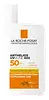
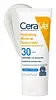
La Roche-Posay Anthelios Uvmune 400 Invisible Fluid SPF50+ Versus CeraVe Hydrating Mineral Sunscreen SPF 30 Face Lotion


What's inside
What's inside
 Key Ingredients
Benefits
Concerns
Ingredients Side-by-side
Water
Skin ConditioningAlcohol Denat.
Antimicrobial




Triethyl Citrate
Masking
Diisopropyl Sebacate
EmollientSilica
Abrasive


Ethylhexyl Salicylate
UV Absorber

Bis-Ethylhexyloxyphenol Methoxyphenyl Triazine
Skin Conditioning
Ethylhexyl Triazone
UV Absorber
Butyl Methoxydibenzoylmethane
UV Absorber
Glycerin
Humectant


Propanediol
Solvent
C12-22 Alkyl Acrylate/Hydroxyethylacrylate Copolymer
StabilisingSodium Citrate
BufferingMethoxypropylamino Cyclohexenylidene Ethoxyethylcyanoacetate
Stabilising
Perlite
Absorbent
Tocopherol
Antioxidant





Caprylic/Capric Triglyceride
Masking
Acrylates/C10-30 Alkyl Acrylate Crosspolymer
Emulsion StabilisingCaprylyl Glycol
Emollient
Citric Acid
Buffering
Diethylamino Hydroxybenzoyl Hexyl Benzoate
UV Filter
Drometrizole Trisiloxane
UV Absorber
Hydroxyethylcellulose
Emulsion StabilisingTerephthalylidene Dicamphor Sulfonic Acid
UV Absorber
Triethanolamine
BufferingTrisodium Ethylenediamine Disuccinate
Water, Alcohol Denat., Triethyl Citrate, Diisopropyl Sebacate, Silica, Ethylhexyl Salicylate, Bis-Ethylhexyloxyphenol Methoxyphenyl Triazine, Ethylhexyl Triazone, Butyl Methoxydibenzoylmethane, Glycerin, Propanediol, C12-22 Alkyl Acrylate/Hydroxyethylacrylate Copolymer, Sodium Citrate, Methoxypropylamino Cyclohexenylidene Ethoxyethylcyanoacetate, Perlite, Tocopherol, Caprylic/Capric Triglyceride, Acrylates/C10-30 Alkyl Acrylate Crosspolymer, Caprylyl Glycol, Citric Acid, Diethylamino Hydroxybenzoyl Hexyl Benzoate, Drometrizole Trisiloxane, Hydroxyethylcellulose, Terephthalylidene Dicamphor Sulfonic Acid, Triethanolamine, Trisodium Ethylenediamine Disuccinate
Titanium Dioxide 6%
Cosmetic Colorant
Zinc Oxide 5%
Cosmetic Colorant
Water
Skin ConditioningGlycerin
Humectant
C12-15 Alkyl Benzoate
AntimicrobialDimethicone
Emollient
Glyceryl Stearate
Emollient
Isododecane
EmollientButyloctyl Salicylate
Skin Conditioning
Styrene/Acrylates Copolymer
Propanediol
Solvent
Stearic Acid
Cleansing
PEG-100 Stearate
Sorbitan Stearate
Emulsifying
Niacinamide
Smoothing



PEG-8 Laurate
Emulsifying
Ceramide NP
Skin Conditioning
Ceramide AP
Skin Conditioning
Ceramide EOP
Skin Conditioning
Sorbitan Isostearate
Emulsifying
Carbomer
Emulsion StabilisingCetearyl Alcohol
Emollient
Ceteareth-20
CleansingTriethoxycaprylylsilane
Dimethiconol
Emollient
Sodium Citrate
BufferingSodium Lauroyl Lactylate
EmulsifyingSodium Dodecylbenzenesulfonate
CleansingMyristic Acid
Cleansing
Sodium Hyaluronate
Humectant
Cholesterol
Emollient
Aluminum Hydroxide
EmollientPalmitic Acid
Emollient
Phenoxyethanol
Preservative
Chlorphenesin
Antimicrobial
Hydroxyethyl Acrylate/Sodium Acryloyldimethyl Taurate Copolymer
Emulsion StabilisingCaprylyl Glycol
Emollient
Citric Acid
Buffering
Panthenol
Skin Conditioning
Xanthan Gum
EmulsifyingPhytosphingosine
Skin Conditioning
Polyhydroxystearic Acid
Emulsifying
Polysorbate 60
Emulsifying
Ethylhexylglycerin
Skin ConditioningTitanium Dioxide 6%, Zinc Oxide 5%, Water, Glycerin, C12-15 Alkyl Benzoate, Dimethicone, Glyceryl Stearate, Isododecane, Butyloctyl Salicylate, Styrene/Acrylates Copolymer, Propanediol, Stearic Acid, PEG-100 Stearate, Sorbitan Stearate, Niacinamide, PEG-8 Laurate, Ceramide NP, Ceramide AP, Ceramide EOP, Sorbitan Isostearate, Carbomer, Cetearyl Alcohol, Ceteareth-20, Triethoxycaprylylsilane, Dimethiconol, Sodium Citrate, Sodium Lauroyl Lactylate, Sodium Dodecylbenzenesulfonate, Myristic Acid, Sodium Hyaluronate, Cholesterol, Aluminum Hydroxide, Palmitic Acid, Phenoxyethanol, Chlorphenesin, Hydroxyethyl Acrylate/Sodium Acryloyldimethyl Taurate Copolymer, Caprylyl Glycol, Citric Acid, Panthenol, Xanthan Gum, Phytosphingosine, Polyhydroxystearic Acid, Polysorbate 60, Ethylhexylglycerin
Reviews
Ingredients Explained
These ingredients are found in both products.
Ingredients higher up in an ingredient list are typically present in a larger amount.
Caprylyl Glycol is a humectant, skin conditioner, emollient, and preservative booster derived from either caprylic acid or synthetically created.
Typical use levels vary from 0.3-1% as a preservative booster and go up to 2% to condition skin.
Because it is not a free-fatty acid or alcohol, this ingredient is fungal acne safe (there's nothing for Malassezia to feed on).
Learn more about Caprylyl GlycolCitric Acid is an alpha hydroxy acid (AHA) naturally found in citrus fruits like oranges, lemons, and limes.
Like other AHAs, citric acid can exfoliate skin by breaking down the bonds that hold dead skin cells together. This helps reveal smoother and brighter skin underneath.
However, this exfoliating effect only happens at high concentrations (20%) which can be hard to find in cosmetic products.
Due to this, citric acid is usually included in small amounts as a pH adjuster. This helps keep products slightly more acidic and compatible with skin's natural pH.
In skincare formulas, citric acid can:
While it can provide some skin benefits, research shows lactic acid and glycolic acid are generally more effective and less irritating exfoliants.
Most citric acid used in skincare today is made by fermenting sugars (usually from molasses). This synthetic version is identical to the natural citrus form but easier to stabilize and use in formulations.
Read more about some other popular AHA's here:
Learn more about Citric AcidGlycerin (or glycerol) is a compound naturally found in your skin. It's a powerhouse humectant that pulls water into the stratum corneum.
Topically, glycerin does several things at once:
Your skin makes glycerin on its own (mostly from sebaceous oil breakdown) and shuttles it to your outermost layer of skin, or your epidermis, via aquaporin-3.
Aquaporin-3 is a transporter that is essential for normal skin hydration, elasticity, and repair. Interestingly, mice lacking in AQP3 have dry and less elastic skin that can be fully corrected with glycerin.
This ingredient is non-irritating, plays well with almost every ingredient, and works across all skin types. Typical use is anywhere between 3-10% but can go up to 79% in some leave-on products.
Just know very high concentrations (>40%) can feel tacky in low humidity.
Glycerin is the name for this ingredient in American English. British English uses Glycerol/Glycerine.
Learn more about GlycerinPropanediol is an all-star ingredient. It softens, hydrates, and smooths the skin.
It’s often used to:
Propanediol is not likely to cause sensitivity and considered safe to use. It is derived from corn or petroleum with a clear color and no scent.
Learn more about PropanediolSodium Citrate is the sodium salts of citric acid. In skincare, it is used to alter pH levels and acts as a preservative.
Its main functions are to maintain the pH of a product and neutralize metal ions.
The acidity of our skin is maintained by our glands and skin biome; normal pH level of skin is slightly acidic (~4.75-5.5).
Being slightly acidic allows our skin to create an "acid mantle". This acid mantle is a thin barrier that protects our skin from bacteria and contaminants.
Learn more about Sodium CitrateWater. It's the most common cosmetic ingredient of all. You'll usually see it at the top of ingredient lists, meaning that it makes up the largest part of the product.
So why is it so popular? Water most often acts as a solvent - this means that it helps dissolve other ingredients into the formulation.
You'll also recognize water as that liquid we all need to stay alive. If you see this, drink a glass of water. Remember to stay hydrated!
Learn more about Water
