

What's inside
What's inside
 Key Ingredients
Benefits
Concerns
Ingredients Side-by-side
Water
Skin ConditioningHydrogenated Polyisobutene
EmollientCetearyl Alcohol
Emollient




Glycerin
Humectant


Hydrogenated Coco-Glycerides
Emollient
Oleic/Linoleic/Linolenic Polyglycerides
Emollient
Dimethicone
Emollient
Glyceryl Stearate
Emollient
Dicaprylyl Maleate
Emollient
Cetearyl Glucoside
Emulsifying
Glycoproteins
Skin Conditioning
Panax Ginseng Root Extract
Emollient

Equisetum Arvense Extract
AstringentCaviar Extract
Skin ConditioningCaulerpa Lentillifera Extract
Ceramide NP
Skin Conditioning

Rna
Skin ConditioningLactobacillus Ferment
Skin Conditioning
Sodium Dna
Skin Conditioning
Saccharomyces Cerevisiae Extract
Skin Conditioning
Pullulan
Hydrolyzed Rice Bran Protein
Skin ConditioningSodium Hyaluronate
Humectant
Hydrogenated Lecithin
Emulsifying
Palmitoyl Tetrapeptide-7
Skin Conditioning

Glycine Soja Oil
Emollient

Tocopherol
Antioxidant


Palmitoyl Tripeptide-1
Skin Conditioning
Tocopheryl Acetate
Antioxidant
Acetyl Tetrapeptide-5
Humectant
Tetrapeptide-3
Skin Conditioning
Ethylhexyl Palmitate
Emollient
Sodium Acrylate/Sodium Acryloyldimethyl Taurate Copolymer
Emulsion StabilisingButylene Glycol
Humectant
Polyisobutene
Ethylhexylglycerin
Skin ConditioningBiotin
AntiseborrhoeicCarbomer
Emulsion StabilisingDisodium EDTA
Steareth-20
CleansingPolyglyceryl-10 Stearate
Skin Conditioning
Sodium Hydroxide
BufferingCaprylyl/Capryl Glucoside
CleansingPropylene Glycol
Humectant

Silica Dimethyl Silylate
EmollientSucrose Stearate
EmollientCaprylyl Glycol
Emollient
N-Hydroxysuccinimide
Skin ConditioningHexylene Glycol
EmulsifyingSodium Oleate
CleansingSodium Citrate
BufferingCitric Acid
Buffering
Chrysin
Skin ConditioningParfum
Masking

Linalool
Perfuming

Benzyl Salicylate
Perfuming
Citronellol
Perfuming
Geraniol
Perfuming
Phenoxyethanol
Preservative
Chlorhexidine Digluconate
Antimicrobial
Sodium Dehydroacetate
Preservative
CI 19140
Cosmetic ColorantCI 16035
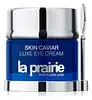
Cosmetic ColorantWater, Hydrogenated Polyisobutene, Cetearyl Alcohol, Glycerin, Hydrogenated Coco-Glycerides, Oleic/Linoleic/Linolenic Polyglycerides, Dimethicone, Glyceryl Stearate, Dicaprylyl Maleate, Cetearyl Glucoside, Glycoproteins, Panax Ginseng Root Extract, Equisetum Arvense Extract, Caviar Extract, Caulerpa Lentillifera Extract, Ceramide NP, Rna, Lactobacillus Ferment, Sodium Dna, Saccharomyces Cerevisiae Extract, Pullulan, Hydrolyzed Rice Bran Protein, Sodium Hyaluronate, Hydrogenated Lecithin, Palmitoyl Tetrapeptide-7, Glycine Soja Oil, Tocopherol, Palmitoyl Tripeptide-1, Tocopheryl Acetate, Acetyl Tetrapeptide-5, Tetrapeptide-3, Ethylhexyl Palmitate, Sodium Acrylate/Sodium Acryloyldimethyl Taurate Copolymer, Butylene Glycol, Polyisobutene, Ethylhexylglycerin, Biotin, Carbomer, Disodium EDTA, Steareth-20, Polyglyceryl-10 Stearate, Sodium Hydroxide, Caprylyl/Capryl Glucoside, Propylene Glycol, Silica Dimethyl Silylate, Sucrose Stearate, Caprylyl Glycol, N-Hydroxysuccinimide, Hexylene Glycol, Sodium Oleate, Sodium Citrate, Citric Acid, Chrysin, Parfum, Linalool, Benzyl Salicylate, Citronellol, Geraniol, Phenoxyethanol, Chlorhexidine Digluconate, Sodium Dehydroacetate, CI 19140, CI 16035
Water
Skin ConditioningSd Alcohol 40-B
Astringent

Glycerin
Humectant
Dipropylene Glycol
HumectantNiacinamide
Smoothing



Cyclohexasiloxane
Emollient
Cetyl Ethylhexanoate
EmollientHydrogenated Polydecene
EmollientPhytosteryl/Octyldodecyl Lauroyl Glutamate
Skin ConditioningDimethicone
Emollient
PPG-3 Dipivalate
Skin ConditioningMyristyl Myristate
Emollient
Methyl Methacrylate Crosspolymer
Hydrogenated Palm Oil
Emollient
Ammonium Acryloyldimethyltaurate/Vp Copolymer
Behenyl Alcohol
Emollient
Polysorbate 60
Emulsifying
PEG-30 Phytosterol
EmulsifyingPhenoxyethanol
Preservative
Dimethicone/Vinyl Dimethicone Crosspolymer
Skin Conditioning
Batyl Alcohol
EmollientAlcohol
Antimicrobial
Tocopheryl Acetate
Antioxidant
Erythritol
Humectant
PEG/PPG-14/7 Dimethyl Ether
Skin ConditioningPEG/PPG-17/4 Dimethyl Ether
Skin ConditioningButylene Glycol
Humectant
Parfum
Masking
Carbomer
Emulsion StabilisingAcrylates/C10-30 Alkyl Acrylate Crosspolymer
Emulsion StabilisingPotassium Hydroxide
BufferingCaffeine
Skin Conditioning
Disodium EDTA
Sodium Metaphosphate
BufferingTocopherol
Antioxidant
Sapindus Mukorossi Peel Extract
Skin ConditioningCI 77492
Cosmetic ColorantLinalool
Perfuming
Sodium Metabisulfite
Antioxidant
Limonene
Perfuming
Citronellol
Perfuming
Angelica Keiskei Leaf/Stem Extract
Skin ConditioningGeraniol
Perfuming
Camellia Sinensis Leaf Extract
Antimicrobial
Citrus Junos Seed Extract
Antioxidant
Hdi/Trimethylol Hexyllactone Crosspolymer
Ziziphus Jujuba Fruit Extract
Skin ConditioningCI 77491
Cosmetic ColorantEucheuma Serra/Grateloupia Sparsa/Saccharina Angustata/Ulva Linza/Undaria Pinnatifida Extract
EmollientCurcuma Longa Rhizome Extract
Skin ConditioningSaccharina Angustata/Undaria Pinnatifida Extract
EmollientChlorella Vulgaris Extract
Skin ConditioningSilica
Abrasive
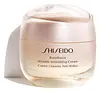
Water, Sd Alcohol 40-B, Glycerin, Dipropylene Glycol, Niacinamide, Cyclohexasiloxane, Cetyl Ethylhexanoate, Hydrogenated Polydecene, Phytosteryl/Octyldodecyl Lauroyl Glutamate, Dimethicone, PPG-3 Dipivalate, Myristyl Myristate, Methyl Methacrylate Crosspolymer, Hydrogenated Palm Oil, Ammonium Acryloyldimethyltaurate/Vp Copolymer, Behenyl Alcohol, Polysorbate 60, PEG-30 Phytosterol, Phenoxyethanol, Dimethicone/Vinyl Dimethicone Crosspolymer, Batyl Alcohol, Alcohol, Tocopheryl Acetate, Erythritol, PEG/PPG-14/7 Dimethyl Ether, PEG/PPG-17/4 Dimethyl Ether, Butylene Glycol, Parfum, Carbomer, Acrylates/C10-30 Alkyl Acrylate Crosspolymer, Potassium Hydroxide, Caffeine, Disodium EDTA, Sodium Metaphosphate, Tocopherol, Sapindus Mukorossi Peel Extract, CI 77492, Linalool, Sodium Metabisulfite, Limonene, Citronellol, Angelica Keiskei Leaf/Stem Extract, Geraniol, Camellia Sinensis Leaf Extract, Citrus Junos Seed Extract, Hdi/Trimethylol Hexyllactone Crosspolymer, Ziziphus Jujuba Fruit Extract, CI 77491, Eucheuma Serra/Grateloupia Sparsa/Saccharina Angustata/Ulva Linza/Undaria Pinnatifida Extract, Curcuma Longa Rhizome Extract, Saccharina Angustata/Undaria Pinnatifida Extract, Chlorella Vulgaris Extract, Silica
Reviews
Ingredients Explained
These ingredients are found in both products.
Ingredients higher up in an ingredient list are typically present in a larger amount.
Butylene Glycol (or BG) is used within cosmetic products for a few different reasons:
Overall, Butylene Glycol is a safe and well-rounded ingredient that works well with other ingredients.
Though this ingredient works well with most skin types, some people with sensitive skin may experience a reaction such as allergic rashes, closed comedones, or itchiness.
Learn more about Butylene GlycolCarbomer is a high-molecular weight polymer of acrylic acid. It is used to form gels and thicken formulas.
Due to its large molecular size, carbomer has minimal skin penetration and is considered an inert ingredient.
A high amount of carbomer can cause pilling or balling up of products. Don't worry, most products contain 1% or less of carbomer.
Learn more about CarbomerCitronellol is used to add fragrance/parfum to a product. It is often derived from plants such as roses. In fact, it can be found in many essential oils including geranium, lavender, neroli, and more. The scent of Citronellol is often described as "fresh, grassy, and citrus-like".
Since the Citronellol molecule is already unstable, Citronellol becomes irritating on the skin when exposed to air.
Citronellol is a modified terpene. Terpenes are unsaturated hydrocarbons found in plants. They make up the primary part of essential oils.
Citronellol is not able to be absorbed into deeper layers of the skin. It has low permeability,
Citronellol is also a natural insect repellent.
Learn more about CitronellolDimethicone is a type of synthetic silicone created from natural materials such as quartz. It is also known as polydimethylsiloxane.
What it does:
Dimethicone comes in different viscosities:
Depending on the viscosity, dimethicone has different properties.
Ingredients lists don't always show which type is used, so we recommend reaching out to the brand if you have questions about the viscosity.
This ingredient is unlikely to cause irritation because it does not get absorbed into skin. However, people with silicone allergies should be careful about using this ingredient.
Note: Dimethicone may contribute to pilling. This is because it is not oil or water soluble, so pilling may occur when layered with products. When mixed with heavy oils in a formula, the outcome is also quite greasy.
Learn more about DimethiconeDisodium EDTA is a chelating agent. It grabs onto and deactivates metal ions that sneak into your products from water, packaging, or air.
This ingredient mainly works behind the scenes and helps with:
On top of that, this ingredient can counteract the effects of hard water by binding to the minerals in it.
One thing worth knowing is that Disodium EDTA has been shown to be a mild penetration enhancer. It can help other ingredients absorb into skin more effectively which can be a double-edged sword (great for actives, but can also make the active too strong if you have sensitive skin).
Clinical patch testing showed no significant skin irritation at typical use concentrations and minimal dermal absorption.
You'll most likely see this ingredient near the end of an ingredient list. It's typically found in concentrations less than 1%.
Learn more about Disodium EDTAGeraniol is used to add fragrance/parfum to a product. It is the main component of citronellol. It is a monoterpenoid and an alcohol.
Monoterpenes are naturally found in many parts of different plants.
Geraniol can be found in many essential oils including Rose Oil and Citronella Oil. The scent of Geraniol is often described as "rose-like". Many foods also contain Geraniol for fruit flavoring.
Geraniol can irritate the skin when exposed to air. However, irritation depends on the ability of geraniol to penetrate into the skin. In general, geraniol is not able to penetrate skin easily.
Geraniol is colorless and has low water-solubility. However, it is soluble in common organic solvents.
Like citronellol, it is a natural insect repellent.
2,6-Octadien-1-ol, 3,7-dimethyl-, (2E)-
Learn more about GeraniolGlycerin (or glycerol) is a compound naturally found in your skin. It's a powerhouse humectant that pulls water into the stratum corneum.
Topically, glycerin does several things at once:
Your skin makes glycerin on its own (mostly from sebaceous oil breakdown) and shuttles it to your outermost layer of skin, or your epidermis, via aquaporin-3.
Aquaporin-3 is a transporter that is essential for normal skin hydration, elasticity, and repair. Interestingly, mice lacking in AQP3 have dry and less elastic skin that can be fully corrected with glycerin.
This ingredient is non-irritating, plays well with almost every ingredient, and works across all skin types. Typical use is anywhere between 3-10% but can go up to 79% in some leave-on products.
Just know very high concentrations (>40%) can feel tacky in low humidity.
Glycerin is the name for this ingredient in American English. British English uses Glycerol/Glycerine.
Learn more about GlycerinLinalool is a fragrance and helps add scent to products. It's derived from common plants such as cinnamon, mint, citrus, and lavender.
Like Limonene, this ingredient oxidizes when exposed to air. Oxidized linalool can cause allergies and skin sensitivity.
This ingredient has a scent that is floral, spicy tropical, and citrus-like.
Learn more about LinaloolParfum is a catch-all term for an ingredient or more that is used to give a scent to products.
Also called "fragrance", this ingredient can be a blend of hundreds of chemicals or plant oils. This means every product with "fragrance" or "parfum" in the ingredients list is a different mixture.
For instance, Habanolide is a proprietary trade name for a specific aroma chemical. When used as a fragrance ingredient in cosmetics, most aroma chemicals fall under the broad labeling category of “FRAGRANCE” or “PARFUM” according to EU and US regulations.
The term 'parfum' or 'fragrance' is not regulated in many countries. In many cases, it is up to the brand to define this term.
For instance, many brands choose to label themselves as "fragrance-free" because they are not using synthetic fragrances. However, their products may still contain ingredients such as essential oils that are considered a fragrance by INCI standards.
One example is Calendula flower extract. Calendula is an essential oil that still imparts a scent or 'fragrance'.
Depending on the blend, the ingredients in the mixture can cause allergies and sensitivities on the skin. Some ingredients that are known EU allergens include linalool and citronellol.
Parfum can also be used to mask or cover an unpleasant scent.
The bottom line is: not all fragrances/parfum/ingredients are created equally. If you are worried about fragrances, we recommend taking a closer look at an ingredient. And of course, we always recommend speaking with a professional.
Learn more about ParfumPhenoxyethanol is a preservative that has germicide, antimicrobial, and aromatic properties. Studies show that phenoxyethanol can prevent microbial growth. By itself, it has a scent that is similar to that of a rose.
It's often used in formulations along with Caprylyl Glycol to preserve the shelf life of products.
Tocopherol is a fat-soluble antioxidant known as Vitamin E.
You'll find this ingredient in the vast majority of skincare (for good reason). It works to neutralize free radicals, or unstable molecules generated by UV exposure, pollution, and other environmental stressors, before they can cause oxidative damage to your skin cells.
Topically applied tocopherol has been shown to protect against UV damage by ramping up the skin's own natural defense enzymes.
It also acts as a skin conditioning agent; some studies show that regular topical use can improve the skin's water-binding capacity over 2-4 weeks.
This ingredient is especially loved for being a team player. When combined with Vitamin C, the photoprotective effect of both ingredients roughly doubles and the combo also helps reduce UV-induced DNA damage.
This ingredient has some brightening potential but it's more of a prevention ingredient than spot-fader. Cell studies show it can slow down melanin production but it's worth noting that it's not the most powerful brightener out there.
In formulations, it also serves as a stabilizer that helps protect other oxidation-prone ingredients from degrading.
Concentrations usually range from 0.1-1% in most leave-on products.
Learn more about TocopherolTocopheryl Acetate is AKA Vitamin E. It is an antioxidant and protects your skin from free radicals. Free radicals damage the skin by breaking down collagen.
One study found using Tocopheryl Acetate with Vitamin C decreased the number of sunburned cells.
Tocopheryl Acetate is commonly found in both skincare and dietary supplements.
Learn more about Tocopheryl AcetateWater. It's the most common cosmetic ingredient of all. You'll usually see it at the top of ingredient lists, meaning that it makes up the largest part of the product.
So why is it so popular? Water most often acts as a solvent - this means that it helps dissolve other ingredients into the formulation.
You'll also recognize water as that liquid we all need to stay alive. If you see this, drink a glass of water. Remember to stay hydrated!
Learn more about Water
