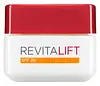
This hybrid sunscreen covers the full UV range and blocks ~97% of UVB at SPF 30.
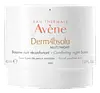
This anti-aging night moisturizer is formulated around Butyrospermum Parkii Butter and Bakuchiol to soften the look of wrinkles and hydrate skin.

What's inside
What's inside
 Key Ingredients
Benefits
Concerns
Ingredients Side-by-side
Water
Skin ConditioningGlycerin
Humectant


Ethylhexyl Salicylate
UV Absorber

Dimethicone
Emollient
Alcohol Denat.
Antimicrobial




Octocrylene
UV Absorber
Nylon-12

Butyl Methoxydibenzoylmethane
UV Absorber
Octyldodecanol
Emollient
Phenylbenzimidazole Sulfonic Acid
UV Absorber
Cetyl Alcohol
Emollient

Behenyl Alcohol
Emollient
Triethanolamine
BufferingIsopropyl Isostearate
Emollient

Hydrolyzed Soy Protein
Humectant
Acetyl Trifluoromethylphenyl Valylglycine
Skin ConditioningAdenosine
Skin Conditioning

Capryloyl Salicylic Acid
Exfoliating



Disodium EDTA
Yeast Extract
Skin ConditioningSalicyloyl Phytosphingosine
Skin ConditioningRetinyl Palmitate
Skin Conditioning

Acrylamide/Sodium Acryloyldimethyltaurate Copolymer
Emulsion StabilisingAluminum Starch Octenylsuccinate
Absorbent
Ammonium Polyacryloyldimethyl Taurate
Emulsion StabilisingCetearyl Alcohol
Emollient
Cetearyl Glucoside
Emulsifying
Disodium Stearoyl Glutamate
CleansingHydroxyethyl Acrylate/Sodium Acryloyldimethyl Taurate Copolymer
Emulsion StabilisingIsohexadecane
EmollientMyristic Acid
Cleansing
Palmitic Acid
Emollient
PEG-100 Stearate
Surfactant
Pentylene Glycol
Skin Conditioning
Poly C10-30 Alkyl Acrylate
Emulsion StabilisingPolyethylene
Abrasive
Polysorbate 60
Emulsifying
Polysorbate 80
Emulsifying
Sorbitan Isostearate
Emulsifying
Sorbitan Oleate
Emulsifying
Stearic Acid
Cleansing
Silica
Abrasive
Titanium Dioxide
Cosmetic Colorant
Alpha-Isomethyl Ionone
Perfuming


Benzyl Alcohol
Perfuming
Benzyl Salicylate
Perfuming
Citronellol
Perfuming
Geraniol
Perfuming
Hexyl Cinnamal
Perfuming
Limonene
Perfuming
Linalool
Perfuming
CI 15510
Cosmetic ColorantPhenoxyethanol
Preservative
Tocopherol
Antioxidant


Parfum
Masking
Water, Glycerin, Ethylhexyl Salicylate, Dimethicone, Alcohol Denat., Octocrylene, Nylon-12, Butyl Methoxydibenzoylmethane, Octyldodecanol, Phenylbenzimidazole Sulfonic Acid, Cetyl Alcohol, Behenyl Alcohol, Triethanolamine, Isopropyl Isostearate, Hydrolyzed Soy Protein, Acetyl Trifluoromethylphenyl Valylglycine, Adenosine, Capryloyl Salicylic Acid, Disodium EDTA, Yeast Extract, Salicyloyl Phytosphingosine, Retinyl Palmitate, Acrylamide/Sodium Acryloyldimethyltaurate Copolymer, Aluminum Starch Octenylsuccinate, Ammonium Polyacryloyldimethyl Taurate, Cetearyl Alcohol, Cetearyl Glucoside, Disodium Stearoyl Glutamate, Hydroxyethyl Acrylate/Sodium Acryloyldimethyl Taurate Copolymer, Isohexadecane, Myristic Acid, Palmitic Acid, PEG-100 Stearate, Pentylene Glycol, Poly C10-30 Alkyl Acrylate, Polyethylene, Polysorbate 60, Polysorbate 80, Sorbitan Isostearate, Sorbitan Oleate, Stearic Acid, Silica, Titanium Dioxide, Alpha-Isomethyl Ionone, Benzyl Alcohol, Benzyl Salicylate, Citronellol, Geraniol, Hexyl Cinnamal, Limonene, Linalool, CI 15510, Phenoxyethanol, Tocopherol, Parfum
Water
Skin ConditioningCaprylic/Capric Triglyceride
Masking
Coco-Caprylate/Caprate
Emollient
Glycerin
Humectant
Butyrospermum Parkii Butter
Skin Conditioning
Methyl Gluceth-20
Humectant
Dimethicone
Emollient
Behenyl Alcohol
Emollient
Octyldodecanol
Emollient
Cetearyl Alcohol
Emollient
Glyceryl Stearate
Emollient
PEG-100 Stearate
Surfactant
Glyceryl Linoleate
Emollient
Aluminum Starch Octenylsuccinate
Absorbent
Ammonium Acryloyldimethyltaurate/Vp Copolymer
Bakuchiol
Antimicrobial

Simmondsia Chinensis Seed Oil
Emollient
Benzoic Acid
Masking
Caprylyl Glycol
Emollient
Cetearyl Glucoside
Emulsifying
Dimethicone Crosspolymer
Emulsion Stabilising
Disodium EDTA
Parfum
Masking
Glyceryl Linolenate
Emollient
Glyceryl Oleate
Emollient
Glyceryl Palmitate
EmollientGlycine Soja Oil
Emollient
Helianthus Annuus Seed Oil
Emollient
Hydrogenated Starch Hydrolysate
HumectantPropylene Glycol
Humectant
Sodium Hydroxide
BufferingTocopherol
Antioxidant
Tocopheryl Glucoside
EmollientVanilla Tahitensis Fruit Extract
Skin ConditioningWater, Caprylic/Capric Triglyceride, Coco-Caprylate/Caprate, Glycerin, Butyrospermum Parkii Butter, Methyl Gluceth-20, Dimethicone, Behenyl Alcohol, Octyldodecanol, Cetearyl Alcohol, Glyceryl Stearate, PEG-100 Stearate, Glyceryl Linoleate, Aluminum Starch Octenylsuccinate, Ammonium Acryloyldimethyltaurate/Vp Copolymer, Bakuchiol, Simmondsia Chinensis Seed Oil, Benzoic Acid, Caprylyl Glycol, Cetearyl Glucoside, Dimethicone Crosspolymer, Disodium EDTA, Parfum, Glyceryl Linolenate, Glyceryl Oleate, Glyceryl Palmitate, Glycine Soja Oil, Helianthus Annuus Seed Oil, Hydrogenated Starch Hydrolysate, Propylene Glycol, Sodium Hydroxide, Tocopherol, Tocopheryl Glucoside, Vanilla Tahitensis Fruit Extract
Reviews
Ingredients Explained
These ingredients are found in both products.
Ingredients higher up in an ingredient list are typically present in a larger amount.
Aluminum Starch Octenylsuccinate is a synthetic powder used as an absorbent, thickener, and anti-caking agent.
As an absorbent, it is great at mattifying skin by soaking up the oil. This is why you'll find it in a range of products from makeup to moisturizers.
This ingredient is considered a modified starch. Starch can also be found naturally in plants.
One study from 1991 found that 5% of this ingredient enhanced titanium dioxide SPF by as much as 40%. The study found 1% titanium dioxide had a 5.6 SPF and adding 5% of aluminum starch octenylsuccinate boosted it to an SPF of 8.1
Although “aluminum” in an ingredient name can raise red flags for some consumers, the form and usage context matter significantly. For typical topical applications, there is no substantial evidence of health risks - such as cancer, neurotoxicity, or systemic “aluminum overload.”
Learn more about Aluminum Starch OctenylsuccinateBehenyl Alcohol is a type of fatty alcohol (these are different from the drying, solvent alcohols).
Fatty Alcohols have hydrating properties and are most often used as an emollient or to thicken a product. They are usually derived from natural fats and oils; behenyl alcohol is derived from the fats of vegetable oils.
Emollients help keep your skin soft and hydrated by creating a film that traps moisture in.
In 2000, Behenyl Alcohol was approved by the US as medicine to reduce the duration of cold sores.
Learn more about Behenyl AlcoholCetearyl alcohol is a waxy mixture of two fatty alcohols: cetyl alcohol and stearyl alcohol. It is an emollient and emulsifier.
Despite having "alcohol" in its name, it has nothing to do with drying solvent alcohols; the FDA also allows "alcohol-free" products to contain fatty alcohols like this ingredient.
It plays several roles in a formula:
Typical use levels for this ingredient sit around 1-10% and the Cosmetic Ingredient Review Expert Panel has affirmed safety at concentrations up to 25% in leave-on products.
Multiple assessments have found it to be non-irritating and non-sensitizing to most people.
However, there have been some cases of allergic contact dermatitis in patients with chronically compromised skin barriers.
Cetearyl alcohol has a comedogenic rating of 2 and irritancy rating of 1. Both of these numbers come from the 1989 study that used rabbit ears; a "2" means mildly comedogenic and a "1" means low irritancy.
Here's the catch: rabbit skin is more sensitive than human skin and throws a lot of false positives. A 1996 reappraisal found that ingredients rated 1-2 in the rabbit ear tests are generally safe for humans.
Remember comedogenic ratings are unable to assess the entire formula of a product or how it will react on your skin. Just be sure to patch test if you are unsure about certain ingredients.
This ingredient is not fungal acne safe. Cetearyl alcohol is a fatty alcohol with chain lengths that fall within the range that Malassezia can metabolize.
A 2019 study has also observed Malassezia growth in the presence of this ingredient, confirming it to be not-fungal acne safe.
Learn more about Cetearyl AlcoholCetearyl Glucoside is a sugar-based emulsifier. It is usually made by combining cetearyl alcohol and glucose.
Belonging to the aklyl polyglucoside (APG) family, Cetearyl Glucoside has a sugar "head" that loves water and a fatty "tail" that loves oil. This means it can shuffle oil and water into a stable and smooth emulsion.
Typical use levels are between 1-5% and this ingredient is considered to be non-irritating by the CIR Expert Panel Review.
Once applied, your skin's glucoside hydrolases breaks it down to the parent fatty alcohol and glucose. This is why this ingredient may not be fungal acne safe.
Learn more about Cetearyl GlucosideDimethicone is a type of synthetic silicone created from natural materials such as quartz. It is also known as polydimethylsiloxane.
What it does:
Dimethicone comes in different viscosities:
Depending on the viscosity, dimethicone has different properties.
Ingredients lists don't always show which type is used, so we recommend reaching out to the brand if you have questions about the viscosity.
This ingredient is unlikely to cause irritation because it does not get absorbed into skin. However, people with silicone allergies should be careful about using this ingredient.
Note: Dimethicone may contribute to pilling. This is because it is not oil or water soluble, so pilling may occur when layered with products. When mixed with heavy oils in a formula, the outcome is also quite greasy.
Learn more about DimethiconeDisodium EDTA is a chelating agent. It grabs onto and deactivates metal ions that sneak into your products from water, packaging, or air.
This ingredient mainly works behind the scenes and helps with:
On top of that, this ingredient can counteract the effects of hard water by binding to the minerals in it.
One thing worth knowing is that Disodium EDTA has been shown to be a mild penetration enhancer. It can help other ingredients absorb into skin more effectively which can be a double-edged sword (great for actives, but can also make the active too strong if you have sensitive skin).
Clinical patch testing showed no significant skin irritation at typical use concentrations and minimal dermal absorption.
You'll most likely see this ingredient near the end of an ingredient list. It's typically found in concentrations less than 1%.
Learn more about Disodium EDTAGlycerin (or glycerol) is a compound naturally found in your skin. It's a powerhouse humectant that pulls water into the stratum corneum.
Topically, glycerin does several things at once:
Your skin makes glycerin on its own (mostly from sebaceous oil breakdown) and shuttles it to your outermost layer of skin, or your epidermis, via aquaporin-3.
Aquaporin-3 is a transporter that is essential for normal skin hydration, elasticity, and repair. Interestingly, mice lacking in AQP3 have dry and less elastic skin that can be fully corrected with glycerin.
This ingredient is non-irritating, plays well with almost every ingredient, and works across all skin types. Typical use is anywhere between 3-10% but can go up to 79% in some leave-on products.
Just know very high concentrations (>40%) can feel tacky in low humidity.
Glycerin is the name for this ingredient in American English. British English uses Glycerol/Glycerine.
Learn more about GlycerinOctyldodecanol is a fatty alcohol sourced from plant oils like coconut or palm (or made synthetically).
It is:
You'll likely see this in many BHA products because this is the go-to solvent for salicylic acid.
This ingredient is typically used at levels between 2-20%.
Regarding fungal acne:
In 2019, this ingredient was tested against multiple Malassezia species (the yeast that causes fungal acne) and showed no growth.
Parfum is a catch-all term for an ingredient or more that is used to give a scent to products.
Also called "fragrance", this ingredient can be a blend of hundreds of chemicals or plant oils. This means every product with "fragrance" or "parfum" in the ingredients list is a different mixture.
For instance, Habanolide is a proprietary trade name for a specific aroma chemical. When used as a fragrance ingredient in cosmetics, most aroma chemicals fall under the broad labeling category of “FRAGRANCE” or “PARFUM” according to EU and US regulations.
The term 'parfum' or 'fragrance' is not regulated in many countries. In many cases, it is up to the brand to define this term.
For instance, many brands choose to label themselves as "fragrance-free" because they are not using synthetic fragrances. However, their products may still contain ingredients such as essential oils that are considered a fragrance by INCI standards.
One example is Calendula flower extract. Calendula is an essential oil that still imparts a scent or 'fragrance'.
Depending on the blend, the ingredients in the mixture can cause allergies and sensitivities on the skin. Some ingredients that are known EU allergens include linalool and citronellol.
Parfum can also be used to mask or cover an unpleasant scent.
The bottom line is: not all fragrances/parfum/ingredients are created equally. If you are worried about fragrances, we recommend taking a closer look at an ingredient. And of course, we always recommend speaking with a professional.
Learn more about ParfumPeg-100 Stearate is an emollient and emulsifier. As an emollient, it helps keep skin soft by trapping moisture in. On the other hand, emulsifiers help prevent oil and water from separating in a product.
PEGS are a hydrophilic polyether compound . There are 100 ethylene oxide monomers in Peg-100 Stearate. Peg-100 Stearate is polyethylene glycol ester of stearic acid.
Tocopherol is a fat-soluble antioxidant known as Vitamin E.
You'll find this ingredient in the vast majority of skincare (for good reason). It works to neutralize free radicals, or unstable molecules generated by UV exposure, pollution, and other environmental stressors, before they can cause oxidative damage to your skin cells.
Topically applied tocopherol has been shown to protect against UV damage by ramping up the skin's own natural defense enzymes.
It also acts as a skin conditioning agent; some studies show that regular topical use can improve the skin's water-binding capacity over 2-4 weeks.
This ingredient is especially loved for being a team player. When combined with Vitamin C, the photoprotective effect of both ingredients roughly doubles and the combo also helps reduce UV-induced DNA damage.
This ingredient has some brightening potential but it's more of a prevention ingredient than spot-fader. Cell studies show it can slow down melanin production but it's worth noting that it's not the most powerful brightener out there.
In formulations, it also serves as a stabilizer that helps protect other oxidation-prone ingredients from degrading.
Concentrations usually range from 0.1-1% in most leave-on products.
Learn more about TocopherolWater. It's the most common cosmetic ingredient of all. You'll usually see it at the top of ingredient lists, meaning that it makes up the largest part of the product.
So why is it so popular? Water most often acts as a solvent - this means that it helps dissolve other ingredients into the formulation.
You'll also recognize water as that liquid we all need to stay alive. If you see this, drink a glass of water. Remember to stay hydrated!
Learn more about Water

