L'Oreal Infallible Fresh Wear 24HR Foundation Versus Milk Makeup Sunshine Skin Tint Clean SPF 30 Foundation


What's inside
What's inside
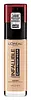 Key Ingredients
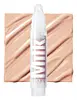
Benefits
Concerns
Ingredients Side-by-side
Ethylhexyl Methoxycinnamate 6.743%
UV Absorber


Titanium Dioxide 3.591%
Cosmetic Colorant
Water
Skin ConditioningDimethicone
Emollient

Isododecane
EmollientAlcohol Denat.
Antimicrobial



Butylene Glycol
Humectant

Trimethylsiloxysilicate
Emollient
PEG-10 Dimethicone
Skin Conditioning
Perlite
Absorbent

Synthetic Fluorphlogopite
Nylon-12
Isopropyl Lauroyl Sarcosinate
Skin ConditioningDiisopropyl Sebacate
EmollientDisteardimonium Hectorite
StabilisingHdi/Trimethylol Hexyllactone Crosspolymer
Bis-PEG/PPG-14/14 Dimethicone
Emollient
Magnesium Sulfate
Aluminum Hydroxide
EmollientPhenoxyethanol
Preservative
Disodium Stearoyl Glutamate
CleansingHydrogen Dimethicone
Dipentaerythrityl Tetrahydroxystearate/Tetraisostearate
Skin Conditioning
Parfum
Masking

Silica Silylate
Emollient
Acrylonitrile/Methyl Methacrylate/Vinylidene Chloride Copolymer
Tocopherol
Antioxidant





Hexyl Cinnamal
Perfuming
Silica
Abrasive
Isobutane
Benzyl Salicylate
Perfuming
Linalool
Perfuming
Alpha-Isomethyl Ionone
Perfuming
Benzyl Alcohol
Perfuming
BHT
Antioxidant
Citronellol
Perfuming
Iron Oxides
CI 77510
Cosmetic ColorantEthylhexyl Methoxycinnamate 6.743%, Titanium Dioxide 3.591%, Water, Dimethicone, Isododecane, Alcohol Denat., Butylene Glycol, Trimethylsiloxysilicate, PEG-10 Dimethicone, Perlite, Synthetic Fluorphlogopite, Nylon-12, Isopropyl Lauroyl Sarcosinate, Diisopropyl Sebacate, Disteardimonium Hectorite, Hdi/Trimethylol Hexyllactone Crosspolymer, Bis-PEG/PPG-14/14 Dimethicone, Magnesium Sulfate, Aluminum Hydroxide, Phenoxyethanol, Disodium Stearoyl Glutamate, Hydrogen Dimethicone, Dipentaerythrityl Tetrahydroxystearate/Tetraisostearate, Parfum, Silica Silylate, Acrylonitrile/Methyl Methacrylate/Vinylidene Chloride Copolymer, Tocopherol, Hexyl Cinnamal, Silica, Isobutane, Benzyl Salicylate, Linalool, Alpha-Isomethyl Ionone, Benzyl Alcohol, BHT, Citronellol, Iron Oxides, CI 77510
Homosalate 5%
Skin Conditioning
Ethylhexyl Salicylate 4.5%
UV Absorber
Octocrylene 5%
UV Absorber
Titanium Dioxide 2.9%
Cosmetic Colorant
Zinc Oxide 5.1%
Cosmetic Colorant
Water
Skin ConditioningButylene Glycol
Humectant
Crambe Abyssinica Seed Oil Phytosterol Esters
Emulsifying
Caprylic/Capric Triglyceride
Masking
Squalane
Emollient
Glyceryl Oleate
Emollient
Polyglyceryl-3 Polyricinoleate
Emulsifying
Pentylene Glycol
Skin Conditioning
Silica
Abrasive
Diisostearyl Malate
EmollientSodium Chloride
MaskingStearalkonium Hectorite
Gel FormingSimmondsia Chinensis Seed Oil
Emollient
Olea Europaea Fruit Oil
Masking
Persea Gratissima Oil
Skin Conditioning
Vitis Vinifera Seed Oil
Emollient
Citrus Nobilis Peel Oil
Masking
Tremella Fuciformis Sporocarp Extract
Antioxidant
Lonicera Japonica Flower Extract
Skin ConditioningTocopheryl Acetate
Antioxidant
Tribehenin
Emollient
Magnesium Aluminum Silicate
Absorbent
Isostearic Acid
Cleansing
Lecithin
Emollient
Polyhydroxystearic Acid
Emulsifying
Hydrogenated Olive Oil Unsaponifiables
Emollient
Alumina
Abrasive
Stearic Acid
Cleansing
Jojoba Esters
Emollient
Glycerin
Humectant
Olea Europaea Oil Unsaponifiables
Skin Conditioning
Acacia Senegal Gum
MaskingEthylhexylglycerin
Skin ConditioningXanthan Gum
EmulsifyingBetaine
Humectant
Potassium Sorbate
Preservative
Phenoxyethanol
Preservative
Parfum
Masking
Iron Oxides
Homosalate 5%, Ethylhexyl Salicylate 4.5%, Octocrylene 5%, Titanium Dioxide 2.9%, Zinc Oxide 5.1%, Water, Butylene Glycol, Crambe Abyssinica Seed Oil Phytosterol Esters, Caprylic/Capric Triglyceride, Squalane, Glyceryl Oleate, Polyglyceryl-3 Polyricinoleate, Pentylene Glycol, Silica, Diisostearyl Malate, Sodium Chloride, Stearalkonium Hectorite, Simmondsia Chinensis Seed Oil, Olea Europaea Fruit Oil, Persea Gratissima Oil, Vitis Vinifera Seed Oil, Citrus Nobilis Peel Oil, Tremella Fuciformis Sporocarp Extract, Lonicera Japonica Flower Extract, Tocopheryl Acetate, Tribehenin, Magnesium Aluminum Silicate, Isostearic Acid, Lecithin, Polyhydroxystearic Acid, Hydrogenated Olive Oil Unsaponifiables, Alumina, Stearic Acid, Jojoba Esters, Glycerin, Olea Europaea Oil Unsaponifiables, Acacia Senegal Gum, Ethylhexylglycerin, Xanthan Gum, Betaine, Potassium Sorbate, Phenoxyethanol, Parfum, Iron Oxides
Reviews
Ingredients Explained
These ingredients are found in both products.
Ingredients higher up in an ingredient list are typically present in a larger amount.
Butylene Glycol (or BG) is used within cosmetic products for a few different reasons:
Overall, Butylene Glycol is a safe and well-rounded ingredient that works well with other ingredients.
Though this ingredient works well with most skin types, some people with sensitive skin may experience a reaction such as allergic rashes, closed comedones, or itchiness.
Learn more about Butylene GlycolParfum is a catch-all term for an ingredient or more that is used to give a scent to products.
Also called "fragrance", this ingredient can be a blend of hundreds of chemicals or plant oils. This means every product with "fragrance" or "parfum" in the ingredients list is a different mixture.
For instance, Habanolide is a proprietary trade name for a specific aroma chemical. When used as a fragrance ingredient in cosmetics, most aroma chemicals fall under the broad labeling category of “FRAGRANCE” or “PARFUM” according to EU and US regulations.
The term 'parfum' or 'fragrance' is not regulated in many countries. In many cases, it is up to the brand to define this term.
For instance, many brands choose to label themselves as "fragrance-free" because they are not using synthetic fragrances. However, their products may still contain ingredients such as essential oils that are considered a fragrance by INCI standards.
One example is Calendula flower extract. Calendula is an essential oil that still imparts a scent or 'fragrance'.
Depending on the blend, the ingredients in the mixture can cause allergies and sensitivities on the skin. Some ingredients that are known EU allergens include linalool and citronellol.
Parfum can also be used to mask or cover an unpleasant scent.
The bottom line is: not all fragrances/parfum/ingredients are created equally. If you are worried about fragrances, we recommend taking a closer look at an ingredient. And of course, we always recommend speaking with a professional.
Learn more about ParfumPhenoxyethanol is a preservative that has germicide, antimicrobial, and aromatic properties. Studies show that phenoxyethanol can prevent microbial growth. By itself, it has a scent that is similar to that of a rose.
It's often used in formulations along with Caprylyl Glycol to preserve the shelf life of products.
Silica, also known as silicon dioxide, is a naturally occurring mineral. It is used as a fine, spherical, and porous powder in cosmetics.
Though it has exfoliant properties, the function of silica varies depending on the product.
The unique structure of silica enhances the spreadability and adds smoothness, making it a great texture enhancer.
It is also used as an active carrier, emulsifier, and mattifier due to its ability to absorb excess oil.
In some products, tiny microneedles called spicules are made from silica or hydrolyzed sponge. When you rub them in, they lightly polish away dead skin layers and enhance the penetration of active ingredients.
Learn more about SilicaTitanium dioxide is a mineral UV filter widely used in sunscreens and cosmetics.
It is one of only two UV filters officially classified as “mineral” by regulatory agencies, the other being zinc oxide.
Titanium dioxide provides broad-spectrum protection mostly in the UVB and UVAII range, with some protection in the UVAI range.
While its UVA protection isn’t as strong as zinc oxide’s, the difference is minor.
A common myth is that mineral UV filters reflect UV light. However, modern research shows titanium dioxide absorbs UV radiation like chemical filters (~95% absorption & 5% reflection).
Thanks to its non-irritating nature, titanium dioxide is suitable for sensitive, acne-prone, or redness-prone skin. It is unlikely to cause "eye sting" like other sunscreen ingredients.
A major drawback of this ingredient is its white cast and thick texture. This is why mineral sunscreens often leave a white cast and are less cosmetically elegant than chemical/hybrid sunscreens.
To improve white cast and spreadability, micronized or nano-sized titanium dioxide is often used.
There are ongoing concerns surrounding nano-titanium oxide's impact on marine ecosystems.
There is no conclusive evidence that any form of titanium oxide (or any other sunscreen ingredients) will cause harm to marine ecosystems or coral reefs. The science is still developing but many consumers are keeping a close eye on this issue.
Please note, many destinations have reef-safety sunscreen rules. For instance, the U.S. Virgin Islands advises all visitors to use non-nano mineral sunscreens.
Nano mineral sunscreens once raised safety concerns about absorption into skin.
Extensive research has shown that they do not penetrate healthy or damaged skin; they remain safely on the surface and the top layer of dead skin (stratum corneum).
You'll likely find titanium dioxide bundled with alumina, silica, or dimethicone. These ingredients help make titanium dioxide highly photostable; this prevents it from interacting with other formula components under UV light.
Learn more about Titanium DioxideWater. It's the most common cosmetic ingredient of all. You'll usually see it at the top of ingredient lists, meaning that it makes up the largest part of the product.
So why is it so popular? Water most often acts as a solvent - this means that it helps dissolve other ingredients into the formulation.
You'll also recognize water as that liquid we all need to stay alive. If you see this, drink a glass of water. Remember to stay hydrated!
Learn more about WaterThis ingredient is a combination of red, black, and yellow iron oxide pigments. This combination of colors is usually found in foundation, because it results in a "skin" color.
The EU typically uses CI numbers for colorants when applicable, such as CI 77489. In the US, iron oxides are regulated as color additives and "iron oxides" is the most commonly used name in US cosmetic practice.
A 2021 paper looked at skincare formulations containing iron oxides and found that they reduced transmission of blue light when measured optically. In simple terms, the pigment particles helped block or scatter part of the visible light spectrum in lab testing and the authors suggest this could translate into better protection against blue-light-related skin effects.
There is also clinical and experimental research showing that tinted products containing iron oxides can reduce visible light-induced pigmentation:
Please note, whether a product reduces visible or blue light depends on things like:
In the EU's CosIng database, iron oxides are only listed as a colorant. CosIng groups ingredients by their main cosmetic role, such as colorant, preservative, or UV filter.
Though studies say iron oxides can "attenuate blue light", they're describing an optical property and not an officially recognized cosmetic function.
So CosIng isn’t contradicting the research. It’s just classifying iron oxides by what they officially are: pigments that add color.
Learn more about Iron Oxides
