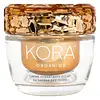
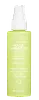
KORA Organics Turmeric Glow Brightening Refillable Moisturizer Versus Pacifica Kale Smoothie Refining Lotion
This brightening moisturizer is formulated around Aloe Barbadensis Leaf Juice and Ascorbyl Glucoside to brighten dull-looking skin and hydrate skin.
This smoothing moisturizer is formulated around Beta-Glucan and Gluconolactone to refine skin texture and hydrate skin.


What's inside
What's inside
 Key Ingredients
Benefits
Concerns
Ingredients Side-by-side
Aloe Barbadensis Leaf Juice
Skin Conditioning


Glycerin
Humectant

Coconut Alkanes
Emollient


Cetearyl Alcohol
Emollient



Persea Gratissima Oil
Skin Conditioning
Rosa Canina Seed Oil
Emollient
Balanites Roxburghii Seed Oil
Skin Conditioning
Water
Skin ConditioningLactobacillus Ferment
Skin Conditioning
Cetearyl Olivate
Helianthus Annuus Seed Oil
Emollient
Sorbitan Olivate
Emulsifying
Butyrospermum Parkii Butter
Skin Conditioning
Hippophae Rhamnoides Fruit Oil
Skin Protecting
Passiflora Edulis Seed Oil
Emollient
Caprylic/Capric Triglyceride
Masking
Oryza Sativa Extract
Absorbent

Lactobacillus
Skin ConditioningAscorbyl Glucoside
Antioxidant


Coco-Caprylate/Caprate
Emollient
Lactobacillus/Arundinaria Gigantea Leaf Ferment Filtrate
Skin ConditioningAstrocaryum Murumuru Seed Butter
Emollient
Gossypium Herbaceum Seed Oil
Skin Conditioning
Saccharomyces Lysate Extract
Humectant
Bidens Pilosa Extract
HumectantCalendula Officinalis Flower Extract
Masking
Cocos Nucifera Fruit Extract
Emollient
Potassium Sorbate
Preservative
Lavandula Angustifolia Oil
Masking


Linum Usitatissimum Seed Oil
Perfuming
Lactic Acid
Buffering



Phospholipids
Skin Conditioning
Citrus Limon Peel Oil
Masking
Hydrolyzed Sodium Hyaluronate
Skin Conditioning
Mentha Piperita Oil
Masking
Sclerotium Gum
Emulsion StabilisingPotassium Hydroxide
BufferingCurcuma Longa Root Extract
Antioxidant
Glycyrrhiza Glabra Root Extract
Bleaching
Morinda Citrifolia Fruit Extract
Skin Conditioning
Yogurt Powder
Sodium Phytate
ChelatingCylindrotheca Fusiformis Extract
Antioxidant
Leuconostoc/Radish Root Ferment Filtrate
Antimicrobial
Cananga Odorata Flower Oil
Masking
Juniperus Virginiana Oil
Masking
Leuconostoc Ferment Filtrate
AntimicrobialTocopherol
Antioxidant
Bisabolol
Antioxidant
Soybean Peroxidase
Antioxidant
Superoxide Dismutase
Antioxidant
Alcohol
Antimicrobial
Citral
Perfuming
Geraniol
Perfuming
Limonene
Perfuming
Linalool
Perfuming
Aloe Barbadensis Leaf Juice, Glycerin, Coconut Alkanes, Cetearyl Alcohol, Persea Gratissima Oil, Rosa Canina Seed Oil, Balanites Roxburghii Seed Oil, Water, Lactobacillus Ferment, Cetearyl Olivate, Helianthus Annuus Seed Oil, Sorbitan Olivate, Butyrospermum Parkii Butter, Hippophae Rhamnoides Fruit Oil, Passiflora Edulis Seed Oil, Caprylic/Capric Triglyceride, Oryza Sativa Extract, Lactobacillus, Ascorbyl Glucoside, Coco-Caprylate/Caprate, Lactobacillus/Arundinaria Gigantea Leaf Ferment Filtrate, Astrocaryum Murumuru Seed Butter, Gossypium Herbaceum Seed Oil, Saccharomyces Lysate Extract, Bidens Pilosa Extract, Calendula Officinalis Flower Extract, Cocos Nucifera Fruit Extract, Potassium Sorbate, Lavandula Angustifolia Oil, Linum Usitatissimum Seed Oil, Lactic Acid, Phospholipids, Citrus Limon Peel Oil, Hydrolyzed Sodium Hyaluronate, Mentha Piperita Oil, Sclerotium Gum, Potassium Hydroxide, Curcuma Longa Root Extract, Glycyrrhiza Glabra Root Extract, Morinda Citrifolia Fruit Extract, Yogurt Powder, Sodium Phytate, Cylindrotheca Fusiformis Extract, Leuconostoc/Radish Root Ferment Filtrate, Cananga Odorata Flower Oil, Juniperus Virginiana Oil, Leuconostoc Ferment Filtrate, Tocopherol, Bisabolol, Soybean Peroxidase, Superoxide Dismutase, Alcohol, Citral, Geraniol, Limonene, Linalool
Water
Skin ConditioningGlycerin
Humectant
Beta-Glucan
Skin Conditioning
Algin
MaskingXanthan Gum
EmulsifyingHydrolyzed Jojoba Esters
Skin Conditioning
Cetearyl Olivate
Sorbitan Olivate
Emulsifying
Coconut Alkanes
Emollient
Coco-Caprylate/Caprate
Emollient
Diheptyl Succinate
EmollientCapryloyl Glycerin/Sebacic Acid Copolymer
Skin ConditioningBiosaccharide Gum-1
Humectant
1,2-Hexanediol
Skin Conditioning
Ethylhexylglycerin
Skin ConditioningHydroxyethylcellulose
Emulsion StabilisingGluconolactone
Chelating

Sodium Benzoate
Masking
Arginine
Masking
Cocos Nucifera Oil
Masking
Cocos Nucifera Water
Masking
Cocos Nucifera Fruit Juice
Emollient
Tocopherol
Antioxidant
Brassica Oleracea Acephala Leaf Extract
HumectantAloe Barbadensis Leaf Juice
Skin Conditioning
Chlorophyllin-Copper Complex
Antioxidant
Spinacia Oleracea Leaf Extract
Skin ConditioningNiacinamide
Smoothing
Hydrolyzed Pea Protein
EmollientOpuntia Ficus-Indica Stem Extract
Skin Conditioning
Brassica Oleracea Italica Seed Oil
Emollient
Water, Glycerin, Beta-Glucan, Algin, Xanthan Gum, Hydrolyzed Jojoba Esters, Cetearyl Olivate, Sorbitan Olivate, Coconut Alkanes, Coco-Caprylate/Caprate, Diheptyl Succinate, Capryloyl Glycerin/Sebacic Acid Copolymer, Biosaccharide Gum-1, 1,2-Hexanediol, Ethylhexylglycerin, Hydroxyethylcellulose, Gluconolactone, Sodium Benzoate, Arginine, Cocos Nucifera Oil, Cocos Nucifera Water, Cocos Nucifera Fruit Juice, Tocopherol, Brassica Oleracea Acephala Leaf Extract, Aloe Barbadensis Leaf Juice, Chlorophyllin-Copper Complex, Spinacia Oleracea Leaf Extract, Niacinamide, Hydrolyzed Pea Protein, Opuntia Ficus-Indica Stem Extract, Brassica Oleracea Italica Seed Oil
Reviews
Ingredients Explained
These ingredients are found in both products.
Ingredients higher up in an ingredient list are typically present in a larger amount.
Aloe Barbadensis Leaf Juice is the filtered, stabilized liquid pressed from the inner gel of the aloe vera leaf.
In cosmetics, it shows up as either soothing active or a water-replacement base. It is roughly 98-99% water and the last 1-2% is an interesting mix of polysaccharides, amino acids, vitamins, minerals, and enzymes.
The polysaccharides do most of the work: they bind water at the skin surface for a light, non-greasy hydration boost. And one of the polysaccharides, glycomannan, is linked to fibroblast stimulation + collagen synthesis. This is also why aloe has such a long track record in wound and burn healing.
This ingredient is also calming with anti-inflammatory and mild antimicrobial activity, making it a great pick for sensitive, irritated, or post-sun skin.
Realistic expectations matter though; the solid evidence is mostly limited to hydration, soothing, and wound support. Deeper claims about anti-aging or sun protection are not well backed, and science reviews note it does not prevent radiation-induced skin injury.
Because it plays well with almost everything, it's commonly used as a base alongside other actives like niacinamide or vitamin C.
Typical usage concentrations range from 0.5% (where hydration benefits already show up) all the way to 90%+ (where it replaces water as the main base).
The safety for this ingredient is well-establish as well. Overall, this is a great supporting ingredient for those who want a boost in hydration.
Learn more about Aloe Barbadensis Leaf JuiceCetearyl Olivate is a plant-derived emulsifier and texture enhancer. It helps keep the oil and water phases from separating so your formulas stay stable.
You'll likely see it combined with Sorbitan Olivate (together sold as the trade name Olivem 1000). This combination generates a liquid crystal structure that closely resemble the lipid organization of the stratum corneum.
These "skin-like" liquid crystals improve skin barrier integrity and promote the delivery of actives into the skin.
This ingredient is well-tolerated and has no significant sensitization data.
Because it is derived from the fatty acids in olive oil, this ingredient may not be fungal acne safe.
Learn more about Cetearyl OlivateCoco-Caprylate/Caprate is a lightweight ester created from coconut oil fatty acids, caprylic acid, and capric acid.
It is an emollient that helps soften skin and reduce transepidermal water loss (TEWL). What sets it apart from heavier emollients is its ultralight, non-greasy feel.
Once applied, this ingredient dries down quickly and leaves a dry, silky finish behind. This also helps improve spreadability and texture.
This ingredient has an excellent safety-record and is non-irritating.
Typical concentrations for cosmetics range from 0.5-62%.
Research on Malassezia growth found no growth on fatty acid esters with chain lengths shorter than 12 carbons (it prefers C11-24).
Since Coco-Caprylate/Caprate is built on C8 and C10 fatty acids, it is out of the range that Malassezia metabolizes, and therefore safe for fungal acne.
Learn more about Coco-Caprylate/CaprateThis is a lightweight, plant-derived emollient and solvent made from the fatty acids of coconut oil.
It spreads easily and adds a soft, silky, non-greasy slip, then evaporates rather than sinking into skin. Due to this behavior, it's prized as a natural and renewable replacement for silicones.
Typical use concentrations can go anywhere up to 20%.
The CIR Expert Panel has reviewed coconut oil and its hydrogenated derivatives and found them to be safe as used in cosmetics. It's a low-irritating and well-tolerated ingredient with no notable sensitization concerns.
Because it's a pure saturated hydrocarbon and not a free fatty acid or ester in the C11-24 range that Malassezia can feed on, it doesn't provide the lipids for Malassezia to feed on. This ingredient is generally regarded as safe for fungal acne.
There's no comedogenicity data for this specific ingredient; the "coconut clogs pores" reputation comes from coconut oil which scored high on the old rabbit ear assay.
That method tested pure ingredients on rabbit ears and later work showed the results translate inconsistently to human skin.
Some people still find it breaks them out. So if that's you, definitely trust your skin.
Learn more about Coconut AlkanesGlycerin (or glycerol) is a compound naturally found in your skin. It's a powerhouse humectant that pulls water into the stratum corneum.
Topically, glycerin does several things at once:
Your skin makes glycerin on its own (mostly from sebaceous oil breakdown) and shuttles it to your outermost layer of skin, or your epidermis, via aquaporin-3.
Aquaporin-3 is a transporter that is essential for normal skin hydration, elasticity, and repair. Interestingly, mice lacking in AQP3 have dry and less elastic skin that can be fully corrected with glycerin.
This ingredient is non-irritating, plays well with almost every ingredient, and works across all skin types. Typical use is anywhere between 3-10% but can go up to 79% in some leave-on products.
Just know very high concentrations (>40%) can feel tacky in low humidity.
Glycerin is the name for this ingredient in American English. British English uses Glycerol/Glycerine.
Learn more about GlycerinSorbitan Olivate is created from the fatty acids in olive oil and sorbitol.
This ingredient is an oil in water emulsifier. It helps stabilize a product by preventing oils and waters from separating. Sorbitan Olivate also helps hydrate the skin.
This ingredient is also known as part of Olivem 1000, with Cetearyl Olivate being the other part.
According to a manufacturer, this ingredient helps preserve the natural microbiome of skin. Having a healthy microbiome helps keep our skin healthy and protects against harmful bacteria.
Please note, having a healthy microbiome is different from fungal acne; a healthy microbiome includes small amounts of yeast that normally live on your skin without causing problems.
Fungal acne happens when one type of yeast (Malassezia) grows out of control. This is usually because it's feeding on certain oils or fatty acids. Due to the olive oil base, this ingredient may not be fungal acne safe.
Learn more about Sorbitan OlivateTocopherol is a fat-soluble antioxidant known as Vitamin E.
You'll find this ingredient in the vast majority of skincare (for good reason). It works to neutralize free radicals, or unstable molecules generated by UV exposure, pollution, and other environmental stressors, before they can cause oxidative damage to your skin cells.
Topically applied tocopherol has been shown to protect against UV damage by ramping up the skin's own natural defense enzymes.
It also acts as a skin conditioning agent; some studies show that regular topical use can improve the skin's water-binding capacity over 2-4 weeks.
This ingredient is especially loved for being a team player. When combined with Vitamin C, the photoprotective effect of both ingredients roughly doubles and the combo also helps reduce UV-induced DNA damage.
This ingredient has some brightening potential but it's more of a prevention ingredient than spot-fader. Cell studies show it can slow down melanin production but it's worth noting that it's not the most powerful brightener out there.
In formulations, it also serves as a stabilizer that helps protect other oxidation-prone ingredients from degrading.
Concentrations usually range from 0.1-1% in most leave-on products.
Learn more about TocopherolWater. It's the most common cosmetic ingredient of all. You'll usually see it at the top of ingredient lists, meaning that it makes up the largest part of the product.
So why is it so popular? Water most often acts as a solvent - this means that it helps dissolve other ingredients into the formulation.
You'll also recognize water as that liquid we all need to stay alive. If you see this, drink a glass of water. Remember to stay hydrated!
Learn more about Water

