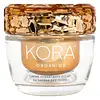
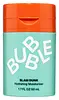
KORA Organics Turmeric Glow Brightening Refillable Moisturizer Versus Bubble Slam Dunk Hydrating Moisturizer
This brightening moisturizer is formulated around Aloe Barbadensis Leaf Juice and Ascorbyl Glucoside to brighten dull-looking skin and hydrate skin.
This barrier-repair moisturizer is formulated around Aloe Barbadensis Leaf Juice Powder and Persea Gratissima Oil to strengthen the skin barrier and hydrate skin.


What's inside
What's inside
 Key Ingredients
Benefits
Concerns
Ingredients Side-by-side
Aloe Barbadensis Leaf Juice
Skin Conditioning


Glycerin
Humectant

Coconut Alkanes
Emollient


Cetearyl Alcohol
Emollient



Persea Gratissima Oil
Skin Conditioning
Rosa Canina Seed Oil
Emollient
Balanites Roxburghii Seed Oil
Skin Conditioning
Water
Skin ConditioningLactobacillus Ferment
Skin Conditioning
Cetearyl Olivate
Helianthus Annuus Seed Oil
Emollient
Sorbitan Olivate
Emulsifying
Butyrospermum Parkii Butter
Skin Conditioning
Hippophae Rhamnoides Fruit Oil
Skin Protecting
Passiflora Edulis Seed Oil
Emollient
Caprylic/Capric Triglyceride
Masking
Oryza Sativa Extract
Absorbent

Lactobacillus
Skin ConditioningAscorbyl Glucoside
Antioxidant


Coco-Caprylate/Caprate
Emollient
Lactobacillus/Arundinaria Gigantea Leaf Ferment Filtrate
Skin ConditioningAstrocaryum Murumuru Seed Butter
Emollient
Gossypium Herbaceum Seed Oil
Skin Conditioning
Saccharomyces Lysate Extract
Humectant
Bidens Pilosa Extract
HumectantCalendula Officinalis Flower Extract
Masking
Cocos Nucifera Fruit Extract
Emollient
Potassium Sorbate
Preservative
Lavandula Angustifolia Oil
Masking


Linum Usitatissimum Seed Oil
Perfuming
Lactic Acid
Buffering



Phospholipids
Skin Conditioning
Citrus Limon Peel Oil
Masking
Hydrolyzed Sodium Hyaluronate
Skin Conditioning
Mentha Piperita Oil
Masking
Sclerotium Gum
Emulsion StabilisingPotassium Hydroxide
BufferingCurcuma Longa Root Extract
Antioxidant
Glycyrrhiza Glabra Root Extract
Bleaching
Morinda Citrifolia Fruit Extract
Skin Conditioning
Yogurt Powder
Sodium Phytate
ChelatingCylindrotheca Fusiformis Extract
Antioxidant
Leuconostoc/Radish Root Ferment Filtrate
Antimicrobial
Cananga Odorata Flower Oil
Masking
Juniperus Virginiana Oil
Masking
Leuconostoc Ferment Filtrate
AntimicrobialTocopherol
Antioxidant
Bisabolol
Antioxidant
Soybean Peroxidase
Antioxidant
Superoxide Dismutase
Antioxidant
Alcohol
Antimicrobial
Citral
Perfuming
Geraniol
Perfuming
Limonene
Perfuming
Linalool
Perfuming
Aloe Barbadensis Leaf Juice, Glycerin, Coconut Alkanes, Cetearyl Alcohol, Persea Gratissima Oil, Rosa Canina Seed Oil, Balanites Roxburghii Seed Oil, Water, Lactobacillus Ferment, Cetearyl Olivate, Helianthus Annuus Seed Oil, Sorbitan Olivate, Butyrospermum Parkii Butter, Hippophae Rhamnoides Fruit Oil, Passiflora Edulis Seed Oil, Caprylic/Capric Triglyceride, Oryza Sativa Extract, Lactobacillus, Ascorbyl Glucoside, Coco-Caprylate/Caprate, Lactobacillus/Arundinaria Gigantea Leaf Ferment Filtrate, Astrocaryum Murumuru Seed Butter, Gossypium Herbaceum Seed Oil, Saccharomyces Lysate Extract, Bidens Pilosa Extract, Calendula Officinalis Flower Extract, Cocos Nucifera Fruit Extract, Potassium Sorbate, Lavandula Angustifolia Oil, Linum Usitatissimum Seed Oil, Lactic Acid, Phospholipids, Citrus Limon Peel Oil, Hydrolyzed Sodium Hyaluronate, Mentha Piperita Oil, Sclerotium Gum, Potassium Hydroxide, Curcuma Longa Root Extract, Glycyrrhiza Glabra Root Extract, Morinda Citrifolia Fruit Extract, Yogurt Powder, Sodium Phytate, Cylindrotheca Fusiformis Extract, Leuconostoc/Radish Root Ferment Filtrate, Cananga Odorata Flower Oil, Juniperus Virginiana Oil, Leuconostoc Ferment Filtrate, Tocopherol, Bisabolol, Soybean Peroxidase, Superoxide Dismutase, Alcohol, Citral, Geraniol, Limonene, Linalool
Water
Skin ConditioningIsononyl Isononanoate
EmollientGlycerin
Humectant
Heptyl Undecylenate
EmollientGlyceryl Stearate Citrate
Emollient
Caprylic/Capric Triglyceride
Masking
Polyglyceryl-3 Stearate
Emulsifying
Cetyl Alcohol
Emollient
Aloe Barbadensis Leaf Juice Powder
Skin Conditioning
Acrylates/C10-30 Alkyl Acrylate Crosspolymer
Emulsion StabilisingPersea Gratissima Oil
Skin Conditioning
Butyrospermum Parkii Butter
Skin Conditioning
Glucose
Humectant
Hydrolyzed Pea Protein
EmollientSodium Chloride
MaskingSodium Succinate
BufferingOenothera Biennis Oil
Emollient
Hoya Lacunosa Flower Extract
Skin ConditioningAnthemis Nobilis Flower Extract
Masking
Hydrogenated Lecithin
Emulsifying
Arginine
Masking
Tocopheryl Acetate
Antioxidant
Tocopherol
Antioxidant
Sodium Phytate
ChelatingPhenoxyethanol
Preservative
Water, Isononyl Isononanoate, Glycerin, Heptyl Undecylenate, Glyceryl Stearate Citrate, Caprylic/Capric Triglyceride, Polyglyceryl-3 Stearate, Cetyl Alcohol, Aloe Barbadensis Leaf Juice Powder, Acrylates/C10-30 Alkyl Acrylate Crosspolymer, Persea Gratissima Oil, Butyrospermum Parkii Butter, Glucose, Hydrolyzed Pea Protein, Sodium Chloride, Sodium Succinate, Oenothera Biennis Oil, Hoya Lacunosa Flower Extract, Anthemis Nobilis Flower Extract, Hydrogenated Lecithin, Arginine, Tocopheryl Acetate, Tocopherol, Sodium Phytate, Phenoxyethanol
Reviews
Ingredients Explained
These ingredients are found in both products.
Ingredients higher up in an ingredient list are typically present in a larger amount.
This ingredient is also known as shea butter. It is a plant-derived extract from the nuts of the Africa shea tree and one of the most well-studied emollients.
Because it has a high concentration of fatty acids (primarily oleic, stearic, and linoleic) it is able to form a protective barrier on the skin's surface. This helps seal in moisture and prevents transepidermal water loss (TEWL).
In vitro research found an increase in skin hydration by 58% and a decrease in TEWL by 37.8% after 24 hours of applying this ingredient (pretty impressive for a single ingredient!).
Besides hydration, shea butter also contains triterpenes that have anti-inflammatory potential. In particule, lupeol cinnamate has shown the highest anti-inflammatory activity in vivo.
Shea butter also contains vitamins A and E which may contribute to antioxidant activity.
While Shea Butter has an SPF rating of about 3-4, it is not a sunscreen replacement.
This ingredient may not be fungal acne safe because its fatty acids fall within the C11-C24 range that the Malassezia yeast can metabolize.
This ingredient shows up on a lot of "pore-clogging" lists but there's no real evidence behind that. It doesn't even have a comedogenic rating from an actual study; the numbers you'll find online come from blogs citing other blogs.
Ratings for other ingredients mostly come from a 1980s rabbit ear test. This test doesn't translate well to human skin or to real products because the ingredient sits at a much lower percentage.
Some people still find it breaks them out. So if that's you, definitely trust your skin. Just know this one's based on experience and not evidence.
Learn more about Butyrospermum Parkii ButterCaprylic/Capric Triglyceride (aka MCT Oil) is a lightweight emollient, solvent, and texture enhancer. It is considered a skin-softener by helping to prevent moisture loss.
Though it behaves like an oil, it is not technically one due to its chemical composition. One perk of this ingredient is that it is very stable, resistant to oxidation, and unlikely to go rancid.
In practice, that translates to a long shelf life and a consistently elegant skin feel.
While there is an assumption Caprylic Triglyceride can clog pores due to it being derived from coconut oil, there is no research supporting this. Just patch test if you have concerns.
Fractionated coconut oil and MCT Oil are both listed as Caprylic/Capric Triglyceride according to INCI. This is because INCI names are based on the ingredient’s final chemical composition and not its marketing name or source.
This ingredient is treated as the gold standard fungal acne safe oil. Even though it is coconut derived, the problematic lauric acid is stripped out.
This leaves just caprylic (C8) and capric (C10) acid. These chain lengths actually trend antifungal; a 2020 study found caprylic acid was enough to disrupt Malassezia furfur cell membrane, with a caprylic acid derivative damaging membrane structures at concentrations as low as 0.2%.
Learn more about Caprylic/Capric TriglycerideGlycerin (or glycerol) is a compound naturally found in your skin. It's a powerhouse humectant that pulls water into the stratum corneum.
Topically, glycerin does several things at once:
Your skin makes glycerin on its own (mostly from sebaceous oil breakdown) and shuttles it to your outermost layer of skin, or your epidermis, via aquaporin-3.
Aquaporin-3 is a transporter that is essential for normal skin hydration, elasticity, and repair. Interestingly, mice lacking in AQP3 have dry and less elastic skin that can be fully corrected with glycerin.
This ingredient is non-irritating, plays well with almost every ingredient, and works across all skin types. Typical use is anywhere between 3-10% but can go up to 79% in some leave-on products.
Just know very high concentrations (>40%) can feel tacky in low humidity.
Glycerin is the name for this ingredient in American English. British English uses Glycerol/Glycerine.
Learn more about GlycerinThis ingredient is also known as Avocado oil. It's the cold-pressed oil from the flesh of the avocado fruit packed with fatty acids (mostly oleic acid).
The rich fatty acid profile allows it to function as a skin conditioning agent and emollient; it helps soften and smooth skin while reducing water loss.
Preclinical research has found that topical avocado oil increased collagen synthesis and reduced inflammation during wound healing, giving it some skin-repairing credibility.
The unsaponifiable fraction of the oil is also interesting: studies on avocado unsaponifiables showed that it helped skin produce more collagen and other structural compounds that support healing.
The CIR Expert Panel has found this ingredient to be non-irritating in formulations.
This ingredient may not be fungal acne safe. This is because the oleic acid content falls within the range that Malassezia can use as a food source.
This ingredient does have a comedogenic rating of 0-3, but this doesn't mean a formula with this ingredient will clog pores. Human testing has proved that any finished product with a comedogenic ingredient won't automatically make you break out; it really comes down to concentration, formula, and your skin.
Learn more about Persea Gratissima OilSodium Phytate is the sodium salt of Phytic acid, a compound that plants store phosphorus in. It's the plant-derived alternative to ingredients like Disodium EDTA.
In skincare, this ingredient is a chelator that grabs onto trace metal ions like iron and copper that sneak into formulas through water/raw materials.
Those metals speed up oxidation so binding them keeps oils, fragrance, and actives from going off, stops color changes, and helps the preservative system work harder.
Survey data shows usage levels range from 0.0099%-0.5% in leave-on products, 0.025%-0.3% in rinse-off, and up to 0.05% in eye-area products. Suppliers typically recommend a range between 0.05-0.5%.
Learn more about Sodium PhytateTocopherol is a fat-soluble antioxidant known as Vitamin E.
You'll find this ingredient in the vast majority of skincare (for good reason). It works to neutralize free radicals, or unstable molecules generated by UV exposure, pollution, and other environmental stressors, before they can cause oxidative damage to your skin cells.
Topically applied tocopherol has been shown to protect against UV damage by ramping up the skin's own natural defense enzymes.
It also acts as a skin conditioning agent; some studies show that regular topical use can improve the skin's water-binding capacity over 2-4 weeks.
This ingredient is especially loved for being a team player. When combined with Vitamin C, the photoprotective effect of both ingredients roughly doubles and the combo also helps reduce UV-induced DNA damage.
This ingredient has some brightening potential but it's more of a prevention ingredient than spot-fader. Cell studies show it can slow down melanin production but it's worth noting that it's not the most powerful brightener out there.
In formulations, it also serves as a stabilizer that helps protect other oxidation-prone ingredients from degrading.
Concentrations usually range from 0.1-1% in most leave-on products.
Learn more about TocopherolWater. It's the most common cosmetic ingredient of all. You'll usually see it at the top of ingredient lists, meaning that it makes up the largest part of the product.
So why is it so popular? Water most often acts as a solvent - this means that it helps dissolve other ingredients into the formulation.
You'll also recognize water as that liquid we all need to stay alive. If you see this, drink a glass of water. Remember to stay hydrated!
Learn more about Water

