KIKO Milano Hydra Pro Glow Versus Origins A Perfect World SPF 40 Age Defense Moisturizer with White Tea
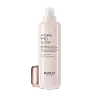
This brightening moisturizer is formulated around Niacinamide and Sodium Hyaluronate to brighten dull-looking skin and hydrate skin.
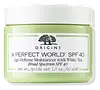
This anti-aging moisturizer is formulated around Camellia Sinensis Leaf Extract and Ergothioneine to soften the look of wrinkles and hydrate skin.


What's inside
What's inside
 Key Ingredients
Benefits
Concerns
Ingredients Side-by-side
Water
Skin ConditioningDimethicone
Emollient

Propanediol
Solvent

Ethylhexyl Methoxycinnamate
UV Absorber


C12-15 Alkyl Benzoate
AntimicrobialSucrose Distearate
Emollient

Butyl Methoxydibenzoylmethane
UV Absorber
Niacinamide
Smoothing









Glycerin
Humectant
Mica
Cosmetic ColorantOctocrylene
UV Absorber
Phenoxyethanol
Preservative
Caprylyl Glycol
Emollient
Carbomer
Emulsion StabilisingAmmonium Acryloyldimethyltaurate/Vp Copolymer
Hydrogenated Polyisobutene
EmollientSodium Stearoyl Glutamate
CleansingPotassium Cetyl Phosphate
EmulsifyingTocopheryl Acetate
Antioxidant

Hexylene Glycol
EmulsifyingParfum
Masking

Sodium Hyaluronate
Humectant
Sodium Hydroxide
BufferingDisodium EDTA
ChelatingDimethiconol
Emollient
Hordeum Vulgare Extract
EmollientLimonene
Perfuming
Tin Oxide
Abrasive
Citronellol
Perfuming
Portulaca Oleracea Extract
Skin Conditioning
Hydrolyzed Vegetable Protein
Skin ConditioningCI 77891
Cosmetic ColorantCI 77492
Cosmetic ColorantWater, Dimethicone, Propanediol, Ethylhexyl Methoxycinnamate, C12-15 Alkyl Benzoate, Sucrose Distearate, Butyl Methoxydibenzoylmethane, Niacinamide, Glycerin, Mica, Octocrylene, Phenoxyethanol, Caprylyl Glycol, Carbomer, Ammonium Acryloyldimethyltaurate/Vp Copolymer, Hydrogenated Polyisobutene, Sodium Stearoyl Glutamate, Potassium Cetyl Phosphate, Tocopheryl Acetate, Hexylene Glycol, Parfum, Sodium Hyaluronate, Sodium Hydroxide, Disodium EDTA, Dimethiconol, Hordeum Vulgare Extract, Limonene, Tin Oxide, Citronellol, Portulaca Oleracea Extract, Hydrolyzed Vegetable Protein, CI 77891, CI 77492
Butyl Methoxydibenzoylmethane 3%
UV Absorber
Homosalate 8%
Skin Conditioning
Ethylhexyl Methoxycinnamate 7.5%
UV Absorber
Ethylhexyl Salicylate 4.5%
UV Absorber
Octocrylene 5%
UV Absorber
Water
Skin ConditioningButylene Glycol
Humectant
Glycerin
Humectant
Ammonium Acryloyldimethyltaurate/Vp Copolymer
Polyethylene
Abrasive
Citrus Aurantium Bergamia Fruit Oil
Masking

Citrus Limon Peel Oil
Masking
Citrus Aurantium Dulcis Oil
Masking
Cinnamomum Camphora Bark Oil
Masking
Mentha Viridis Leaf Oil
Astringent
Magnolia Acuminata Flower Extract
Skin ConditioningIris Pallida Root Extract
Masking
Rosa Damascena Extract
MaskingCitral
Perfuming
Linalool
Perfuming
Limonene
Perfuming
Cetyl Alcohol
Emollient
Glyceryl Stearate
Emollient
PEG-100 Stearate
Surfactant
PEG-6
HumectantVaccinium Angustifolium Fruit Extract
Skin Protecting
Vaccinium Macrocarpon Fruit Extract
AstringentSolanum Tuberosum Pulp Extract
SmoothingLycium Chinense Fruit Extract
Antioxidant
Eriobotrya Japonica Leaf Extract
Skin ConditioningPassiflora Incarnata Flower Extract
Skin ConditioningLeontopodium Alpinum Extract
Skin ConditioningBetula Alba Bark Extract
Masking
Camellia Sinensis Leaf Extract
Antimicrobial
Boswellia Serrata Extract
Skin Conditioning
Sigesbeckia Orientalis Extract
Skin ConditioningThermus Thermophillus Ferment
Skin ConditioningHordeum Vulgare Extract
EmollientTriticum Vulgare Germ Extract
Skin ConditioningSaccharomyces Lysate Extract
Humectant
Lythrum Salicaria Extract
AstringentFaex Extract
Skin ConditioningAlgae Extract
Emollient
Oryzanol
Skin ConditioningSqualane
Emollient
Ethylhexylglycerin
Skin ConditioningTrehalose
Humectant
Steareth-21
CleansingErgothioneine
Antioxidant
Sodium Hyaluronate
Humectant
Vp/Eicosene Copolymer
Nylon-12
Caprylyl Glycol
Emollient
Sodium PCA
Humectant
Sodium Dehydroacetate
Preservative
Tocopheryl Acetate
Antioxidant
Urea
Buffering
Ascorbyl Tocopheryl Maleate
Antioxidant
Citric Acid
Buffering
Polyquaternium-51
Skin Conditioning
Hexylene Glycol
EmulsifyingLecithin
Emollient
Sodium Phytate
ChelatingBHT
Antioxidant
Mica
Cosmetic ColorantPhenoxyethanol
Preservative
Butyl Methoxydibenzoylmethane 3%, Homosalate 8%, Ethylhexyl Methoxycinnamate 7.5%, Ethylhexyl Salicylate 4.5%, Octocrylene 5%, Water, Butylene Glycol, Glycerin, Ammonium Acryloyldimethyltaurate/Vp Copolymer, Polyethylene, Citrus Aurantium Bergamia Fruit Oil, Citrus Limon Peel Oil, Citrus Aurantium Dulcis Oil, Cinnamomum Camphora Bark Oil, Mentha Viridis Leaf Oil, Magnolia Acuminata Flower Extract, Iris Pallida Root Extract, Rosa Damascena Extract, Citral, Linalool, Limonene, Cetyl Alcohol, Glyceryl Stearate, PEG-100 Stearate, PEG-6, Vaccinium Angustifolium Fruit Extract, Vaccinium Macrocarpon Fruit Extract, Solanum Tuberosum Pulp Extract, Lycium Chinense Fruit Extract, Eriobotrya Japonica Leaf Extract, Passiflora Incarnata Flower Extract, Leontopodium Alpinum Extract, Betula Alba Bark Extract, Camellia Sinensis Leaf Extract, Boswellia Serrata Extract, Sigesbeckia Orientalis Extract, Thermus Thermophillus Ferment, Hordeum Vulgare Extract, Triticum Vulgare Germ Extract, Saccharomyces Lysate Extract, Lythrum Salicaria Extract, Faex Extract, Algae Extract, Oryzanol, Squalane, Ethylhexylglycerin, Trehalose, Steareth-21, Ergothioneine, Sodium Hyaluronate, Vp/Eicosene Copolymer, Nylon-12, Caprylyl Glycol, Sodium PCA, Sodium Dehydroacetate, Tocopheryl Acetate, Urea, Ascorbyl Tocopheryl Maleate, Citric Acid, Polyquaternium-51, Hexylene Glycol, Lecithin, Sodium Phytate, BHT, Mica, Phenoxyethanol
Reviews
Ingredients Explained
These ingredients are found in both products.
Ingredients higher up in an ingredient list are typically present in a larger amount.
Ammonium Acryloyldimethyltaurate/Vp Copolymer is a synthetically created polymer. It's used as a film-forming agent and used to thicken the consistency of products.
Think of it as a supportive ingredient that helps your gel-creams feel silky, "cloud cream-like", and spread evenly without being greasy.
The Cosmetic Ingredient Review (CIR) Expert Panel evaluated it (along with 22 other acryloyldimethyltaurate polymers) and concluded it's:
Due to its large molecular size, it sits on the surface of skin rather than penetrating it.
Learn more about Ammonium Acryloyldimethyltaurate/Vp CopolymerAlso known as Avobenzone, this ingredient is an oil-soluble used to absorb the full spectrum of UVA rays (peak 357 nm).
It's one of the most effective UVA filters available but has a major caveat of photostability: avobenzone is susceptible to photodegradation.
This means it can lose efficacy when exposed to sunlight without the help of a stabilizing agent.
Studies show antioxidants (like vitamin E or vitamin C) and some UV filters (like octocrylene and Tinosorb S) can meaningfully improve its stability in a formulation.
The maximum allowable concentration according to regulation is 3% in the US + Canada, and 5% in the EU, Australia, China, Korea, and ASEAN countries.
It has a well-support safety profile: a comprehensive 2025 review found minimal toxicity with no evidence of carcinogenicity.
Overall, avobenzone is a safe and regulated ingredient used in sunscreen for over 40 years.
Learn more about Butyl MethoxydibenzoylmethaneCaprylyl Glycol is a humectant, skin conditioner, emollient, and preservative booster derived from either caprylic acid or synthetically created.
Typical use levels vary from 0.3-1% as a preservative booster and go up to 2% to condition skin.
Because it is not a free-fatty acid, this ingredient is fungal acne safe (there's nothing for Malassezia to feed on).
Learn more about Caprylyl GlycolThis ingredient is also known as Octinoxate and is one of the oldest and most widely used chemical UV filters in skincare.
It has a simple job: soap up UVB radiation (290-320 nm), the wavelengths responsible for sunburn and a big chunk of long-term sun damage.
In formulas, it's always paired with a separate UVA filter because octinoxate solely protects skin from UVB.
Because it's an oil-soluble liquid, it's easy to blend into the oil phase of lotions/creams and gives a cosmetically elegant feel.
The one quirk about formulating this ingredient is photostability; the molecule slowly changes shape into a less effective version when sunlight hits it. So the longer you're in the sun, the weaker its protection gets. The drop can be more than 30% in some formulas.
It also doesn't play nice with Avobenzone (the common UVA filter) since avobenzone destabilizes octinoxate and the two degrade each other. But don't worry: brands have solved this issue by adding photostabilizers like Tinosorb S to prevent degradation and keep SPF stable under heavy UV exposure.
The maximum allowed level is 10% in the EU and Australia, 7.5% in the US and Canada, and 20% in Japan.
The Cosmetic Ingredient Review Panel has concluded this ingredient to be safe in cosmetics up to 10%.
One last thing worth knowing for context:
Octinoxate has been the subject of ongoing review in Europe where the Scientific Committee on Consumer Safety's (SCCS) 2025 final opinion is that this ingredient is an endocrine-active substance.
Lab and animal studies suggest it can act a bit like a hormone in the body (mildly mimicking estrogen and slightly blocking male hormones). It's important to know this hasn't really been shown to happen in everyday human use.
This ingredient is also banned in Hawaii over coral reef concerns.
Learn more about Ethylhexyl MethoxycinnamateGlycerin (or glycerol) is a compound naturally found in your skin. It's a powerhouse humectant that pulls water into the stratum corneum.
Topically, glycerin does several things at once:
Your skin makes glycerin on its own (mostly from sebaceous oil breakdown) and shuttles it to your outermost layer of skin, or your epidermis, via aquaporin-3.
Aquaporin-3 is a transporter that is essential for normal skin hydration, elasticity, and repair. Interestingly, mice lacking in AQP3 have dry and less elastic skin that can be fully corrected with glycerin.
This ingredient is non-irritating, plays well with almost every ingredient, and works across all skin types. Typical use is anywhere between 3-10% but can go up to 79% in some leave-on products.
Just know very high concentrations (>40%) can feel tacky in low humidity.
Glycerin is the name for this ingredient in American English. British English uses Glycerol/Glycerine.
Learn more about GlycerinHexylene Glycol is a multitasker ingredient that works as a solvent, humectant, emulsifier, viscosity reducer, and preservative booster.
It is able to dissolve both water and oil-soluble ingredients to stabilize tricky actives and make products spread more easily.
As a humectant, it pulls water into the skin. But it's a pretty minor moisturizing ingredient compared to other humectants, like glycerin.
Interestingly, it can act as a mild penetration enhancer. One in vitro study on human skin found a 12% concentration upped the absorption of mometasone furoate (a medicinal ingredient used to treat inflammatory skin conditions) up to 7%.
This ingredient is typically used at levels of 0.1-10% depending on the role it's playing.
A patch test study on eczema patients didn't find a significant increase in irritation versus the control group, but the potential for irritation rises at higher concentrations.
Learn more about Hexylene GlycolHordeum Vulgare Extract is an extract of barley, the same grain used in beer and bread.
In skincare, it is a skin conditioning and hydrating agent. This ingredient contains polyphenols, vitamin E, and trace minerals like zinc, copper, and selenium that help neutralize free radicals behind oxidative skin stress.
Lab studies on human skin cells show it can support the skin barrier, boost cell survival, and speed repair after UV exposure.
The Cosmetic Ingredient Review Expert Panel has reviewed 16 barley-derived ingredients and concluded they're safe as used with the highest reported use concentration being 1.5% (in leave-on body/hand products).
Patch testing has also found it not to be a skin irritant or sensitizer at cosmetic levels.
However, barley is a recognized food allergen so people with a known barley/grain allergy should approach it cautiously.
Note: This ingredient is not gluten-free for those avoiding gluten for skin-contact reasons.
Learn more about Hordeum Vulgare ExtractLimonene is the compound that gives citrus peel its smell.
In skincare, it shows up as a standalone fragrance ingredient or as a natural compound of citrus and other essential oils.
You'll typically see this ingredient used in very small amounts; anything above 0.001% in a leave-on product or 0.01% in a rinse-off has to be named on the label in the EU. The citrus oils that carry it sit around 0.5-1% in a finished formula.
Fresh limonene is a weak allergen; the real issue is that it slowly reacts with air and then breaks down from oxidation to create hydroperoxides (which are strong sensitizers). This is why suppliers are required to keep the peroxide value below 20 mmol.
Positive reactions in people being investigated for eczema vary:
It's worth skipping if you have a known fragrance allergy or a compromised barrier, but the risk is low for most people.
Older or long-opened products are also more likely to bother you than fresh ones due to oxidation.
Learn more about LimoneneMica is a naturally occurring mineral used to add shimmer and color in cosmetics. It can also help improve the texture of a product or give it an opaque, white/silver color.
Serecite is the name for very fine but ragged grains of mica.
This ingredient is often coated with metal oxides like titanium dioxide. Trace amounts of heavy metals may be found in mica, but these metals are not harmful in our personal products.
Mica has been used since prehistoric times throughout the world. Ancient Egyptian, Indian, Greek, Roman, Aztec, and Chinese civilizations have used mica.
Learn more about MicaOctocrylene is an oil-soluble organic UV filter that mainly absorbs UVB and short wave UVA II light.
Its real superpower is teamwork: octocrylene is remarkably photostable and is most famous for stabilizing avobenzone (the workhorse UVA filter).
This ingredient is commonly used to enhance both UVB and UVA protection due to its unique property in stabilizing avobenzone. It also pulls double duty by boosting water resistance and giving formulas a smooth, spreadable feel.
The EU's Scientific Committee on Consumer Safety (SCCS) has deemed octocrylene to be safe as a UV-filter at concentrations up to 10% (capped at 9% in propellant sprays). The US also permits it up to 10%.
Two things worth knowing:
You'll usually see this ingredient used in concentrations between 2-10% (higher amounts when used as a stabilizer for avobenzone).
Learn more about OctocrylenePhenoxyethanol is one of the most widely used preservatives in skincare (and for good reason!).
It has a large spectrum of antimicrobial activity and especially effective bacteria, yeast, and mold while only having a weak effect on your skin's natural microbiome.
On a cellular level, it disrupts the cell membranes of microbes by poking holes that make the cell leak. This shuts down the chemical reactions the microbe needs to make energy so it can no longer survive.
Another perk of this ingredient is that it stays functional across a wide pH range (3-10).
You'll often see it paired with boosters like Ethylhexylglycerin; one study showed that a 1:9 ratio of Ethylhexylglycerin to Phenoxyethanol damages bacterial membranes as effectively as doubling the Phenoxyethanol concentration on its own.
Typical use concentrations range from 0.3-1% depending on the formula, and this ingredient is capped at 1% int the EU.
Safety-wise, the fear mongering does not hold up to the evidence. The EU's Scientific Committee on Consumer Safety and FDA consider it safe as a preservative at up to 1%, including for children of all ages.
Adverse systemic effects only showed up in animal studies at exposures roughly 200x higher than what people get from cosmetics. And despite its very widespread use, this ingredient is a rare sensitizer and allergic reactions are uncommon.
Learn more about PhenoxyethanolSodium Hyaluronate is the salt form of hyaluronic acid. It is a long sugar chain that is naturally found in your skin, joints, and connective tissue that maintains hydration and elasticity.
In skincare, it works as a humectant. It pulls water from the environment and deeper layers of skin and binds it to the surface.
Interestingly, the size of the molecule affects its behavior:
Some clinical evidence links low molecular weight versions to improved wrinkle depth, elasticity, anti-inflammatory effects, and barrier repair.
Many serums use a blend of both weights so you can get surface hydration plus longer-lasting and deeper effects.
You'll typically see concentrations between 0.1-2% for this ingredient.
Learn more about Sodium HyaluronateTocopheryl Acetate is a stable, shelf-friendly form of vitamin E.
Formulators love it because plain vitamin E oxidizes quickly once it hits air. This acetate version stays stable and resists going off, helping to extend a product's shelf life.
It's actually inactive on its own and works like a slow-release "storage" form; the enzymes in your skin called esterases gradually convert it into active vitamin E over time.
One in vivo study showed 5% of the acetate in the living layer of the epidermis converted to vitamin E after 5 days of application. This study also found the skin gained protection against UV damage even though the conversion was slow and small.
Once converted, vitamin E acts as a skin's main fat-soluble antioxidant that fights free radicals to protect skin from damage.
Topical vitamin E generally boosts the skin's photoprotection, and it reduced UV-damage in animal models.
This ingredient has some brightening potential but it's more of a prevention ingredient than spot-fader. Cell studies show it can slow down melanin production but it's worth noting that it's not the most powerful brightener out there.
Overall, it has a pretty solid safety profile and has been found to be non-irritating and non-comedogenic. Allergic reactions may happen but stay rare due to how widely the ingredient gets used.
The concentration will vary depending on the formula; industry data shows 0.1% in baby lotions, 3% in lipsticks, and 5% in foot powders. You can also find this ingredient at 100% in a pure vitamin E oil.
Most leave-on skincare keeps it at the lower end, often between 0.5-1%.
Learn more about Tocopheryl AcetateWater. It's the most common cosmetic ingredient of all. You'll usually see it at the top of ingredient lists, meaning that it makes up the largest part of the product.
So why is it so popular? Water most often acts as a solvent - this means that it helps dissolve other ingredients into the formulation.
You'll also recognize water as that liquid we all need to stay alive. If you see this, drink a glass of water. Remember to stay hydrated!
Learn more about Water

