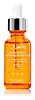
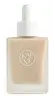
JUMISO All Day Vitamin Brightening & Balancing Facial Serum Versus KAINE Chaga Collagen Charging Serum
This brightening serum is formulated around Hippophae Rhamnoides Fruit Extract and Niacinamide to brighten dull-looking skin and calm redness.
This anti-aging serum is formulated around Squalane to soften the look of wrinkles and hydrate skin.

What's inside
What's inside
 Key Ingredients
Benefits
Concerns
Ingredients Side-by-side
Hippophae Rhamnoides Fruit Extract
Skin Conditioning


Methylpropanediol
SolventGlycerin
Humectant

Niacinamide
Smoothing







Dipropylene Glycol
HumectantSodium Hyaluronate
Humectant
PEG-40 Hydrogenated Castor Oil
Emulsifying


Centella Asiatica Extract
Cleansing
Polygonum Cuspidatum Root Extract
Antioxidant
Scutellaria Baicalensis Root Extract
Astringent
Camellia Sinensis Leaf Extract
Antimicrobial
Glycyrrhiza Glabra Root Extract
Bleaching
Chamomilla Recutita Flower Extract
Masking
Rosmarinus Officinalis Leaf Extract
AntimicrobialPanthenol
Skin Conditioning
Betaine
Humectant
Ascorbic Acid
Antioxidant
Hydroxyacetophenone
Antioxidant
Pentylene Glycol
Skin Conditioning
Caprylyl Glycol
Emollient
Butylene Glycol
Humectant
Chlorphenesin
Antimicrobial
Carbomer
Emulsion StabilisingArginine
Masking
Disodium EDTA
Pelargonium Graveolens Flower Oil
Masking



Cymbopogon Martini Oil
Masking
Cananga Odorata Flower Oil
Masking
Citrus Aurantium Bergamia Peel Oil
Perfuming
Rosa Damascena Flower Oil
Masking
Hippophae Rhamnoides Fruit Extract, Methylpropanediol, Glycerin, Niacinamide, Dipropylene Glycol, Sodium Hyaluronate, PEG-40 Hydrogenated Castor Oil, Centella Asiatica Extract, Polygonum Cuspidatum Root Extract, Scutellaria Baicalensis Root Extract, Camellia Sinensis Leaf Extract, Glycyrrhiza Glabra Root Extract, Chamomilla Recutita Flower Extract, Rosmarinus Officinalis Leaf Extract, Panthenol, Betaine, Ascorbic Acid, Hydroxyacetophenone, Pentylene Glycol, Caprylyl Glycol, Butylene Glycol, Chlorphenesin, Carbomer, Arginine, Disodium EDTA, Pelargonium Graveolens Flower Oil, Cymbopogon Martini Oil, Cananga Odorata Flower Oil, Citrus Aurantium Bergamia Peel Oil, Rosa Damascena Flower Oil
Inonotus Obliquus Extract 70%
Skin ConditioningGlycerin
Humectant
Squalane 5%
Emollient
Polyglycerin-3
Humectant
Water
Skin ConditioningDipentaerythrityl Hexa C5-9 Acid Esters
Skin ConditioningSimmondsia Chinensis Seed Oil 2%
Emollient
1,2-Hexanediol
Skin Conditioning
Chondrus Crispus Extract
Skin Conditioning
Chlorella Vulgaris Extract
Skin ConditioningSaccharum Officinarum Extract
MoisturisingTheobroma Cacao Seed Extract
Antioxidant
Juniperus Virginiana Oil
Masking
Ricinus Communis Seed Oil
Masking
Cedrus Atlantica Bark Oil
Masking
Copaifera Officinalis Resin
MaskingPogostemon Cablin Leaf Oil
Masking
Melia Azadirachta Flower Extract
Skin ConditioningOcimum Sanctum Leaf Extract
Skin ConditioningMelia Azadirachta Leaf Extract
Skin ConditioningCurcuma Longa Root Extract
Antioxidant
Rosmarinus Officinalis Leaf Oil
Masking
Corallina Officinalis Extract
Skin Conditioning
Salvia Sclarea Oil
Masking
Soluble Collagen
Humectant
Anthemis Nobilis Flower Oil
Masking
Vanilla Planifolia Fruit Extract
Skin Conditioning
Bacillus/Folic Acid Ferment Filtrate Extract
Antioxidant
Sodium Hyaluronate
Humectant
Pentylene Glycol
Skin Conditioning
Betaine
Humectant
Polyacrylate Crosspolymer-6
Emulsion StabilisingAcrylates/C10-30 Alkyl Acrylate Crosspolymer
Emulsion StabilisingGlucose
Humectant
Hydrogenated Lecithin
Emulsifying
Tromethamine
BufferingButylene Glycol
Humectant
Fructooligosaccharides
Humectant
Fructose
Humectant
Sodium Dilauramidoglutamide Lysine
HumectantEthylhexylglycerin
Skin ConditioningAdenosine
Skin Conditioning
Dextrin
AbsorbentSodium Phytate
Tocopherol
Antioxidant
Lecithin
Emollient
Acetyl Glutamine
Skin ConditioningBeta-Glucan
Skin Conditioning
Caprylyl Glycol
Emollient
Sh-Oligopeptide-1
Skin Conditioning
Sh-Oligopeptide-2
Skin Conditioning
Sh-Polypeptide-1
Skin Conditioning
Sh-Polypeptide-11
Sh-Polypeptide-9
Skin Conditioning
Xanthan Gum
EmulsifyingT-Butyl Alcohol
Perfuming

Inonotus Obliquus Extract 70%, Glycerin, Squalane 5%, Polyglycerin-3, Water, Dipentaerythrityl Hexa C5-9 Acid Esters, Simmondsia Chinensis Seed Oil 2%, 1,2-Hexanediol, Chondrus Crispus Extract, Chlorella Vulgaris Extract, Saccharum Officinarum Extract, Theobroma Cacao Seed Extract, Juniperus Virginiana Oil, Ricinus Communis Seed Oil, Cedrus Atlantica Bark Oil, Copaifera Officinalis Resin, Pogostemon Cablin Leaf Oil, Melia Azadirachta Flower Extract, Ocimum Sanctum Leaf Extract, Melia Azadirachta Leaf Extract, Curcuma Longa Root Extract, Rosmarinus Officinalis Leaf Oil, Corallina Officinalis Extract, Salvia Sclarea Oil, Soluble Collagen, Anthemis Nobilis Flower Oil, Vanilla Planifolia Fruit Extract, Bacillus/Folic Acid Ferment Filtrate Extract, Sodium Hyaluronate, Pentylene Glycol, Betaine, Polyacrylate Crosspolymer-6, Acrylates/C10-30 Alkyl Acrylate Crosspolymer, Glucose, Hydrogenated Lecithin, Tromethamine, Butylene Glycol, Fructooligosaccharides, Fructose, Sodium Dilauramidoglutamide Lysine, Ethylhexylglycerin, Adenosine, Dextrin, Sodium Phytate, Tocopherol, Lecithin, Acetyl Glutamine, Beta-Glucan, Caprylyl Glycol, Sh-Oligopeptide-1, Sh-Oligopeptide-2, Sh-Polypeptide-1, Sh-Polypeptide-11, Sh-Polypeptide-9, Xanthan Gum, T-Butyl Alcohol
Reviews
Ingredients Explained
These ingredients are found in both products.
Ingredients higher up in an ingredient list are typically present in a larger amount.
Betaine is a humectant. Like hyaluronic acid, it helps attract and retain moisture in the skin. It’s known for being gentle and for helping the skin maintain balanced hydration.
Betaine is mainly used to improve hydration and support calmer skin. It helps skin cells regulate water balance because it functions as an osmolyte.
Some studies suggest betaine may support making skin tone more even.
Fun fact: Betaine naturally exists in the skin and the body. In cosmetic products, it can be either plant-derived (most commonly from sugar beets) or synthetically produced for consistency and stability.
Betaine is also known as trimethylglycine.
Learn more about BetaineButylene Glycol (or BG) is used within cosmetic products for a few different reasons:
Overall, Butylene Glycol is a safe and well-rounded ingredient that works well with other ingredients.
Though this ingredient works well with most skin types, some people with sensitive skin may experience a reaction such as allergic rashes, closed comedones, or itchiness.
Learn more about Butylene GlycolCaprylyl Glycol is a humectant, skin conditioner, emollient, and preservative booster derived from either caprylic acid or synthetically created.
Typical use levels vary from 0.3-1% as a preservative booster and go up to 2% to condition skin.
Because it is not a free-fatty acid, this ingredient is fungal acne safe (there's nothing for Malassezia to feed on).
Learn more about Caprylyl GlycolGlycerin (or glycerol) is a compound naturally found in your skin. It's a powerhouse humectant that pulls water into the stratum corneum.
Topically, glycerin does several things at once:
Your skin makes glycerin on its own (mostly from sebaceous oil breakdown) and shuttles it to your outermost layer of skin, or your epidermis, via aquaporin-3.
Aquaporin-3 is a transporter that is essential for normal skin hydration, elasticity, and repair. Interestingly, mice lacking in AQP3 have dry and less elastic skin that can be fully corrected with glycerin.
This ingredient is non-irritating, plays well with almost every ingredient, and works across all skin types. Typical use is anywhere between 3-10% but can go up to 79% in some leave-on products.
Just know very high concentrations (>40%) can feel tacky in low humidity.
Glycerin is the name for this ingredient in American English. British English uses Glycerol/Glycerine.
Learn more about GlycerinPentylene Glycol (1,2-pentanediol) is a multitasking little diol with three main roles in a formula:
Research on alkanediols (the family pentylene glycol belongs to) show they work by disrupting microbial cell membranes. This disruption helps the primary preservative system in a product work more effectively at lower doses.
On the safety side, the Cosmetic Ingredient Review Expert Panel has concluded this ingredient to be safe as used in current cosmetic practices + concentrations.
Typical use levels in a formula run about 1-5%.
Learn more about Pentylene GlycolSodium Hyaluronate is the salt form of hyaluronic acid. It is a long sugar chain that is naturally found in your skin, joints, and connective tissue that maintains hydration and elasticity.
In skincare, it works as a humectant. It pulls water from the environment and deeper layers of skin and binds it to the surface.
Interestingly, the size of the molecule affects its behavior:
Some clinical evidence links low molecular weight versions to improved wrinkle depth, elasticity, anti-inflammatory effects, and barrier repair.
Many serums use a blend of both weights so you can get surface hydration plus longer-lasting and deeper effects.
You'll typically see concentrations between 0.1-2% for this ingredient.
Learn more about Sodium Hyaluronate

