

What's inside
What's inside
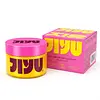 Key Ingredients
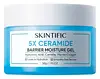
Benefits
Concerns
Ingredients Side-by-side
Water
Skin ConditioningGlycerin
Humectant


Methylpropanediol
SolventCetyl Ethylhexanoate
EmollientButyrospermum Parkii Butter
Skin Conditioning




Acetylated Hydrogenated Vegetable Glyceride
EmollientNiacinamide
Smoothing









Ceramide NP
Skin Conditioning
Polyglyceryl-2 Stearate
Emulsifying
Hydrogenated Polydecene
EmollientHydrogenated Poly(C6-14 Olefin)
EmollientVinyldimethicone

Glyceryl Stearate
Emollient
Propanediol
Solvent
Behenyl Alcohol
Emollient
Stearyl Alcohol
Emollient
C14-22 Alcohols
Emulsion Stabilising
Palmitic Acid
Emollient
Stearic Acid
Cleansing
Hydrogenated Starch Hydrolysate
HumectantTromethamine
BufferingCarbomer
Emulsion StabilisingHelianthus Annuus Seed Wax
Skin Conditioning
Cetearyl Olivate
Sorbitan Olivate
Emulsifying
C12-20 Alkyl Glucoside
EmulsifyingCaprylyl Glycol
Emollient
Acrylates/C10-30 Alkyl Acrylate Crosspolymer
Emulsion StabilisingCassia Angustifolia Seed Polysaccharide
Skin ConditioningEthylhexylglycerin
Skin ConditioningXanthan Gum
EmulsifyingAdenosine
Skin Conditioning
Sodium Phytate
Sodium Hyaluronate
Humectant
Citrus Junos Peel Extract
Skin ConditioningHydrolyzed Hyaluronic Acid
Humectant
Hydrolyzed Sodium Hyaluronate
Skin Conditioning
Nicotinamide Adenine Dinucleotide
Skin ConditioningHexanediol
Solvent1,2-Hexanediol
Skin Conditioning
Sodium Acetylated Hyaluronate
Humectant
Ferulic Acid
Antimicrobial
Hydroxypropyltrimonium Hyaluronate
3-O-Ethyl Ascorbic Acid
Skin Conditioning
Dimethylsilanol Hyaluronate
Humectant
Sodium Hyaluronate Crosspolymer
Humectant
Pentylene Glycol
Skin Conditioning
Hyaluronic Acid
Humectant
Potassium Hyaluronate
Skin ConditioningWater, Glycerin, Methylpropanediol, Cetyl Ethylhexanoate, Butyrospermum Parkii Butter, Acetylated Hydrogenated Vegetable Glyceride, Niacinamide, Ceramide NP, Polyglyceryl-2 Stearate, Hydrogenated Polydecene, Hydrogenated Poly(C6-14 Olefin), Vinyldimethicone, Glyceryl Stearate, Propanediol, Behenyl Alcohol, Stearyl Alcohol, C14-22 Alcohols, Palmitic Acid, Stearic Acid, Hydrogenated Starch Hydrolysate, Tromethamine, Carbomer, Helianthus Annuus Seed Wax, Cetearyl Olivate, Sorbitan Olivate, C12-20 Alkyl Glucoside, Caprylyl Glycol, Acrylates/C10-30 Alkyl Acrylate Crosspolymer, Cassia Angustifolia Seed Polysaccharide, Ethylhexylglycerin, Xanthan Gum, Adenosine, Sodium Phytate, Sodium Hyaluronate, Citrus Junos Peel Extract, Hydrolyzed Hyaluronic Acid, Hydrolyzed Sodium Hyaluronate, Nicotinamide Adenine Dinucleotide, Hexanediol, 1,2-Hexanediol, Sodium Acetylated Hyaluronate, Ferulic Acid, Hydroxypropyltrimonium Hyaluronate, 3-O-Ethyl Ascorbic Acid, Dimethylsilanol Hyaluronate, Sodium Hyaluronate Crosspolymer, Pentylene Glycol, Hyaluronic Acid, Potassium Hyaluronate
Water
Skin ConditioningButylene Glycol
Humectant
Hydrogenated Polyisobutene
EmollientDimethicone
Emollient
Glycerin
Humectant
Propylene Glycol
Humectant
1,2-Hexanediol
Skin Conditioning
Hydroxyacetophenone
Antioxidant
PEG-400
Emulsion StabilisingAmmonium Acryloyldimethyltaurate/Vp Copolymer
Hydrogenated Lecithin
Emulsifying
Panthenol
Skin Conditioning
Phytosteryl/Octyldodecyl Lauroyl Glutamate
Skin ConditioningCarbomer
Emulsion StabilisingAllantoin
Skin Conditioning
PCA
Humectant
Hydroxyethyl Acrylate/Sodium Acryloyldimethyl Taurate Copolymer
Emulsion StabilisingSqualane
Emollient
Ceramide NP
Skin Conditioning
Ceramide Ns
Skin Conditioning
Ceramide Ng
Skin Conditioning
Ceramide As
Skin Conditioning
Ceramide EOP
Skin Conditioning
Ceramide AP
Skin Conditioning
Sodium Hyaluronate
Humectant
Hydrolyzed Collagen
Emollient
Centella Asiatica Extract
Cleansing
Sodium Hydroxide
BufferingHamamelis Virginiana Extract
Antiseborrhoeic

Trehalose
Humectant
Ectoin
Skin Conditioning
Sophora Flavescens Root Extract
Antioxidant
Opuntia Ficus-Indica Stem Extract
Skin Conditioning
Ophiopogon Japonicus Root Extract
Skin ConditioningYeast Polysaccharides
Skin ConditioningPentylene Glycol
Skin Conditioning
Disodium EDTA
Polysorbate 60
Emulsifying
T-Butyl Alcohol
Perfuming


Citrus Aurantium Amara Flower Oil
Masking
Sorbitan Isostearate
Emulsifying
Citrus Aurantium Bergamia Fruit Oil
Masking
Citrus Limon Peel Oil
Masking
Water, Butylene Glycol, Hydrogenated Polyisobutene, Dimethicone, Glycerin, Propylene Glycol, 1,2-Hexanediol, Hydroxyacetophenone, PEG-400, Ammonium Acryloyldimethyltaurate/Vp Copolymer, Hydrogenated Lecithin, Panthenol, Phytosteryl/Octyldodecyl Lauroyl Glutamate, Carbomer, Allantoin, PCA, Hydroxyethyl Acrylate/Sodium Acryloyldimethyl Taurate Copolymer, Squalane, Ceramide NP, Ceramide Ns, Ceramide Ng, Ceramide As, Ceramide EOP, Ceramide AP, Sodium Hyaluronate, Hydrolyzed Collagen, Centella Asiatica Extract, Sodium Hydroxide, Hamamelis Virginiana Extract, Trehalose, Ectoin, Sophora Flavescens Root Extract, Opuntia Ficus-Indica Stem Extract, Ophiopogon Japonicus Root Extract, Yeast Polysaccharides, Pentylene Glycol, Disodium EDTA, Polysorbate 60, T-Butyl Alcohol, Citrus Aurantium Amara Flower Oil, Sorbitan Isostearate, Citrus Aurantium Bergamia Fruit Oil, Citrus Limon Peel Oil
Reviews
Ingredients Explained
These ingredients are found in both products.
Ingredients higher up in an ingredient list are typically present in a larger amount.
1,2-Hexanediol is a synthetic liquid and another multi-functional powerhouse.
It is a:
- Humectant, drawing moisture into the skin
- Emollient, helping to soften skin
- Solvent, dispersing and stabilizing formulas
- Preservative booster, enhancing the antimicrobial activity of other preservatives
Carbomer is a synthetic thickening and gelling agent. It's basically the ingredient that gives a lot of serums, gels, creams, and sunscreens their smooth, non-sticky texture.
Although legally permitted at very high levels, carbomers are normally used at concentrations below 1%.
It also needs to be neutralized to actually thicken, and because it is a large molecule, it doesn't really penetrate the skin barrier.
Allergy-wise, the risk is very low. Clinical studies show carbomers have low potential for skin irritation/sensitization even at concentrations up to 100%.
A 2024 UK study patch-tested 1,302 patients and found true allergy to the parent group of carbomer to be rare with no confirmed relevant reactions.
Learn more about CarbomerCeramide NP (formerly known as Ceramide 3) is one of the skin's naturally occurring lipids.
Since ceramides are the major lipid components of the skin, they are crucial for maintaining skin barrier and hydration. Ceramide NP most closely mirrors the dominant kind in human skin amongst ceramide subtypes.
This ceramide works by slotting into gaps within the stratum corneum's lipid matrix to limit trans-epidermal water loss (TEWL) and shield the skin against external irritants.
A study with 312 patients found that using a ceramide-containing routine for 4 weeks reduced the severity of atopic dermatitis by over 61%.
Another clinical study in subjects aged 60 and older found that a ceramide body wash and moisturizer improved skin dryness and itchy skin in 15 days.
Overall, ceramides are considered non-irritating and safety tests have found little to no observable adverse effects from using this ingredient.
Ceramide NP is usually sourced from plants (like soybean or rice bran), or produced synthetically.
Learn more about Ceramide NPGlycerin (or glycerol) is a compound naturally found in your skin. It's a powerhouse humectant that pulls water into the stratum corneum.
Topically, glycerin does several things at once:
Your skin makes glycerin on its own (mostly from sebaceous oil breakdown) and shuttles it to your outermost layer of skin, or your epidermis, via aquaporin-3.
Aquaporin-3 is a transporter that is essential for normal skin hydration, elasticity, and repair. Interestingly, mice lacking in AQP3 have dry and less elastic skin that can be fully corrected with glycerin.
This ingredient is non-irritating, plays well with almost every ingredient, and works across all skin types. Typical use is anywhere between 3-10% but can go up to 79% in some leave-on products.
Just know very high concentrations (>40%) can feel tacky in low humidity.
Glycerin is the name for this ingredient in American English. British English uses Glycerol/Glycerine.
Learn more about GlycerinPentylene Glycol (1,2-pentanediol) is a multitasking little diol with three main roles in a formula:
Research on alkanediols (the family pentylene glycol belongs to) show they work by disrupting microbial cell membranes. This disruption helps the primary preservative system in a product work more effectively at lower doses.
On the safety side, the Cosmetic Ingredient Review Expert Panel has concluded this ingredient to be safe as used in current cosmetic practices + concentrations.
Typical use levels in a formula run about 1-5%.
Learn more about Pentylene GlycolSodium Hyaluronate is the salt form of hyaluronic acid. It is a long sugar chain that is naturally found in your skin, joints, and connective tissue that maintains hydration and elasticity.
In skincare, it works as a humectant. It pulls water from the environment and deeper layers of skin and binds it to the surface.
Interestingly, the size of the molecule affects its behavior:
Some clinical evidence links low molecular weight versions to improved wrinkle depth, elasticity, anti-inflammatory effects, and barrier repair.
Many serums use a blend of both weights so you can get surface hydration plus longer-lasting and deeper effects.
You'll typically see concentrations between 0.1-2% for this ingredient.
Learn more about Sodium HyaluronateWater. It's the most common cosmetic ingredient of all. You'll usually see it at the top of ingredient lists, meaning that it makes up the largest part of the product.
So why is it so popular? Water most often acts as a solvent - this means that it helps dissolve other ingredients into the formulation.
You'll also recognize water as that liquid we all need to stay alive. If you see this, drink a glass of water. Remember to stay hydrated!
Learn more about Water

