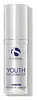
This anti-aging eye moisturizer is formulated around Sodium Hyaluronate and Acetyl Octapeptide-3 to soften the look of wrinkles and hydrate skin.
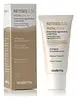
This anti-aging treatment is formulated around Ascorbyl Glucoside and Retinyl Propionate to soften the look of wrinkles and refine skin texture.


What's inside
What's inside
 Key Ingredients
Benefits
Concerns
Ingredients Side-by-side
Water
Skin ConditioningSodium Hyaluronate
Humectant




Caprylic/Capric Triglyceride
Masking
Glycerin
Humectant
Acetyl Octapeptide-3
Humectant
Glyceryl Dilaurate
Emollient

Pseudoalteromonas Ferment Extract
Humectant
Glycosaminoglycans
EmollientHydrolyzed Wheat Protein
Skin ConditioningHydrolyzed Soy Protein
Humectant
Tripeptide-10
Skin Conditioning
Citrulline
Skin ConditioningTripeptide-1
Skin Conditioning
Lecithin
Emollient
Silica Dimethyl Silylate
EmollientDimethicone
Emollient
Cetyl Alcohol
Emollient
Cetearyl Alcohol
Emollient


Ceteareth-20
Cleansing
Glyceryl Stearate
Emollient
PEG-100 Stearate
Surfactant
Urea
Buffering

Glucose
Humectant
Guanidine Hcl
BufferingDipalmitoyl Hydroxyproline
Skin Conditioning
Panthenol
Skin Conditioning
Phospholipids
Skin Conditioning
Dipotassium Glycyrrhizate
Humectant
Butylene Glycol
Humectant
Xanthan Gum
EmulsifyingCarbomer
Emulsion StabilisingTriethanolamine
BufferingPvp
Emulsion StabilisingAsiaticoside
Antioxidant
Asiatic Acid
Skin Conditioning
Madecassic Acid
Skin Conditioning
Retinyl Palmitate
Skin Conditioning


Tocopheryl Acetate
Antioxidant
Ethylhexyl Palmitate
Emollient
Disodium EDTA
Chelating1,2-Hexanediol
Skin Conditioning
Caprylyl Glycol
Emollient
Ascorbyl Palmitate
Antioxidant
Pantothenic Acid
Skin ConditioningWater, Sodium Hyaluronate, Caprylic/Capric Triglyceride, Glycerin, Acetyl Octapeptide-3, Glyceryl Dilaurate, Pseudoalteromonas Ferment Extract, Glycosaminoglycans, Hydrolyzed Wheat Protein, Hydrolyzed Soy Protein, Tripeptide-10, Citrulline, Tripeptide-1, Lecithin, Silica Dimethyl Silylate, Dimethicone, Cetyl Alcohol, Cetearyl Alcohol, Ceteareth-20, Glyceryl Stearate, PEG-100 Stearate, Urea, Glucose, Guanidine Hcl, Dipalmitoyl Hydroxyproline, Panthenol, Phospholipids, Dipotassium Glycyrrhizate, Butylene Glycol, Xanthan Gum, Carbomer, Triethanolamine, Pvp, Asiaticoside, Asiatic Acid, Madecassic Acid, Retinyl Palmitate, Tocopheryl Acetate, Ethylhexyl Palmitate, Disodium EDTA, 1,2-Hexanediol, Caprylyl Glycol, Ascorbyl Palmitate, Pantothenic Acid
Water
Skin ConditioningEthylhexyl Methoxycinnamate
UV Absorber


Cetyl Alcohol
Emollient
Pentylene Glycol
Skin Conditioning
Glyceryl Stearate
Emollient
PEG-100 Stearate
Surfactant
Propylene Glycol
Humectant
Butyl Methoxydibenzoylmethane
UV Absorber
C12-15 Alkyl Benzoate
AntimicrobialCaprylic/Capric Triglyceride
Masking
Cyclopentasiloxane
Emollient
Dimethicone
Emollient
Ascorbyl Glucoside
Antioxidant
Retinyl Propionate
Skin Conditioning
Retinol
Skin Conditioning


Tocopheryl Acetate
Antioxidant
Glyceryl Polymethacrylate
Glyceryl Behenate
Emollient
Cyclohexasiloxane
Emollient
Acrylamide/Sodium Acryloyldimethyltaurate Copolymer
Emulsion StabilisingXanthan Gum
EmulsifyingAmmonium Acryloyldimethyltaurate/Vp Copolymer
C13-14 Isoparaffin
Emollient
Polysorbate 20
Emulsifying
Pseudoalteromonas Ferment Extract
Humectant
Laureth-7
EmulsifyingSodium Hydroxide
BufferingDisodium EDTA
ChelatingO-Cymen-5-Ol
Antimicrobial
BHT
Antioxidant
Helianthus Annuus Seed Oil
Emollient
Lecithin
Emollient
Tocopherol
Antioxidant
Ascorbyl Palmitate
Antioxidant
BHA
Antioxidant
Glyceryl Oleate
Emollient

Salicylic Acid
Masking

Citric Acid
Buffering
Palmitoyl Oligopeptide
Cleansing
Phenoxyethanol
Preservative
Ethylparaben
Preservative
Methylparaben
Preservative
Parfum
Masking
Linalool
Perfuming
Benzyl Salicylate
Perfuming
Butylphenyl Methylpropional
Perfuming
Coumarin
Perfuming
Benzyl Cinnamate
Perfuming
Alpha-Isomethyl Ionone
Perfuming
Hexyl Cinnamal
Perfuming
Citronellol
Perfuming
Geraniol
Perfuming
Limonene
Perfuming
Cinnamyl Alcohol
Perfuming
Water, Ethylhexyl Methoxycinnamate, Cetyl Alcohol, Pentylene Glycol, Glyceryl Stearate, PEG-100 Stearate, Propylene Glycol, Butyl Methoxydibenzoylmethane, C12-15 Alkyl Benzoate, Caprylic/Capric Triglyceride, Cyclopentasiloxane, Dimethicone, Ascorbyl Glucoside, Retinyl Propionate, Retinol, Tocopheryl Acetate, Glyceryl Polymethacrylate, Glyceryl Behenate, Cyclohexasiloxane, Acrylamide/Sodium Acryloyldimethyltaurate Copolymer, Xanthan Gum, Ammonium Acryloyldimethyltaurate/Vp Copolymer, C13-14 Isoparaffin, Polysorbate 20, Pseudoalteromonas Ferment Extract, Laureth-7, Sodium Hydroxide, Disodium EDTA, O-Cymen-5-Ol, BHT, Helianthus Annuus Seed Oil, Lecithin, Tocopherol, Ascorbyl Palmitate, BHA, Glyceryl Oleate, Salicylic Acid, Citric Acid, Palmitoyl Oligopeptide, Phenoxyethanol, Ethylparaben, Methylparaben, Parfum, Linalool, Benzyl Salicylate, Butylphenyl Methylpropional, Coumarin, Benzyl Cinnamate, Alpha-Isomethyl Ionone, Hexyl Cinnamal, Citronellol, Geraniol, Limonene, Cinnamyl Alcohol
Reviews
Ingredients Explained
These ingredients are found in both products.
Ingredients higher up in an ingredient list are typically present in a larger amount.
Ascorbyl Palmitate is a fat-soluble form of vitamin C (Ascorbic Acid) made by combining it with palmitic acid.
It is able to blend easily into creams and oil-based formulas because it dissolves in oils rather than water.
As you may know, regular vitamin C is notorious for breaking down when exposed to sunlight and air. Ascorbyl Palmitate is more stable and degrades at a slower rate.
Research on whether it converts efficiently into active vitamin C once it's applied on your skin is still limited.
Some in-vitro studies suggest it may support collagen production, but it is not considered one of the stronger vitamin C derivatives, like:
Due to the palmitic acid base, this ingredient may not be fungal acne safe. Comedogenic studies have also shown this ingredient to have a rating of 2.
It's also worth keeping in mind that comedogenic and irritancy ratings are tested on individual ingredients, not finished formulas. The final product's formulation, concentration, and other ingredients all play a role in how something actually behaves on your skin.
Learn more about Ascorbyl PalmitateCaprylic/Capric Triglyceride (aka MCT Oil) is a lightweight emollient, solvent, and texture enhancer. It is considered a skin-softener by helping to prevent moisture loss.
Though it behaves like an oil, it is not technically one due to its chemical composition. One perk of this ingredient is that it is very stable, resistant to oxidation, and unlikely to go rancid.
In practice, that translates to a long shelf life and a consistently elegant skin feel.
While there is an assumption Caprylic Triglyceride can clog pores due to it being derived from coconut oil, there is no research supporting this. Just patch test if you have concerns.
Fractionated coconut oil and MCT Oil are both listed as Caprylic/Capric Triglyceride according to INCI. This is because INCI names are based on the ingredient’s final chemical composition and not its marketing name or source.
This ingredient is treated as the gold standard fungal acne safe oil. Even though it is coconut derived, the problematic lauric acid is stripped out.
This leaves just caprylic (C8) and capric (C10) acid. These chain lengths actually trend antifungal; a 2020 study found caprylic acid was enough to disrupt Malassezia furfur cell membrane, with a caprylic acid derivative damaging membrane structures at concentrations as low as 0.2%.
Learn more about Caprylic/Capric TriglycerideCetyl Alcohol is a fatty alcohol. Fatty Alcohols are most often used as an emollient or to thicken a product.
Its main roles are:
Though it has "alcohol" in the name, it is not related to denatured alcohol or ethyl alcohol.
The FDA allows products labeled "alcohol-free" to have fatty alcohols.
This ingredient may not be fungal acne safe. It is a primary fatty alcohol with a chain length above 12 carbons. A study from 2019 show Malassezia can feed on fatty alcohols in this range, so it may trigger fungal acne in those prone to it.
Learn more about Cetyl AlcoholDimethicone is a type of synthetic silicone created from natural materials such as quartz. It is also known as polydimethylsiloxane.
What it does:
Dimethicone comes in different viscosities:
Depending on the viscosity, dimethicone has different properties.
Ingredients lists don't always show which type is used, so we recommend reaching out to the brand if you have questions about the viscosity.
This ingredient is unlikely to cause irritation because it does not get absorbed into skin. However, people with silicone allergies should be careful about using this ingredient.
Note: Dimethicone may contribute to pilling. This is because it is not oil or water soluble, so pilling may occur when layered with products. When mixed with heavy oils in a formula, the outcome is also quite greasy.
Learn more about DimethiconeDisodium EDTA is a chelating agent. It grabs onto and deactivates metal ions that sneak into your products from water, packaging, or air.
This ingredient mainly works behind the scenes and helps with:
On top of that, this ingredient can counteract the effects of hard water by binding to the minerals in it.
One thing worth knowing is that Disodium EDTA has been shown to be a mild penetration enhancer. It can help other ingredients absorb into skin more effectively which can be a double-edged sword (great for actives, but can also make the active too strong if you have sensitive skin).
Clinical patch testing showed no significant skin irritation at typical use concentrations and minimal dermal absorption.
You'll most likely see this ingredient near the end of an ingredient list. It's typically found in concentrations less than 1%.
Learn more about Disodium EDTAGlyceryl Stearate is made by reacting glycerin with stearic acid (typically sourced from plant oils like palm or coconut). It's an emulsifier, emollient, and mild occlusive.
Emulsifiers help ingredients like oil and water stay mixed so your formula stays nicely blended and uniform in texture.
This ingredient is typically used in concentrations between 1-10%. Studies have found it to be non-sensitizing, non-phototoxic, and non-photoallergenic.
A close cousin of this ingredient is Glyceryl Stearate SE ("self-emulsifying"). This just has a small amount of sodium or potassium stearate added so it can emulsify without a co-emulsifier.
Since this ingredient is an ester of a C18 fatty acid, it may not be fungal acne safe. The Malassezia yeast can potentially metabolize within the C11-C24 range.
Fun fact: The human body also creates Glyceryl Stearate naturally.
Learn more about Glyceryl StearateLecithin is a term for a group of substances found in the cell membranes of plants, animals, and humans. They are made up of phospholipids.
Thanks to its amphiphilic structure (water-loving head and oil-loving tail), it is a true multitasker:
It plays well with most ingredients and is typically used at 0.1-1%. However, concentrations up to 50% have been reported in moisturizers.
Learn more about LecithinPeg-100 Stearate is an emollient and emulsifier. As an emollient, it helps keep skin soft by trapping moisture in. On the other hand, emulsifiers help prevent oil and water from separating in a product.
PEGS are a hydrophilic polyether compound . There are 100 ethylene oxide monomers in Peg-100 Stearate. Peg-100 Stearate is polyethylene glycol ester of stearic acid.
Pseudoalteromonas Ferment Extract is derived from marine bacteria found in Antarctic ocean. It has humectant and skin soothing properties.
You’ll most often find this ingredient listed under the trade names Antarcticine or Arctalis.
According to a manufacturer, these ingredients encourage skin regeneration and smoothness by stimulating collagen and elastin production. A manufacturer study found creams containing 1–5% Antarcticine increased skin hydration and reduced wrinkle depth around the eyes.
The manufacturer also claims this extract can help regulate oily skin by reducing sebum production, shine, and minimizing pore size.
Some people have reported that ferments may trigger Malassezia folliculitis. For this reason, we list it as not fungal-acne safe, though individual reactions can vary.
Learn more about Pseudoalteromonas Ferment ExtractTocopheryl Acetate is a stable, shelf-friendly form of vitamin E.
Formulators love it because plain vitamin E oxidizes quickly once it hits air. This acetate version stays stable and resists going off, helping to extend a product's shelf life.
It's actually inactive on its own and works like a slow-release "storage" form; the enzymes in your skin called esterases gradually convert it into active vitamin E over time.
One in vivo study showed 5% of the acetate in the living layer of the epidermis converted to vitamin E after 5 days of application. This study also found the skin gained protection against UV damage even though the conversion was slow and small.
Once converted, vitamin E acts as a skin's main fat-soluble antioxidant that fights free radicals to protect skin from damage.
Topical vitamin E generally boosts the skin's photoprotection, and it reduced UV-damage in animal models.
This ingredient has some brightening potential but it's more of a prevention ingredient than spot-fader. Cell studies show it can slow down melanin production but it's worth noting that it's not the most powerful brightener out there.
Overall, it has a pretty solid safety profile and has been found to be non-irritating and non-comedogenic. Allergic reactions may happen but stay rare due to how widely the ingredient gets used.
The concentration will vary depending on the formula; industry data shows 0.1% in baby lotions, 3% in lipsticks, and 5% in foot powders. You can also find this ingredient at 100% in a pure vitamin E oil.
Most leave-on skincare keeps it at the lower end, often between 0.5-1%.
Learn more about Tocopheryl AcetateWater. It's the most common cosmetic ingredient of all. You'll usually see it at the top of ingredient lists, meaning that it makes up the largest part of the product.
So why is it so popular? Water most often acts as a solvent - this means that it helps dissolve other ingredients into the formulation.
You'll also recognize water as that liquid we all need to stay alive. If you see this, drink a glass of water. Remember to stay hydrated!
Learn more about WaterXanthan gum is used as a stabilizer and thickener within cosmetic products. It helps give products a sticky, thick feeling - preventing them from being too runny.
On the technical side of things, xanthan gum is a polysaccharide - a combination consisting of multiple sugar molecules bonded together.
Xanthan gum is a pretty common and great ingredient. It is a natural, non-toxic, non-irritating ingredient that is also commonly used in food products.
Learn more about Xanthan Gum

