
What's inside
What's inside
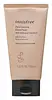 Key Ingredients
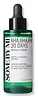
Benefits
Concerns
Ingredients Side-by-side
Water
Skin ConditioningGlycerin
Humectant


Myristic Acid
Cleansing

Stearic Acid
Cleansing
PEG-32
HumectantPotassium Hydroxide
BufferingButylene Glycol
Humectant
Palmitic Acid
Emollient
Lauric Acid
Cleansing
Hydrated Silica
Abrasive
Lauryl Glucoside
CleansingGlyceryl Stearate
Emollient
PEG-100 Stearate
Cocamidopropyl Betaine
Cleansing


Parfum
Masking

Zea Mays Starch
Absorbent
Polyquaternium-7
Sodium Chloride
MaskingMannitol
Humectant
Microcrystalline Cellulose
AbsorbentDisodium EDTA
Sodium Benzoate
Masking
Volcanic Ash
Abrasive
Silica
Abrasive
Lactic Acid
Buffering




Water, Glycerin, Myristic Acid, Stearic Acid, PEG-32, Potassium Hydroxide, Butylene Glycol, Palmitic Acid, Lauric Acid, Hydrated Silica, Lauryl Glucoside, Glyceryl Stearate, PEG-100 Stearate, Cocamidopropyl Betaine, Parfum, Zea Mays Starch, Polyquaternium-7, Sodium Chloride, Mannitol, Microcrystalline Cellulose, Disodium EDTA, Sodium Benzoate, Volcanic Ash, Silica, Lactic Acid
Water
Skin ConditioningCentella Asiatica Extract 77%
Cleansing

Cetyl Ethylhexanoate
EmollientCaprylic/Capric Triglyceride
Masking
Glycerin
Humectant
Olea Europaea Fruit Oil
Masking
Propanediol
Solvent
Alcohol
Antimicrobial


Butylene Glycol
Humectant
1,2-Hexanediol
Skin Conditioning
Niacinamide
Smoothing

Melaleuca Alternifolia Leaf Water
AntimicrobialCamellia Sinensis Leaf Extract
Antimicrobial
Scutellaria Baicalensis Root Extract
Astringent
Polygonum Cuspidatum Root Extract
Antioxidant
Glycyrrhiza Glabra Root Extract
Bleaching
Chamomilla Recutita Flower Extract
Masking
Rosmarinus Officinalis Leaf Extract
AntimicrobialSodium Lactate
Buffering
Sodium PCA
Humectant
Citric Acid
Buffering
Lactic Acid
Buffering
Malic Acid
Buffering
Glycolic Acid
Buffering
Pyruvic Acid
MaskingTartaric Acid
Buffering
Gaultheria Procumbens Leaf Extract
Perfuming
Lactobionic Acid
Buffering
Pentylene Glycol
Skin Conditioning
Vaccinium Macrocarpon Fruit Extract
AstringentLavandula Angustifolia Extract
Skin Conditioning
Ocimum Basilicum Leaf Extract
Skin ConditioningSyringa Vulgaris Extract
Skin ConditioningHouttuynia Cordata Extract
Skin Conditioning
Angelica Keiskei Extract
Antioxidant
Althaea Officinalis Root Extract
Skin Conditioning
Rosmarinus Officinalis Extract
AntimicrobialMadecassoside
Antioxidant
Camellia Oleifera Seed Oil
Skin Conditioning
Oryza Sativa Bran Oil
Emollient
Camellia Sinensis Seed Oil
Humectant
Rosa Canina Fruit Oil
Emollient
Prunus Amygdalus Dulcis Oil
Skin Conditioning
Limnanthes Alba Seed Oil
Skin Conditioning
Sodium Chloride
MaskingCitrus Paradisi Peel Oil
Masking
Citrus Aurantium Dulcis Peel Oil
Masking
Curcuma Longa Root Extract
Masking
Melia Azadirachta Leaf Extract
Skin ConditioningMelia Azadirachta Flower Extract
Skin ConditioningXanthan Gum
EmulsifyingPelargonium Graveolens Flower Oil
Masking
Boswellia Carterii Oil
Masking
Melia Azadirachta Bark Extract
AntimicrobialPearl Powder
Amyris Balsamifera Bark Oil
Masking
Moringa Oleifera Seed Oil
Emollient
Ocimum Sanctum Leaf Extract
Skin ConditioningOcimum Basilicum Flower/Leaf Extract
TonicDisodium EDTA
Caprylyl Glycol
Emollient
Ethylhexylglycerin
Skin ConditioningWater, Centella Asiatica Extract 77%, Cetyl Ethylhexanoate, Caprylic/Capric Triglyceride, Glycerin, Olea Europaea Fruit Oil, Propanediol, Alcohol, Butylene Glycol, 1,2-Hexanediol, Niacinamide, Melaleuca Alternifolia Leaf Water, Camellia Sinensis Leaf Extract, Scutellaria Baicalensis Root Extract, Polygonum Cuspidatum Root Extract, Glycyrrhiza Glabra Root Extract, Chamomilla Recutita Flower Extract, Rosmarinus Officinalis Leaf Extract, Sodium Lactate, Sodium PCA, Citric Acid, Lactic Acid, Malic Acid, Glycolic Acid, Pyruvic Acid, Tartaric Acid, Gaultheria Procumbens Leaf Extract, Lactobionic Acid, Pentylene Glycol, Vaccinium Macrocarpon Fruit Extract, Lavandula Angustifolia Extract, Ocimum Basilicum Leaf Extract, Syringa Vulgaris Extract, Houttuynia Cordata Extract, Angelica Keiskei Extract, Althaea Officinalis Root Extract, Rosmarinus Officinalis Extract, Madecassoside, Camellia Oleifera Seed Oil, Oryza Sativa Bran Oil, Camellia Sinensis Seed Oil, Rosa Canina Fruit Oil, Prunus Amygdalus Dulcis Oil, Limnanthes Alba Seed Oil, Sodium Chloride, Citrus Paradisi Peel Oil, Citrus Aurantium Dulcis Peel Oil, Curcuma Longa Root Extract, Melia Azadirachta Leaf Extract, Melia Azadirachta Flower Extract, Xanthan Gum, Pelargonium Graveolens Flower Oil, Boswellia Carterii Oil, Melia Azadirachta Bark Extract, Pearl Powder, Amyris Balsamifera Bark Oil, Moringa Oleifera Seed Oil, Ocimum Sanctum Leaf Extract, Ocimum Basilicum Flower/Leaf Extract, Disodium EDTA, Caprylyl Glycol, Ethylhexylglycerin
Reviews
Ingredients Explained
These ingredients are found in both products.
Ingredients higher up in an ingredient list are typically present in a larger amount.
Butylene Glycol (or BG) is used within cosmetic products for a few different reasons:
Overall, Butylene Glycol is a safe and well-rounded ingredient that works well with other ingredients.
Though this ingredient works well with most skin types, some people with sensitive skin may experience a reaction such as allergic rashes, closed comedones, or itchiness.
Learn more about Butylene GlycolDisodium EDTA is a chelating agent. It grabs onto and deactivates metal ions that sneak into your products from water, packaging, or air.
This ingredient mainly works behind the scenes and helps with:
On top of that, this ingredient can counteract the effects of hard water by binding to the minerals in it.
One thing worth knowing is that Disodium EDTA has been shown to be a mild penetration enhancer. It can help other ingredients absorb into skin more effectively which can be a double-edged sword (great for actives, but can also make the active too strong if you have sensitive skin).
Clinical patch testing showed no significant skin irritation at typical use concentrations and minimal dermal absorption.
You'll most likely see this ingredient near the end of an ingredient list. It's typically found in concentrations less than 1%.
Learn more about Disodium EDTAGlycerin (or glycerol) is a compound naturally found in your skin. It's a powerhouse humectant that pulls water into the stratum corneum.
Topically, glycerin does several things at once:
Your skin makes glycerin on its own (mostly from sebaceous oil breakdown) and shuttles it to your outermost layer of skin, or your epidermis, via aquaporin-3.
Aquaporin-3 is a transporter that is essential for normal skin hydration, elasticity, and repair. Interestingly, mice lacking in AQP3 have dry and less elastic skin that can be fully corrected with glycerin.
This ingredient is non-irritating, plays well with almost every ingredient, and works across all skin types. Typical use is anywhere between 3-10% but can go up to 79% in some leave-on products.
Just know very high concentrations (>40%) can feel tacky in low humidity.
Glycerin is the name for this ingredient in American English. British English uses Glycerol/Glycerine.
Learn more about GlycerinLactic Acid is another well-loved alpha hydroxy acid (AHA). It is gentler than glycolic acid but still highly effective.
Its main role is to exfoliate the surface of the skin by loosening the “glue” that holds dead skin cells together. Shedding those old cells leads to smoother, softer, and more even-toned skin.
Because lactic acid molecules are larger than glycolic acid, they don’t penetrate as deeply. This means they’re less likely to sting or irritate, making it a great choice for beginners or those with sensitive skin.
Like glycolic acid, it can:
Lactic acid also acts as a humectant (like hyaluronic acid). It can draw water into the skin to improve hydration and also plays a role in the skin's natural moisturizing factor (NMF) in the form of sodium lactate.
Studies show it can boost ceramide production to strengthen the skin barrier and even help balance the skin’s microbiome.
To get results, choose products with a pH between 3-4.
Lower strengths (5-12%) focus on surface exfoliation; higher strengths (12% and up) can reach deeper in the dermis (deeper, supportive layer) to improve skin texture and firmness over time.
Though it was originally derived from milk, most modern lactic acid used in skincare is vegan. It is made through non-dairy fermentation to create a bio-identical and stable form suitable for all formulations.
When lactic acid shows up near the end of an ingredient list, it usually means the brand added just a tiny amount to adjust the product’s pH.
Legend has it that Cleopatra used to bathe in sour milk to help reduce wrinkles.
Lactic acid is truly a gentle multitasker: it exfoliates, hydrates, strengthens, and brightens. It's a great ingredient for giving your skin a smooth, glowing, and healthy look without the harshness of stronger acids.
Read more about some other popular AHA's here:
Learn more about Lactic AcidChances are, you eat sodium chloride every day. Sodium Chloride is also known as table salt. This ingredient has many purposes in skincare: thickener, emulsifier, and exfoliator.
You'll most likely find this ingredient in cleansers where it is used to create a gel-like texture. As an emulsifier, it also prevents ingredients from separating.
You might see people debate whether Sodium Chloride is comedogenic, but there actually haven't been any comedogenic tests done on it. Either way, the overall formulation of a product matters a lot more than any single ingredient.
You might see this ingredient used in scrubs as a primary exfoliating ingredient.
Learn more about Sodium ChlorideWater. It's the most common cosmetic ingredient of all. You'll usually see it at the top of ingredient lists, meaning that it makes up the largest part of the product.
So why is it so popular? Water most often acts as a solvent - this means that it helps dissolve other ingredients into the formulation.
You'll also recognize water as that liquid we all need to stay alive. If you see this, drink a glass of water. Remember to stay hydrated!
Learn more about Water
