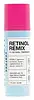
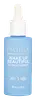
iNNBEAUTY PROJECT Retinol Remix 1% Retinol Treatment Versus Pacifica Wake Up Beautiful Retinoid Serum
This anti-aging serum is formulated around Tranexamic Acid and Retinol to soften the look of wrinkles and refine skin texture.
This anti-aging serum is formulated around Hydroxypinacolone Retinoate to soften the look of wrinkles and refine skin texture.

What's inside
What's inside
 Key Ingredients
Benefits
Concerns
Ingredients Side-by-side
Water
Skin ConditioningGlycerin
Humectant


Stearic Acid
Cleansing


Coco-Caprylate
Emollient
Coconut Alkanes
Emollient

Glycine Soja Oil
Emollient


Dimethicone
Emollient
Caprylic/Capric Triglyceride
Masking
Cetearyl Alcohol
Emollient
Arachidyl Alcohol
Emollient
Bis-Diglyceryl Polyacyladipate-2
Emollient
Propanediol
Solvent
Hydrogenated Polydecene
EmollientTranexamic Acid
Astringent


Glyceryl Oleate Citrate
Emulsifying
Retinol
Skin Conditioning






Retinal
Skin Conditioning
N-Prolyl Palmitoyl Tripeptide-56 Acetate
Skin Conditioning
Hydroxypinacolone Retinoate
Skin Conditioning
Tasmannia Lanceolata Fruit/Leaf Extract
Antioxidant
Centella Asiatica Leaf Extract
Skin Conditioning
Hyaluronic Acid
Humectant
Sodium Hyaluronate
Humectant
Calendula Officinalis Flower Extract
Masking
Anthemis Nobilis Flower Oil
Masking
Oryza Sativa Bran Extract
Skin Conditioning
Simmondsia Chinensis Seed Oil
Emollient
Haematococcus Pluvialis Extract
Antioxidant
Chamomilla Recutita Flower Extract
Masking
Helianthus Annuus Extract
Emollient
Rosmarinus Officinalis Leaf Extract
AntimicrobialHelianthus Annuus Seed Oil
Emollient
Carthamus Tinctorius Seed Oil
Masking
Acacia Senegal Gum
MaskingXanthan Gum
EmulsifyingCoco-Glucoside
Cleansing
Tetrahexyldecyl Ascorbate
Antioxidant
Glucose
Humectant
Xanthophylls
Skin ConditioningLecithin
Emollient
Coco-Caprylate/Caprate
Emollient
Caprylyl Glycol
Emollient
1,2-Hexanediol
Skin Conditioning
Cellulose Gum
Emulsion StabilisingSorbitan Isostearate
Emulsifying
Hydroxyethyl Acrylate/Sodium Acryloyldimethyl Taurate Copolymer
Emulsion StabilisingBehenyl Alcohol
Emollient
Hydroxyacetophenone
Antioxidant
Arachidyl Glucoside
EmulsifyingDimethyl Isosorbide
SolventMicrocrystalline Cellulose
AbsorbentPentylene Glycol
Skin Conditioning
Sodium Phytate
ChelatingTocopherol
Antioxidant
Water, Glycerin, Stearic Acid, Coco-Caprylate, Coconut Alkanes, Glycine Soja Oil, Dimethicone, Caprylic/Capric Triglyceride, Cetearyl Alcohol, Arachidyl Alcohol, Bis-Diglyceryl Polyacyladipate-2, Propanediol, Hydrogenated Polydecene, Tranexamic Acid, Glyceryl Oleate Citrate, Retinol, Retinal, N-Prolyl Palmitoyl Tripeptide-56 Acetate, Hydroxypinacolone Retinoate, Tasmannia Lanceolata Fruit/Leaf Extract, Centella Asiatica Leaf Extract, Hyaluronic Acid, Sodium Hyaluronate, Calendula Officinalis Flower Extract, Anthemis Nobilis Flower Oil, Oryza Sativa Bran Extract, Simmondsia Chinensis Seed Oil, Haematococcus Pluvialis Extract, Chamomilla Recutita Flower Extract, Helianthus Annuus Extract, Rosmarinus Officinalis Leaf Extract, Helianthus Annuus Seed Oil, Carthamus Tinctorius Seed Oil, Acacia Senegal Gum, Xanthan Gum, Coco-Glucoside, Tetrahexyldecyl Ascorbate, Glucose, Xanthophylls, Lecithin, Coco-Caprylate/Caprate, Caprylyl Glycol, 1,2-Hexanediol, Cellulose Gum, Sorbitan Isostearate, Hydroxyethyl Acrylate/Sodium Acryloyldimethyl Taurate Copolymer, Behenyl Alcohol, Hydroxyacetophenone, Arachidyl Glucoside, Dimethyl Isosorbide, Microcrystalline Cellulose, Pentylene Glycol, Sodium Phytate, Tocopherol
Water
Skin ConditioningPropanediol
Solvent
Helianthus Annuus Seed Oil
Emollient
Cetearyl Olivate
Sorbitan Olivate
Emulsifying
Hydroxypinacolone Retinoate
Skin Conditioning
Rosa Centifolia Flower Extract
Astringent
Calendula Officinalis Flower Extract
Masking
Chamomilla Recutita Flower Extract
Masking
Ganoderma Lucidum Extract
Skin Protecting
Trametes Versicolor Extract
Chenopodium Quinoa Seed Extract
Skin Conditioning
Melatonin
Antioxidant
Oryza Sativa Bran Extract
Skin Conditioning
Helianthus Annuus Extract
Emollient
Rosmarinus Officinalis Leaf Extract
AntimicrobialTocopherol
Antioxidant
Glycerin
Humectant
Linoleic Acid
Cleansing
Phytosterols
Skin Conditioning
Phospholipids
Skin Conditioning
Jojoba Esters
Emollient
Caprylic/Capric Triglyceride
Masking
Sodium Hyaluronate
Humectant
Xanthan Gum
EmulsifyingAcacia Senegal Gum
MaskingSodium Gluconate
ChelatingDimethyl Isosorbide
SolventMethylheptylglycerin
HumectantCaprylhydroxamic Acid
ChelatingCaprylyl Glycol
Emollient
Citric Acid
Buffering
Water, Propanediol, Helianthus Annuus Seed Oil, Cetearyl Olivate, Sorbitan Olivate, Hydroxypinacolone Retinoate, Rosa Centifolia Flower Extract, Calendula Officinalis Flower Extract, Chamomilla Recutita Flower Extract, Ganoderma Lucidum Extract, Trametes Versicolor Extract, Chenopodium Quinoa Seed Extract, Melatonin, Oryza Sativa Bran Extract, Helianthus Annuus Extract, Rosmarinus Officinalis Leaf Extract, Tocopherol, Glycerin, Linoleic Acid, Phytosterols, Phospholipids, Jojoba Esters, Caprylic/Capric Triglyceride, Sodium Hyaluronate, Xanthan Gum, Acacia Senegal Gum, Sodium Gluconate, Dimethyl Isosorbide, Methylheptylglycerin, Caprylhydroxamic Acid, Caprylyl Glycol, Citric Acid
Reviews
Ingredients Explained
These ingredients are found in both products.
Ingredients higher up in an ingredient list are typically present in a larger amount.
Acacia Senegal Gum has skin soothing, thickening, and formulation stabilizing properties. It comes from the Acacia tree that is native to sub-Saharan Africa.
Calendula Officinalis Flower Extract comes from the marigold flower and has been used on skin for centuries for its calming effect.
In the lab, its active compounds appear to calm inflammation and support the early "healing" phase of minor wounds.
This is why Europe's medicines regulator has approved calendula extracts as a traditional remedy for minor skin inflammation and healing small wounds.
The stronger human evidence is around would/ulcer care rather than everyday cosmetic claims; a review that pulled together 14 studies found that calendula helped calm the early, inflamed stage of a wound and helped new skin tissue form faster.
Two studies also showed it shrank leg ulcers (the kind caused by poor circulation). Results were mixed for burns and for the skin irritation people get from radiation treatment, so it's not a sure thing there.
In cosmetics, it's mostly a skin conditioning and soothing agent.
The Cosmetic Ingredient Review panel concluded that calendula-derived ingredients are safe as used and that the ingredients are not irritating, sensitizing, or photosensitizing in clinical tests (though they may be mild eye irritants).
Typical use levels are quite low; industry data reported it used at under 0.5% (one supplier noted a 10-25% extract blend used at 1-10% in the finished product). Historical use goes up to 10%.
The only thing to keep in mind is if you have daisy/ragweed allergies. Calendula is in the same family and one patch-test study found 2% of dermatitis patients reacted to marigold. Be sure to patch test if you have sensitive or allergy-prone skin.
Learn more about Calendula Officinalis Flower ExtractCaprylic/Capric Triglyceride (aka MCT Oil) is a lightweight emollient, solvent, and texture enhancer. It is considered a skin-softener by helping to prevent moisture loss.
Though it behaves like an oil, it is not technically one due to its chemical composition. One perk of this ingredient is that it is very stable, resistant to oxidation, and unlikely to go rancid.
In practice, that translates to a long shelf life and a consistently elegant skin feel.
While there is an assumption Caprylic Triglyceride can clog pores due to it being derived from coconut oil, there is no research supporting this. Just patch test if you have concerns.
Fractionated coconut oil and MCT Oil are both listed as Caprylic/Capric Triglyceride according to INCI. This is because INCI names are based on the ingredient’s final chemical composition and not its marketing name or source.
This ingredient is treated as the gold standard fungal acne safe oil. Even though it is coconut derived, the problematic lauric acid is stripped out.
This leaves just caprylic (C8) and capric (C10) acid. These chain lengths actually trend antifungal; a 2020 study found caprylic acid was enough to disrupt Malassezia furfur cell membrane, with a caprylic acid derivative damaging membrane structures at concentrations as low as 0.2%.
Learn more about Caprylic/Capric TriglycerideCaprylyl Glycol is a humectant, skin conditioner, emollient, and preservative booster derived from either caprylic acid or synthetically created.
Typical use levels vary from 0.3-1% as a preservative booster and go up to 2% to condition skin.
Because it is not a free-fatty acid, this ingredient is fungal acne safe (there's nothing for Malassezia to feed on).
Learn more about Caprylyl GlycolChamomilla Recutita Flower Extract comes from the Chamomile flower.
Chamomile is rich in antioxidants and has anti-inflammatory properties. Several compounds found in chamomile help with soothing, such as bisbolol.
Antioxidant components in chamomile make it an effective ingredient to help slow the signs of aging. Antioxidants help fight free-radical molecules, or molecules that may damage your skin.
Essential oils from chamomile have been found to improve wound healing due to its antimicrobial properties.
Ancient Greeks and Egyptians used Chamomile to treat skin redness and dryness. Chamomile has also been used to help treat stomach issues.
Learn more about Chamomilla Recutita Flower ExtractDimethyl Isosorbide (often shortened to DMI) is a sugar-derived solvent made from sorbitol. It's used to dissolve tricky ingredients and help them mix smoothly into a formula.
Many actives sit as gritty crystals when undissolved, so DMI swoops in to full dissolve them. This helps improve texture, stability, and how evenly an active is distributed.
It does have a penetration-enhancing reputation that is a bit more nuanced than marketing suggests; a cell study on human skin found that 10% DMI didn't significantly boost the permeation of Hydroquinone, Salicylic Acid, or Octadecenedioic Acid compared to controls (though it did improve their solubility in the formula itself).
Typical usage concentrations usually range from 1-10% depending on the formula's needs; this ingredient is also well tolerated at these levels.
Learn more about Dimethyl IsosorbideGlycerin (or glycerol) is a compound naturally found in your skin. It's a powerhouse humectant that pulls water into the stratum corneum.
Topically, glycerin does several things at once:
Your skin makes glycerin on its own (mostly from sebaceous oil breakdown) and shuttles it to your outermost layer of skin, or your epidermis, via aquaporin-3.
Aquaporin-3 is a transporter that is essential for normal skin hydration, elasticity, and repair. Interestingly, mice lacking in AQP3 have dry and less elastic skin that can be fully corrected with glycerin.
This ingredient is non-irritating, plays well with almost every ingredient, and works across all skin types. Typical use is anywhere between 3-10% but can go up to 79% in some leave-on products.
Just know very high concentrations (>40%) can feel tacky in low humidity.
Glycerin is the name for this ingredient in American English. British English uses Glycerol/Glycerine.
Learn more about GlycerinHelianthus Annuus Extract comes from the common sunflower.
Sunflowers are rich in vitamin E. Studies show sunflowers contain antimicrobial and antioxidant properties.
The fatty acids found in sunflowers include (from highest amount to least): linoleic acid, myristic acid, palmitic acid, stearic acid, arachidic acid, oleic acid, and linolenic acid.
These fatty acids hydrate your skin. Emollients create a film on the skin to prevent moisture from escaping.
Learn more about Helianthus Annuus ExtractHelianthus Annuus Seed Oil is a plant oil derived from the seeds of a sunflower.
It is rich in fatty acids, primarily linoleic acid and oleic acid. This gives it emollient and skin conditioning properties.
The reason this ingredient is so effective is because it forms a thin film on the skin that reduces transepidermal water loss (TEWL) while supplying linoleic acid to the stratum corneum to improve barrier strength.
The high linoleic acid content is particularly noteworthy for acne-prone skin.
Research suggests that acne-prone skin tends to be deficient in linoleic acid in sebum. Topical application may help replenish this to support a healthier follicular environment and less comedone-promoting sebum.
One randomized study found sunflower seed oil preserved skin barrier integrity in adult volunteers with and without atopic dermatitis (outperforming olive oil).
This ingredient is well-studied, gentle, and an effective emollient suitable for most skin types.
On fungal acne: This ingredient may not be Fungal acne (Malassezia folliculitis) safe. This is because it contains fatty acids with carbon chain lengths in the C11-C24 range.
Learn more about Helianthus Annuus Seed OilHydroxypinacolone Retinoate (aka Granactive Retinoid or HPR) is a retinoid that is part of the same vitamin A family as retinol.
It is an ester of retinoic acid that binds directly to your skin's retinoic acid receptors so it doesn't need your skin to convert it through several steps before it can do anything.
In practice, this means it does the classic retinoid jobs in a formula:
The best part is that it can do all this with noticeably less redness, flaking, and stinging than traditional retinoids.
That gentle reputation is backed by lab work as well; a 2018 study on skin models found that HPR triggered higher retinoid-gene activity than retinol, retinal, or retinyl propionate at the same concentrations while being less irritating to cells.
It also boosted procollagen production to levels similar to retinoic acid itself.
A 2023 study showed HPR works synergistically with retinyl propionate to switch on collagen-building pathways and a 2025 clinical serum study in women with mild photoaging saw improvements in wrinkles and elasticity (though that formula also contained retinol, peptides, and Silybin).
One naming quirk worth mentioning:
You'll likely see this ingredient sold under the trade name "Granactive Retinoid", which is actually only 10% HPR blended with 90% Dimethyl Isosorbide solvent. This means a 5% Granactive Retinoid really only means about 0.5% HPR.
Finished products typically land somewhere between 0.05-1% and it's happiest formulated at a mildly acidic to neutral pH (~5.5-6.5).
Another perk is that this is one of the more light- and temperature-stable retinoids which is a nice bonus for shelf life.
Learn more about Hydroxypinacolone RetinoateOryza Sativa Bran Extract comes from the outer layer of a rice kernel. It is a byproduct of milling rice, or the operation to produce a whole grain rice product.
This ingredient has moisturizing properties due to its components of polysaccharides and omega-3 fatty acids. It also contains calcium, selenium, phosphorus, iron, and zinc.
Oryza Sativa Bran Extract contains numerous antioxidants such as ferulic acid. Antioxidants help fight free-radical molecules. Free-radical molecules are capable of damaging our cells and other genetic material.
Learn more about Oryza Sativa Bran ExtractPropanediol is an all-star ingredient. It softens, hydrates, and smooths the skin.
It’s often used to:
Propanediol is not likely to cause sensitivity and considered safe to use. It is derived from corn or petroleum with a clear color and no scent.
Learn more about PropanediolThis is a botanical extract from the rosemary plant (the same one you cook with). In skincare, it mostly works as a skin conditioning agent.
Its activity comes from a handful of polyphenols, carnosic acid, carnosol, and rosmarinic acid. Almost 90% of the antioxidant activity of this ingredient can be attributed to canosol and carnosic acid.
These compounds protect your skin two ways:
1) They fight off free radicals, or the unstable molecules from things like sun and pollution that age and damage skin.
2) They help calm inflammation by switching off the chemical signals that tell skin to get red and irritated.
Lab studies also suggest that rosmarinic acid may help protect collagen and slow sugar-related damage to it.
The Cosmetic Ingredient Review has concluded rosemary-derived ingredients to be safe when formulated to be non-sensitizing.
Rosemary can occasionally cause allergic contact dermatitis (due to carnosol), so be sure to patch test if you have reactive or fragrance-sensitive skin.
Learn more about Rosmarinus Officinalis Leaf ExtractSodium Hyaluronate is the salt form of hyaluronic acid. It is a long sugar chain that is naturally found in your skin, joints, and connective tissue that maintains hydration and elasticity.
In skincare, it works as a humectant. It pulls water from the environment and deeper layers of skin and binds it to the surface.
Interestingly, the size of the molecule affects its behavior:
Some clinical evidence links low molecular weight versions to improved wrinkle depth, elasticity, anti-inflammatory effects, and barrier repair.
Many serums use a blend of both weights so you can get surface hydration plus longer-lasting and deeper effects.
You'll typically see concentrations between 0.1-2% for this ingredient.
Learn more about Sodium HyaluronateTocopherol is a fat-soluble antioxidant known as Vitamin E.
You'll find this ingredient in the vast majority of skincare (for good reason). It works to neutralize free radicals, or unstable molecules generated by UV exposure, pollution, and other environmental stressors, before they can cause oxidative damage to your skin cells.
Topically applied tocopherol has been shown to protect against UV damage by ramping up the skin's own natural defense enzymes.
It also acts as a skin conditioning agent; some studies show that regular topical use can improve the skin's water-binding capacity over 2-4 weeks.
This ingredient is especially loved for being a team player. When combined with Vitamin C, the photoprotective effect of both ingredients roughly doubles and the combo also helps reduce UV-induced DNA damage.
This ingredient has some brightening potential but it's more of a prevention ingredient than spot-fader. Cell studies show it can slow down melanin production but it's worth noting that it's not the most powerful brightener out there.
In formulations, it also serves as a stabilizer that helps protect other oxidation-prone ingredients from degrading.
Concentrations usually range from 0.1-1% in most leave-on products.
Learn more about TocopherolWater. It's the most common cosmetic ingredient of all. You'll usually see it at the top of ingredient lists, meaning that it makes up the largest part of the product.
So why is it so popular? Water most often acts as a solvent - this means that it helps dissolve other ingredients into the formulation.
You'll also recognize water as that liquid we all need to stay alive. If you see this, drink a glass of water. Remember to stay hydrated!
Learn more about WaterXanthan gum is used as a stabilizer and thickener within cosmetic products. It helps give products a sticky, thick feeling - preventing them from being too runny.
On the technical side of things, xanthan gum is a polysaccharide - a combination consisting of multiple sugar molecules bonded together.
Xanthan gum is a pretty common and great ingredient. It is a natural, non-toxic, non-irritating ingredient that is also commonly used in food products.
Learn more about Xanthan Gum

