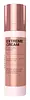
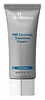
iNNBEAUTY PROJECT Extreme Cream Firming & Lifting Moisturizer Versus SkinMedica TNS Ceramide Treatment Cream
This anti-aging moisturizer is formulated around Squalane and Nicotiana Benthamiana Hexapeptide-40 Sh-Polypeptide-76 to soften the look of wrinkles and strengthen the skin barrier.
This barrier-repair moisturizer is formulated around Hydroxypropyl Bispalmitamide Mea and Avena Sativa Kernel Extract to strengthen the skin barrier.

What's inside
What's inside
 Key Ingredients
Benefits
Concerns
Ingredients Side-by-side
Water
Skin ConditioningC13-15 Alkane
SolventSqualane
Emollient


Propanediol
Solvent
Polyglyceryl-5 Polyricinoleate
Emulsifying

Bisabolol
Antioxidant



Coco-Caprylate/Caprate
Emollient
Glycerin
Humectant
Magnesium Sulfate
Panthenol
Skin Conditioning
Glyceryl Behenate
Emollient
1,2-Hexanediol
Skin Conditioning
Butylene Glycol
Humectant
Heptapeptide-7
Skin Conditioning
Acetyl Sh-Hexapeptide-5 Amide Acetate
Skin Conditioning
Nicotiana Benthamiana Hexapeptide-40 Sh-Polypeptide-76
Skin Conditioning
Ceramide AP
Skin Conditioning
Ceramide EOP
Skin Conditioning
Ceramide NP
Skin Conditioning
Tremella Fuciformis Extract
Humectant
Allantoin
Skin Conditioning
Oryza Sativa Bran Oil
Emollient
Arginine
Masking
Glycosphingolipids
EmollientPhytosphingosine
Skin Conditioning
Cholesterol
Emollient
Tetraacetylphytosphingosine
Skin ConditioningPolyglyceryl-6 Octastearate
EmulsifyingStearic Acid
Cleansing
Cetearyl Alcohol
Emollient


Glyceryl Glucoside
Humectant
Glyceryl Stearate
Emollient
Hydrogenated Polydecene
EmollientHydrogenated Lecithin
Emulsifying
Lecithin
Emollient
Xanthan Gum
EmulsifyingTocopherol
Antioxidant


Carnosine
Skin Conditioning
Potassium Sorbate
Preservative
Sodium Benzoate
Masking
Phenoxyethanol
Preservative
Citric Acid
Buffering
Quaternium-90 Bentonite
Mica
Cosmetic ColorantTriethyl Citrate
Masking

Zinc Stearate
Cosmetic ColorantEthylhexylglycerin
Skin ConditioningGluconolactone
Skin Conditioning




Calcium Gluconate
HumectantHydroxyacetophenone
Antioxidant
Water, C13-15 Alkane, Squalane, Propanediol, Polyglyceryl-5 Polyricinoleate, Bisabolol, Coco-Caprylate/Caprate, Glycerin, Magnesium Sulfate, Panthenol, Glyceryl Behenate, 1,2-Hexanediol, Butylene Glycol, Heptapeptide-7, Acetyl Sh-Hexapeptide-5 Amide Acetate, Nicotiana Benthamiana Hexapeptide-40 Sh-Polypeptide-76, Ceramide AP, Ceramide EOP, Ceramide NP, Tremella Fuciformis Extract, Allantoin, Oryza Sativa Bran Oil, Arginine, Glycosphingolipids, Phytosphingosine, Cholesterol, Tetraacetylphytosphingosine, Polyglyceryl-6 Octastearate, Stearic Acid, Cetearyl Alcohol, Glyceryl Glucoside, Glyceryl Stearate, Hydrogenated Polydecene, Hydrogenated Lecithin, Lecithin, Xanthan Gum, Tocopherol, Carnosine, Potassium Sorbate, Sodium Benzoate, Phenoxyethanol, Citric Acid, Quaternium-90 Bentonite, Mica, Triethyl Citrate, Zinc Stearate, Ethylhexylglycerin, Gluconolactone, Calcium Gluconate, Hydroxyacetophenone
Water
Skin ConditioningCetyl Ethylhexanoate
EmollientCetearyl Alcohol
Emollient
Hydroxypropyl Bispalmitamide Mea
Emollient
Human Neonatal Fibroblast Conditioned Media
Skin ConditioningDimethicone
Emollient
Olea Europaea Fruit Oil
Masking
Glycine Soja Oil
Emollient
Glycerin
Humectant
Cetearyl Glucoside
Emulsifying
Palmitoyl Oligopeptide
Cleansing
Palmitoyl Tetrapeptide-7
Skin Conditioning
Tetrahexyldecyl Ascorbate
Antioxidant
Avena Sativa Kernel Extract
Abrasive
Glycine Soja Sterols
Emollient
Retinyl Palmitate
Skin Conditioning
Tocopheryl Acetate
Antioxidant
Sodium Carboxymethyl Beta-Glucan
CleansingSqualane
Emollient
Allantoin
Skin Conditioning
Bisabolol
Antioxidant
Panthenol
Skin Conditioning
Sodium Hyaluronate
Humectant
Xanthan Gum
EmulsifyingGlyceryl Stearate
Emollient
PEG-100 Stearate
Surfactant
Isoceteth-20
EmulsifyingButylene Glycol
Humectant
Ethoxydiglycol
HumectantCarbomer
Emulsion StabilisingDisodium EDTA
Ethylhexylglycerin
Skin ConditioningPhenoxyethanol
Preservative
Caprylyl Glycol
Emollient
Caprylhydroxamic Acid
Potassium Sorbate
Preservative
Water, Cetyl Ethylhexanoate, Cetearyl Alcohol, Hydroxypropyl Bispalmitamide Mea, Human Neonatal Fibroblast Conditioned Media, Dimethicone, Olea Europaea Fruit Oil, Glycine Soja Oil, Glycerin, Cetearyl Glucoside, Palmitoyl Oligopeptide, Palmitoyl Tetrapeptide-7, Tetrahexyldecyl Ascorbate, Avena Sativa Kernel Extract, Glycine Soja Sterols, Retinyl Palmitate, Tocopheryl Acetate, Sodium Carboxymethyl Beta-Glucan, Squalane, Allantoin, Bisabolol, Panthenol, Sodium Hyaluronate, Xanthan Gum, Glyceryl Stearate, PEG-100 Stearate, Isoceteth-20, Butylene Glycol, Ethoxydiglycol, Carbomer, Disodium EDTA, Ethylhexylglycerin, Phenoxyethanol, Caprylyl Glycol, Caprylhydroxamic Acid, Potassium Sorbate
Reviews
Ingredients Explained
These ingredients are found in both products.
Ingredients higher up in an ingredient list are typically present in a larger amount.
Allantoin is a soothing ingredient known for its protective and moisturizing properties; it's basically a quiet workhorse ingredient you can find in a huge range of cosmetics.
Though it can be derived from the comfrey plant, allantoin is produced synthetically for cosmetic products to ensure purity.
Research shows it can encourage your skin cells to turn over and renew by stimulating keratinocyte and fibroblast proliferation.
It also has mild keratolytic properties to help loosen and shed dead skin cells without being harsh.
Studies also suggest allantoin can help calm inflammation by dialing down some of the chemical signals your skin sends out when it is irritated.
This ingredient is typically used in the 0.1-0.5% range, and the FDA recognizes it as a skin protectant in OTC products up to 2%.
Overall, allantoin is a wonderful addition to most routines; it is stable across a wide pH range (~4-8), works well with other ingredients, and is considered non-sensitizing/non-irritating.
Fun fact: Allantoin is naturally occurring in comfrey root, beets, chamomile, and wheat sprouts. Our bodies even produce it as a byproduct of uric acid metabolism.
Learn more about AllantoinBisabolol is a gentle skin conditioner, antioxidant, and soothing ingredient.
It's primary claim to fame is soothing and research shows topically applied bisabolol can quiet the chemical messengers that cause your skin to become inflamed, helping to sooth any irritation.
A clinical study found that applying 0.5% bisabolol daily for 8 weeks produced an average 9% decrease in skin pigmentation. Researchers found it can also suppress the process that leads to excess melanin production in skin.
In vitro studies found that bisabolol combined with propylene glycol significantly increased skin permeability by increasing lipid fluidity in the stratum corneum.
You'll likely see use concentrations quite low, usually 0.1-0.2%.
Overall, this is a well-tolerated ingredient that works well in formulas designed for sensitive, reactive, or post-procedure skin.
Learn more about BisabololButylene Glycol (or BG) is used within cosmetic products for a few different reasons:
Overall, Butylene Glycol is a safe and well-rounded ingredient that works well with other ingredients.
Though this ingredient works well with most skin types, some people with sensitive skin may experience a reaction such as allergic rashes, closed comedones, or itchiness.
Learn more about Butylene GlycolCetearyl alcohol is a waxy mixture of two fatty alcohols: cetyl alcohol and stearyl alcohol. It is an emollient and emulsifier.
Despite having "alcohol" in its name, it has nothing to do with drying solvent alcohols; the FDA also allows "alcohol-free" products to contain fatty alcohols like this ingredient.
It plays several roles in a formula:
Typical use levels for this ingredient sit around 1-10% and the Cosmetic Ingredient Review Expert Panel has affirmed safety at concentrations up to 25% in leave-on products.
Multiple assessments have found it to be non-irritating and non-sensitizing to most people.
However, there have been some cases of allergic contact dermatitis in patients with chronically compromised skin barriers.
Cetearyl alcohol has a comedogenic rating of 2 and irritancy rating of 1. Both of these numbers come from the 1989 study that used rabbit ears; a "2" means mildly comedogenic and a "1" means low irritancy.
Here's the catch: rabbit skin is more sensitive than human skin and throws a lot of false positives. A 1996 reappraisal found that ingredients rated 1-2 in the rabbit ear tests are generally safe for humans.
Remember comedogenic ratings are unable to assess the entire formula of a product or how it will react on your skin. Just be sure to patch test if you are unsure about certain ingredients.
This ingredient is not fungal acne safe. Cetearyl alcohol is a fatty alcohol with chain lengths that fall within the range that Malassezia can metabolize.
A 2019 study has also observed Malassezia growth in the presence of this ingredient, confirming it to be not-fungal acne safe.
Learn more about Cetearyl AlcoholEthylhexylglycerin is created from glycerin. It is a multitasker ingredient that:
The CIR Expert Panel found minimal skin absorption or sensitization of any kind in a safety assessment. Though this ingredient is considered well-tolerated, a small number of cases of allergic dermatitis have been published since 2002. Just be sure to patch test if you are unsure.
Industry-reported use ranges from 8% in rinse-off products and 2% in leave-on formulations.
Learn more about EthylhexylglycerinGlycerin (or glycerol) is a compound naturally found in your skin. It's a powerhouse humectant that pulls water into the stratum corneum.
Topically, glycerin does several things at once:
Your skin makes glycerin on its own (mostly from sebaceous oil breakdown) and shuttles it to your outermost layer of skin, or your epidermis, via aquaporin-3.
Aquaporin-3 is a transporter that is essential for normal skin hydration, elasticity, and repair. Interestingly, mice lacking in AQP3 have dry and less elastic skin that can be fully corrected with glycerin.
This ingredient is non-irritating, plays well with almost every ingredient, and works across all skin types. Typical use is anywhere between 3-10% but can go up to 79% in some leave-on products.
Just know very high concentrations (>40%) can feel tacky in low humidity.
Glycerin is the name for this ingredient in American English. British English uses Glycerol/Glycerine.
Learn more about GlycerinGlyceryl Stearate is made by reacting glycerin with stearic acid (typically sourced from plant oils like palm or coconut). It's an emulsifier, emollient, and mild occlusive.
Emulsifiers help ingredients like oil and water stay mixed so your formula stays nicely blended and uniform in texture.
This ingredient is typically used in concentrations between 1-10%. Studies have found it to be non-sensitizing, non-phototoxic, and non-photoallergenic.
A close cousin of this ingredient is Glyceryl Stearate SE ("self-emulsifying"). This just has a small amount of sodium or potassium stearate added so it can emulsify without a co-emulsifier.
Since this ingredient is an ester of a C18 fatty acid, it may not be fungal acne safe. The Malassezia yeast can potentially metabolize within the C11-C24 range.
Fun fact: The human body also creates Glyceryl Stearate naturally.
Learn more about Glyceryl StearatePanthenol is a common ingredient that helps hydrate and soothe the skin. It is found naturally in our skin and hair.
There are two forms of panthenol: D and L.
D-panthenol is also known as dexpanthenol. Most cosmetics use dexpanthenol or a mixture of D and L-panthenol.
Panthenol is famous due to its ability to go deeper into the skin's layers. Using this ingredient has numerous pros (and no cons):
Like hyaluronic acid, panthenol is a humectant. Humectants are able to bind and hold large amounts of water to keep skin hydrated.
This ingredient works well for wound healing. It works by increasing tissue in the wound and helps close open wounds.
Once oxidized, panthenol converts to pantothenic acid. Panthothenic acid is found in all living cells.
This ingredient is also referred to as pro-vitamin B5.
Learn more about PanthenolPhenoxyethanol is one of the most widely used preservatives in skincare (and for good reason!).
It has a large spectrum of antimicrobial activity and especially effective bacteria, yeast, and mold while only having a weak effect on your skin's natural microbiome.
On a cellular level, it disrupts the cell membranes of microbes by poking holes that make the cell leak. This shuts down the chemical reactions the microbe needs to make energy so it can no longer survive.
Another perk of this ingredient is that it stays functional across a wide pH range (3-10).
You'll often see it paired with boosters like Ethylhexylglycerin; one study showed that a 1:9 ratio of Ethylhexylglycerin to Phenoxyethanol damages bacterial membranes as effectively as doubling the Phenoxyethanol concentration on its own.
Typical use concentrations range from 0.3-1% depending on the formula, and this ingredient is capped at 1% int the EU.
Safety-wise, the fear mongering does not hold up to the evidence. The EU's Scientific Committee on Consumer Safety and FDA consider it safe as a preservative at up to 1%, including for children of all ages.
Adverse systemic effects only showed up in animal studies at exposures roughly 200x higher than what people get from cosmetics. And despite its very widespread use, this ingredient is a rare sensitizer and allergic reactions are uncommon.
Learn more about PhenoxyethanolPotassium Sorbate is a preservative used to prevent yeast and mold in products. It is commonly found in both cosmetic and food products.
This ingredient comes from potassium salt derived from sorbic acid. Sorbic acid is a natural antibiotic and effective against fungus.
Both potassium sorbate and sorbic acid can be found in baked goods, cheeses, dried meats, dried fruit, ice cream, pickles, wine, yogurt, and more.
You'll often find this ingredient used with other preservatives.
Learn more about Potassium SorbateSqualane is the hydrogenated and shelf-stable form of squalene (a lipid that naturally occurs in human sebum).
It is an emollient and skin conditioning agent that is able to integrate seamlessly into the skin's lipid barrier without clogging pores.
This is due to how structurally similar it is to what your skin already produces.
Though it is mostly an emollient that helps soften and hydrate skin, it also has some humectant and occlusive action. Humectants help the skin retain moisture while occlusives seal it in, making squalane a triple-threat moisturizer.
Research shows it has antioxidant capabilities that help protect against stressors like UV exposure, specifically UVA induced oxidative stress. This study also found that it supports collagen biosynthesis in human dermal fibroblasts.
No clinical study has reported significant adverse effects and irritation reactions are very rare from this ingredient (even at 100% concentration).
Overall, it's a fantastic ingredient for hydration and is suitable for all skin types.
This depends on the source. Squalane can be derived from both plants and animals. Most squalane used in skincare comes from plants.
Please note: the source of squalane is only known if disclosed by the brand. We recommend reaching out to the brand if you have any questions about their squalane.
Read more about squalene with an "e".
Though squalane is often called an oil, it’s technically not one. It is a hydrocarbon, meaning it is only made of carbon and hydrogen. True oils are triglycerides and made of fatty acids and glycerol.
The term “oil-free” isn’t regulated so companies can define it however they want. Some exclude all oils, while others just avoid mineral oil or comedogenic oils.
Squalane has a comedogenic rating of 1 from the original 1972 study that tested raw ingredients under occlusion on rabbit ears. This system is not standardized or peer-reviewed, and using the raw ingredients is very different from how diluted cosmetic formulations are used on human skin.
A comedogenic rating of 1 means it is "unlikely to clog pores" according to the original rating system.
The overall formula of a product matters more than the individual ingredients on whether or not it will cause clogged pores.
Learn more about SqualaneWater. It's the most common cosmetic ingredient of all. You'll usually see it at the top of ingredient lists, meaning that it makes up the largest part of the product.
So why is it so popular? Water most often acts as a solvent - this means that it helps dissolve other ingredients into the formulation.
You'll also recognize water as that liquid we all need to stay alive. If you see this, drink a glass of water. Remember to stay hydrated!
Learn more about WaterXanthan gum is used as a stabilizer and thickener within cosmetic products. It helps give products a sticky, thick feeling - preventing them from being too runny.
On the technical side of things, xanthan gum is a polysaccharide - a combination consisting of multiple sugar molecules bonded together.
Xanthan gum is a pretty common and great ingredient. It is a natural, non-toxic, non-irritating ingredient that is also commonly used in food products.
Learn more about Xanthan Gum

