

What's inside
What's inside
 Key Ingredients
Benefits
Concerns
Ingredients Side-by-side
Water
Skin ConditioningIsononyl Isononanoate
EmollientGlycerin
Humectant


Niacinamide
Smoothing









Sodium Acrylates Copolymer
Butylene Glycol
Humectant
Bifida Ferment Filtrate
Skin Conditioning
Betaine
Humectant
Cetearyl Alcohol
Emollient




Glyceryl Glucoside
Humectant
Propanediol
Solvent
Phenoxyethanol
Preservative
Glyceryl Stearate
Emollient
Xylitylglucoside
Humectant
Lecithin
Emollient
Dimethicone
Emollient
Squalane
Emollient
Anhydroxylitol
Humectant
PEG-100 Stearate
Octyldodecanol
Emollient
Chlorphenesin
Antimicrobial
Xylitol
Humectant
Hydrogenated Lecithin
Emulsifying
Camellia Sinensis Leaf Extract
Antimicrobial
BHT
Antioxidant
Tocopheryl Acetate
Antioxidant
Disodium EDTA
1,2-Hexanediol
Skin Conditioning
Glucose
Humectant
Sorbitol
Humectant
Aloe Barbadensis Leaf Juice Powder
Skin Conditioning
Polyglyceryl-10 Dioleate
Emulsifying
Laminaria Digitata Extract
Skin Protecting
Sodium Benzoate
Masking
Potassium Sorbate
Preservative
Ceramide NP
Skin Conditioning
Xanthan Gum
EmulsifyingCaprylyl Glycol
Emollient
Cholesterol
Emollient
Phytosphingosine
Skin Conditioning
Phospholipids
Skin Conditioning
Diatomaceous Earth
Abrasive
Ceramide Ag
Humectant
Ceramide AP
Skin Conditioning
Ceramide Ng
Skin Conditioning
Alpha-Glucan Oligosaccharide
Cleansing
Glyceryl Caprylate
EmollientPolymnia Sonchifolia Root Juice
Skin ConditioningMaltodextrin
Absorbent
Ceramide EOP
Skin Conditioning
Lactobacillus
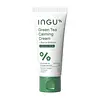
Skin ConditioningWater, Isononyl Isononanoate, Glycerin, Niacinamide, Sodium Acrylates Copolymer, Butylene Glycol, Bifida Ferment Filtrate, Betaine, Cetearyl Alcohol, Glyceryl Glucoside, Propanediol, Phenoxyethanol, Glyceryl Stearate, Xylitylglucoside, Lecithin, Dimethicone, Squalane, Anhydroxylitol, PEG-100 Stearate, Octyldodecanol, Chlorphenesin, Xylitol, Hydrogenated Lecithin, Camellia Sinensis Leaf Extract, BHT, Tocopheryl Acetate, Disodium EDTA, 1,2-Hexanediol, Glucose, Sorbitol, Aloe Barbadensis Leaf Juice Powder, Polyglyceryl-10 Dioleate, Laminaria Digitata Extract, Sodium Benzoate, Potassium Sorbate, Ceramide NP, Xanthan Gum, Caprylyl Glycol, Cholesterol, Phytosphingosine, Phospholipids, Diatomaceous Earth, Ceramide Ag, Ceramide AP, Ceramide Ng, Alpha-Glucan Oligosaccharide, Glyceryl Caprylate, Polymnia Sonchifolia Root Juice, Maltodextrin, Ceramide EOP, Lactobacillus
Water
Skin ConditioningPanthenol
Skin Conditioning
Caprylic/Capric Triglyceride
Masking
Propanediol
Solvent
Cetearyl Alcohol
Emollient
Pentaerythrityl Stearate/Caprate/Caprylate/Adipate
EmollientCocoglycerides
Emollient
Pentylene Glycol
Skin Conditioning
Simmondsia Chinensis Seed Oil
Emollient
Butyrospermum Parkii Butter
Skin Conditioning
Sorbitan Stearate
Emulsifying
Stearic Acid
Cleansing
C10-18 Triglycerides
Emollient
Hydrogenated Vegetable Oil
Emollient
1,2-Hexanediol
Skin Conditioning
Glyceryl Stearate
Emollient
Phytosterols
Skin Conditioning
Myristoyl/Palmitoyl Oxostearamide/Arachamide Mea
Skin ConditioningPolyglyceryl-5 Stearate
EmulsifyingTocopherol
Antioxidant
Carbomer
Emulsion StabilisingArginine
Masking
Allantoin
Skin Conditioning
Sodium Phytate
Xanthan Gum
EmulsifyingSodium Hyaluronate
Humectant
Helianthus Annuus Seed Oil
Emollient
Methyl Caprooyl Tyrosinate
Skin ProtectingSalvia Officinalis Oil
Masking
Elettaria Cardamomum Seed Oil
Masking
Pogostemon Cablin Leaf Oil
Masking

Juniperus Mexicana Oil
Masking
Palmitoyl Palmitamide Mea
HumectantN-Linolenoyl Serinol
Skin ConditioningBis-Capryloyloxypalmitamido Isopropanol
EmollientJuniperus Communis Fruit Oil
Masking
Anthemis Nobilis Flower Oil
Masking
Leucine
Skin ConditioningLysine
Skin ConditioningPhenylalanine
Masking
Threonine
Valine
MaskingCaprylic/Capric Glycerides
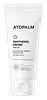
EmollientWater, Panthenol, Caprylic/Capric Triglyceride, Propanediol, Cetearyl Alcohol, Pentaerythrityl Stearate/Caprate/Caprylate/Adipate, Cocoglycerides, Pentylene Glycol, Simmondsia Chinensis Seed Oil, Butyrospermum Parkii Butter, Sorbitan Stearate, Stearic Acid, C10-18 Triglycerides, Hydrogenated Vegetable Oil, 1,2-Hexanediol, Glyceryl Stearate, Phytosterols, Myristoyl/Palmitoyl Oxostearamide/Arachamide Mea, Polyglyceryl-5 Stearate, Tocopherol, Carbomer, Arginine, Allantoin, Sodium Phytate, Xanthan Gum, Sodium Hyaluronate, Helianthus Annuus Seed Oil, Methyl Caprooyl Tyrosinate, Salvia Officinalis Oil, Elettaria Cardamomum Seed Oil, Pogostemon Cablin Leaf Oil, Juniperus Mexicana Oil, Palmitoyl Palmitamide Mea, N-Linolenoyl Serinol, Bis-Capryloyloxypalmitamido Isopropanol, Juniperus Communis Fruit Oil, Anthemis Nobilis Flower Oil, Leucine, Lysine, Phenylalanine, Threonine, Valine, Caprylic/Capric Glycerides
Ingredients Explained
These ingredients are found in both products.
Ingredients higher up in an ingredient list are typically present in a larger amount.
1,2-Hexanediol is a synthetic liquid and another multi-functional powerhouse.
It is a:
- Humectant, drawing moisture into the skin
- Emollient, helping to soften skin
- Solvent, dispersing and stabilizing formulas
- Preservative booster, enhancing the antimicrobial activity of other preservatives
Cetearyl alcohol is a waxy mixture of two fatty alcohols: cetyl alcohol and stearyl alcohol. It is an emollient and emulsifier.
Despite having "alcohol" in its name, it has nothing to do with drying solvent alcohols; the FDA also allows "alcohol-free" products to contain fatty alcohols like this ingredient.
It plays several roles in a formula:
Typical use levels for this ingredient sit around 1-10% and the Cosmetic Ingredient Review Expert Panel has affirmed safety at concentrations up to 25% in leave-on products.
Multiple assessments have found it to be non-irritating and non-sensitizing to most people.
However, there have been some cases of allergic contact dermatitis in patients with chronically compromised skin barriers.
Cetearyl alcohol has a comedogenic rating of 2 and irritancy rating of 1. Both of these numbers come from the 1989 study that used rabbit ears; a "2" means mildly comedogenic and a "1" means low irritancy.
Here's the catch: rabbit skin is more sensitive than human skin and throws a lot of false positives. A 1996 reappraisal found that ingredients rated 1-2 in the rabbit ear tests are generally safe for humans.
Remember comedogenic ratings are unable to assess the entire formula of a product or how it will react on your skin. Just be sure to patch test if you are unsure about certain ingredients.
This ingredient is not fungal acne safe. Cetearyl alcohol is a fatty alcohol with chain lengths that fall within the range that Malassezia can metabolize.
Learn more about Cetearyl AlcoholGlyceryl Stearate is made by reacting glycerin with stearic acid (typically sourced from plant oils like palm or coconut). It's an emulsifier, emollient, and mild occlusive.
Emulsifiers help ingredients like oil and water stay mixed so your formula stays nicely blended and uniform in texture.
This ingredient is typically used in concentrations between 1-10%. Studies have found it to be non-sensitizing, non-phototoxic, and non-photoallergenic.
A close cousin of this ingredient is Glyceryl Stearate SE ("self-emulsifying"). This just has a small amount of sodium or potassium stearate added so it can emulsify without a co-emulsifier.
Since this ingredient is an ester of a C18 fatty acid, it may not be fungal acne safe. The Malassezia yeast can potentially metabolize within the C11-C24 range.
Fun fact: The human body also creates Glyceryl Stearate naturally.
Learn more about Glyceryl StearatePropanediol is an all-star ingredient. It softens, hydrates, and smooths the skin.
It’s often used to:
Propanediol is not likely to cause sensitivity and considered safe to use. It is derived from corn or petroleum with a clear color and no scent.
Learn more about PropanediolWater. It's the most common cosmetic ingredient of all. You'll usually see it at the top of ingredient lists, meaning that it makes up the largest part of the product.
So why is it so popular? Water most often acts as a solvent - this means that it helps dissolve other ingredients into the formulation.
You'll also recognize water as that liquid we all need to stay alive. If you see this, drink a glass of water. Remember to stay hydrated!
Learn more about WaterXanthan gum is used as a stabilizer and thickener within cosmetic products. It helps give products a sticky, thick feeling - preventing them from being too runny.
On the technical side of things, xanthan gum is a polysaccharide - a combination consisting of multiple sugar molecules bonded together.
Xanthan gum is a pretty common and great ingredient. It is a natural, non-toxic, non-irritating ingredient that is also commonly used in food products.
Learn more about Xanthan Gum
