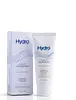
This barrier-repair moisturizer is formulated around Aloe Barbadensis Leaf Juice and Sodium Hyaluronate to strengthen the skin barrier and hydrate skin.
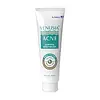
This acne moisturizer is formulated around Niacinamide to clear breakouts and balance excess oil.

What's inside
What's inside
 Key Ingredients
Benefits
Concerns
Ingredients Side-by-side
Water
Skin ConditioningGlycerin
Humectant


Aloe Barbadensis Leaf Juice
Skin Conditioning

PEG-8 C12-18 Alkyl Ester
EmulsifyingLecithin
Emollient
Dimethicone
Emollient
Helianthus Annuus Seed Oil
Emollient


Sodium Polyacrylate
Absorbent
Xylitol
Humectant
Caprylic Acid
CleansingGlyceryl Stearate
Emollient
Rosa Damascena Flower Water
Masking
Zinc PCA
Humectant



Sodium Hyaluronate
Humectant

Polyglutamic Acid
Skin Conditioning
Betaine
Humectant
Tocopherol
Antioxidant



Hyaluronic Acid
Humectant
Hydroxyethyl Urea
Humectant
Ceramide NP
Skin Conditioning
Lactic Acid
Buffering



Allantoin
Skin Conditioning
Mandelic Acid
Antimicrobial
Oat Amino Acids
Skin ConditioningPotassium Azeloyl Diglycinate
Skin Conditioning
Lysolecithin
EmulsifyingNiacinamide
Smoothing
3-O-Ethyl Ascorbic Acid
Skin Conditioning
Phenethyl Alcohol
MaskingBisabolol
Antioxidant
Caprylhydroxamic Acid
ChelatingTocopheryl Acetate
Antioxidant
Phytic Acid
Chelating
Caprylyl Glycol
Emollient
Sodium Benzoate
Masking
Potassium Sorbate
Preservative
Phenoxyethanol
Preservative
Panthenol
Skin Conditioning
Ethylhexyl Methoxycinnamate
UV Absorber

Butyl Methoxydibenzoylmethane
UV Absorber
Benzophenone-3
UV Absorber
Phospholipids
Skin Conditioning
Butylene Glycol
Humectant
Methyl Undecylenate
Perfuming

Tasmannia Lanceolata Fruit/Leaf Extract
Antioxidant
Water, Glycerin, Aloe Barbadensis Leaf Juice, PEG-8 C12-18 Alkyl Ester, Lecithin, Dimethicone, Helianthus Annuus Seed Oil, Sodium Polyacrylate, Xylitol, Caprylic Acid, Glyceryl Stearate, Rosa Damascena Flower Water, Zinc PCA, Sodium Hyaluronate, Polyglutamic Acid, Betaine, Tocopherol, Hyaluronic Acid, Hydroxyethyl Urea, Ceramide NP, Lactic Acid, Allantoin, Mandelic Acid, Oat Amino Acids, Potassium Azeloyl Diglycinate, Lysolecithin, Niacinamide, 3-O-Ethyl Ascorbic Acid, Phenethyl Alcohol, Bisabolol, Caprylhydroxamic Acid, Tocopheryl Acetate, Phytic Acid, Caprylyl Glycol, Sodium Benzoate, Potassium Sorbate, Phenoxyethanol, Panthenol, Ethylhexyl Methoxycinnamate, Butyl Methoxydibenzoylmethane, Benzophenone-3, Phospholipids, Butylene Glycol, Methyl Undecylenate, Tasmannia Lanceolata Fruit/Leaf Extract
Water
Skin ConditioningGlycerin
Humectant
Propylene Glycol
Humectant
Niacinamide
Smoothing
Butylene Glycol
Humectant
PEG-60 Almond Glycerides
Emulsifying
Caprylyl Glycol
Emollient
Carbomer
Emulsion StabilisingNordihydroguaiaretic Acid
Antioxidant
Oleanolic Acid
Skin ConditioningImperata Cylindrica Root Extract
Skin ConditioningPEG-8
HumectantPolyamide-5
Skin ConditioningButyrospermum Parkii Butter
Skin Conditioning

Glyceryl Stearate
Emollient
PEG-100 Stearate
Surfactant
Cetyl Alcohol
Emollient
Cyclomethicone
Emollient
Dimethicone Copolyol
Ethylhexyl Palmitate
Emollient
Sorbitan Oleate
Emulsifying
Sorbitan Laurate
Emulsifying
Myristyl Malate Phosphonic Acid
Skin ConditioningSodium Acrylates Copolymer
Lecithin
Emollient
Sodium Gluconate
ChelatingPurasal Moist Xs
Stearyl Alcohol
Emollient
Sorbitan Stearate
Emulsifying
Citric Acid
Buffering
Propylparaben
Preservative
BHT
Antioxidant
Disodium EDTA
ChelatingMethylparaben
Preservative
Ascorbyl Palmitate
Antioxidant
Water, Glycerin, Propylene Glycol, Niacinamide, Butylene Glycol, PEG-60 Almond Glycerides, Caprylyl Glycol, Carbomer, Nordihydroguaiaretic Acid, Oleanolic Acid, Imperata Cylindrica Root Extract, PEG-8, Polyamide-5, Butyrospermum Parkii Butter, Glyceryl Stearate, PEG-100 Stearate, Cetyl Alcohol, Cyclomethicone, Dimethicone Copolyol, Ethylhexyl Palmitate, Sorbitan Oleate, Sorbitan Laurate, Myristyl Malate Phosphonic Acid, Sodium Acrylates Copolymer, Lecithin, Sodium Gluconate, Purasal Moist Xs, Stearyl Alcohol, Sorbitan Stearate, Citric Acid, Propylparaben, BHT, Disodium EDTA, Methylparaben, Ascorbyl Palmitate
Ingredients Explained
These ingredients are found in both products.
Ingredients higher up in an ingredient list are typically present in a larger amount.
Butylene Glycol (or BG) is used within cosmetic products for a few different reasons:
Overall, Butylene Glycol is a safe and well-rounded ingredient that works well with other ingredients.
Though this ingredient works well with most skin types, some people with sensitive skin may experience a reaction such as allergic rashes, closed comedones, or itchiness.
Learn more about Butylene GlycolCaprylyl Glycol is a humectant, skin conditioner, emollient, and preservative booster derived from either caprylic acid or synthetically created.
Typical use levels vary from 0.3-1% as a preservative booster and go up to 2% to condition skin.
Because it is not a free-fatty acid, this ingredient is fungal acne safe (there's nothing for Malassezia to feed on).
Learn more about Caprylyl GlycolGlycerin (or glycerol) is a compound naturally found in your skin. It's a powerhouse humectant that pulls water into the stratum corneum.
Topically, glycerin does several things at once:
Your skin makes glycerin on its own (mostly from sebaceous oil breakdown) and shuttles it to your outermost layer of skin, or your epidermis, via aquaporin-3.
Aquaporin-3 is a transporter that is essential for normal skin hydration, elasticity, and repair. Interestingly, mice lacking in AQP3 have dry and less elastic skin that can be fully corrected with glycerin.
This ingredient is non-irritating, plays well with almost every ingredient, and works across all skin types. Typical use is anywhere between 3-10% but can go up to 79% in some leave-on products.
Just know very high concentrations (>40%) can feel tacky in low humidity.
Glycerin is the name for this ingredient in American English. British English uses Glycerol/Glycerine.
Learn more about GlycerinGlyceryl Stearate is made by reacting glycerin with stearic acid (typically sourced from plant oils like palm or coconut). It's an emulsifier, emollient, and mild occlusive.
Emulsifiers help ingredients like oil and water stay mixed so your formula stays nicely blended and uniform in texture.
This ingredient is typically used in concentrations between 1-10%. Studies have found it to be non-sensitizing, non-phototoxic, and non-photoallergenic.
A close cousin of this ingredient is Glyceryl Stearate SE ("self-emulsifying"). This just has a small amount of sodium or potassium stearate added so it can emulsify without a co-emulsifier.
Since this ingredient is an ester of a C18 fatty acid, it may not be fungal acne safe. The Malassezia yeast can potentially metabolize within the C11-C24 range.
Fun fact: The human body also creates Glyceryl Stearate naturally.
Learn more about Glyceryl StearateLecithin is a term for a group of substances found in the cell membranes of plants, animals, and humans. They are made up of phospholipids.
Thanks to its amphiphilic structure (water-loving head and oil-loving tail), it is a true multitasker:
It plays well with most ingredients and is typically used at 0.1-1%. However, concentrations up to 50% have been reported in moisturizers.
Learn more about LecithinNiacinamide is a multitasking form of vitamin B3 that strengthens the skin barrier, reduces pores and dark spots, regulates oil, and improves signs of aging.
And the best part? It's gentle and well-tolerated by most skin types, including sensitive and reactive skin.
You might have heard of "niacin flush", or the reddening of skin that causes itchiness. Niacinamide has not been found to cause this.
In very rare cases, some individuals may not be able to tolerate niacinamide at all or experience an allergic reaction to it.
If you are experiencing flaking, irritation, and dryness with this ingredient, be sure to double check all your products as this ingredient can be found in all categories of skincare.
When incorporating niacinamide into your routine, look out for concentration amounts. Typically, 5% niacinamide provides benefits such as fading dark spots. However, if you have sensitive skin, it is better to begin with a smaller concentration.
When you apply niacinamide to your skin, your body converts it into nicotinamide adenine dinucleotide (NAD). NAD is an essential coenzyme that is already found in your cells as "fuel" and powers countless biological processes.
In your skin, NAD helps repair cell damage, produce new healthy cells, support collagen production, strengthen the skin barrier, and fight environmental stressors (like UV and pollution).
Our natural NAD levels start to decline with age, leading to slower skin repair, visible aging, and a weaker skin barrier. By providing your skin niacinamide, you're recharging your skin's NAD levels. This leads to stronger, healthier, and younger looking skin.
Another name for vitamin B3 is nicotinamide. This vitamin is water-soluble and our bodies don't store it. We obtain Vitamin B3 from either food or skincare. Meat, fish, wheat, yeast, and leafy greens contain vitamin B3.
The type of niacinamide used in skincare is synthetically created.
Learn more about NiacinamideWater. It's the most common cosmetic ingredient of all. You'll usually see it at the top of ingredient lists, meaning that it makes up the largest part of the product.
So why is it so popular? Water most often acts as a solvent - this means that it helps dissolve other ingredients into the formulation.
You'll also recognize water as that liquid we all need to stay alive. If you see this, drink a glass of water. Remember to stay hydrated!
Learn more about Water

