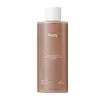
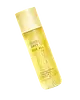
Huxley Secret Of Sahara Conditioning Essence Toner Versus Good Days For All Prime Time Refining Toning Essence
This barrier-repair toner is formulated around Lactobacillus Ferment and Opuntia Ficus-Indica Stem Extract to strengthen the skin barrier.
This calming essence is formulated around Artemisia Vulgaris Extract to calm redness.


What's inside
What's inside
 Key Ingredients
Benefits
Concerns
Ingredients Side-by-side
Water
Skin ConditioningLactobacillus Ferment
Skin Conditioning

Butylene Glycol
Humectant
Isopentyldiol
Humectant
1,2-Hexanediol
Skin Conditioning
Dipropylene Glycol
HumectantOpuntia Ficus-Indica Stem Extract
Skin Conditioning
Polyglyceryl-10 Laurate
Skin Conditioning

Betaine
Humectant
Opuntia Ficus-Indica Flower Extract
Skin ConditioningArginine
Masking
Carbomer
Emulsion StabilisingEthylhexylglycerin
Skin ConditioningAdenosine
Skin Conditioning
Hydrolyzed Sclerotium Gum
HumectantHydrolyzed Jojoba Esters
Skin Conditioning
Theobroma Cacao Seed Extract
Antioxidant
Sodium Phytate
ChelatingParfum
Masking



Allantoin
Skin Conditioning
Sodium Citrate
BufferingCitric Acid
Buffering

Caffeine
Skin Conditioning
Panthenol
Skin Conditioning
Bacillus Ferment
Skin Conditioning
Glycerin
Humectant
Tocopherol
Antioxidant

Opuntia Ficus-Indica Seed Oil
Emollient
Ceramide NP
Skin Conditioning
Phytosphingosine
Skin Conditioning
Hydrogenated Lecithin
Emulsifying
Benzyl Salicylate
Perfuming
Hexyl Cinnamal
Perfuming
Water, Lactobacillus Ferment, Butylene Glycol, Isopentyldiol, 1,2-Hexanediol, Dipropylene Glycol, Opuntia Ficus-Indica Stem Extract, Polyglyceryl-10 Laurate, Betaine, Opuntia Ficus-Indica Flower Extract, Arginine, Carbomer, Ethylhexylglycerin, Adenosine, Hydrolyzed Sclerotium Gum, Hydrolyzed Jojoba Esters, Theobroma Cacao Seed Extract, Sodium Phytate, Parfum, Allantoin, Sodium Citrate, Citric Acid, Caffeine, Panthenol, Bacillus Ferment, Glycerin, Tocopherol, Opuntia Ficus-Indica Seed Oil, Ceramide NP, Phytosphingosine, Hydrogenated Lecithin, Benzyl Salicylate, Hexyl Cinnamal
Water
Skin Conditioning1,2-Hexanediol
Skin Conditioning
Dipropylene Glycol
HumectantGlycereth-25 PCA Isostearate
Emulsifying
Acer Saccharum Extract
Skin ConditioningCarica Papaya Fruit Extract
Skin ConditioningHamamelis Virginiana Water
Astringent
Cyanocobalamin
Skin ConditioningArtemisia Vulgaris Extract
Skin Conditioning
Melia Azadirachta Leaf Extract
Skin ConditioningEucalyptus Globulus Leaf Extract
Perfuming
Aspalathus Linearis Leaf Extract
Skin ConditioningMelia Azadirachta Flower Extract
Skin ConditioningAllantoin
Skin Conditioning
Curcuma Longa Root Extract
Antioxidant
Melissa Officinalis Leaf Extract
Skin ConditioningMentha Piperita Leaf Extract
Skin ConditioningViscum Album Extract
Skin ConditioningCorallina Officinalis Extract
Skin Conditioning
Panthenol
Skin Conditioning
Rosa Damascena Flower Water
Masking
Citrus Aurantium Dulcis Fruit Extract
MaskingCitrus Limon Fruit Extract
Masking
Polyglyceryl-4 Caprate
EmulsifyingSodium Lactate
Buffering
Butylene Glycol
Humectant
Vaccinium Myrtillus Fruit/Leaf Extract
AstringentDisodium EDTA
ChelatingSaccharum Officinarum Extract
MoisturisingLimonene
Perfuming
Salvia Officinalis Leaf Extract
CleansingCitrus Aurantium Bergamia Fruit Oil
Masking
Citrus Grandis Peel Oil
Masking
Ocimum Sanctum Leaf Extract
Skin ConditioningArctium Majus Root Extract
Skin Conditioning
Juniperus Communis Fruit Extract
Perfuming
Lavandula Hybrida Oil
Emollient
Hypericum Perforatum Extract
AntimicrobialSaponaria Officinalis Root Extract
Skin ConditioningPelargonium Graveolens Flower Oil
Masking
Caprylyl Glycol
Emollient
Lavandula Angustifolia Oil
Masking
Phenoxyethanol
Preservative
Papain
Skin Conditioning
Carbomer
Emulsion StabilisingBenzyl Alcohol
Perfuming
Cucurbita Pepo Fruit Extract
Skin Conditioning
N-Hydroxysuccinimide
Skin ConditioningJasminum Officinale Extract
Masking
Algin
MaskingDiospyros Kaki Leaf Extract
Skin Protecting
Opuntia Coccinellifera Fruit Extract
Skin ConditioningDehydroacetic Acid
Preservative
Althaea Rosea Flower Extract
Skin ConditioningCitrus Paradisi Fruit Extract
Skin ConditioningHouttuynia Cordata Extract
Skin Conditioning
Lavandula Angustifolia Extract
Skin Conditioning
Pinus Sylvestris Bud Extract
Perfuming
Water, 1,2-Hexanediol, Dipropylene Glycol, Glycereth-25 PCA Isostearate, Acer Saccharum Extract, Carica Papaya Fruit Extract, Hamamelis Virginiana Water, Cyanocobalamin, Artemisia Vulgaris Extract, Melia Azadirachta Leaf Extract, Eucalyptus Globulus Leaf Extract, Aspalathus Linearis Leaf Extract, Melia Azadirachta Flower Extract, Allantoin, Curcuma Longa Root Extract, Melissa Officinalis Leaf Extract, Mentha Piperita Leaf Extract, Viscum Album Extract, Corallina Officinalis Extract, Panthenol, Rosa Damascena Flower Water, Citrus Aurantium Dulcis Fruit Extract, Citrus Limon Fruit Extract, Polyglyceryl-4 Caprate, Sodium Lactate, Butylene Glycol, Vaccinium Myrtillus Fruit/Leaf Extract, Disodium EDTA, Saccharum Officinarum Extract, Limonene, Salvia Officinalis Leaf Extract, Citrus Aurantium Bergamia Fruit Oil, Citrus Grandis Peel Oil, Ocimum Sanctum Leaf Extract, Arctium Majus Root Extract, Juniperus Communis Fruit Extract, Lavandula Hybrida Oil, Hypericum Perforatum Extract, Saponaria Officinalis Root Extract, Pelargonium Graveolens Flower Oil, Caprylyl Glycol, Lavandula Angustifolia Oil, Phenoxyethanol, Papain, Carbomer, Benzyl Alcohol, Cucurbita Pepo Fruit Extract, N-Hydroxysuccinimide, Jasminum Officinale Extract, Algin, Diospyros Kaki Leaf Extract, Opuntia Coccinellifera Fruit Extract, Dehydroacetic Acid, Althaea Rosea Flower Extract, Citrus Paradisi Fruit Extract, Houttuynia Cordata Extract, Lavandula Angustifolia Extract, Pinus Sylvestris Bud Extract
Reviews
Ingredients Explained
These ingredients are found in both products.
Ingredients higher up in an ingredient list are typically present in a larger amount.
1,2-Hexanediol is a synthetic liquid and another multi-functional powerhouse.
It is a:
- Humectant, drawing moisture into the skin
- Emollient, helping to soften skin
- Solvent, dispersing and stabilizing formulas
- Preservative booster, enhancing the antimicrobial activity of other preservatives
Allantoin is a soothing ingredient known for its protective and moisturizing properties; it's basically a quiet workhorse ingredient you can find in a huge range of cosmetics.
Though it can be derived from the comfrey plant, allantoin is produced synthetically for cosmetic products to ensure purity.
Research shows it can encourage your skin cells to turn over and renew by stimulating keratinocyte and fibroblast proliferation.
It also has mild keratolytic properties to help loosen and shed dead skin cells without being harsh.
Studies also suggest allantoin can help calm inflammation by dialing down some of the chemical signals your skin sends out when it is irritated.
This ingredient is typically used in the 0.1-0.5% range, and the FDA recognizes it as a skin protectant in OTC products up to 2%.
Overall, allantoin is a wonderful addition to most routines; it is stable across a wide pH range (~4-8), works well with other ingredients, and is considered non-sensitizing/non-irritating.
Fun fact: Allantoin is naturally occurring in comfrey root, beets, chamomile, and wheat sprouts. Our bodies even produce it as a byproduct of uric acid metabolism.
Learn more about AllantoinButylene Glycol (or BG) is used within cosmetic products for a few different reasons:
Overall, Butylene Glycol is a safe and well-rounded ingredient that works well with other ingredients.
Though this ingredient works well with most skin types, some people with sensitive skin may experience a reaction such as allergic rashes, closed comedones, or itchiness.
Learn more about Butylene GlycolCarbomer is a synthetic thickening and gelling agent. It's basically the ingredient that gives a lot of serums, gels, creams, and sunscreens their smooth, non-sticky texture.
Although legally permitted at very high levels, carbomers are normally used at concentrations below 1%.
It also needs to be neutralized to actually thicken, and because it is a large molecule, it doesn't really penetrate the skin barrier.
Allergy-wise, the risk is very low. Clinical studies show carbomers have low potential for skin irritation/sensitization even at concentrations up to 100%.
A 2024 UK study patch-tested 1,302 patients and found true allergy to the parent group of carbomer to be rare with no confirmed relevant reactions.
Learn more about CarbomerDipropylene Glycol is a synthetically created humectant, stabilizer, and solvent.
This ingredient helps:
Dipropylene glycol is technically an alcohol, but it belongs to the glycol family (often considered part of the ‘good’ alcohols). This means it is hydrating and gentle on skin unlike drying solvent alcohols like denatured alcohol.
As a masking agent, Dipropylene Glycol can be used to cover the smell of other ingredients. However, it does not have a scent.
Studies show Dipropylene Glycol is considered safe to use in skincare.
Learn more about Dipropylene GlycolPanthenol is a common ingredient that helps hydrate and soothe the skin. It is found naturally in our skin and hair.
There are two forms of panthenol: D and L.
D-panthenol is also known as dexpanthenol. Most cosmetics use dexpanthenol or a mixture of D and L-panthenol.
Panthenol is famous due to its ability to go deeper into the skin's layers. Using this ingredient has numerous pros (and no cons):
Like hyaluronic acid, panthenol is a humectant. Humectants are able to bind and hold large amounts of water to keep skin hydrated.
This ingredient works well for wound healing. It works by increasing tissue in the wound and helps close open wounds.
Once oxidized, panthenol converts to pantothenic acid. Panthothenic acid is found in all living cells.
This ingredient is also referred to as pro-vitamin B5.
Learn more about PanthenolWater. It's the most common cosmetic ingredient of all. You'll usually see it at the top of ingredient lists, meaning that it makes up the largest part of the product.
So why is it so popular? Water most often acts as a solvent - this means that it helps dissolve other ingredients into the formulation.
You'll also recognize water as that liquid we all need to stay alive. If you see this, drink a glass of water. Remember to stay hydrated!
Learn more about Water

