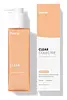
This mild cream cleanser is made to cleanse without leaving your skin tight or dry.
This mild cream cleanser is made to cleanse without leaving your skin tight or dry.

What's inside
What's inside
 Key Ingredients
Benefits
Concerns
Ingredients Side-by-side
Water
Skin ConditioningCetearyl Alcohol
Emollient






Propanediol
Solvent

Simmondsia Chinensis Seed Oil
Emollient

Disodium Cocoamphodiacetate
CleansingDecyl Glucoside
Cleansing
Gluconolactone
Chelating






Avena Sativa Bran Extract
Abrasive
Sorbitol
Humectant
Avena Sativa Kernel Flour
Abrasive
Avena Sativa Kernel Extract
Abrasive


Ceramide NP
Skin Conditioning
Ceramide AP
Skin Conditioning
Cetrimonium Chloride
Antimicrobial
Polyquaternium-73
Hydroxyethylcellulose
Emulsion StabilisingSodium Chloride
MaskingVinegar
Alpha-Glucan Oligosaccharide
Cleansing
Citrus Aurantium Dulcis Peel Extract
Emulsion Stabilising
Sodium Hydroxide
BufferingCaprylyl Glycol
Emollient
Didecyldimonium Chloride
EmulsifyingMethylpropanediol
SolventPolyquaternium-80
CleansingTetrasodium Glutamate Diacetate
ChelatingSodium Acetate
BufferingCellulose
Absorbent
Sodium Lauroyl Lactylate
EmulsifyingCholesterol
Emollient
Citric Acid
Buffering
Phytosphingosine
Skin Conditioning
Carbomer
Emulsion StabilisingEthylhexylglycerin
Skin ConditioningSodium Benzoate
Masking
Xanthan Gum
EmulsifyingPotassium Sorbate
Preservative
Water, Cetearyl Alcohol, Propanediol, Simmondsia Chinensis Seed Oil, Disodium Cocoamphodiacetate, Decyl Glucoside, Gluconolactone, Avena Sativa Bran Extract, Sorbitol, Avena Sativa Kernel Flour, Avena Sativa Kernel Extract, Ceramide NP, Ceramide AP, Cetrimonium Chloride, Polyquaternium-73, Hydroxyethylcellulose, Sodium Chloride, Vinegar, Alpha-Glucan Oligosaccharide, Citrus Aurantium Dulcis Peel Extract, Sodium Hydroxide, Caprylyl Glycol, Didecyldimonium Chloride, Methylpropanediol, Polyquaternium-80, Tetrasodium Glutamate Diacetate, Sodium Acetate, Cellulose, Sodium Lauroyl Lactylate, Cholesterol, Citric Acid, Phytosphingosine, Carbomer, Ethylhexylglycerin, Sodium Benzoate, Xanthan Gum, Potassium Sorbate
Water
Skin ConditioningGlycerin
Humectant
Caprylic/Capric Triglyceride
Masking
Cetearyl Alcohol
Emollient
Carthamus Tinctorius Seed Oil
Masking
Undaria Pinnatifida Extract
Skin ConditioningPropanediol
Solvent
Cetearyl Olivate
Glyceryl Stearate
Emollient
Decyl Glucoside
Cleansing
Hamamelis Virginiana Water
Astringent

Sodium Lauroyl Oat Amino Acids
CleansingCorylus Avellana Seed Oil
Emollient
Acacia Farnesiana Flower Extract
Perfuming
Rosa Centifolia Flower Extract
Astringent
Rosa Damascena Flower Extract
Masking
Oryza Sativa Bran Extract
Skin Conditioning
Rosmarinus Officinalis Leaf Extract
AntimicrobialHelianthus Annuus Extract
Emollient
Tocopherol
Antioxidant

Bisabolol
Antioxidant
Zingiber Officinale Root Extract
Masking
Chamomilla Recutita Extract
Skin Conditioning
Saccharide Isomerate
Humectant
Sorbitan Olivate
Emulsifying
Trisodium Ethylenediamine Disuccinate
ChelatingCaprylhydroxamic Acid
ChelatingSodium Lauroyl Glutamate
Surfactant1,2-Hexanediol
Skin Conditioning
Stearic Acid
Cleansing
Xanthan Gum
EmulsifyingSodium Citrate
BufferingCitric Acid
Buffering
Sodium Hydroxide
BufferingSodium Benzoate
Masking
Potassium Sorbate
Preservative
Benzoic Acid
Masking
Water, Glycerin, Caprylic/Capric Triglyceride, Cetearyl Alcohol, Carthamus Tinctorius Seed Oil, Undaria Pinnatifida Extract, Propanediol, Cetearyl Olivate, Glyceryl Stearate, Decyl Glucoside, Hamamelis Virginiana Water, Sodium Lauroyl Oat Amino Acids, Corylus Avellana Seed Oil, Acacia Farnesiana Flower Extract, Rosa Centifolia Flower Extract, Rosa Damascena Flower Extract, Oryza Sativa Bran Extract, Rosmarinus Officinalis Leaf Extract, Helianthus Annuus Extract, Tocopherol, Bisabolol, Zingiber Officinale Root Extract, Chamomilla Recutita Extract, Saccharide Isomerate, Sorbitan Olivate, Trisodium Ethylenediamine Disuccinate, Caprylhydroxamic Acid, Sodium Lauroyl Glutamate, 1,2-Hexanediol, Stearic Acid, Xanthan Gum, Sodium Citrate, Citric Acid, Sodium Hydroxide, Sodium Benzoate, Potassium Sorbate, Benzoic Acid
Reviews
Ingredients Explained
These ingredients are found in both products.
Ingredients higher up in an ingredient list are typically present in a larger amount.
Cetearyl alcohol is a waxy mixture of two fatty alcohols: cetyl alcohol and stearyl alcohol. It is an emollient and emulsifier.
Despite having "alcohol" in its name, it has nothing to do with drying solvent alcohols; the FDA also allows "alcohol-free" products to contain fatty alcohols like this ingredient.
It plays several roles in a formula:
Typical use levels for this ingredient sit around 1-10% and the Cosmetic Ingredient Review Expert Panel has affirmed safety at concentrations up to 25% in leave-on products.
Multiple assessments have found it to be non-irritating and non-sensitizing to most people.
However, there have been some cases of allergic contact dermatitis in patients with chronically compromised skin barriers.
Cetearyl alcohol has a comedogenic rating of 2 and irritancy rating of 1. Both of these numbers come from the 1989 study that used rabbit ears; a "2" means mildly comedogenic and a "1" means low irritancy.
Here's the catch: rabbit skin is more sensitive than human skin and throws a lot of false positives. A 1996 reappraisal found that ingredients rated 1-2 in the rabbit ear tests are generally safe for humans.
Remember comedogenic ratings are unable to assess the entire formula of a product or how it will react on your skin. Just be sure to patch test if you are unsure about certain ingredients.
This ingredient is not fungal acne safe. Cetearyl alcohol is a fatty alcohol with chain lengths that fall within the range that Malassezia can metabolize.
A 2019 study has also observed Malassezia growth in the presence of this ingredient, confirming it to be not-fungal acne safe.
Learn more about Cetearyl AlcoholCitric Acid is an alpha hydroxy acid (AHA) naturally found in citrus fruits like oranges, lemons, and limes.
Like other AHAs, citric acid can exfoliate skin by breaking down the bonds that hold dead skin cells together. This helps reveal smoother and brighter skin underneath.
However, this exfoliating effect only happens at high concentrations (20%) which can be hard to find in cosmetic products.
Due to this, citric acid is usually included in small amounts as a pH adjuster. This helps keep products slightly more acidic and compatible with skin's natural pH.
In skincare formulas, citric acid can:
While it can provide some skin benefits, research shows lactic acid and glycolic acid are generally more effective and less irritating exfoliants.
Most citric acid used in skincare today is made by fermenting sugars (usually from molasses). This synthetic version is identical to the natural citrus form but easier to stabilize and use in formulations.
Rosacea skin has a lower threshold for acids generally, with 62.5% of rosacea subjects in one study reacting to lactic acid in a sting test. This is why we mark citric acid as a potential rosacea trigger.
However, this ingredient shows up as a pH adjuster or chelator at roughly 0.1-1% in many products. These low levels are unlikely to be an issue for rosacea skin and becomes a potential trigger at exfoliating concentrations (20%). Because everybody's skin is unique, we recommend a patch test if you are unsure.
Learn more about Citric AcidDecyl Glucoside is a plant-derived surfactant and emulsion stabilizer. It is created by reacting glucose with the fatty acids from plants.
Like all surfactants, it works by lowering the surface tension between water and oil. This makes it so that dirt, sebum, and makeup can be lifted off your skin and rinsed away. It also produces a dense and creamy foam.
Because it has a neutral charge, it is compatible with a wide range of ingredients and stays stable across a broad pH range/water hardiness conditions.
Patch testing has shown it to have the lowest irritation potential among common cleansing surfactants (like SLS).
Typical use levels range from 5-20% in rinse-off cleansers.
One thing worth knowing: The American Contact Dermatitis Society named the parent family, alkyl glucosides, "Allergen of the Year" in 2017. The prevalence of allergy is pretty low but be sure to patch test if you've reacted to "gentle" or sulfate-free cleansers before.
This ingredient is fungal acne safe because the fatty alcohol portion of this ingredient is not within the C11-24 chain length that Malassezia can metabolize.
Learn more about Decyl GlucosidePotassium Sorbate is a preservative used to prevent yeast and mold in products. It is commonly found in both cosmetic and food products.
This ingredient comes from potassium salt derived from sorbic acid. Sorbic acid is a natural antibiotic and effective against fungus.
Both potassium sorbate and sorbic acid can be found in baked goods, cheeses, dried meats, dried fruit, ice cream, pickles, wine, yogurt, and more.
You'll often find this ingredient used with other preservatives.
Learn more about Potassium SorbatePropanediol is an all-star ingredient. It softens, hydrates, and smooths the skin.
It’s often used to:
Propanediol is not likely to cause sensitivity and considered safe to use. It is derived from corn or petroleum with a clear color and no scent.
Learn more about PropanediolSodium Benzoate is a preservative. It's used in both cosmetic and food products to inhibit the growth of mold and bacteria. It is typically produced synthetically.
Both the US FDA and EU Health Committee have approved the use of sodium benzoate. In the US, levels of 0.1% (of the total product) are allowed.
Sodium benzoate works as a preservative by inhibiting the growth of bacteria inside of cells. It prevents the cell from fermenting a type of sugar using an enzyme called phosphofructokinase.
It is the salt of benzoic acid. Foods containing sodium benzoate include soda, salad dressings, condiments, fruit juices, wines, and snack foods.
Studies for using ascorbic acid and sodium benzoate in cosmetics are lacking, especially in skincare routines with multiple steps.
We always recommend speaking with a professional, such as a dermatologist, if you have any concerns.
Learn more about Sodium BenzoateSodium Hydroxide is also known as lye or caustic soda. It is used to adjust the pH of products; many ingredients require a specific pH to be effective.
In small amounts, sodium hydroxide is considered safe to use. However, large amounts may cause chemical burns due to its high alkaline.
Your skin has a natural pH and acid mantle. This acid mantle helps prevent harmful bacteria from breaking through. The acid mantle also helps keep your skin hydrated.
"Alkaline" refers to a high pH level. A low pH level would be considered acidic.
Learn more about Sodium HydroxideWater. It's the most common cosmetic ingredient of all. You'll usually see it at the top of ingredient lists, meaning that it makes up the largest part of the product.
So why is it so popular? Water most often acts as a solvent - this means that it helps dissolve other ingredients into the formulation.
You'll also recognize water as that liquid we all need to stay alive. If you see this, drink a glass of water. Remember to stay hydrated!
Learn more about WaterXanthan gum is used as a stabilizer and thickener within cosmetic products. It helps give products a sticky, thick feeling - preventing them from being too runny.
On the technical side of things, xanthan gum is a polysaccharide - a combination consisting of multiple sugar molecules bonded together.
Xanthan gum is a pretty common and great ingredient. It is a natural, non-toxic, non-irritating ingredient that is also commonly used in food products.
Learn more about Xanthan Gum

