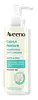
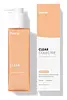
Aveeno Calm + Restore Nourishing Oat Cleanser For Sensitive Skin Versus Hero Cosmetics Gentle Milky Cleanser
This mild gel cleanser is mild enough to cleanse without leaving skin feeling tight or stripped.
This mild cream cleanser is made to cleanse without leaving your skin tight or dry.

What's inside
What's inside
 Key Ingredients
Benefits
Concerns
Ingredients Side-by-side
Water
Skin ConditioningGlycerin
Humectant


Butylene Glycol
Humectant
Avena Sativa Kernel Flour
Abrasive

Polysorbate 20
Emulsifying

Poloxamer 188
EmulsifyingZea Mays Starch
Absorbent
Acrylates/C10-30 Alkyl Acrylate Crosspolymer
Emulsion StabilisingCaprylyl Glycol
Emollient
Phenoxyethanol
Preservative
Disodium EDTA
ChelatingEthylhexylglycerin
Skin ConditioningSodium Polyacrylate
Absorbent
Sodium Hydroxide
BufferingChrysanthemum Parthenium Flower/Leaf/Stem Juice
Antioxidant
Sodium Hyaluronate
Humectant


Water, Glycerin, Butylene Glycol, Avena Sativa Kernel Flour, Polysorbate 20, Poloxamer 188, Zea Mays Starch, Acrylates/C10-30 Alkyl Acrylate Crosspolymer, Caprylyl Glycol, Phenoxyethanol, Disodium EDTA, Ethylhexylglycerin, Sodium Polyacrylate, Sodium Hydroxide, Chrysanthemum Parthenium Flower/Leaf/Stem Juice, Sodium Hyaluronate
Water
Skin ConditioningCetearyl Alcohol
Emollient



Propanediol
Solvent
Simmondsia Chinensis Seed Oil
Emollient
Disodium Cocoamphodiacetate
CleansingDecyl Glucoside
Cleansing
Gluconolactone
Chelating



Avena Sativa Bran Extract
Abrasive
Sorbitol
Humectant
Avena Sativa Kernel Flour
Abrasive
Avena Sativa Kernel Extract
Abrasive
Ceramide NP
Skin Conditioning
Ceramide AP
Skin Conditioning
Cetrimonium Chloride
Antimicrobial
Polyquaternium-73
Hydroxyethylcellulose
Emulsion StabilisingSodium Chloride
MaskingVinegar
Alpha-Glucan Oligosaccharide
Cleansing
Citrus Aurantium Dulcis Peel Extract
Emulsion Stabilising
Sodium Hydroxide
BufferingCaprylyl Glycol
Emollient
Didecyldimonium Chloride
EmulsifyingMethylpropanediol
SolventPolyquaternium-80
CleansingTetrasodium Glutamate Diacetate
ChelatingSodium Acetate
BufferingCellulose
Absorbent
Sodium Lauroyl Lactylate
EmulsifyingCholesterol
Emollient
Citric Acid
Buffering
Phytosphingosine
Skin Conditioning
Carbomer
Emulsion StabilisingEthylhexylglycerin
Skin ConditioningSodium Benzoate
Masking
Xanthan Gum
EmulsifyingPotassium Sorbate
Preservative
Water, Cetearyl Alcohol, Propanediol, Simmondsia Chinensis Seed Oil, Disodium Cocoamphodiacetate, Decyl Glucoside, Gluconolactone, Avena Sativa Bran Extract, Sorbitol, Avena Sativa Kernel Flour, Avena Sativa Kernel Extract, Ceramide NP, Ceramide AP, Cetrimonium Chloride, Polyquaternium-73, Hydroxyethylcellulose, Sodium Chloride, Vinegar, Alpha-Glucan Oligosaccharide, Citrus Aurantium Dulcis Peel Extract, Sodium Hydroxide, Caprylyl Glycol, Didecyldimonium Chloride, Methylpropanediol, Polyquaternium-80, Tetrasodium Glutamate Diacetate, Sodium Acetate, Cellulose, Sodium Lauroyl Lactylate, Cholesterol, Citric Acid, Phytosphingosine, Carbomer, Ethylhexylglycerin, Sodium Benzoate, Xanthan Gum, Potassium Sorbate
Reviews
Ingredients Explained
These ingredients are found in both products.
Ingredients higher up in an ingredient list are typically present in a larger amount.
Oatmeal flour is created by grinding down the kernels of oats. Oatmeal helps sooth, hydrate, and protect the skin.
Oatmeal kernel flour has abrasive, or exfoliating, properties.
Learn all about the skin benefits of colloidal oatmeal here.
Learn more about Avena Sativa Kernel FlourCaprylyl Glycol is a humectant, skin conditioner, emollient, and preservative booster derived from either caprylic acid or synthetically created.
Typical use levels vary from 0.3-1% as a preservative booster and go up to 2% to condition skin.
Because it is not a free-fatty acid, this ingredient is fungal acne safe (there's nothing for Malassezia to feed on).
Learn more about Caprylyl GlycolEthylhexylglycerin is created from glycerin. It is a multitasker ingredient that:
The CIR Expert Panel found minimal skin absorption or sensitization of any kind in a safety assessment. Though this ingredient is considered well-tolerated, a small number of cases of allergic dermatitis have been published since 2002. Just be sure to patch test if you are unsure.
Industry-reported use ranges from 8% in rinse-off products and 2% in leave-on formulations.
Learn more about EthylhexylglycerinSodium Hydroxide is also known as lye or caustic soda. It is used to adjust the pH of products; many ingredients require a specific pH to be effective.
In small amounts, sodium hydroxide is considered safe to use. However, large amounts may cause chemical burns due to its high alkaline.
Your skin has a natural pH and acid mantle. This acid mantle helps prevent harmful bacteria from breaking through. The acid mantle also helps keep your skin hydrated.
"Alkaline" refers to a high pH level. A low pH level would be considered acidic.
Learn more about Sodium HydroxideWater. It's the most common cosmetic ingredient of all. You'll usually see it at the top of ingredient lists, meaning that it makes up the largest part of the product.
So why is it so popular? Water most often acts as a solvent - this means that it helps dissolve other ingredients into the formulation.
You'll also recognize water as that liquid we all need to stay alive. If you see this, drink a glass of water. Remember to stay hydrated!
Learn more about Water

