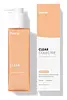
This mild cream cleanser is made to cleanse without leaving your skin tight or dry.
This mild cream cleanser is made to cleanse without leaving your skin tight or dry.


What's inside
What's inside
 Key Ingredients
Benefits
Concerns
Ingredients Side-by-side
Water
Skin ConditioningCetearyl Alcohol
Emollient






Propanediol
Solvent

Simmondsia Chinensis Seed Oil
Emollient

Disodium Cocoamphodiacetate
CleansingDecyl Glucoside
Cleansing
Gluconolactone
Chelating






Avena Sativa Bran Extract
Abrasive
Sorbitol
Humectant
Avena Sativa Kernel Flour
Abrasive
Avena Sativa Kernel Extract
Abrasive


Ceramide NP
Skin Conditioning
Ceramide AP
Skin Conditioning
Cetrimonium Chloride
Antimicrobial
Polyquaternium-73
Hydroxyethylcellulose
Emulsion StabilisingSodium Chloride
MaskingVinegar
Alpha-Glucan Oligosaccharide
Cleansing
Citrus Aurantium Dulcis Peel Extract
Emulsion Stabilising
Sodium Hydroxide
BufferingCaprylyl Glycol
Emollient
Didecyldimonium Chloride
EmulsifyingMethylpropanediol
SolventPolyquaternium-80
CleansingTetrasodium Glutamate Diacetate
ChelatingSodium Acetate
BufferingCellulose
Absorbent
Sodium Lauroyl Lactylate
EmulsifyingCholesterol
Emollient
Citric Acid
Buffering
Phytosphingosine
Skin Conditioning
Carbomer
Emulsion StabilisingEthylhexylglycerin
Skin ConditioningSodium Benzoate
Masking
Xanthan Gum
EmulsifyingPotassium Sorbate
Preservative
Water, Cetearyl Alcohol, Propanediol, Simmondsia Chinensis Seed Oil, Disodium Cocoamphodiacetate, Decyl Glucoside, Gluconolactone, Avena Sativa Bran Extract, Sorbitol, Avena Sativa Kernel Flour, Avena Sativa Kernel Extract, Ceramide NP, Ceramide AP, Cetrimonium Chloride, Polyquaternium-73, Hydroxyethylcellulose, Sodium Chloride, Vinegar, Alpha-Glucan Oligosaccharide, Citrus Aurantium Dulcis Peel Extract, Sodium Hydroxide, Caprylyl Glycol, Didecyldimonium Chloride, Methylpropanediol, Polyquaternium-80, Tetrasodium Glutamate Diacetate, Sodium Acetate, Cellulose, Sodium Lauroyl Lactylate, Cholesterol, Citric Acid, Phytosphingosine, Carbomer, Ethylhexylglycerin, Sodium Benzoate, Xanthan Gum, Potassium Sorbate
Water
Skin ConditioningCetearyl Isononanoate
Emollient
Butylene Glycol
Humectant
Glycerin
Humectant
Cetyl Alcohol
Emollient
Prunus Amygdalus Dulcis Oil
Skin Conditioning
Simmondsia Chinensis Seed Oil
Emollient
Sodium Cocoyl Glutamate
Cleansing
Decyl Glucoside
Cleansing
Butyrospermum Parkii Butter Extract
Skin Conditioning
Maltodextrin
Absorbent
Carbomer
Emulsion StabilisingPotassium Cetyl Phosphate
EmulsifyingCaprylyl Glycol
Emollient
Hydrolyzed Vegetable Protein
Skin ConditioningAcrylates/C10-30 Alkyl Acrylate Crosspolymer
Emulsion StabilisingPotassium Sorbate
Preservative
Sodium Hydroxide
BufferingTrehalose
Humectant
Tocopherol
Antioxidant

Parfum
Masking

Avena Sativa Kernel Extract
Abrasive
Centaurea Cyanus Flower Extract
Astringent
Palmitoyl Grape Seed Extract
Skin ConditioningHexyl Cinnamal
Perfuming
Linalool
Perfuming
Limonene
Perfuming
Plant Ash
Water, Cetearyl Isononanoate, Butylene Glycol, Glycerin, Cetyl Alcohol, Prunus Amygdalus Dulcis Oil, Simmondsia Chinensis Seed Oil, Sodium Cocoyl Glutamate, Decyl Glucoside, Butyrospermum Parkii Butter Extract, Maltodextrin, Carbomer, Potassium Cetyl Phosphate, Caprylyl Glycol, Hydrolyzed Vegetable Protein, Acrylates/C10-30 Alkyl Acrylate Crosspolymer, Potassium Sorbate, Sodium Hydroxide, Trehalose, Tocopherol, Parfum, Avena Sativa Kernel Extract, Centaurea Cyanus Flower Extract, Palmitoyl Grape Seed Extract, Hexyl Cinnamal, Linalool, Limonene, Plant Ash
Reviews
Ingredients Explained
These ingredients are found in both products.
Ingredients higher up in an ingredient list are typically present in a larger amount.
Avena Sativa Kernel Extract is is derived from colloidal oatmeal. Besides being a healthy breakfast, oats have many benefits in skincare too.
This ingredient helps sooth, hydrate, and protect the skin. The starches in colloidal oatmeal are able to bind water, keeping the skin hydrated.
The cellulose and fiber in colloidal oatmeal help reduce inflammation. This can also help the skin feel softer.
Colloidal Oatmeal is also an antioxidant. Antioxidants protect our skin from free-radical damage.
Oatmeal also contains beneficial compounds:
This ingredient is created by mixing grounded oatmeal and a liquid base.
Learn more about Avena Sativa Kernel ExtractCaprylyl Glycol is a humectant, skin conditioner, emollient, and preservative booster derived from either caprylic acid or synthetically created.
Typical use levels vary from 0.3-1% as a preservative booster and go up to 2% to condition skin.
Because it is not a free-fatty acid, this ingredient is fungal acne safe (there's nothing for Malassezia to feed on).
Learn more about Caprylyl GlycolCarbomer is a synthetic thickening and gelling agent. It's basically the ingredient that gives a lot of serums, gels, creams, and sunscreens their smooth, non-sticky texture.
Although legally permitted at very high levels, carbomers are normally used at concentrations below 1%.
It also needs to be neutralized to actually thicken, and because it is a large molecule, it doesn't really penetrate the skin barrier.
Allergy-wise, the risk is very low. Clinical studies show carbomers have low potential for skin irritation/sensitization even at concentrations up to 100%.
A 2024 UK study patch-tested 1,302 patients and found true allergy to the parent group of carbomer to be rare with no confirmed relevant reactions.
Learn more about CarbomerDecyl Glucoside is a plant-derived surfactant and emulsion stabilizer. It is created by reacting glucose with the fatty acids from plants.
Like all surfactants, it works by lowering the surface tension between water and oil. This makes it so that dirt, sebum, and makeup can be lifted off your skin and rinsed away. It also produces a dense and creamy foam.
Because it has a neutral charge, it is compatible with a wide range of ingredients and stays stable across a broad pH range/water hardiness conditions.
Patch testing has shown it to have the lowest irritation potential among common cleansing surfactants (like SLS).
Typical use levels range from 5-20% in rinse-off cleansers.
One thing worth knowing: The American Contact Dermatitis Society named the parent family, alkyl glucosides, "Allergen of the Year" in 2017. The prevalence of allergy is pretty low but be sure to patch test if you've reacted to "gentle" or sulfate-free cleansers before.
This ingredient is fungal acne safe because the fatty alcohol portion of this ingredient is not within the C11-24 chain length that Malassezia can metabolize.
Learn more about Decyl GlucosidePotassium Sorbate is a preservative used to prevent yeast and mold in products. It is commonly found in both cosmetic and food products.
This ingredient comes from potassium salt derived from sorbic acid. Sorbic acid is a natural antibiotic and effective against fungus.
Both potassium sorbate and sorbic acid can be found in baked goods, cheeses, dried meats, dried fruit, ice cream, pickles, wine, yogurt, and more.
You'll often find this ingredient used with other preservatives.
Learn more about Potassium SorbateJojoba oil is one of the most well-studied plant-derived ingredients in cosmetics. It is an emollient with a special structure.
Because it is made up of 97-98% wax esters, it closely mirrors the linear monoesters found in human sebum. This makes it skin compatible, non-greasy, and lightweight.
Unlike other plant oils, jojoba wax doesn't easily penetrate skin. It mostly works in the uppermost layers as an emollient. This just means it forms a light barrier on the skin to help retain moisture.
Formulations with jojoba esters up to 90% reduced transepidermal water loss (TEWL) and increased barrier recovery by 81% (outperforming bisabolol at 47%).
Besides barrier support, the science also suggests jojoba to have anti-inflammatory effects and potential applications for skin infections, aging, and wound healing.
Fun fact: Indigenous cultures have used jojoba as a moisturizer and to help treat burns for centuries.
Fungal acne: The Malassezia yeast is known to metabolize fatty acids in the C11-24 range and jojoba's dominant fatty acid components fall into this range. This ingredient may not be fungal acne safe.
Learn more about Simmondsia Chinensis Seed OilSodium Hydroxide is also known as lye or caustic soda. It is used to adjust the pH of products; many ingredients require a specific pH to be effective.
In small amounts, sodium hydroxide is considered safe to use. However, large amounts may cause chemical burns due to its high alkaline.
Your skin has a natural pH and acid mantle. This acid mantle helps prevent harmful bacteria from breaking through. The acid mantle also helps keep your skin hydrated.
"Alkaline" refers to a high pH level. A low pH level would be considered acidic.
Learn more about Sodium HydroxideWater. It's the most common cosmetic ingredient of all. You'll usually see it at the top of ingredient lists, meaning that it makes up the largest part of the product.
So why is it so popular? Water most often acts as a solvent - this means that it helps dissolve other ingredients into the formulation.
You'll also recognize water as that liquid we all need to stay alive. If you see this, drink a glass of water. Remember to stay hydrated!
Learn more about Water

