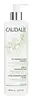
This mild cream cleanser is made to cleanse without leaving your skin tight or dry.
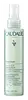
This oil-based makeup remover is made to dissolve makeup, sunscreen, and daily buildup.

What's inside
What's inside
 Key Ingredients
Benefits
Concerns
Ingredients Side-by-side
Water
Skin ConditioningCetearyl Isononanoate
Emollient
Butylene Glycol
Humectant

Glycerin
Humectant
Cetyl Alcohol
Emollient



Prunus Amygdalus Dulcis Oil
Skin Conditioning


Simmondsia Chinensis Seed Oil
Emollient
Sodium Cocoyl Glutamate
Cleansing
Decyl Glucoside
Cleansing
Butyrospermum Parkii Butter Extract
Skin Conditioning
Maltodextrin
Absorbent
Carbomer
Emulsion StabilisingPotassium Cetyl Phosphate
EmulsifyingCaprylyl Glycol
Emollient
Hydrolyzed Vegetable Protein
Skin ConditioningAcrylates/C10-30 Alkyl Acrylate Crosspolymer
Emulsion StabilisingPotassium Sorbate
Preservative
Sodium Hydroxide
BufferingTrehalose
Humectant
Tocopherol
Antioxidant




Parfum
Masking


Avena Sativa Kernel Extract
Abrasive

Centaurea Cyanus Flower Extract
Astringent
Palmitoyl Grape Seed Extract
Skin ConditioningHexyl Cinnamal
Perfuming
Linalool
Perfuming
Limonene
Perfuming
Plant Ash
Water, Cetearyl Isononanoate, Butylene Glycol, Glycerin, Cetyl Alcohol, Prunus Amygdalus Dulcis Oil, Simmondsia Chinensis Seed Oil, Sodium Cocoyl Glutamate, Decyl Glucoside, Butyrospermum Parkii Butter Extract, Maltodextrin, Carbomer, Potassium Cetyl Phosphate, Caprylyl Glycol, Hydrolyzed Vegetable Protein, Acrylates/C10-30 Alkyl Acrylate Crosspolymer, Potassium Sorbate, Sodium Hydroxide, Trehalose, Tocopherol, Parfum, Avena Sativa Kernel Extract, Centaurea Cyanus Flower Extract, Palmitoyl Grape Seed Extract, Hexyl Cinnamal, Linalool, Limonene, Plant Ash
Reviews
Ingredients Explained
These ingredients are found in both products.
Ingredients higher up in an ingredient list are typically present in a larger amount.
Parfum is a catch-all term for an ingredient or more that is used to give a scent to products.
Also called "fragrance", this ingredient can be a blend of hundreds of chemicals or plant oils. This means every product with "fragrance" or "parfum" in the ingredients list is a different mixture.
For instance, Habanolide is a proprietary trade name for a specific aroma chemical. When used as a fragrance ingredient in cosmetics, most aroma chemicals fall under the broad labeling category of “FRAGRANCE” or “PARFUM” according to EU and US regulations.
The term 'parfum' or 'fragrance' is not regulated in many countries. In many cases, it is up to the brand to define this term.
For instance, many brands choose to label themselves as "fragrance-free" because they are not using synthetic fragrances. However, their products may still contain ingredients such as essential oils that are considered a fragrance by INCI standards.
One example is Calendula flower extract. Calendula is an essential oil that still imparts a scent or 'fragrance'.
Depending on the blend, the ingredients in the mixture can cause allergies and sensitivities on the skin. Some ingredients that are known EU allergens include linalool and citronellol.
Parfum can also be used to mask or cover an unpleasant scent.
The bottom line is: not all fragrances/parfum/ingredients are created equally. If you are worried about fragrances, we recommend taking a closer look at an ingredient. And of course, we always recommend speaking with a professional.
Learn more about ParfumThis ingredient is also known as sweet almond oil. It is a lightweight, cold-pressed oil from the ripe seeds of the sweet almond tree.
Sweet almond oil is rich in skin-nourishing fatty acids such as oleic acid (55-86%) and linolenic acid (7-35%).
As an emollient, it softens and hydrates skin by forming a thin barrier that locks in moisture.
Clinical studies have found it to be non-irritating and non-sensitizing. The CIR Expert Panel has evaluated the available safety data and concluded it is safe for topical use.
Because of the oleic acid content, this ingredient may not be fungal acne safe.
Learn more about Prunus Amygdalus Dulcis OilTocopherol is a fat-soluble antioxidant known as Vitamin E.
You'll find this ingredient in the vast majority of skincare (for good reason). It works to neutralize free radicals, or unstable molecules generated by UV exposure, pollution, and other environmental stressors, before they can cause oxidative damage to your skin cells.
Topically applied tocopherol has been shown to protect against UV damage by ramping up the skin's own natural defense enzymes.
It also acts as a skin conditioning agent; some studies show that regular topical use can improve the skin's water-binding capacity over 2-4 weeks.
This ingredient is especially loved for being a team player. When combined with Vitamin C, the photoprotective effect of both ingredients roughly doubles and the combo also helps reduce UV-induced DNA damage.
This ingredient has some brightening potential but it's more of a prevention ingredient than spot-fader. Cell studies show it can slow down melanin production but it's worth noting that it's not the most powerful brightener out there.
In formulations, it also serves as a stabilizer that helps protect other oxidation-prone ingredients from degrading.
Concentrations usually range from 0.1-1% in most leave-on products.
Learn more about Tocopherol

